You found a lodge at a tempting rate, booked it, and then spotted a line in the small print: “electricity charged separately, metered.” Now you are left wondering what that could actually add to your bill. Lodge electricity costs are one of the most common surprise charges on a lodge break, and the answer depends on how much you use, the season you travel in and whether you have a hot tub.
This guide walks through the whole picture. We explain what metered electricity actually means and how readings are taken, give realistic figures for what a typical stay costs, and look at the appliances that push your usage up the most. We also cover deposits and prepayments, share simple ways to cut your usage, and list the questions worth asking before you book. By the end, you should be able to estimate your extra costs before you arrive rather than after.
What Metered Electricity Actually Means on a Lodge Break
On many lodge breaks, the headline rate covers the accommodation but not the power. Some operators exclude electricity from the advertised price and charge it separately, based on how much you actually use during your stay. It works a bit like paying for gas at a holiday cottage, except the amount is measured precisely rather than estimated.
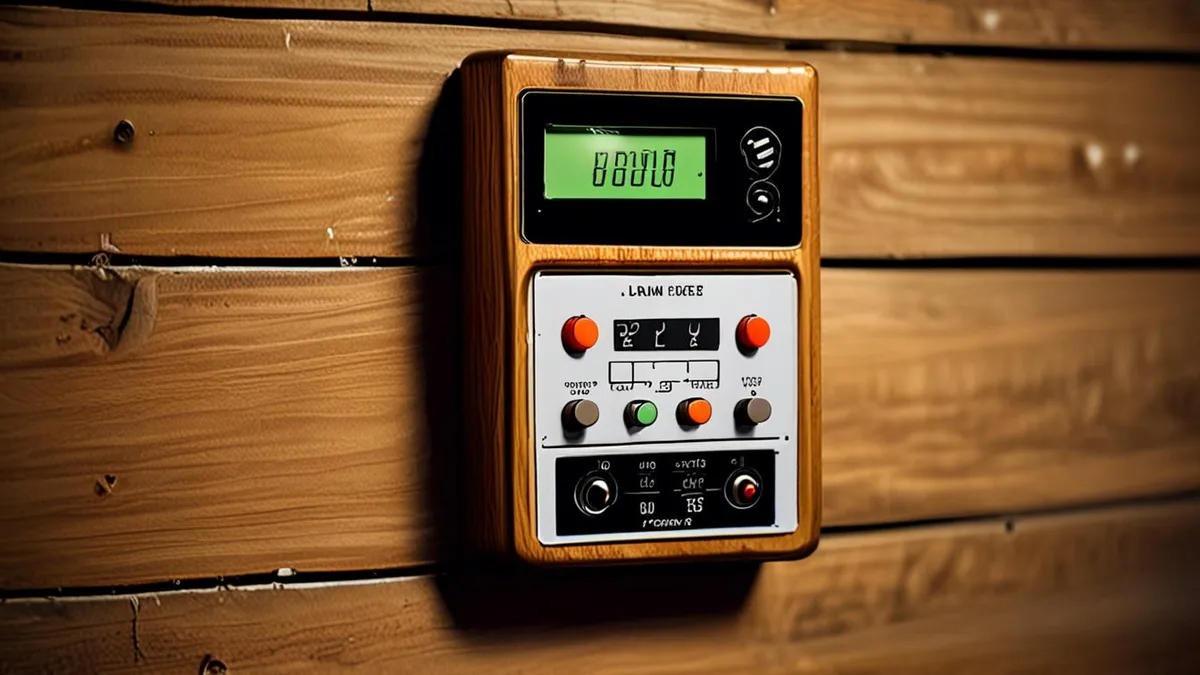
The measurement itself is straightforward. Your lodge has an electricity meter, usually a small digital display in a cupboard, utility area or near the entrance. Meters are typically read at check-in and check-out so the operator can calculate the difference. Some sites take a more hands-off approach: you may be asked to photograph the display when you arrive and send the picture through the operator’s app or by message, then repeat the process when you leave.
How the charges appear on your bill
Usage is billed per kilowatt-hour, commonly at 20p-40p per kWh depending on the operator. The charge is then either itemised on your final invoice or deducted from a deposit you paid when booking. Either way, you should be able to see the start reading, the end reading and the rate used. If an operator cannot or will not show you this breakdown, treat it as a warning sign and ask questions before you commit.
How Much Lodge Electricity Costs in Practice
So what does metered electricity add up to in real terms? For a typical week-long stay in a lodge without a hot tub, expect usage of around 40-80 kWh. At the common rates of 20p-40p per kWh, that translates to roughly £10-£30 on top of your booking. For most travelers, it is a modest extra rather than a nasty shock, but it is still worth knowing before you arrive.
If you want a broader picture of where lodge extras come from, our guide to what you pay beyond the headline rate breaks down the full range of possible charges.
Why the season matters
Winter stays can use 30-50% more electricity than summer stays. Heating works harder, lights are on for longer and the shorter daylight hours mean you are indoors with everything switched on for more of the day. If you are booking a January or February break, budget toward the upper end of the range rather than the lower one.
Short weekend breaks come with their own quirk. Many operators apply a minimum charge, so even if you barely use any electricity, you may still pay a fixed floor fee. This exists because the operator needs to cover fixed costs regardless of usage. Before booking a two or three night stay, check whether such a fee applies and how much it is, so you are not caught out by paying more than your actual usage would suggest.
Hot Tubs and Other Big Power Drains
If your lodge has a hot tub, that single feature will dominate your electricity bill. Hot tubs use 15-25 kWh per day when kept heated throughout a stay, which makes them the biggest cost driver by a wide margin. Everything else in the lodge, from lighting to cooking, plays second fiddle to the tub’s heater.
What does that mean in pounds? Keeping the tub hot all week can add £20-£50 on its own, depending on the rate you are charged and how well the tub holds its temperature. That is why it pays to ask whether the tub is preheated before you arrive or heated on demand when you want it. A preheated tub is ready the moment you check in, but it has been quietly running up the meter before you even arrived. For more on this, see our guide to what to check before booking a lodge with a hot tub.
The other power hungry appliances
After the tub, the next largest consumers are usually electric panel heaters, towel rails and drying cabinets. Panel heaters are convenient and respond quickly, but running several at once across a large lodge adds up fast. Towel rails are easy to forget about, often humming away all day for a single evening use. Drying cabinets and tumble dryers are handy after a wet walk, but they are among the most expensive appliances per hour of use.
None of this means you should go without. It simply means these appliances deserve a moment of thought before you switch them on and leave them running. A little awareness here can trim a noticeable amount off your final reading.
Deposits, Prepayments and How You Pay
Most lodge operators handle metered electricity with a simple prepayment or deposit taken when you arrive. The money is not an extra charge; it is a hold against the electricity you actually use. Once the final meter reading has been recorded at departure, the balance is refunded to you. If your usage comes in above the deposit, you will simply be asked to cover the difference, usually by card over the phone or through the operator’s app.
Some sites work differently, using prepayment keys or cards that you top up on site. If that is the system at your lodge, budget for a trip to reception during your stay, ideally early in the week so you are not caught short on a Sunday evening when the office is busy or closed. Ask at booking which system applies so you know what to expect and can plan around it.
Getting a Clear Final Bill
Whatever the payment method, always ask for an itemised statement before you leave. It should show three things: the start reading taken when you arrived, the end reading at departure, and the rate per kWh you were charged. With those numbers you can check the maths yourself in a minute, and if anything looks off, it is far easier to raise it while you are still on site than after you have driven home.
Keep a quick photo of the meter display when you arrive as well. Meter readings are usually taken at check-in and check-out, or sent by photo via the operator’s app, so having your own record makes any dispute straightforward.
If you want to understand how deposits fit into the wider arrival process, our guide to how lodge check-in works, from keys and deposits to arrival times walks through the whole sequence step by step.
How to Cut Your Lodge Electricity Costs
The good news is that metered electricity rewards small habits quickly. Because you are billed per kWh, every hour a heater or the hot tub sits idle is money back in your pocket. A week-long stay typically lands around 40-80 kWh without a tub, so trimming the biggest consumers makes a visible dent in the final invoice. The savings are not theoretical either: cut an hour here and a full day of tub heating there, and you can often see the difference in the itemised statement you receive at check-out.
The three habits below target the appliances that actually move the needle. Everything else in a lodge, from the kettle to the TV, barely registers on a weekly bill, so there is little point rationing the microwave or switching off the router. Focus your effort where the wattage is.
- Heat the hot tub on demand. Rather than running it all week, ask reception to heat it for the specific evenings you plan to use it. Even two or three heated evenings instead of seven can cut a large chunk from a bill that otherwise climbs at 15-25 kWh per day.
- Use the induction hob or microwave. These heat food directly and finish in minutes, while an oven preheats for a quarter of an hour and then runs at high wattage for the whole cook. Quick stir-fries, pasta and reheated leftovers are the cheapest meals in the lodge.
- Manage panel heaters room by room. Switch off the bedroom heaters during the day when nobody is in there, and close curtains as soon as it gets dark to trap the day’s warmth. Cold-weather visits push heating and lighting use well above summer levels, so these small habits count for even more between autumn and spring.
None of these require any sacrifice beyond a little planning. Do them together and a stay that might otherwise creep toward the top of the expected range can settle comfortably in the middle of it, leaving more of your budget for the next trip.
Questions to Ask Before You Book
The single most useful phone call or email you can make before booking is the one that pins down exactly how electricity is charged. Operators differ widely on this: some bundle everything into the headline rate, others meter it separately at anywhere from 20p-40p per kWh. Getting a straight answer now prevents an awkward conversation at check-out.
Go beyond yes-or-no questions and ask for real numbers. A good operator will happily estimate what a lodge like yours typically uses in your season, and will flag the hot tub separately if you have one, since it can draw 15-25 kWh per day on its own.
- Ask about seasonal variation. If you are booking a winter break, ask whether heating pushes typical usage up and by roughly how much, so you can compare quotes between operators on a like-for-like basis.
- Ask whether the hot tub is preheated or heated on demand. A tub kept hot from arrival to departure costs noticeably more than one heated only for the evenings you request it, and some operators let you choose.
- Ask about the minimum charge on short stays. Weekend breaks sometimes attract a fixed floor fee regardless of usage, which changes whether metering matters for your trip at all.
- Ask how the deposit is collected. Find out whether it is a hold on your card, a separate payment, or a prepayment key you top up, and whether it is taken at booking or at check-in.
Finally, confirm the mechanics of the final reading: when it happens, whether you photograph the meter yourself through the operator’s app or wait for staff, and how long refunds typically take to appear back on your card. These details vary more between operators than the rates do, and they determine how smoothly your departure goes.
The Bottom Line on Metered Lodge Bills
So what does metered electricity actually add to that tempting headline rate? For most lodge stays, the answer is modest: a typical week adds around £10-£30 to your bill at 20p-40p per kWh. When a hot tub is running throughout your stay, though, that figure could double, since tubs are the single biggest power drain on the site.
On top of the usage itself, most operators hold a deposit or prepayment of £20-£50, which is refunded once the final reading is taken at check-out. The simplest way to avoid any surprises is to ask about rates, typical usage for your season and lodge size, and the deposit terms before you book. A two-minute question at booking time removes all the guesswork from your final invoice. If this guide helped you budget for your next lodge break, leave a comment or share it with a fellow traveler.