You’ve found a lodge at a tempting nightly rate, run the numbers in your head, and clicked book. Then the checkout page loads, and the total is suddenly a hundred euros higher. Cleaning fees, linen hire, deposits and optional extras are where lodge break costs really live, and most travelers only discover them at the last moment.
This guide breaks down every charge you’re likely to face, starting with what the nightly rate actually covers and ending with a full picture of your real total before you book. We’ll look at the fixed fees that appear at checkout, the optional extras that quietly inflate the bill, and how stay length and booking timing change what you pay. We’ll also compare costs by lodge type and destination, so you can budget with confidence instead of surprises.
What the Nightly Rate Actually Covers
The advertised nightly rate for a lodge break typically ranges from around €60 for budget options to €250 and beyond for luxury properties. That figure covers the accommodation itself: the lodge, its bedrooms, and your exclusive use of the space for the night. It’s the number that draws you in, and it’s also the number that most often misleads, because it’s rarely the full cost of your stay.
The good news is that the base rate is more generous than it first appears. Utilities such as electricity, heating and water are typically included, along with Wi-Fi and basic kitchen equipment, so you won’t face separate charges for keeping the lights on or cooking a meal. In most lodges, you can arrive, cook dinner and stream a film without thinking about extra consumption charges.
Why the same lodge costs different amounts
Where rates vary sharply is by season. Stays in January through March and October through November are typically 30–40% cheaper than peak dates, sometimes for the identical lodge with the identical facilities. A summer weekend that costs €200 a night might drop well below that on a midweek date in early spring.
That seasonal swing matters when you’re comparing lodges, because two properties with very different headline rates can converge once you look at the dates you actually want to travel. Always check the rate for your specific dates rather than the lowest figure shown on the listing.
Fixed Fees That Appear at Checkout
Fixed fees are the charges that appear at checkout regardless of how long you stay, and they’re the single biggest reason a short lodge break costs more than the nightly rate suggests. The most common is a cleaning fee, which typically adds €30–€100 per stay. Whether you book one night or seven, the lodge still needs to be professionally turned over between guests, so operators pass that cost on as a flat charge rather than folding it into the nightly rate.
The effect is most punishing on short breaks. On a two-night stay, even a mid-range cleaning fee can add a significant amount per night to your effective rate, which can push a lodge that looked cheap well above a hotel alternative. On a week-long stay, the same fee spreads thin and barely registers. If you’re torn between two lengths of stay, divide the cleaning fee by the number of nights to see its real impact.
- Linen and towel hire: If bedding isn’t included in the rate, expect to pay roughly €10–€25 per person. Some lodges include it by default; others charge it as an add-on you only spot in the fine print, so check the “what’s included” section of the listing before booking.
- Security deposits: Many lodges hold a deposit, commonly in the €200–€500 range, against damage or excessive cleaning needs. It’s refunded after an inspection once you check out, but it’s still money that leaves your account (or is pre-authorized on your card) during your trip, so factor it into your cash flow.
None of these fees are hidden in a sinister sense, but they’re easy to miss when you’re comparing nightly rates across a dozen listings. Two lodges with identical nightly rates can end up tens of euros apart once linen, deposits and cleaning charges are counted. The checkout total is the only number that matters.
Optional Extras That Inflate Lodge Break Costs
Beyond the fixed fees, most lodges offer a menu of optional extras, and these are where lodge break costs can quietly balloon. Some are genuinely worth it: a private hot tub on a cold evening is often the reason you chose a lodge over a hotel in the first place. But each add-on has a price, and a few of them together can add a meaningful chunk to your final bill.
Hot tub or sauna access is the classic example, typically adding €50–€150 per week depending on the lodge and whether the facility is private or shared. At some properties it’s included in the rate; at others it’s an optional extra you select at booking or pay for on arrival. Pet fees are similarly widespread, usually running €20–€50 per pet per stay at lodges that welcome animals.
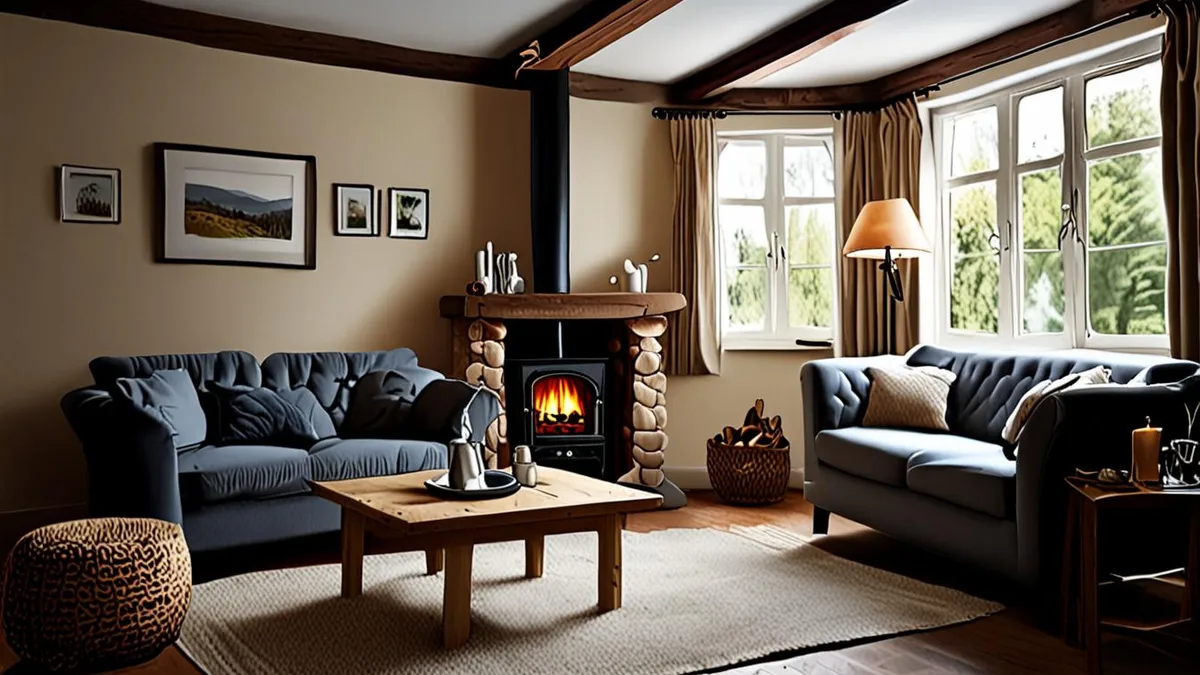
- Firewood: Lodges with wood-burning stoves often provide a starter bundle, then charge for additional logs. If you’re visiting in colder months and plan to keep the fire going all evening, buying a couple of extra bundles locally can work out cheaper than the lodge’s per-basket rate.
- Late checkout: Want to linger until mid-afternoon on your last day? Many lodges charge a fee for a late checkout, and availability often depends on whether another guest arrives that day. It’s sometimes cheaper to simply book an extra night if the rate is low.
- Cot hire: Traveling with a baby or toddler? Cots and high chairs are frequently available but charged as a small per-stay or per-night add-on, and they usually need to be requested in advance rather than provided automatically.
Before you book, scan the extras list and decide which ones you’ll actually use. Skipping the ones you don’t need is the easiest saving on the whole booking.
How Stay Length Changes the Per-Night Price
Stay length has a bigger effect on your final bill than most travelers realize. The nightly rate is only half the story, because fixed fees get spread across however many nights you book. That per-stay cleaning charge you see at checkout? It costs exactly the same whether you stay two nights or ten.
On a short two-night break, that fixed fee can easily double your effective per-night cost. A lodge that looks like a bargain at €80 a night may actually work out far higher once the cleaning charge is divided over just two nights. Stretch the same booking to four or five nights, and the fee shrinks to a minor line item on your bill. The longer you stay, the smaller that fixed cost feels on a per-night basis.
Why weekly stays often cost less per night
Many lodge operators reward longer bookings with discounted rates, and weekly stays frequently unlock per-night savings compared to the standard nightly price. Combine that with the cleaning fee spread over seven nights instead of two, and the math quickly tilts in favor of the longer break. If your schedule allows even one extra night, it can noticeably lower your average cost — and give you a genuinely restorative trip rather than a rushed one.
Timing within the week matters too. Midweek arrivals are usually cheaper than Friday–Sunday slots, when demand from weekenders pushes prices up. Shifting your check-in to a Monday or Tuesday often means a lower rate and a quieter lodge, with the same amenities and views. If you have flexible dates, compare a midweek two-night stay against a weekend one before committing — the difference can be substantial.
When to Book for the Best Total Price
When you book matters almost as much as where you book. Lodge pricing follows demand, and the same cabin can vary widely in total cost depending on how far ahead you commit.
Booking 3–6 months ahead usually secures the best rates. At that point, operators still have wide availability and price competitively to fill the calendar. As dates fill up, especially for popular sizes and layouts, the remaining inventory tends to be the more expensive options.
Off-peak windows worth targeting
If your dates are flexible, aim for the quieter stretches of the year. Stays in January–March and October–November typically cost noticeably less than peak-season equivalents, often with identical lodges and amenities. Add the fact that these windows are easier to book closer to departure, and off-peak travel becomes the simplest way to cut your total. A hot tub feels just as good in October as it does in July.
Last-minute deals do exist, and flexible travelers can sometimes grab a discounted cancellation. But treat this as a bonus, not a strategy. Popular lodge regions sell out in summer and during winter peaks, and waiting until the final weeks often leaves you with slim pickings at full price. If you have your heart set on a specific area or a lodge with a hot tub, book early rather than gambling on a late discount.
One more tip: check cancellation terms before you commit so an early booking doesn’t leave you exposed if plans change. Some operators offer flexible or free-cancellation rates for a small premium, which can make locking in a good price months ahead far less risky.
Budgeting by Lodge Type and Destination
Lodge break costs vary enormously depending on where you go and what standard of lodge you choose. Knowing the typical price bands by destination helps you set a realistic budget before you fall in love with a listing. A cabin in the Spanish countryside and a fjord-view lodge in Norway can sit at completely opposite ends of the scale, even if the photos look similar.
Budget lodges: low base rates, familiar extras
Budget lodges in the UK and Spain keep base rates at the very bottom of the market, which makes them some of the most affordable options in Europe. Don’t be fooled into thinking the sticker price is the whole story, though. A cleaning fee is still added on top, and on a short stay it can shift the effective per-night cost considerably. Budget lodges also tend to charge separately for extras like linen hire, so read the fee breakdown carefully before comparing them against pricier options. What looks like a bargain at first glance can creep closer to mid-range pricing once the add-ons are counted.
Luxury lodges: higher rates, fewer surprises
At the other end, luxury lodges in Slovakia and Slovenia sit at the top of the scale. The upside is that more extras are usually bundled in — things like linen, towels and sometimes hot tub access come as standard rather than appearing as add-ons at checkout. When you compare totals rather than nightly rates, the gap between budget and luxury is often narrower than it first appears.
Destination matters as much as lodge type. Coastal and fjord lodges in Norway command peak-season premiums, thanks to limited supply and strong demand for the scenery. If the fjords are on your wishlist, it helps to plan ahead — our guide to Norway fjord lodges with the best views covers where to base yourself and what to expect. Wherever you look, always compare the full quoted total, not the headline nightly rate.
The Full Picture Before You Book
That tempting nightly rate is only the starting point of lodge break costs. Once you add cleaning fees, linen hire, a held deposit and a few extras, the final bill can easily be €100 or more above what the listing promised for a short stay. Knowing this before you book turns an unpleasant checkout surprise into a budget you can plan around.
The good news is that you have real levers to pull. Traveling during quieter months cuts lodge totals by 30–40%, and longer stays help spread fixed charges like cleaning fees across more nights. Do the full math on the checkout page, not just the headline rate, and your lodge break will cost what you expected. If this guide helped you budget smarter, leave a comment or share it with a fellow traveler.