Choosing between lodges vs holiday parks can feel tricky when you want a break that matches your tolerance for noise and your expectations for facilities. The two stay types promise very different versions of both: one leans toward rural quiet and private space, the other toward shared complexes and lively evening entertainment that typically runs until around 10-11pm in peak season.
This guide compares them side by side. We look at what actually separates a lodge from a holiday park, how noise levels differ between evening shows and countryside calm, and what facilities you can expect, from shared pools and bars to private hot tubs. We also cover accommodation style and sleeping space, what each stay type really charges, and which one suits your kind of break, so you can book with confidence.
What Separates a Lodge from a Holiday Park
At first glance, lodges and holiday parks can look similar on a booking site: both offer cabin-style self-catering accommodation, both sleep families or couples, and both are often found in the same countryside regions. The difference lies less in the building and more in everything around it.
A lodge is usually a detached, self-contained cabin sitting on a small, quiet site. These sites tend to have few or no shared amenities beyond a reception, so the appeal comes from the lodge itself and its setting rather than anything the operator provides on site. A holiday park, by contrast, is a large resort built around shared facilities: pools, bars, shops, playgrounds and evening entertainment all sit within a short walk of your accommodation.
The core trade-off
That leads to the essential choice between the two. A lodge offers privacy and quiet, with your own four walls and little passing footfall. A park offers activities and atmosphere, with plenty happening around you from morning to night. Neither is better in absolute terms; they simply suit different kinds of break.
It helps to remember that both stay types are typically booked as self-catering, so you can cook for yourself either way. The real difference is the setting and what surrounds your accommodation: woodland calm on one side, a bustling resort-style site on the other. Once you frame it that way, deciding which fits your trip becomes much easier.
Noise: Evening Entertainment vs Rural Quiet
If your idea of a good evening is silence broken only by an owl, this section may decide the whole comparison for you. Holiday parks are built around their clubhouse, and most nights in peak season that means family discos, bingo, tribute acts and character shows running until around 10-11pm. The sound carries, especially if your caravan sits anywhere near the main complex.
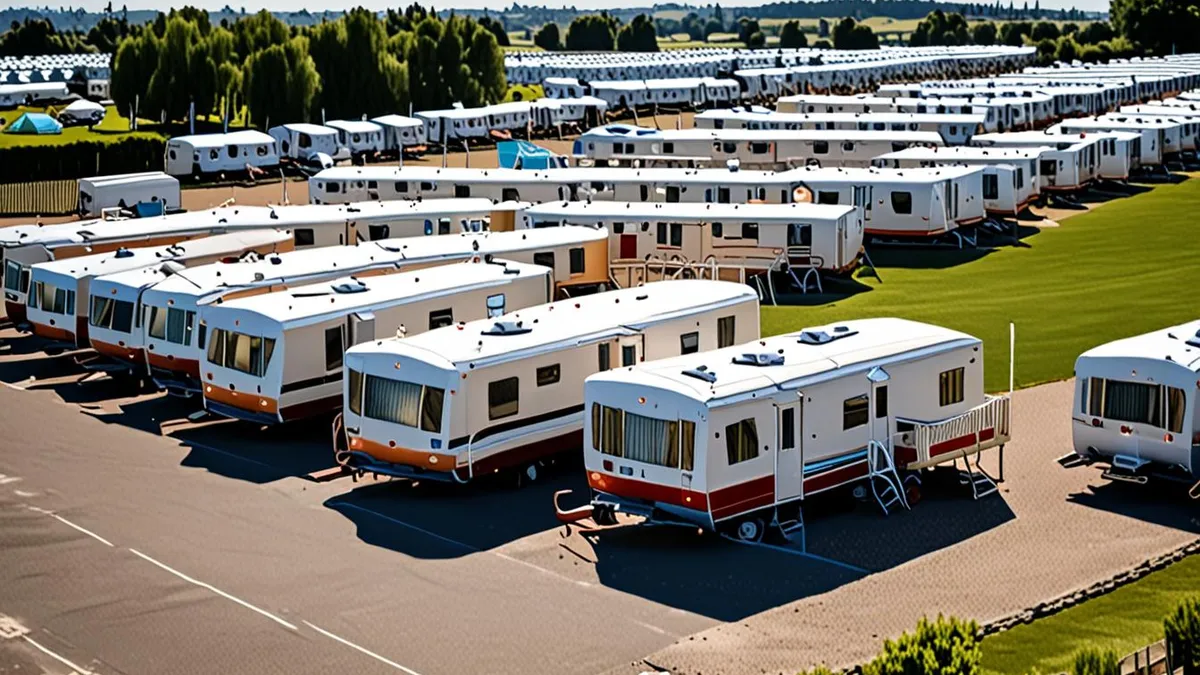
Entertainment is only half of it. With several hundred caravans packed onto one site and thin walls between units, you also hear the everyday noise of neighbors: doors slamming, children running past, groups chatting on verandas late into the night. Some families find this atmosphere part of the fun; others lie awake regretting their booking.
Lodge sites work differently. With only 20-40 units scattered through woodland or along a lakeshore, the loudest thing you’ll usually hear is birdsong, wind in the trees and perhaps a distant tractor. Detached buildings mean no shared walls, and most operators ask for quiet after around 10pm, often restricting music and outdoor noise altogether.
- Check the site map before you book a park pitch. Caravans closest to the clubhouse, pool complex and main entrance road take the brunt of foot traffic and music, so request a pitch at the quiet edge of the site.
- Ask about the direction your windows face. A veranda overlooking the playground sounds charming until early-morning play sessions start beneath your bedroom window.
- Midweek stays are usually calmer at parks. Weekend crowds bring fuller clubhouses and later nights, while midweek breaks often see entertainment scaled back.
- Lodge sites aren’t always silent. A neighboring lodge with a large group can still be audible across a deck, so if a peaceful celebration matters, read up on group policies before booking, or see how to plan a lodge holiday with teenagers for keeping older kids happy without disturbing the whole site.
Facilities: Shared Complexes vs Private Amenities
Facilities are where the two stay types diverge most clearly. Holiday parks pool everything into one complex: you’ll typically find indoor and outdoor pools, soft play areas, kids’ clubs, a bar, a takeaway and a small shop selling essentials like milk, bread and forgotten toothbrushes. On a rainy afternoon, that on-site bundle can rescue a family break without anyone getting in the car.
Lodges flip the model. Instead of sharing a complex, you get private amenities built into your unit: many lodge models come as standard with a hot tub, a deck with outdoor seating, a fire pit and a full kitchen with an oven, dishwasher and full-size fridge. If soaking in steaming water under the stars sounds like your kind of evening, it’s worth reading up on what to check before booking a lodge with a hot tub, because setup and cleaning schedules vary between operators.
The trade-off is that a lodge site may offer little more than a reception and a laundry room. There’s often no shop, no bar and no restaurant, so plan to drive to the nearest village for groceries, pub dinners and attractions. Check how far the nearest supermarket is before you book, especially for a week-long stay.
Who suits which? Families with young children tend to value the park’s drop-in activities, since kids can move from the pool to soft play to a craft session without much planning. Couples and groups of friends usually prefer the lodge’s private space, where the evening revolves around the deck and the hot tub rather than a busy clubhouse.
Before you pay, confirm exactly what your rate includes:
- Pool and leisure access: some parks include swimming in the base price, while others issue separate passes or charge per session, so ask at booking.
- Kids’ club sessions: many children’s activities must be pre-booked and some carry an extra fee, especially craft sessions and archery-style events.
- Hot tub availability: on lodge breaks, confirm the hot tub is filled, heated and ready for your arrival rather than an optional add-on.
- Shop and takeaway opening times: these are often limited outside peak season, so you may need to self-cater fully on quieter weeks.
- Linen and towels: lodge and park operators differ on whether these are provided or cost extra, and it’s an easy detail to overlook.
Accommodation Style and Sleeping Space
Most lodges are detached units with two to four bedrooms, sleeping between four and eight guests. Because they are built to a residential-style spec, you generally get full-height ceilings, double glazing and central heating as standard. That makes them feel closer to a small house than a holiday unit, which matters most on cooler evenings and for light sleepers.
Static caravans sleep a similar number of people, but they do it in tighter layouts. Beds tend to be narrower, corridors are squeeze-through width, and there is less sound insulation between rooms, so a child stirring in the next bedroom is more likely to wake the lightest sleeper in your party.
Layout Makes the Evenings Easier
Lodge floorplans usually separate the living space from the bedrooms, often with the bedrooms at one end and the kitchen and lounge at the other. This is a quiet win for parents: adults can talk, watch television or play cards after the children are asleep without tiptoeing around a room that doubles as a bedroom. In many static caravans, the lounge and some sleeping spaces share the same area, so someone is always compromising.
Before you book either type, compare the details that vary widely between models: actual bed sizes (a “double” can be small), how many sleeping spots come from a sofa bed, and how many bedrooms have an en-suite. If you want a deeper comparison of the two accommodation styles, this static caravan vs lodge breakdown of comfort and cost covers the differences in more detail.
Costs: What Each Stay Type Really Charges
Lodge weekly rates typically run from £600 to £2,000, while comparable holiday park caravan breaks range from £400 to £1,500. On the base rate alone, the park usually looks cheaper, and that is exactly why you should look past it. Both stay types jump by roughly 30-50% during July-August compared with off-peak, so moving your break to May, June or September is the single biggest saving available, often worth hundreds of pounds on the same unit.
The real difference is how each type charges you beyond the nightly rate. Park stays tend to layer compulsory and semi-compulsory extras onto the base price, while lodge costs skew towards things you actively choose to buy. That means two families can pay the same headline rate and spend very different totals over a week. Before booking, work through the likely extras for your trip:
- Entertainment passes: many parks charge per person or per break for access to the clubhouse, shows and evening entertainment, and these passes are often required rather than optional.
- Activity bookings: kids’ club sessions, archery, craft hours and pool sessions frequently need to be reserved and paid separately, and popular slots sell out early in peak season.
- On-site food and drink: takeaways, bars and family restaurants on a park are convenient but priced accordingly, and a week of meals out of your caravan budget adds up quickly.
- Lodge extras you control: fire pit logs, groceries for the full kitchen and day trips to nearby attractions are the main lodge costs, and you decide how much or how little to spend on each.
Budget for the whole trip, not just the nightly rate. A cheaper park base rate can be steadily eroded by passes, activities and on-site spending, while a lodge’s higher rate often comes with fewer charges waiting at checkout.
Lodges vs Holiday Parks: Which Should You Book
By this point the trade-off is fairly clear, but the right answer depends on who is traveling and what you want your evenings to sound like. A lodge suits anyone who wants quiet nights, a private hot tub and a base for exploring countryside, lakes or dark-sky spots where the stars are the entertainment. A holiday park suits anyone who wants children entertained on site, a pool within walking distance and a lively social atmosphere without getting in the car.
Group makeup sharpens the choice further. Couples’ breaks, celebrations and groups who plan to cook and socialise in their own space are natural lodge bookings, since the private deck, hot tub and open-plan living area do the hosting for you. Short family trips in peak season are natural park bookings, when you want everything in one place and minimal driving between meals, pools and play areas. Some specific situations to weigh up:
- Toddlers and early risers: a park’s drop-in soft play and morning sessions fill the hours before nap time without any planning, which lodge sites rarely match.
- Birthday and anniversary trips: many lodge operators offer welcome packages, prosecco or decorations on request, making a celebration feel private rather than shared with a clubhouse.
- Dog-friendly breaks: woodland lodge sites usually offer direct walks from your door, while parks mean keeping pets away from play areas and entertainment zones.
- Rainy-day cover: a park’s indoor pool and soft play are a weather-proof fallback; a lodge relies on what you bring, so pack games and films if rain is forecast.
There is also a middle path worth hunting for: some small parks place quiet lodges at the edge of the site, giving you shared facilities such as the pool and bar with much reduced noise. If you cannot decide, that hybrid can give you the best of both stay types in one booking.
Making the Right Choice for Your Break
Ultimately, the decision hinges on the atmosphere you want after dark. Lodges come out ahead on noise, privacy and space: small sites of 20-40 units, detached buildings and quiet hours from around 10pm mean the loudest thing you’ll hear is likely birdsong. Holiday parks come out ahead on shared facilities and on-site entertainment, which typically runs until around 10-11pm in peak season, keeping children happy without you driving anywhere.
Cost matters too. Lodge weeks typically run £600-£2,000 against £400-£1,500 for park caravan breaks, with July-August the priciest window for both. Match the stay type to who is traveling, check the layout and bed sizes before booking, and your break should fit like a favorite pair of shoes. If this helped you decide, leave a comment or share the article with someone planning their own escape.