A lodge break with two families sounds idyllic in theory: shared meals, kids playing together, evenings by the fire while the children are finally asleep. Then reality arrives. Someone ends up in the box room next to the boiler, one family quietly realises they’re paying more per head than the other, and there’s a queue outside the bathroom every morning while the kettle goes unwatched. The difference between a brilliant shared holiday and a stressful one usually comes down to planning.
This guide walks you through the whole process, from choosing a lodge that genuinely fits two families to agreeing house rules before you arrive. We’ll cover when to book and what large lodges typically cost, how to split the bill without resentment, ways to cook for eight or more without losing your mind, and how to pick a location that works for both households. Follow it, and you’ll come home planning the next trip rather than avoiding each other.
Choosing a Lodge That Genuinely Fits Two Families
The single biggest mistake families make is booking a lodge that technically sleeps ten but doesn’t actually work for ten. A three-bedroom lodge with two doubles and a room of six single mattresses crammed together might fit your group on paper, but it won’t give either family privacy by day three. Look for lodges sleeping 8-10 where the bedrooms sit in two clearly separate wings, so each family effectively has its own end of the lodge rather than a row of doors along one corridor.
Bathrooms matter more than you think
With eight or more people in one building, bathroom queues are where mornings fall apart. Aim for at least 2-3 bathrooms, and ideally one of them separate from the bedrooms so someone can wash up without waking sleeping children. If one bathroom serves all eight, expect the first day to set the tone for the week.
Check bed configurations carefully before you book. Two families of four usually need 2 doubles and 4 singles or pull-outs, so ask the operator exactly which rooms have what rather than relying on the total sleeping number. Kids who can’t share beds change your maths entirely, so confirm this in writing.
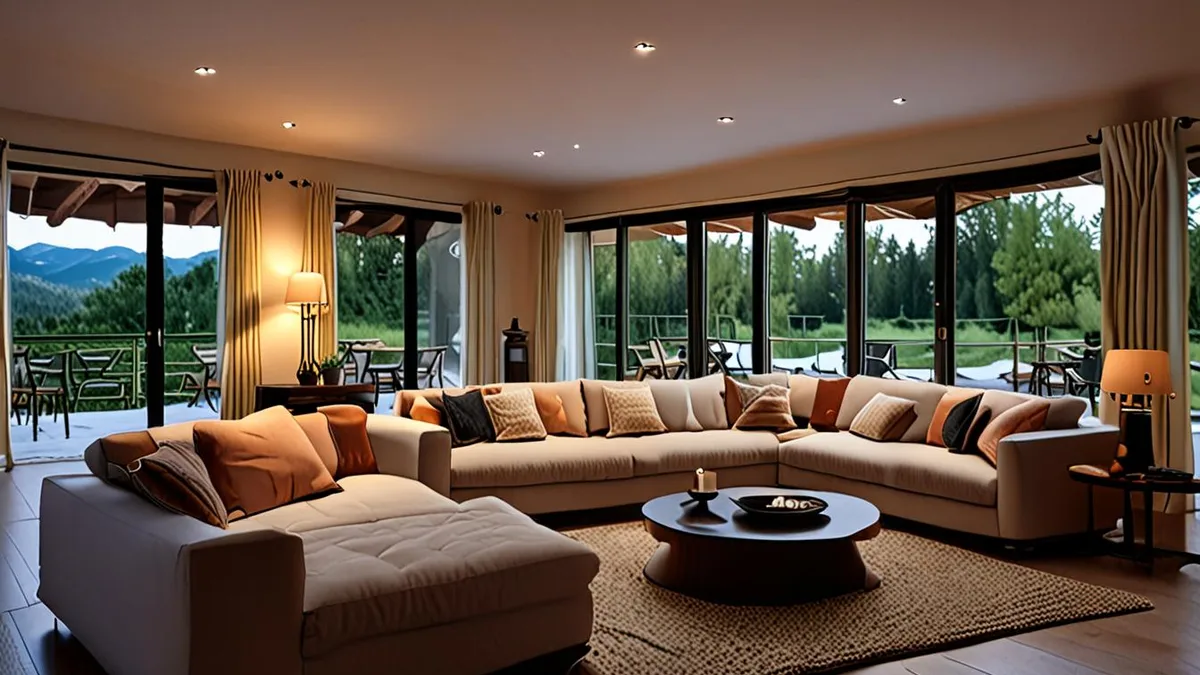
Finally, think about daytime space. A lodge with a second living area or a large kitchen-diner lets one family relax while the other cooks, and gives children somewhere to play out of earshot. Two sofas and one TV in a single open-plan room gets cramped fast with four adults and four kids.
When to Book and How Far Ahead to Plan
Timing is everything with large lodges. Properties sleeping 8-10 are the first to sell out, especially for summer and school holiday weeks, so book 9-12 months ahead if you want peak-season dates. That sounds early, but it also gives both families plenty of notice to sort work, school and pet arrangements around the trip.
Before you enquire, agree dates with both families and settle on a decision-maker. Booking in one transaction avoids the awkward scenario where one family reserves the lodge and the other’s plans shift, leaving someone out of pocket. One person should handle the enquiry, deposit and balance, then collect from the other family.
What large lodges actually cost
Peak-season weeks for 8-10 guests typically run £1,500-£3,500 for the week, so expect a substantial upfront payment whichever family fronts it. Check what the price includes before you commit, as extras like bed linen, towels and hot tub use sometimes carry separate charges.
If peak prices make your eyes water, look at off-peak dates in January-March or November. These weeks can cost 40-50% less, which makes a real difference when the bill is split two ways, and quieter sites often feel more relaxed too. To weigh up whether a lodge break stacks up against cottages or cabins, it helps to compare the costs and alternatives for lodge holidays before committing either way. Whatever dates you pick, confirm the current price directly with the operator, as rates change from season to season.
Splitting the Cost Fairly Between Two Families
Money is where two-family trips quietly go wrong, so agree the split before anyone pays a deposit. The simplest rule is to divide the total per family rather than per person, even if one family has more children. Counting heads leads to fiddly sums and the odd feeling that someone is being charged for being four years old. Equal halves keep things clean, and the family with fewer kids can always offer a generous gesture elsewhere.
Set up a shared kitty of roughly £30-£50 per family per day for group food and drink, then top it up or settle it at the end of the week. One person usually ends up doing most of the supermarket runs, so use a bill-splitting app to log shared purchases and fuel as you go, rather than trying to reconstruct the whole week from a shoebox of receipts afterwards.
Budgeting just for the nightly rate is a common trap. Before you fix the kitty, take a look at what you actually pay beyond the advertised lodge rate, because extras can add up quickly. A few to discuss upfront:
- Hot tub use: some operators charge for heating or extra clean-downs, so check whether it’s included and split any fee between both families from the start.
- Firewood and logs: lodges with log burners often sell baskets on site, and eight people burn through them quickly in winter, so agree who buys the first load.
- Activities and days out: decide whether families pay for their own excursions or pool money for group trips like boat hire or a theme park visit.
- Damage deposits: many lodges take a refundable bond covering the whole group, so agree in advance how any deductions would be shared.
Twenty minutes of money talk before arrival prevents a week of awkward glances at the spreadsheet later.
Sharing the Kitchen and Cooking for Eight or More
Cooking for eight or more people sounds daunting, but it becomes genuinely easy once you stop treating dinner as eight separate meals. The trick is planning around big shared dishes and doing the shopping as a group before you even set off. We’ve found that a little structure upfront saves a lot of squabbling later, especially once everyone has settled in and the kids are hungry at slightly different times. Here’s how we make it work.
- Plan around 2-3 big one-pot dishes. Think chilli, curry, pasta bakes or a tray of roasted sausages with potatoes. One large pot feeds everyone, creates far less washing up, and means you’re not juggling four pans while eight hungry kids circle the kitchen. Batch-cooking a big dish on your cooking night also gives you an easy lunch the next day, which is one less thing to think about.
- Do one or two large group supermarket shops. Agree a rough menu before you travel, then send one or two people on a single big shop rather than having everyone buy separately. You’ll avoid duplicate milk, wasted leftovers and the awkwardness of four families’ food fighting for space. A shared food kitty of £30-£50 per family per day covers most group meals, so budget with that in mind when you plan the menu.
- Give each family one cooking night and one night off. A simple rota means nobody cooks more than a couple of times all week, and each family gets at least one evening to put their feet up while someone else handles dinner. Write the rota on the fridge when you arrive so nobody has to remember whose turn it is.
- Check the kitchen can actually cope. Before you rely on group cooking, confirm the lodge has two fridge shelves free for your shared shop and a dishwasher to handle the aftermath. If you’re unsure what to look for, our guide to lodge kitchen facilities and what they really offer covers it in detail.
Get this right and mealtimes become one of the best parts of the trip rather than a nightly scramble. A big table, a shared dish and no one stuck on washing-up duty alone is exactly what a two-family break should feel like. Plan the food half as carefully as the lodge itself and you’ll spend your evenings talking at the table instead of queuing at the oven.
Keeping the Peace: House Rules and Downtime
Even the closest families need a few ground rules when sharing a lodge for a week. The good news is that a ten-minute conversation before you arrive prevents almost every friction point. Agree the basics while everyone is still relaxed at home, not mid-argument over whose turn it is to empty the bin.
Quiet hours are the first thing to settle. Most groups land on roughly 9-10pm as the cut-off for loud music, films and kitchen clatter, and it matters even more in lodges with thin internal walls or where the hot tub has a curfew. Kids falling asleep to a party next door is a fast route to grumpy mornings all round.
Chores without resentment
Nothing sours a shared week faster than one family quietly doing all the work. Rota the dishwasher, the bins and the hot tub cover so the jobs rotate evenly and no one feels like unpaid staff. A simple chart on the fridge works better than vague promises, especially with older kids who can take a turn too.
Build in breathing space
Plan separate afternoons into the week: one family heads out for a walk while the other stays in, then swap the next day. It sounds small, but having the lodge to yourselves for a few hours is genuinely restorative. For wet days, give the kids a shared games plan — puzzles, cards, a film rota — so the adults actually get a break instead of refereeing boredom all afternoon.
Picking a Location That Works for Both Families
The right location can make or break a two-family lodge break, because both households need to be happy with what’s on the doorstep. Start by talking honestly about what each family wants from the week — beach days, quiet evenings, space for the kids to run — and pick a setting that serves both.
Coastal, woodland or lakeside?
Coastal lodges suit mixed-age groups brilliantly, especially when beaches sit within a 10-15 minute drive. Sandcastles for the little ones, rock pooling for the middles and a bracing walk for the adults mean one location keeps everyone occupied. Woodland and lakeside sites work better if both families want quiet evenings and proper outdoor space — think evening walks, wildlife spotting and dark skies rather than seaside bustle.
Think about the drive
Check drive times from both families’ homes before you commit. If one household faces a five-hour solo journey while the other arrives in ninety minutes, resentment builds before the kettle has even boiled. Meeting somewhere genuinely in between, or agreeing to share the driving, keeps the trip fair from the very first mile.
Finally, look for sites with on-site trails or play areas. Kids who can burn off energy on a woodland path or a playground without anyone getting in the car make the whole week easier — and give the adults a chance to sit with a coffee while they do it.
Your Two-Family Lodge Break Checklist
Sharing a lodge with another family can be brilliant or miserable, and the difference usually comes down to decisions made before you arrive. Pick a lodge built for groups rather than making do, agree the practical stuff early, and most friction disappears before it starts.
The money side is easier than most people fear. Get your dates booked well in advance for peak weeks, when large lodges cost £1,500-£3,500 for the week, or trim that significantly by traveling off-peak. Split the total per family rather than per person, keep a shared kitty for group food and drink, and write down who covers extras like firewood or activities so nobody is left guessing.
Agree a few house rules too: quiet hours, a rota for bins and the dishwasher, and planned afternoons where one family takes the kids out while the other gets downtime. Finally, choose a location that genuinely suits both households, whether that’s a coastal site with beach days nearby or woodland quiet for evenings in. Sort these details out and you’ll head home already comparing calendars for the next trip. If this helped, leave a comment or share the article with the other family.