Wales looks perfect for a glamping trip on paper: dramatic mountains, a long and wild coastline, and dark skies that actually let you see the stars. But that variety creates a real problem for travelers. Should you base yourself in Snowdonia, on the Pembrokeshire coast, or in the quiet valleys of the Brecon Beacons? And when should you go, given that Welsh weather can change its mind in a single afternoon?
This guide to glamping in Wales breaks the decision down into clear, practical parts. We compare the main regions and what each does best, explain how the seasons change both prices and the experience, and cover what to expect from a stay and how to book it. You will finish with a short plan you can act on: the right region for your trip, the right months for your budget, and a realistic idea of what a night under canvas (or under a dome) will cost.
Why Wales Works for Glamping
Wales is a compact country, and that is its biggest advantage for glamping. Snowdonia, the Pembrokeshire coast and the Brecon Beacons all sit within roughly 3–4 hours’ drive of each other, which means you can plan a single trip that combines mountains, sea and dark-sky valleys without spending your whole holiday on the road. Few destinations of this size pack in so much varied scenery.
The scenery itself is the second reason Wales stands out. It has three national parks, around 870 miles of coastline, and areas with official Dark Sky status where light pollution is low enough for serious stargazing. Put simply, the backdrop to your tent or dome is scenery few glamping destinations can match, whether you wake up to a mountain valley or fall asleep under a sky full of stars.
What kind of stay can you book?
The range of accommodation is genuinely broad. Safari tents, geodesic domes, treehouses and cabins are all common, and they span everything from working farm sites where you can collect eggs in the morning to remote hideaways where the nearest neighbor is a hillside of sheep. That variety matters, because it means glamping in Wales works for families who want space and facilities as well as couples looking for a secluded hot tub and a view.
It also means prices and comfort levels vary a lot between stays, so it pays to know which region suits your trip and which season you are booking for. The sections that follow break both down.
Snowdonia and North Wales: Mountain Country
North Wales is the region for mountain lovers. The obvious anchor is Yr Wyddfa (Snowdon), the UK’s highest peak south of Scotland at 1,085 m, and the glamping sites around it take full advantage of the setting. Expect geodesic domes and safari tents tucked into green valleys, often with the mountain visible straight from your deck.
Where to base yourself
The most practical bases are Betws-y-Coed, Beddgelert and the Llŷn Peninsula. Betws-y-Coed works well as a hub for trails and waterfalls, Beddgelert puts you close to the mountain’s southern routes, and the Llŷn Peninsula adds a coastal twist if you want beaches within reach of the hills. All three give you good access to Yr Wyddfa without needing to move accommodation mid-trip.
Choosing a base here follows the same logic as picking anywhere near a protected landscape, and it helps to read up on how to choose a base near a national park before you commit. Proximity to trailheads, shops and parking matters more in Snowdonia than in flatter regions.
What to expect on the ground
The terrain clearly suits hikers and adventure travelers, but there is a trade-off: narrow mountain roads mean longer drives to shops and restaurants than the map suggests. Stock up on supplies before heading into the valleys, and build extra time into any day trip.
Demand is another factor to plan around. Sites in this region book out 2–3 months ahead for summer, and the most popular domes and safari tents fill earliest. If you want a specific stay for a July or August weekend, treat booking as an early task rather than a last-minute one.
Pembrokeshire and the West Wales Coast
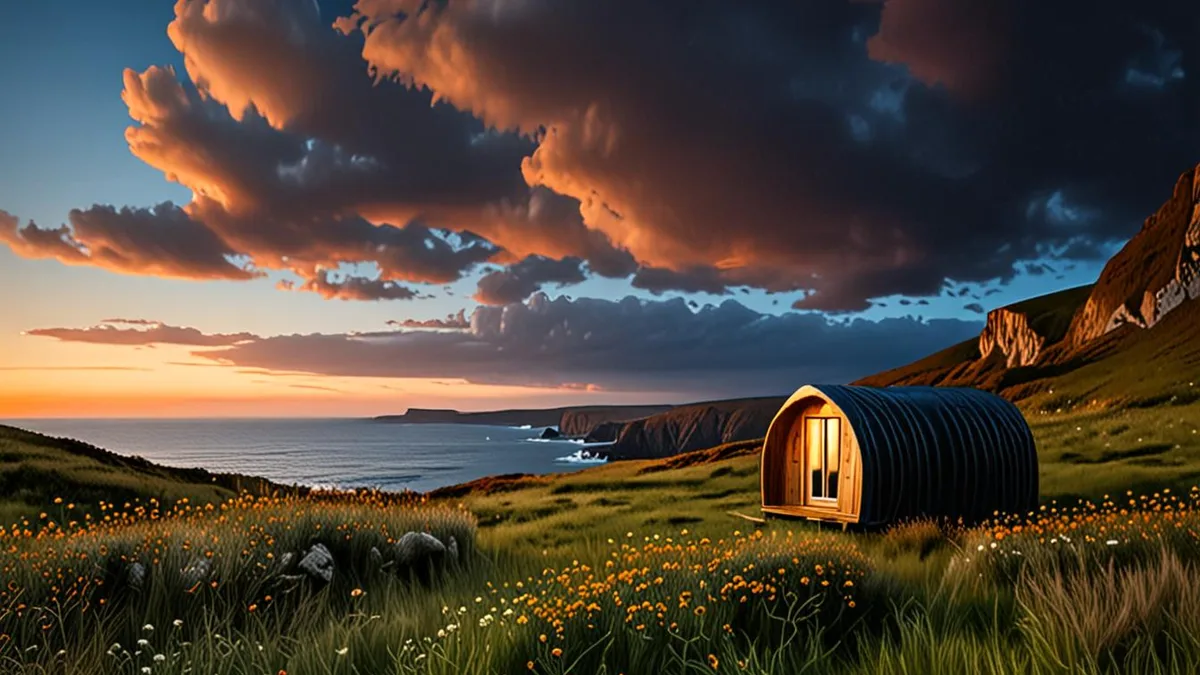
If your idea of glamping involves sandy bays, seaside towns and sea air, head to the southwest. Coastal pods and tents sit close to the 186-mile Pembrokeshire Coast Path, which hugs Wales’ southwestern shore, and the most practical bases are around St Davids, Tenby and Cardigan Bay. Each gives a different flavor: St Davids for a small cathedral city feel, Tenby for a classic walled seaside town, and Cardigan Bay for quieter stretches of coast.
The best region for mixed activity
This is the best region for combining beach days with other activities. Boat trips to Skomer Island run from the coast in season and are a highlight for anyone keen on wildlife, while the coast path itself offers short cliff-top walks that suit most fitness levels. Add in the sandy bays dotted along the shoreline, and you have a trip where every day can be different: a morning walk, an afternoon on the beach, an evening fish and chips in a harbor town.
Pack for the west coast weather
One honest warning: west-facing coasts catch more rain than the east of the country, so pack waterproofs even in July and August. A sunny forecast can turn showery within hours on this coast, and a wet-weather layer plus decent footwear will keep a damp morning from derailing a coastal walk. If you are traveling in the shoulder months, it is worth reviewing what to pack for a glamping trip in autumn, when rain becomes more likely and evenings cool down quickly. With the right kit, the coast stays enjoyable well beyond high summer, and you will share the path and the beaches with far fewer people.
Mid Wales and the Brecon Beacons: Dark Skies and Quiet Valleys
The Brecon Beacons, now widely known by its Welsh name Bannau Brycheiniog, holds International Dark Sky Reserve status, and that changes the whole rhythm of a glamping trip here. The prime window for stargazing stays runs from October to March, when nights are long and the skies above the park’s protected valleys can be genuinely spectacular. If seeing the Milky Way from your bed is the goal, plan your dates around those darker months.
Accommodation in the region reflects this. Domes with clear or stargazing panels are common, often paired with a private hot tub, and rates typically run £120–£250 per night. For a deeper look at what makes these stays special, see our guide to glamping under dark skies.
Even Quieter: Mid Wales
Head further north into Mid Wales and the crowds thin out even more. The Elan Valley and the surrounding Cambrian Mountains offer some of the emptiest landscapes in Britain, and with almost no light pollution, the skies here are among the darkest you will find anywhere in the country. Expect small, low-key sites, winding single-track roads and a real sense of getting away from it all. Stock up on supplies before you arrive, because shops and restaurants can be a long drive away.
Glamping in Wales by Season: When to Go
Timing shapes almost everything about a glamping trip in Wales, from what you will pay to whether you can actually get a booking. The country’s weather is famously changeable, so it pays to match your dates to what you want from the trip rather than chasing a perfect forecast that may never arrive.
May to September is the peak season. This is when the weather is at its warmest, every site is open, and the longest days give you time for both a mountain hike and a barbecue back at the tent. The trade-offs are the highest prices of the year and serious competition for weekend slots, so plan to book two to three months ahead.
The shoulder months of April to May and September to October are the sweet spot for many travelers. You get milder weather, noticeably lower rates and quieter sites, though rain becomes increasingly likely the further you move away from summer.
- Winter stays reward preparation: between November and March, many sites close or run reduced facilities, so confirm what is open before you commit.
- Hot tub and stargazing trips suit the cold months: long winter nights pair well with a woodburner and a soak outdoors, provided you pack proper layers.
- Wet and windy spells are common in winter: check your unit’s weather rating and ask the site owner how exposed it is before booking a dome or tent in the stormiest season.
- School holidays drive demand hardest: if you can travel midweek or outside those weeks, availability improves sharply even in summer.
What to Expect and How to Book
Let’s start with the obvious: rain is part of the deal anywhere in Wales. The country gets a lot of it each year, and the west-facing coasts and mountains are wetter still. That does not ruin a glamping trip, but it should shape how you book. Prioritize stays with solid, weatherproof bases rather than thin canvas, and look for covered decking or an indoor communal space so a wet afternoon does not mean huddling under a duvet all day.
Check What’s Actually Included
Glamping covers everything from a basic bell tent on a farm to a fully serviced cabin, and the gap matters. Before booking, check whether heating or a woodburner is provided, whether the beds are real ones with proper mattresses, and whether you get a private bathroom or shared facilities down the field. Budget-friendly stays often lack one or more of these, which is fine on a warm summer evening but less fun on a cold, damp night.
It also pays to read the site listing carefully for what is and is not included. Some operators supply bedding and towels as standard, while others charge extra or ask you to bring your own for smaller tents. Cooking setups vary too, from a full kitchen to a single fire pit, so think about how you plan to eat before you commit.
Finally, confirm minimum-stay rules before you book: many popular sites require two or three nights over summer weekends and school holidays, which can catch out anyone hoping for a quick one-night escape. Check the cancellation terms as well, since weather-related changes are easier to handle when you know your options in advance.
Wrapping Up Your Welsh Glamping Plan
Wales looks like a dream glamping destination on paper, but the mountains, the coast and the famously changeable weather can make it hard to know where to start. The simple fix is to match the region to the trip: Snowdonia for mountain hiking, Pembrokeshire for beach days and coastal walks, and the Brecon Beacons for dark skies and a hot tub under the stars. Once you know which landscape you want, the rest of the plan falls into place.
Timing matters as much as location. Aim for May to September for the warmest, driest conditions, or pick the shoulder months of April–May and September–October if you would rather share the site with fewer people and pay less. For summer weekends and school holidays, get your booking in 2–3 months ahead — domes and safari tents in the most popular areas go first. Whatever you choose, pack waterproofs even when the forecast looks kind, and check exactly what is included before you pay, from heating and real beds to a private bathroom. If this helped you plan your trip, leave a comment or share the article with a fellow traveler.