Most travelers pack away their camping gear the moment September arrives, assuming glamping season ends with summer. That assumption costs them money and some of the best nights of the year. Glamping in autumn often means lower rates, quieter sites and crisp evenings around the fire, as long as you pack for cooler nights and changeable weather.
This guide walks through why the shoulder season works so well, when to book and which structures handle autumn nights best. You will find a full packing list for staying warm and dry, a realistic budget breakdown, and practical tips for shorter days, rain and rural sites that scale back after summer. By the end, you will know exactly how to plan a cozy autumn escape instead of waiting until next summer.
Why Glamping in Autumn Beats the Summer Rush
The biggest surprise for first-timers is the price. Shoulder-season rates typically run 20-40% below peak summer prices for the same domes, yurts and safari tents. You are sleeping in the exact same unit, on the same site, for a noticeably smaller bill. That difference alone can turn a one-night splurge into a two-night trip.
Quieter sites change the whole experience, too. In summer, popular glamping sites can feel like a small village, with shared fire pits and kitchens in constant demand. In autumn, you often get more privacy, easier access to the fire pit, and photos without strangers in the background of every shot.
The scenery does the heavy lifting
Autumn is arguably the most photogenic season for a glamping trip. Fall foliage turns the surrounding hills gold and red, misty mornings roll across the fields while you sip coffee, and earlier sunsets mean campfire time starts right after dinner instead of late at night.
September especially offers a rare combination: daytime highs often still reach 18-22°C (64-72°F), so you get summer-like afternoons with proper autumn nights. Cool evenings make the wood stove or fire pit feel like a treat rather than a necessity, and many hosts agree this is when their sites look their best.
When to Go and How to Book Shoulder-Season Trips
Timing your trip matters more in autumn than in summer, because weather and availability both shift quickly. Aim for September if you want the mildest conditions, or October if peak foliage is the goal. November is best left to hardy travelers who genuinely enjoy cold nights and shorter days.
Booking windows also change. Many sites reduce capacity or close partially once October ends, so the best units go fast even though the sites themselves are quiet. Reserving 4-8 weeks ahead gives you the widest choice of domes, yurts and safari tents. If you are unsure what to look for in a site at all, this guide on how to choose the perfect glamping site for your first trip covers the fundamentals.
Midweek stays deserve special attention in autumn. They are much easier to book than summer weekends, and many operators offer further discounts on top of already reduced shoulder rates. Before you confirm anything, run through this quick checklist:
- Heating source: ask whether the unit has a wood stove, electric or gas heater, and whether firewood is included or sold on site, since heating matters far more than in summer.
- Insulation: canvas-only structures cool down fast after sunset, so confirm whether the unit is insulated or double-layered.
- Operating season: some hosts scale back facilities like showers, kitchens or reception after October, so check what will actually be open during your stay.
- Cancellation terms: autumn weather is less predictable than summer, so flexible booking terms give you a safety net if a storm rolls in.
A five-minute email to the host covering these points will save you from most unpleasant autumn surprises.
Choosing the Right Autumn Stay: Yurts, Domes and Safari Tents
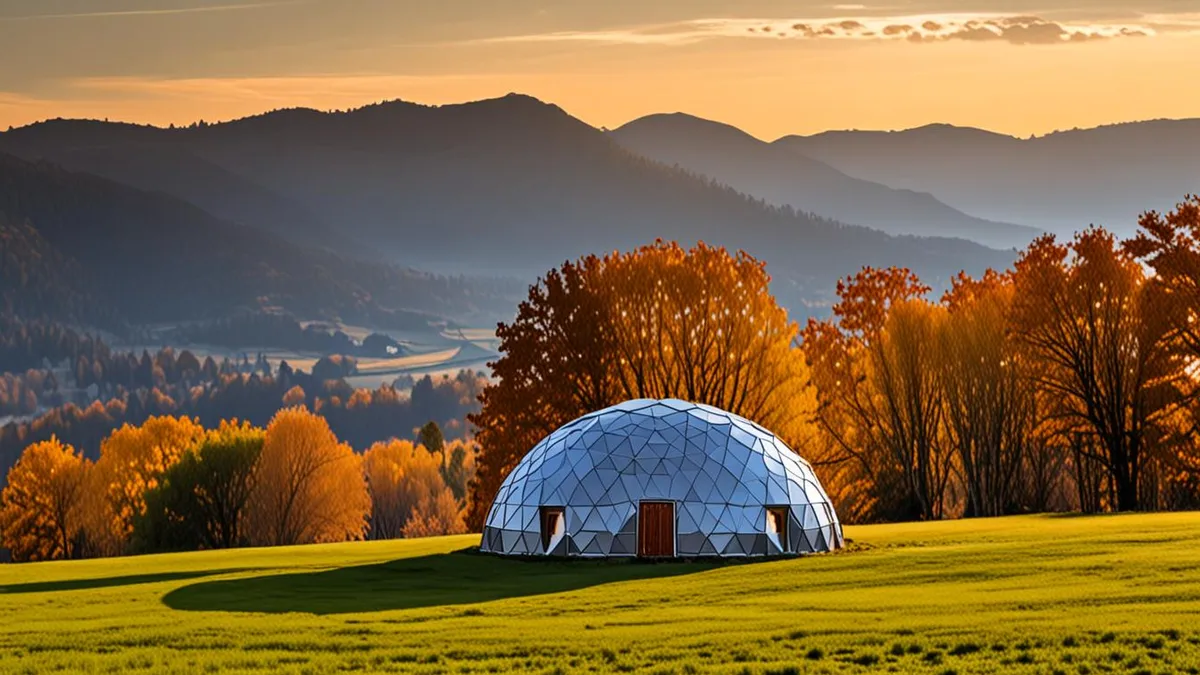
Not all glamping structures are equal once temperatures drop. Domes and yurts with solid or insulated walls and a wood stove handle cold nights far better than canvas-only safari tents. The thermal difference is obvious the moment you step inside: a heated dome or yurt holds warmth for hours, while a thin canvas tent loses it almost as fast as you generate it.
If you want a deeper comparison of how these structures differ in layout, insulation and year-round comfort, this breakdown of the key differences between yurts, domes and safari tents is a useful starting point before you book.
Ask the right questions before booking
Always ask whether the unit is winterised or seasonal. Some safari tent operators close entirely or downgrade their offering after September, meaning fewer amenities or no heating at all. A quick question up front tells you whether you are booking a genuine four-season stay or a summer tent with a heater bolted on.
For autumn trips, prioritize stays that offer three things: indoor heating, reliable hot water, and covered outdoor space. A porch, canopy or sheltered deck transforms rainy evenings, letting you sit outside with a drink without getting soaked. Hot water matters more than you might expect too, since a warm shower after a damp hike is half the appeal of a cozy autumn stay. If a host can tick all three boxes, cold nights become part of the charm rather than a problem to endure.
The Autumn Glamping Packing List: Staying Warm and Dry
Autumn glamping is won or lost on how you dress. The smartest approach is a three-layer system: a moisture-wicking base against your skin, an insulating fleece or wool mid-layer for warmth, and a waterproof outer shell to block wind and rain. Layers let you adjust through the day, because a crisp morning that calls for all three can turn mild by lunchtime.
Nights deserve special attention. Even when days feel pleasant, temperatures commonly fall to 5-10°C (41-50°F) after dark, so bring a sleeping bag rated to 15-20°C (59-68°F) and add a liner for extra insurance. A liner also keeps your bag cleaner when camp floors get muddy. For a fuller rundown of everything worth bringing, this complete glamping trip packing checklist covers the basics in detail.
Then there are the small items that make the biggest difference. Heat escapes fastest at your head and feet, so waterproof boots, thick wool socks, a beanie and gloves should go in before anything else. And remember that darkness arrives hours earlier than in midsummer, so a reliable light source is essential, not optional.
- Merino wool socks (at least three pairs): rotate them so a damp pair can dry overnight by the stove instead of going back on cold feet.
- Insulated slippers or camp shoes: useful for moving around inside the tent or dome where boots are impractical but floors stay cold.
- Headlamp with spare batteries: pick one with a red-light mode so you don’t blind fellow campers during early-evening trips to the fire pit.
- Thermal base layers for sleeping: a dedicated dry set worn only in the sleeping bag stays warmer than reusing daytime layers that have absorbed moisture.
- Lip balm and hand cream: cold air and wood-stove heating dry skin out quickly over a multi-night stay.
Budgeting for an Autumn Glamping Trip
Autumn is when glamping stops being a splurge. Because demand drops after the summer holidays, the very same domes, yurts and safari tents that command premium weekend prices in July and August become far more affordable from September onward. Midweek autumn nights are often the cheapest of the entire year, so if your schedule allows a Monday-to-Wednesday stay, you’ll usually pay noticeably less than weekend travelers do.
What makes autumn pricing genuinely interesting is what it enables. Because two or three nights may cost what a single peak weekend would, longer trips become realistic for the first time. A three-night midweek stay in October can cost roughly the same as one Saturday night in July, which changes how much you can actually see and do. Instead of rushing in and out, you can spread hikes, lazy mornings and campfire evenings across several days without stretching your budget.
Don’t Forget the Autumn Extras
A few costs matter more in autumn than in summer, and they’re worth building into your budget from the start. Firewood is the obvious one: if you’re relying on a wood stove or fire pit, you’ll burn through bundles faster on cold evenings, and on-site wood is usually pricier than bringing your own where rules allow. Some operators also charge heating deposits, particularly for units with electric heaters, so ask whether a refundable deposit applies and how it’s returned.
Minimum-stay requirements are another autumn quirk. With reduced capacity, some sites ask for two-night minimums even midweek, which can affect short trips. Finally, check whether heating is metered or included, since a flat daily fee is easier to budget than a surprise at checkout. None of these extras erase the savings; they just mean the real discount is slightly smaller than the sticker price suggests.
Autumn-Specific Tips for a Comfortable Stay
Autumn rewards campers who plan around the light. With darkness arriving hours earlier than in midsummer, the days compress quickly: hike and explore in the morning while you have full daylight, then save campfire time, board games and slow dinners for the early evenings. Treating sunset as the end of your activity day, rather than the middle of it, keeps everything relaxed instead of rushed.
Rain and mud are near-certain at some point in an autumn stay, so build your camp routine around them. Keep a towel dedicated to wet gear inside the tent or dome, and give muddy boots a designated spot by the door. A little discipline here keeps a dome livable for three nights instead of descending into damp chaos by night two.
Food storage matters more in autumn, too. As temperatures drop, rodents and wildlife actively seek shelter and easy meals near camps, so keep everything sealed in hard containers and never leave snacks out overnight, even inside your unit.
- Dry bags or ziplock bags by size: sort electronics, maps and spare clothing into separate bags so one leaky boot tray doesn’t soak your phone and socks at the same time.
- Spare shoes that stay in camp: keep one dry pair reserved for evenings only, so wet hiking boots never ruin your night.
- Cooler or hard-sided food box with a latch: a simple latch defeats curious raccoons and mice far better than a fabric bag left zipped.
- Printed or saved check-in instructions: some rural sites reduce staffing or services after summer, so confirm gate codes, road access and late-arrival procedures before you lose signal.
- A tarp or groundsheet for under footwear: a small covered patch by the entrance gives muddy boots somewhere to live without tracking soil into your sleeping area.
Final Thoughts on Glamping in Autumn
If you assumed the glamping season ends when summer does, autumn is here to change your mind. From September to November, the shoulder season combines lower prices, quieter sites and scenery at its peak, all without the crowds that can make summer trips feel like a queue. The catch is simple: autumn rewards preparation.
Success really comes down to three things. Book 4-8 weeks ahead to secure the best units, choose a heated and weatherproof stay rather than a thin canvas tent, and pack proper layers so the cold nights stay cozy instead of miserable. Do those three things, and with the right preparation, autumn can be the most rewarding glamping season of the year. Have you tried an autumn glamping trip yet? Share your experience in the comments or pass this article along to a friend who needs a fall getaway.