So you’ve narrowed your holiday home search to a static caravan or a lodge, only to find the price gap is huge and the comfort claims from dealers and parks seem designed to confuse rather than help. That’s the core problem with the static caravan vs lodge decision: you’re comparing two units that can sit side by side on the same park yet behave very differently once the temperature drops or the bills arrive.
This guide works through the comparison step by step. We’ll look at how the two builds actually differ, how each handles space, insulation and out-of-season stays, what you’ll pay upfront, and the running costs from pitch fees to ongoing upkeep. We’ll also cover where each option suits different destinations and seasons, a practical way to match the unit to your travel style, and a final verdict on comfort versus cost. By the end, you should know which one fits both your budget and the way you actually take holidays.
What Separates a Static Caravan from a Lodge
On the surface, a static caravan and a lodge look like cousins on the same park: both sit on a concrete pad, both hook up to mains services, and both promise a home-from-home by the coast or in the countryside. The differences are in how they’re built and what that means once you’re inside.
A static caravan is a factory-built holiday unit, usually 28-40 ft long, designed mainly for seasonal use on a licensed holiday park. Everything about it is optimized for lighter use: thinner walls, lighter materials and construction standards aimed at holiday-season living rather than year-round occupation.
How lodges are built
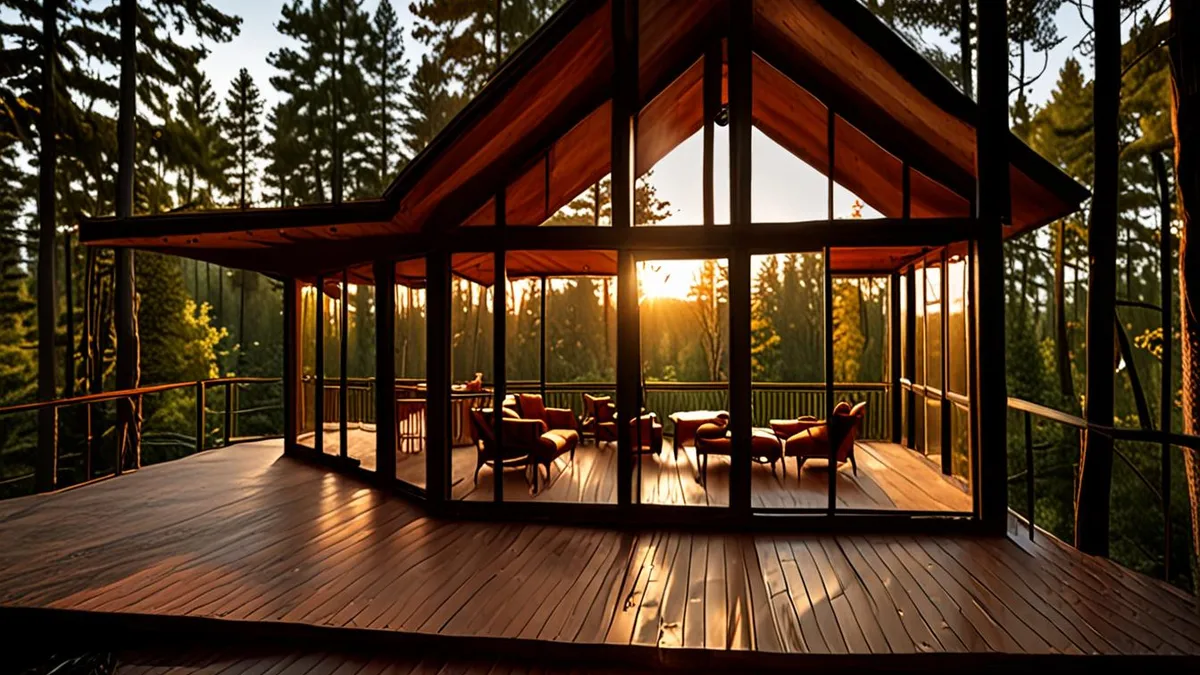
Lodges are a different category. These are larger timber-framed or log builds, typically 40-60 ft, constructed to residential-style standards with full insulation and double glazing as standard. Walk into a lodge and you notice it immediately: the ceilings are higher, the windows feel like house windows, and the whole unit behaves more like a small home than a caravan.
The practical difference shows up in wall thickness, window quality and how each unit handles damp and cold between stays. A lodge’s insulated walls and double glazing keep moisture and chill at bay when the unit sits empty, while a thinner-walled caravan is more prone to feeling clammy on the first night back. Neither type is poorly made; they’re simply built for different jobs, and understanding that is the foundation for the cost and comfort comparisons that follow.
Comfort: Space, Insulation and Year-Round Usability
This is where the two units really part ways. A lodge offers wider living areas, taller ceilings and proper central heating, which keeps it genuinely comfortable on cold spring and autumn nights. You can arrive in March, switch on the heating and settle in exactly as you would at home.
How a static caravan feels out of season
A static caravan heats up fast, which is a real advantage on a summer evening when you just want dinner on the table. Step outside the main season, though, and the experience changes. Thinner walls let the cold back in quickly, draughts are common around doors and window seals, and condensation is one of the most frequent complaints from caravan owners, especially on chilly mornings after a night with the heating on.
The season-length problem
There’s a calendar issue too, not just a temperature one. Many caravan parks shut for 8-10 weeks in winter, which means caravan owners often lose the quietest and cheapest weeks of the year. Those crisp January walks and empty-beach weekends simply aren’t available if the site is closed and the unit is drained and locked up.
Lodge sites more often hold 12-month licenses, so the insulated, centrally heated build matches a site that’s open when you actually want to use it. If your holidays lean towards Easter, half-terms and late autumn rather than high summer, this combination of building quality and site licensing is the single biggest comfort difference between the two options.
Cost to Buy: Purchase Prices and What Drives the Gap
Let’s talk numbers first. A new static caravan typically costs £20,000-£80,000 depending on size and specification, while a new lodge starts around £80,000 and can reach £250,000 depending on build and finish. That’s a wide gap at the top end, and it’s worth understanding exactly what you’re paying for before deciding the extra spend is or isn’t justified.
The price gap reflects the lodge’s construction and fit-out. Timber framing built to residential standards costs more to manufacture than caravan construction, and lodges typically come with residential-grade windows, higher-spec appliances and extras such as a deck or hot tub that can be bundled into the purchase.
What else drives the price tag
- Size and layout: lodges are typically 40-60 ft against the caravan’s 28-40 ft, so you’re buying more floor area, often with an extra bedroom or a separate utility space.
- Kitchen and bathroom specification: lodges commonly arrive with full-size ovens, integrated dishwashers and residential-style bathrooms, where caravans lean on compact, lighter-weight fittings.
- Site-imposed requirements: some parks only accept lodges on certain plots, or set minimum specification standards, which can nudge what you need to spend.
If the budget is tight, the second-hand market is the realistic entry point. Pre-owned static caravans from £10,000-£30,000 are the budget route, and there are genuinely good deals on well-kept units. Before you commit, check the unit’s age against the park’s own age limits: many parks will not accept units beyond a certain number of years onto their plots, which can leave you buying a caravan you’re not allowed to site.
Running Costs: Pitch Fees, Utilities and Upkeep
The biggest recurring expense on either unit is the pitch fee. Annual site fees typically run £3,000-£8,000, and premium coastal or lakeside plots sit at the top of that range. Ask the park for the current fee in writing before you buy, because rates change from year to year and can include extras such as water, waste and winter security.
Utilities and winter use
Lodge utility bills run noticeably higher than caravan bills. The larger heated floor area means more electricity or gas, and the gap widens if you use the unit through winter. A caravan that sits unused from January to March simply costs less to run, while a lodge on a 12-month site keeps drawing power on cold nights.
Maintenance over the years
Both unit types need periodic care, just different kinds. Static caravan owners should budget for exterior resealing and damp checks every few years, since failed seals are the main route to interior damage. Lodge timber needs staining and roof treatment on a similar cycle, which protects the cladding and keeps the unit weather-tight. Neither job is expensive by itself, but skipping them is what turns into a four-figure repair.
If you are weighing a premium pitch against a cheaper inland one, it helps to see what the extra fee buys in practice — a good example is the coastal settings covered in this guide to Ireland coastal lodges for wild Atlantic trips.
Where Each Option Shines: Destinations and Seasons
Where you plan to spend your weekends should shape the choice more than anything on a spec sheet. The two unit types suit very different landscapes and seasons, and matching the unit to the setting saves a lot of regret later.
Warm-season parks and the caravan calendar
Static caravans suit warm-season coastal and countryside parks. On many sites the season covers Easter through October half-term, which lines up neatly with school holidays and long summer evenings. If your trips cluster in July and August, a caravan delivers everything you need at the lowest entry price, and the park atmosphere in high summer is part of the fun for most families. Just remember that some parks reduce facilities or close sections outside the busiest months, so ask what stays open when you plan to travel.
Mountain, forest and lakeside settings
Lodges are the stronger pick for mountain, forest and lakeside settings, where winter stays, snow and low temperatures are part of the appeal. Full insulation and double glazing mean you can watch a storm roll in from a warm living room rather than counting draughts. For a closer look at that kind of trip, this guide to Wales mountain lodges for adventure trips shows what a winter-capable base unlocks.
One check matters before you commit to either. If you want a base for shoulder-season trips in March, November or over Christmas, confirm the site holds a 12-month license before signing anything. A surprising number of caravan parks shut down for part of the winter, which is exactly when quiet, out-of-season breaks are at their best. Lodge sites more often run year-round, so if the off-season is your favorite time to travel, let that guide your decision as much as price or location does.
How to Choose: Matching the Unit to Your Travel Style
The right unit is the one that matches how you actually travel, not how you imagine traveling once you own it. Many buyers fall for a gleaming show unit on a sunny viewing day, then discover the unit sits empty most of the year or feels cramped on a wet weekend. Work through these steps in order and the decision usually makes itself.
- Count your trips per year. If you take 4-6 family trips a year in summer, a static caravan fits your pattern well. Fewer than that, and hire may beat ownership; more, and the extra comfort of a lodge starts paying for itself.
- Set your entry budget honestly. A caravan offers the lowest entry price, while a lodge costs several times more up front. Decide what you can spend without stretching, then let the budget narrow the field before you fall for a show unit. Remember that the purchase price is only the start, since pitch fees and upkeep continue every year.
- Check the season you need. If you are happy with a seasonal site that closes in winter, a caravan works. If you want December and February stays, only a 12-month site and a properly insulated unit will do.
- Decide how much comfort matters. Choose a lodge if comfort matters as much as location, you plan winter breaks, or you want a unit that feels like a small house. Tall ceilings, central heating and solid walls change how a weekend feels.
- Consider who is using it. For couples seeking quiet escapes, a lodge’s insulation and privacy often justify the extra spend over a caravan of the same pitch quality. Families on summer holidays usually value space outside more than finish inside.
- Test before you buy. Book 2-3 nights in the same unit type on a comparable park during shoulder season. A cold, damp March night tells you more about real comfort than any showroom visit, and it also lets you test the park itself, from noise levels to the walk from your pitch to the facilities.
Whichever way you lean, take your time. Parks are happy to arrange viewings and trial stays, and a unit that suits your travel style will earn its keep for a decade or more. One that does not will feel like an expensive commitment within the first year, so let your calendar and your comfort standards make the call.
The Bottom Line on Comfort and Cost
So which one is actually worth the money? On pure price, the static caravan is the cheaper route in, with new units commonly selling for £20,000-£80,000 depending on size and specification. A new lodge sits in the £80,000-£250,000 bracket, so you are paying a clear premium for the extra build quality and space.
On comfort, though, the lodge earns that premium. Better insulation, more living space and genuine year-round usability make a real difference, especially on sites with 12-month licenses, while many caravan parks simply close for 8-10 weeks over winter.
The real answer comes down to how many months a year you actually travel and how much you value warmth and space. If your trips cluster in summer, a caravan covers them at a fraction of the cost. If you want quiet shoulder-season and winter escapes that feel like a small house, the lodge justifies the gap. If this helped you weigh up the two, leave a comment with your own experience or share the article with someone else deciding.