Plenty of travelers book a lodge in beautiful countryside, arrive full of hope, and then see almost nothing. The problem is rarely bad luck. More often it comes down to picking the wrong season for the species they want, or choosing a lodge that sits too far from the habitats where wildlife actually lives. A week of missed dawns and empty trails is a frustrating way to learn this.
This guide to lodge breaks for birdwatching shows how to plan it properly from the start. We will look at why lodges work so well for wildlife trips, how to match your travel dates to breeding, migration and wintering seasons, and how to pick destinations and habitats that fit your target species. You will also find practical advice on choosing a wildlife-friendly lodge, booking and budgeting your trip, and packing and fieldcraft tips that make a real difference once you are out at first light.
Why Lodge Breaks for Birdwatching Work So Well
The biggest advantage of a lodge break for birdwatching is simple: location. Lodges tend to sit right at the edge of the good stuff – lakeshores, forest edges, wetland margins – where wildlife is most active. That means you can step out of your door at first light and be in position before the dawn chorus peaks, without a long drive eating into the best hour of the day. Anyone who has tried to reach a reserve by car for a 5am start from a town hotel knows how much that matters.
Flexible hours, better sightings
Self-catering lodges add another layer of freedom. You can head out at dawn, come back mid-morning for breakfast and a rest, then slip out again in the late afternoon for the dusk activity window. There is no restaurant closing time or housekeeping schedule forcing you into someone else’s rhythm. If the weather turns, you simply wait it out and try again an hour later.
Quiet, low-density accommodation also disturbs wildlife less than a large hotel ever could. Fewer guests, no coaches in the car park, no floodlit terrace at night – all of this keeps animals closer and more relaxed. Many lodge owners manage their grounds with wildlife in mind, leaving rough edges, dead wood and native planting that draw in birds and deer you would never see from a manicured resort lawn.
Choosing the Right Season for Wildlife Sightings
Season choice makes or breaks a wildlife lodge trip, and it should be the first decision you make – before the destination, not after. In most of Europe, April to June is the top window: breeding birds are in full voice, the dawn chorus is at its richest, and returning migrants are claiming territories. If songbirds and general bird activity are your goal, this is the period to aim for.
Autumn has its own strengths. September to October is peak migration season, ideal for watching raptors moving through and waders gathering along coasts and estuaries. And winter is far from dead: in northern regions, November to February brings owls, cranes and flocks of wintering geese that are often easier to see against bare landscapes and snow.
One warning: match the season to your target species, not to your weather preferences. A sunny week in July may feel pleasant, but breeding activity will have quietened down and you may see far less than you would in a chilly, drizzly May.
- April to June: book early for this window, as it is the busiest time for wildlife lodges and dawn starts are earliest – sunrise can be before 5am in northern Europe.
- September to October: coastal lodges come into their own, and you can combine migration watching with milder walking conditions than summer heat allows.
- November to February: pack for short daylight hours and plan around them – a winter trip can still deliver cranes and geese in memorable concentrations.
Habitat should drive your destination choice, because each landscape has its own cast of characters. Wetland and lake regions are the natural home of herons, ospreys and waterfowl, and they often come with hides and boardwalks that make viewing easy. Forest lodges suit a different set entirely: owls, woodpeckers and deer are the classic targets, and evening listening sessions can be as rewarding as the dawn walk.
Coastal and fjord areas add another dimension, mixing seabird colonies, eagles and marine wildlife such as seals and porpoises into the same trip. If that combination appeals, a lodge with a view over a Norwegian fjord puts you within easy reach of both sea eagles and coastal birdlife.
Mountain lodges suit raptors and alpine species, but be honest about the effort involved. Trails climb, weather changes fast, and the best sightings often require early starts and steady legs. Whatever habitat you choose, prioritize areas with protected reserves nearby rather than generic countryside – reserves concentrate wildlife and usually offer hides, marked trails and ranger knowledge.
- Wetlands: look for lodges near reedbeds and shallow lakes, where you can watch from a hide without disturbing the birds.
- Forest: ask whether the owner knows active woodpecker nest trees or owl territories on or near the property.
- Coast and fjord: check tide times before you book excursions, as wader gatherings depend on the tide, not the clock.
- Mountains: build rest days into your plan so you are fresh for the longer trails that raptor watching demands.
Picking Destinations and Habitats
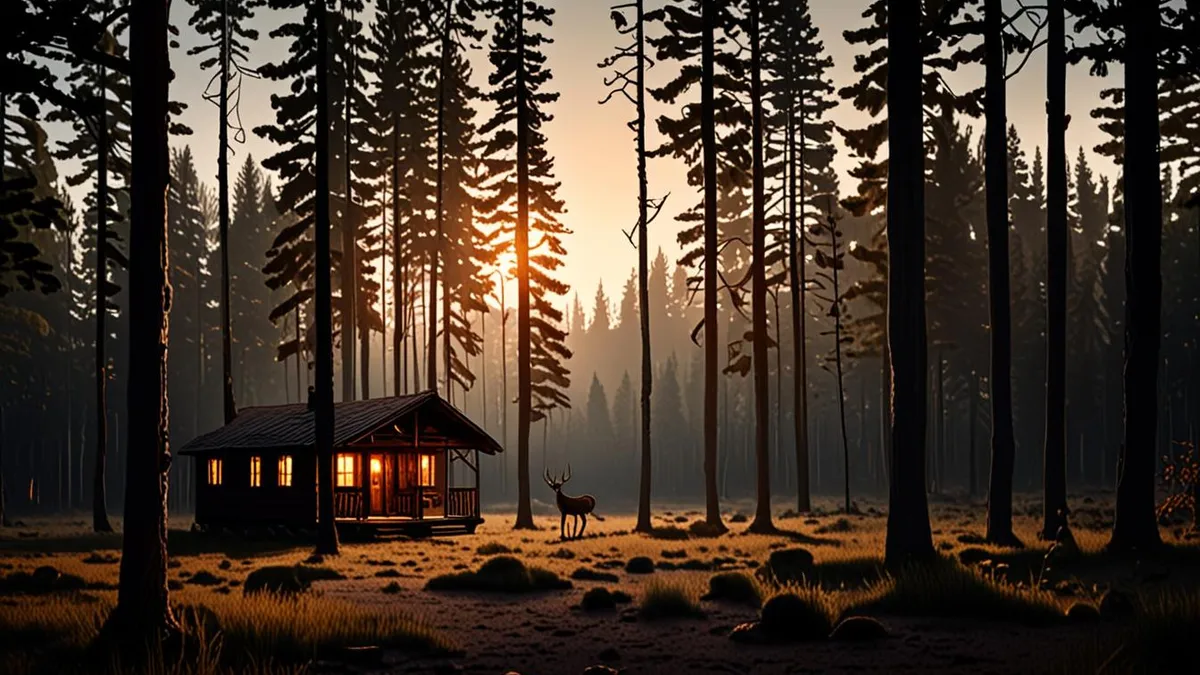
The habitat around your lodge decides what you will see before you even pick up your binoculars. Wetland and lake regions are the most reliable choice for waterbirds: herons stalking the shallows at first light, ospreys plunging for fish, and ducks, geese and swans in shifting flocks through the day. Reedy margins and shallow bays concentrate activity, so a lodge on a lakeshore or beside a marsh often beats one a few kilometers inland.
Forest lodges suit a different crowd. Mature woodland with old trees supports owls, woodpeckers and treecreepers, and deer are commonly seen at forest edges in the quiet hours. The trade-off is that canopy birds are harder to spot than waterbirds, so patience and good listening skills matter more here.
Coastal and fjord settings add a third layer: seabird colonies, sea eagles, seals and sometimes whales or dolphins offshore. If marine wildlife is high on your list, a fjord-side lodge is hard to beat, and the scenery alone justifies the trip. Our guide to Norway fjord lodges with the best views shows how dramatic the setting can be.
Mountain lodges deliver raptors such as eagles and falcons, plus alpine specialists like choughs and ptarmigan, but expect steeper trails and thinner air. Build extra time into your days and be honest about your fitness before committing.
- Protected reserves beat generic countryside. A lodge near a designated reserve, national park or Ramsar wetland sits inside managed habitat with recorded species lists, marked trails and often staff who know exactly where local rarities show up.
- Mixed habitats widen your list. Look for areas where two or three habitat types meet – a lake with woodland behind it, or a coast with estuary mudflats nearby – since transition zones attract species from both sides.
- Check what the region is actually known for. Local tourism boards and reserve websites usually list flagship species; if your target bird is a bittern or a sea eagle, choose a destination where it is a resident rather than a rare visitor.
- Factor in trail access. Wetland reserves often have flat boardwalks and hides suited to easy walking, while mountain and forest terrain may demand proper footwear and longer hikes to reach the best viewpoints.
What to Look for in a Wildlife-Friendly Lodge
The difference between a good wildlife lodge and an ordinary one often comes down to what you can see without leaving the property. Some lodges have their own hides, viewing platforms or feeding stations set up where birds and mammals already pass through. If a listing doesn’t mention these, email the owner before booking and ask whether they can point you to a spot on site, or set up a simple feeding area for your stay. Many small lodge owners are keen naturalists themselves and will happily help.
Location matters just as much as facilities. A lodge that looks cheap but sits an hour from the nearest reserve will cost you the dawn chorus, which is precisely when most birding happens. Aim for accommodation within about 30 minutes of a reserve or park boundary so a 5am start still feels reasonable. For inspiration on what quiet, well-placed forest accommodation can offer, see this guide to forest lodges in Albania for a peaceful retreat.
Size and local connections are the other two filters. A twelve-lodge property run by someone who knows the local raptor nests will beat a large resort with a spa every time, both for wildlife disturbance and for the quality of advice you get at breakfast.
- Guides and naturalist partnerships: ask whether the lodge works with a local guide who can take you to little-known spots, such as a woodpecker territory or an eagle viewpoint that never appears on reserve maps.
- Windows without blackout curtains: being able to watch feeders and treelines from bed at first light means you can start birding before you even get dressed.
- Distance from roads: a lodge set back from a busy road will give you far better dawn soundscapes and more relaxed wildlife than one beside a highway, even if it costs slightly more.
- Early breakfast options: confirm the kitchen can serve food from around 5am or provide a packed breakfast the night before, so a dawn start doesn’t mean birding on an empty stomach.
Booking, Budget and Timing Your Trip
Timing your booking matters as much as timing your trip. For a spring stay in April to June, the peak season for breeding birds and dawn chorus, aim to book your lodge 3-6 months ahead. If you have your heart set on a lodge near a famous national park, push that window out to as much as 9 months, because the best-located small properties fill up first and rarely have more than a handful of units.
What a wildlife lodge trip typically costs
Budget roughly 80-180 EUR per night for a mid-range lodge with good wildlife access. The lower end usually gets you a simple self-catering cabin in a quiet location, while the upper end buys more space, better views and often breakfast included. On top of accommodation, plan for guided wildlife walks, which typically cost 30-80 EUR per person per excursion. One or two guided outings during a week’s stay is a sensible starting point, especially in habitats you don’t know well.
Midweek stays and booking excursions early
Travel midweek where you can. Lodges near reserves are noticeably quieter from Monday to Thursday, and owners often price those nights below weekend rates. Fewer guests also means less noise around feeding stations and hides, which translates directly into better sightings.
Finally, book any guided walks, hides or boat trips at the same time as your accommodation. Small-group excursions have limited places and tend to fill before the lodges themselves do, particularly during the September to October migration window. If you leave guiding until you arrive, you may find the naturalist is fully committed for your entire stay.
Packing and Fieldcraft for a Lodge Wildlife Trip
Good fieldcraft starts with good optics. A pair of 8×42 binoculars is the best all-round choice for lodge-based birding: bright enough for woodland and dawn light, and steady enough for scanning lakeshores. If your trip centers on wetlands, add a spotting scope and a small tripod, since waterfowl, herons and waders often sit well beyond binocular range. Pack a field guide for the specific region rather than a generic European one, as range maps and subspecies differ far more than most travelers expect.
Structure your days around wildlife activity rather than convenience. In summer, the most productive hours fall roughly between 5-8am and 6-9pm, so plan two main outings a day and rest, eat or work through your notes in the middle. This rhythm also suits lodge life perfectly: an early start, a long midday break on your own terrace, and a second session as the light softens.
What you wear affects what you see. Wildlife notices movement and contrast long before it notices you, so think muted and quiet rather than fashionable.
- Neutral colors: olive, brown and gray blend into forest edges and reedbeds; save bright reds, whites and reflective fabrics for the trip home.
- Waterproof layers: lodge mornings often start with dew or drizzle, and a lightweight shell lets you sit still in a hide for an hour without getting cold.
- Quiet footwear: soft-soled shoes or boots let you walk trails without crunching, which matters when you’re trying to approach a woodpecker or deer quietly.
- No strong scents: skip perfumed soap and aftershave on outing days, as many mammals read scent long before they hear you.
Finally, keep a running log of everything you see, whether in a notebook or a sightings app. Note the location, time and habitat for each record. After a few days you’ll spot patterns, such as which stretch of shoreline holds the waders, and that log becomes your planning tool for the return trip.
Wrapping Up Your Wildlife Lodge Plan
Most disappointing lodge trips come down to a simple mismatch: travelers book a lovely property in the wrong season or too far from the habitat, then wonder why the wildlife never shows. The fix is planning all three elements together. Lodge breaks for birdwatching succeed when season, habitat and lodge location all align, so match your target species to the calendar, choose a habitat that suits it, and pick a lodge that makes early starts realistic.
Book early, stay within reach of reserves, and build your days around dawn and dusk. With the right planning, a single lodge base can deliver sightings most hotel trips never match. If this guide helped you plan a trip, share it or leave a comment with the sightings you are hoping for.