Driving Ireland’s west coast sounds simple until you start booking. You want Ireland coastal lodges that put you steps from clifftop walks and seafood villages, but it is hard to know which regions, seasons and price points actually deliver that experience. Some lodges sit kilometers inland despite their names, and summer availability in the most scenic spots disappears months in advance.
This guide breaks the decision down into manageable pieces. We compare the main lodge regions along the Wild Atlantic Way, from Kerry’s dramatic peninsulas to Donegal’s remote beaches, and explain when to book for the best mix of weather and price. You will also find realistic cost ranges, practical tips for choosing a lodge with genuine sea views and parking, and a simple itinerary approach for a 7 to 10 day road trip. By the end, you should be able to pick a region, a season and a lodge type with confidence rather than guesswork.
Why Ireland Coastal Lodges Suit Wild Atlantic Trips
The appeal of a coastal lodge comes down to location and space. The best lodges sit within a short drive, or sometimes a short walk, of clifftop paths, sandy beaches and small seafood villages, yet they avoid the crowds that gather around resort hotels and town-center accommodations in peak season. You get the scenery without the tour buses idling outside your window.
For road trippers, self-catering lodges fit the Wild Atlantic Way particularly well. The route stretches about 2,500 km along Ireland’s west coast, and most travelers break it into sections rather than driving it end to end. A lodge gives you a stable base for several nights, a kitchen for breakfasts and packed lunches, and the freedom to set your own pace instead of checking in and out of a different hotel every evening.
Views and outdoor space hotels rarely match
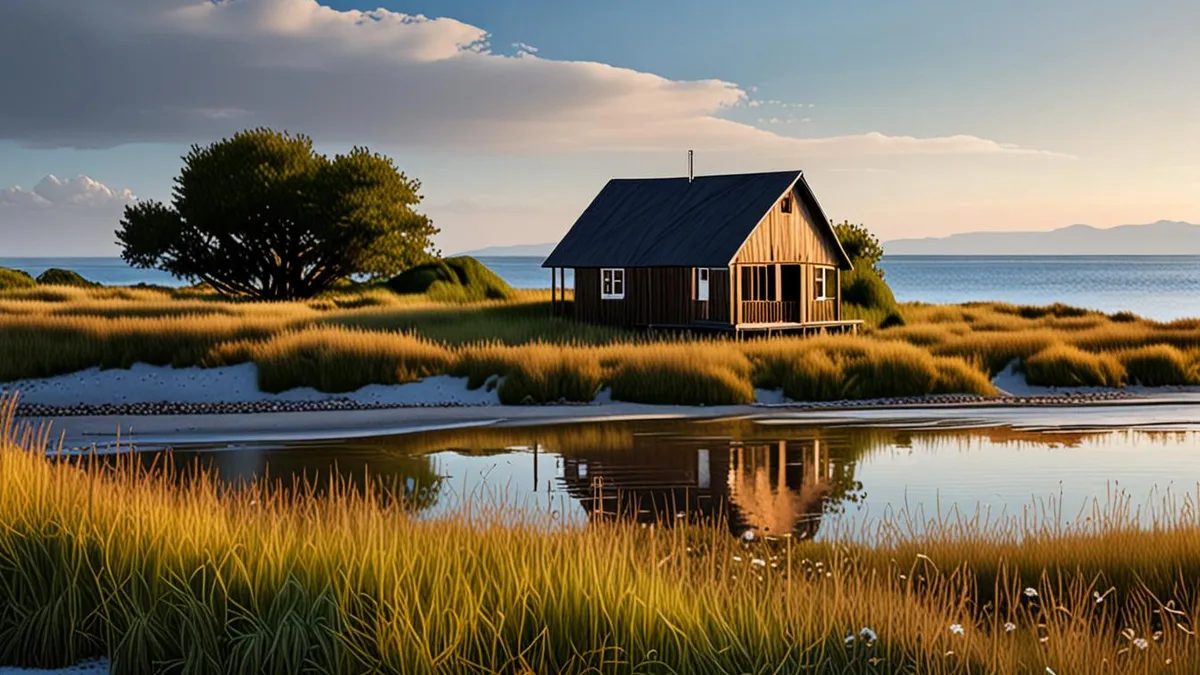
Many lodges along the route offer something standard hotels struggle to provide: large windows facing the Atlantic, private patios or gardens, and room to dry wet walking gear after a day on the cliffs. If watching the weather roll in over the ocean is part of why you are making this trip, a lodge with genuine sea-facing orientation delivers it far more reliably than a hotel room overlooking a parking lot.
Best Coastal Regions for Lodges on the Wild Atlantic Way
Not every stretch of the Wild Atlantic Way suits lodge stays equally well, so it pays to match the region to what you actually want from the trip. County Kerry offers the most dramatic scenery on the route, with the Ring of Kerry and the Dingle Peninsula combining cliff roads, mountain passes and postcard villages. It is also the busiest corner of the west coast, so if you want those views from your lodge window, expect competition for the best properties. County Clare suits travelers focused on the Cliffs of Moher and the Burren’s strange limestone landscape, and its compact size makes day trips easy without long drives back to base.
Further north, the character changes noticeably. Galway and Mayo work well for quieter stretches of the coast, where you trade headline sights for calmer roads and villages that still feel local. Donegal rewards travelers seeking remote beaches and a genuine sense of isolation, though you should go prepared, as services thin out and the weather can turn quickly. Expect the tightest availability in Kerry and Clare, where demand concentrates around the best-known sights, so those are the regions to lock in first.
- Kerry: The Dingle Peninsula’s Slea Head drive and the Ring of Kerry’s viewpoints create heavy summer demand, so lodges near these loops fill first and often carry the highest rates on the route.
- Clare: Lodges near the Cliffs of Moher area put you within easy reach of both the cliffs and the Burren, but proximity to the visitor center pushes prices and booking competition up.
- Galway and Mayo: Connemara’s coastline and Mayo’s bays attract fewer tour groups, which means more choice and calmer villages even in summer.
- Donegal: Beaches such as those around the county’s northwestern coast stay uncrowded, but distances between towns are long, so plan fuel and food stops carefully.
When to Book Ireland Coastal Lodges
Timing shapes both price and experience on Ireland’s west coast. June to August is peak season, with the best chance of settled weather but the highest rates and the least availability, especially around the headline sights. If you want summer sun, book 3 to 6 months ahead, particularly for lodges with sea views in the most popular counties.
The shoulder-season sweet spot
May, September and early October offer a strong compromise: milder weather, lower prices and noticeably easier parking at busy stops like the Cliffs of Moher. Daylight lasts long enough for evening clifftop walks, and the villages feel local again once the school holidays end. For most travelers, these months deliver the best balance of cost, comfort and crowd levels, and the same lodge that commands a premium in July often sits well within reach in September.
Winter stays from November to February are the cheapest option, and storm watching from a warm lodge with a fire going has its own appeal. The catch is that many lodges reduce their opening hours or close entirely in winter, so confirm opening dates directly with the property before you build a cold-season itinerary around one. A quick email or call saves a long detour to a locked gate.
What Ireland Coastal Lodges Cost
Coastal lodges in Ireland are generally kinder to the wallet than you might expect, but the spread between a basic cabin and a premium sea-view property is wide. Outside the busiest months, a simple self-catering lodge typically costs around €90 to €150 per night. That usually gets you a full kitchen, comfortable bedrooms and enough space for a family or two couples, which is hard to match at the same price in a hotel.
Location and views are what push prices up. Premium lodges with direct sea views in Kerry or Clare can reach €200 to €250 per night in summer, especially if they sit right on the coastline with large windows and private outdoor space. The same property often costs noticeably less if you shift your dates just outside the peak window.
Timing matters as much as the property itself. Shoulder-season stays in May, September or early October often cut 20 to 30 percent off peak rates for the exact same lodge, with milder weather as a bonus. Weekly self-catering bookings also frequently work out cheaper per night than short stays, so if your schedule allows a full week, ask the owner or operator for a weekly rate before booking nightly.
- Extra-guest fees: some lodges charge a supplement per additional guest beyond a base occupancy, so check how the rate scales if you travel with children or friends.
- Heating costs: a few self-catering lodges meter electricity or oil separately, which can add a real cost on a wet west-coast week, so ask whether heating is included in the quoted price.
- Cleaning fees: short stays sometimes carry a fixed cleaning charge that makes a two-night booking proportionally more expensive than a week, so factor it into your per-night comparison.
- Deposit terms: many lodge owners take a deposit at booking with the balance due closer to arrival, so note the payment schedule and cancellation window before committing.
How to Choose the Right Coastal Lodge
Not every lodge described as “coastal” actually sits by the water. Some properties advertised with coastal labels sit several kilometers inland, close enough to drive to the shore but far enough that you hear no surf and see no sea from the window. Check the exact distance to the coast on a map before you book, and look at satellite view to see what actually surrounds the lodge. A five-minute walk to a rocky cove and a twenty-minute drive to the nearest beach are very different holidays.
If views matter most to your trip, prioritize sea-facing orientation and outdoor space in your search. A lodge with a west-facing patio gives you sunset views over the Atlantic, while one facing inland or into a sheltered hollow may have none at all, even at a similar price. Photos can mislead, so read recent guest reviews specifically for comments about the view and the terrace or garden.
Parking and practical details that matter
Look for parking on site, since narrow coastal roads make off-street parking genuinely valuable. Squeezing a rental car onto a busy roadside verge outside your lodge each evening gets old quickly, especially in summer when sightseers pass through all day. A private driveway or dedicated space also makes loading and unloading luggage far easier.
Finally, confirm heating and drying facilities, which matter on Ireland’s wet west coast. Ask whether the lodge has central heating you control, a tumble dryer or drying rack, and good airflow, because a week of Atlantic drizzle with no way to dry walking boots and rain jackets can sour an otherwise great stay. The same principle applies to coastal lodges anywhere, as our guide to coastal lodges with sea views in Gothenburg explains for Sweden’s west coast.
Planning Your Wild Atlantic Lodge Itinerary
The Wild Atlantic Way rewards a slower rhythm than most road trips, and your lodge choices shape that rhythm more than anything else. Trying to cover the full route in one week means spending hours behind the wheel each day, so most travelers get far more from splitting a 7 to 10 day trip between two regions and settling in properly at each. Two well-chosen bases turn the route from a checklist of sights into a string of unhurried days with real time for clifftop walks, village pubs and weather-dependent detours.
- Pick two regions that pair naturally. Kerry plus Clare works well for a scenery-heavy trip focused on the Ring of Kerry, the Dingle Peninsula and the Cliffs of Moher, while Mayo plus Donegal suits travelers who prefer quieter stretches and remote beaches with fewer tour buses.
- Book one lodge per region as your base. Staying in a single lodge for four or five nights at a time reduces packing, check-ins and checkouts, and gives you a kitchen to cook in after a long day of driving.
- Plan day trips from each base. From a Kerry lodge you can loop the Ring of Kerry one day and explore the Dingle Peninsula the next, while a Clare base puts the Burren and Galway Bay within easy reach.
- Build in buffer time between regions. Allow extra driving time when you move bases, as coastal roads average slower speeds than the distances suggest, so a trip that looks like two hours on the map often takes noticeably longer with narrow bends, sheep and photo stops.
- Reserve your lodges early. Popular coastal areas fill up quickly for summer stays, especially in Kerry and Clare where availability tightens first, so lock in your two bases before you plan anything else.
This two-base approach also spreads your budget sensibly. You pay for two quality lodges rather than six average ones, you waste far less time on logistics, and each region gets the unhurried attention it deserves. It also gives you flexibility with the weather: if rain hits the Dingle Peninsula on a given day, you can simply swap that day trip for one from your other base later in the trip. If ten days feels ambitious, a single-region week in Kerry or Donegal still delivers a full Wild Atlantic Way experience without the constant packing and unpacking, and it leaves room for the spontaneous stops that make the route memorable.
Wrapping Up Your Ireland Coastal Lodge Trip
A lodge stay along the Wild Atlantic Way comes down to matching three things: the right region, the right season and the right budget. Kerry and Clare deliver the most dramatic scenery but fill up fastest, while Galway, Mayo and Donegal offer quieter stretches and better availability. Rates run from about €90 to €250 per night depending on where you stay and when, so the same trip can look very different on paper depending on your choices.
The simplest formula for most travelers: secure your summer lodge early, or aim for May or September when the weather stays mild, prices drop and parking at popular sights gets easier. That combination of timing and region is what turns a coastal lodge trip from a gamble into a plan. If you have a favorite stretch of the route or a lodge tip of your own, leave a comment or share this article with a fellow road tripper.