Planning a lodge holiday with teenagers comes with a specific challenge: your kids are too old for kids’ clubs, but too young to be left to wander and entertain themselves all day. You need a trip that keeps them engaged without you acting as a full-time activities director. A well-chosen lodge can do exactly that, giving teens independence, space and outdoor adventure within reach, while you get room to breathe.
This guide walks through what actually matters when booking for a family with teens. We’ll cover why a lodge holiday with teenagers works better than a standard hotel stay, how to pick a location they won’t hate, and which layout to book for a family of four. You’ll also find practical advice on planning activities around teen energy levels, timing and budgeting your booking, and handling the unavoidable questions of Wi-Fi, downtime and screen time.
Why a Lodge Holiday with Teenagers Works
Anyone who has shared a single hotel room with two teenagers knows the problem: lights out means lights out for everyone, and there’s nowhere to escape when one person wants to sleep and another wants to scroll. A lodge solves this with separate bedrooms plus a shared living space, so teens get privacy and the family still gets time together on the sofa in the evening.
Food on their schedule, not yours
Teenagers eat constantly and rarely at mealtimes. A self-catering kitchen lets them graze when they’re hungry, whether that’s cereal at ten in the morning after a lie-in or toast at midnight. Nobody has to cut a beach session short to make a fixed restaurant seating, and picky eaters can eat exactly what they like.
Adventure on the doorstep
The best lodges sit close to the outdoor activities teens genuinely want to do: kayaking on a lake, mountain biking on forest trails, or hiking routes that end at a viewpoint worth photographing. Instead of driving to entertainment, you step outside and start. That mix of independence, space and activity is why a lodge holiday with teenagers tends to work when hotel stays fall flat.
Choosing a Location Teens Won’t Hate
Location makes or breaks a lodge holiday with teenagers. The sweet spot is a lodge within 30-45 minutes of an activity hub, close enough that teens can walk or cycle out on their own for a session of paddling or trail riding without needing you as a taxi service. That bit of independence is often the difference between teens who love the trip and teens who sulk through it.
Match the setting to your teenagers. Coastal lodges suit water-sport fans who want to surf, paddleboard or kayak, while mountain lodges fit teens who would rather be biking or climbing. Wales, for example, has excellent options for active families, and you can explore Wales mountain lodges built for adventure trips if biking and hiking are your teens’ thing.
Before you book, check what sits within walking or cycling distance for downtime days. A small town or village with cafés lets teens buy their own snacks and hot chocolates, which gives them a taste of independence and you a break from catering. Free public Wi-Fi spots, such as a library or café, give teens somewhere to go when the lodge signal is patchy. A bike shop or rental outfitter nearby is handy if a bike breaks mid-week or your teens want to try a new sport without hauling gear from home.
Drive the route on arrival day if you can, so everyone knows what is actually reachable on foot or by bike before the week settles in.
How Much Space and Which Layout to Book
Space is the quiet difference between a relaxed week and a tense one. For a family of four with teenagers, aim for at least 3 bedrooms, or a layout with two bedrooms plus a sofa bed, so nobody has to share a bed or a room with a sibling. Teens who sleep badly are miserable company, and separate sleeping space helps everyone start the day on better terms.
The second bathroom rule
If you take one layout tip away, make it this: look for a second bathroom. Teenagers take long showers and move slowly in the mornings, and one bathroom turns every departure into a queue. Two bathrooms cut the morning bottleneck dramatically, which matters most on days you’ve booked a morning activity.
Evening space outdoors
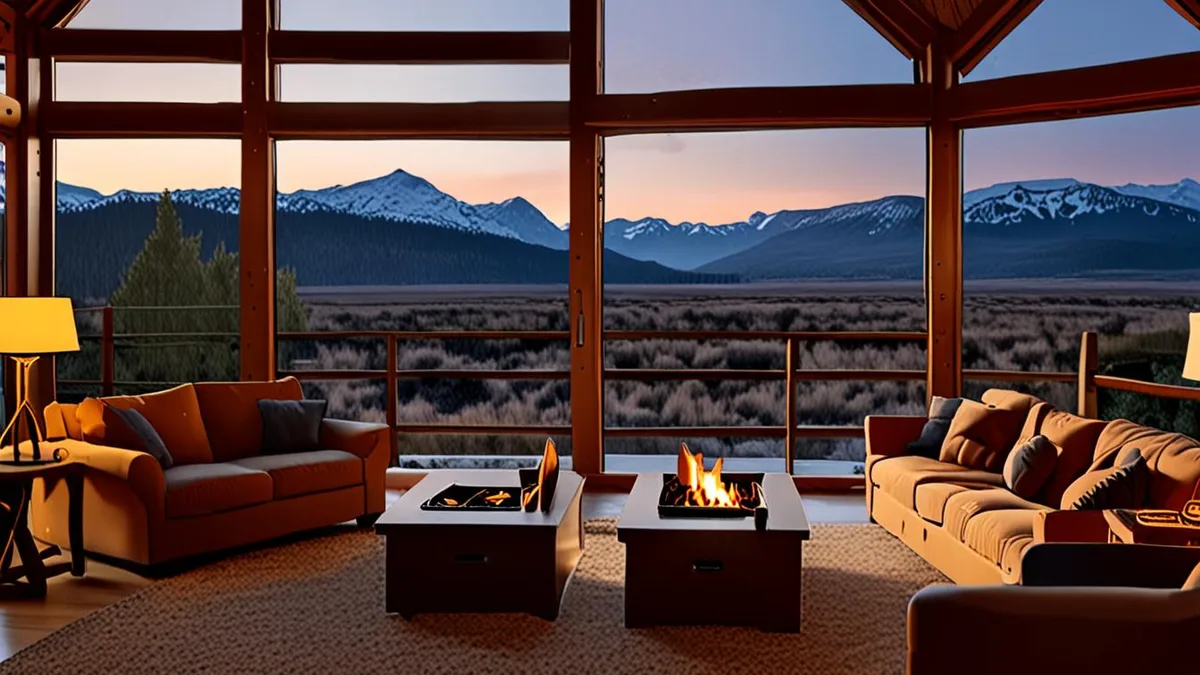
Indoor space matters during the day, but evenings belong outside. A deck, hot tub or fire pit gives teens somewhere to hang out after dinner, whether that’s stargazing, toasting marshmallows or just talking without adults hovering. Check the listing photos carefully for outdoor seating and lighting, since a lodge that looks great inside can have a bare patch of gravel outside.
If you’re torn between two lodges at similar prices, choose the one with the extra bathroom and the better outdoor space. Those two features carry the daily quality of life for a family with teens far more than a fancier kitchen ever will.
Planning Activities Around Teen Energy Levels
Teenagers run on their own internal battery, and a holiday that fills every hour will drain it fast. Parents often make the same mistake: they arrive with a packed itinerary, hoping constant activity will prevent complaints, and end up with a household of resentful, exhausted teens by midweek. The trick is to plan enough structure that nobody sits around bored, but not so much that everyone feels like they are back on a school timetable. Think of your itinerary as a loose frame, not a fixed schedule. A rough plan for the morning, wide-open afternoons and a flexible evening works far better than a color-coded spreadsheet. It also helps to agree on this approach before you leave home, so teens know that downtime is part of the plan rather than a gap you failed to fill. When expectations are clear from day one, there is far less negotiating over what happens next.
- Book one big activity per day. Pick something energetic like a kayaking session, a full bike trail or a longer hike and put it in the morning while everyone still has patience and energy. Once it is done, the day has already delivered its highlight, and anything extra feels like a bonus rather than an obligation.
- Leave afternoons free. After lunch, let teens do whatever they want: nap, scroll, wander to the local café or flop on the deck with a book. Guarding this unstructured time is what stops the trip feeling like a school camp, and it gives parents a genuine break too.
- Let each teen choose one day’s activity. Give every teenager ownership of a full day, from the activity to lunch if you like. They will research it properly, take pride in making it work, and nobody complains much about something they picked themselves.
- Build in a full rest day mid-week. On stays of a week or longer, block out one day with nothing planned at all. It resets energy levels and often becomes the day everyone remembers, because it is the one where they actually played cards, cooked together or tried the hot tub properly.
A good rhythm looks like effort in the morning, freedom in the afternoon and something social in the evening, whether that is a barbecue on the deck or a walk into the nearest town for ice cream. Watch how the family responds in the first couple of days and adjust from there. If you notice grumbling by day three, that is usually your signal that the schedule crept too full, not that the trip has failed. Drop the least popular plan, protect the free afternoons and let the rest of the week find its own pace. The most successful lodge holidays with teenagers are the ones where everyone leaves with at least one thing they would happily do again.
When to Book and What to Budget
Lodge pricing swings more than most families expect, and the difference between booking well and booking late can easily cost you the price of an extra activity day. The simple rule is that supply shrinks faster than demand: there are far fewer large lodges than couples’ units, and every family with teenagers is hunting for the same layouts in the same school holiday weeks. Family-size units with three or more bedrooms are the scarcest stock, so they sell out first. Getting the timing right matters as much as picking the right lodge, and the good news is that the timing is predictable.
- Summer stays: book 4-6 months ahead. That window gives you the widest choice of family layouts before the good units are gone, and early listings often carry lower rates than the final remaining lodges.
- February half-term ski weeks: book 6-9 months ahead. Ski-adjacent lodges near slopes have an even shorter supply, so these weeks need the longest lead time of any trip on this list.
- Peak weeks run late June to late August. These school holiday weeks carry the highest rates of the year, so if you must travel then, book early and expect to pay the top of any lodge’s range.
- Shoulder seasons cut rates by 20-30%. May-June and September are noticeably cheaper, and the weather is often still good enough for biking, hiking and water sports, so it is worth checking whether your school calendar allows a slightly off-peak break.
- Know the two price bands. Budget lodges typically run from £60-£90 per night, while premium lodges with hot tubs, better views and larger layouts sit around £150-£300 per night. Decide which band you are in before browsing so you do not fall in love with something out of range.
Always compare the total for the week rather than the nightly headline, since cleaning fees, linen hire and pet charges vary widely between operators. A lodge that looks cheap per night can lose its advantage once extras are added, so ask for a full price breakdown before you commit.
It is also worth checking cancellation terms before paying a deposit, because school schedules and exam dates have a habit of shifting. Flexible booking options usually cost slightly more, but they can save you the entire cost of a week if plans change. If you find a lodge you like in your price band, put a reminder in your calendar for when its next season opens, as the best family units are often rebooked within days.
Handling Wi-Fi, Downtime and Screen Time
Wi-Fi is the single most common complaint families have about lodge holidays, and it is entirely avoidable with one email before you book. Rural lodges vary enormously: some have fiber-fast connections that handle gaming and streaming without a stutter, others have a signal that drops every time two people go online at once. If your teens plan to stream films or game in the evenings, ask the lodge directly what connection they have and what speeds are typical, rather than trusting a listing that simply says “Wi-Fi available”.
Agree a rhythm, not a ban
Confiscating phones on holiday usually backfires, because teens see the trip as their downtime too. A loose daily rhythm works far better: something like phones off at breakfast and during the day’s main activity, then free use afterwards. Frame it as a family rule that applies to parents as well, and it stops feeling like a punishment. You will get better buy-in from a fifteen-year-old with a negotiated deal than from a blanket ban enforced by a tired parent.
Pack for patchy signal
Even lodges with good Wi-Fi can sit in valleys or wooded areas where mobile signal is unreliable, so bring offline backups. Download a few films and series before you leave home, since streaming may not survive the week. A deck of cards, a couple of board games and a shared playlist downloaded to one phone cost almost nothing and fill the gaps that signal drops leave behind. The families who cope best with patchy connectivity are the ones who arrived expecting it.
Wrapping Up Your Lodge Holiday Plan
A lodge holiday answers the awkward age gap perfectly: teenagers are too old for kids’ clubs and too young to be left to figure everything out alone. The fix is planning location, space and activity balance together. Pick a lodge near an activity hub so teens can head out independently, book enough bedrooms and bathrooms so nobody feels cramped, and agree on how Wi-Fi and downtime will work before you arrive.
On timing, booking 4-6 months ahead for summer stays secures the family layouts that sell out first, while shoulder seasons in May-June and September cut rates if your school calendar allows. Once you’re there, one planned activity per day plus agreed downtime keeps teens engaged and parents relaxed. If this guide helped you plan your own trip, leave a comment or share it with another family heading to the lodge.