Browsing holiday rentals, you’ll often see a villa, a cottage and a farmhouse listed in the same search results, sometimes within a few kilometers of each other and at wildly different prices. The villa vs cottage vs farmhouse question trips up a lot of travelers: the photos can look similar, yet the space, the nightly rate and the whole feel of the stay can be completely different from one type to the next.
This guide breaks down what actually separates the three. We’ll define each stay type, compare how many guests they comfortably fit, run through a price comparison, look at where each one tends to sit on the map, and help you match the right choice to your trip. We’ll also cover when to book each type and wrap up with some final thoughts on picking between them.
What Defines a Villa, a Cottage and a Farmhouse
The three stay types look alike in listing photos, but they were built for very different purposes, and that shapes everything from bedroom count to what you see out the window.
Villas: purpose-built for holidays
A villa is exactly what it sounds like: a home designed from the ground up as a holiday property. Most have 3 to 6 bedrooms, generous terraces, modern kitchens and bathrooms, and, on most properties, a private pool. Private pools are rare on cottages and farmhouses, so if a pool is central to your trip, a villa is usually where you’ll find one. Expect air conditioning, large sliding doors onto the terrace and layouts built around indoor-outdoor living.
Cottages and farmhouses: older buildings, different settings
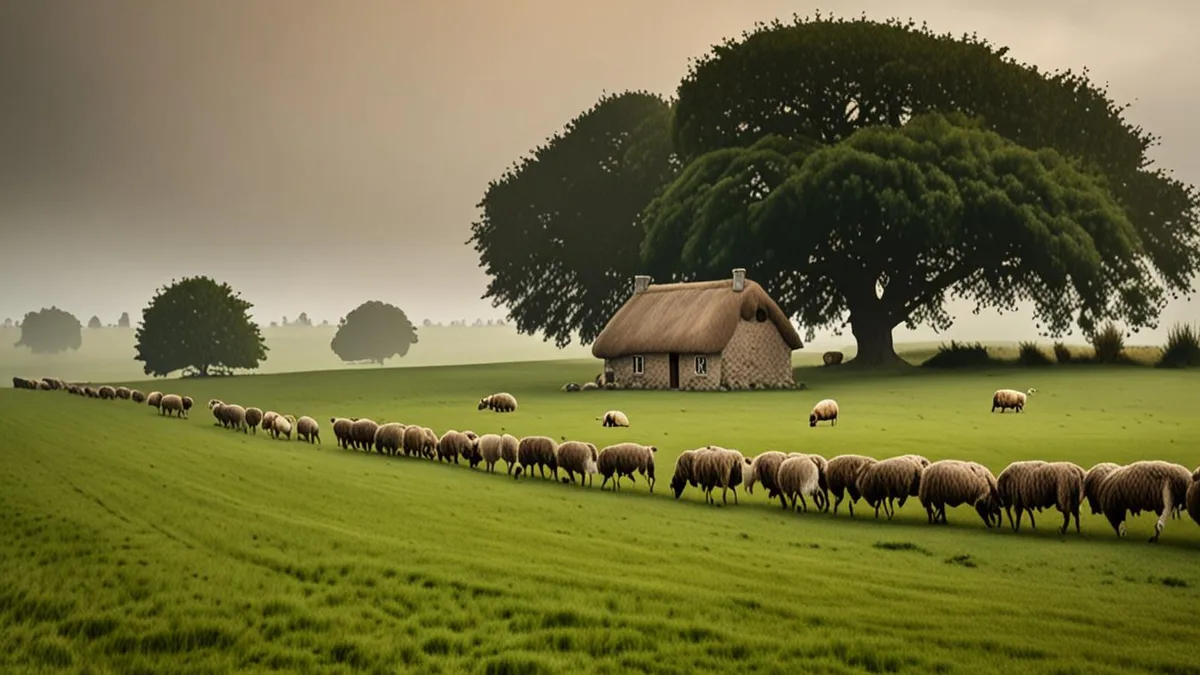
A cottage is a small, often historic dwelling, typically sleeping 2 to 6 guests. Cottages usually sit in villages or close to coastlines, with thick stone walls, low ceilings and plenty of character from their original structure. A farmhouse, by contrast, is a converted working-farm building, commonly sleeping 6 to 10 guests, set in open countryside with land around it. Farmhouses often come with orchards, vineyards or animals on the property, something you’ll rarely find at a villa. The trade-off is distance: farmhouses tend to be the most remote of the three, while cottages put you within walking distance of village life.
Space, Layout and Group Fit
Space is where the three types diverge fastest. A villa is built for volume: with 3 to 6 bedrooms, multiple bathrooms and open-plan living areas that flow onto the terrace, villas comfortably host groups of 6 to 12 people without anyone feeling crowded. Most also come with a private pool, which becomes the natural gathering point on hot afternoons. If you’re weighing coastal regions for a large group trip, it helps to look at the best areas to rent a villa in Portugal before comparing individual properties.
Cottages work in the opposite direction. Sleeping 2 to 6 guests in 1 to 3 bedrooms, they suit couples and small families, often across a cozy multi-level layout with steep stairs and a single living space. Farmhouses sit in between but lean large: with 6 to 10 guests accommodated, they handle multi-family trips well because sleeping areas are often split across separate wings or outbuildings, giving each family its own corner of the property. Many also come with orchards, vineyards or animals on the land, which adds another layer of space beyond the walls themselves.
- Bathroom count: villas typically include one bathroom per two bedrooms or more, which matters enormously for groups of 8 or more getting ready for dinner at the same time.
- Outdoor space per guest: a farmhouse’s surrounding land gives children room to roam far beyond the terrace, while a villa’s pool deck concentrates everyone in one social area.
- Shared versus split living: cottage layouts push guests together in one snug living room, whereas farmhouse wings let a 10-person group split into quieter zones in the evening.
Price Comparison Across the Three Stay Types
Villas cost the most of the three, and timing drives the bill. Peak-season rates from June through August typically run 30-50% above shoulder-season prices in May, September and October. For a concrete sense of how these numbers break down, see villa rental costs in Croatia: what to expect, which walks through the figures for one popular market.
Where cottages and farmhouses land
Cottages are usually the cheapest per night, which makes them the natural pick for couples and small families watching the budget. One catch: many owners add per-person fees for guests beyond four, so a family of six may pay noticeably more than the advertised base rate suggests. Always read the price breakdown before booking.
Farmhouses sit mid-range per night, but the math flips in favor of big groups. Because they sleep 6 to 10 guests under one booking, the cost per person often drops below what each of those guests would pay in a cottage or villa. For groups of eight or more traveling together, a farmhouse frequently works out as the most economical choice overall, even if the nightly rate looks higher than a small cottage at first glance.
Location and Privacy: Coast, Village or Countryside
Where you stay shapes your whole trip, and location is often the biggest difference between these three stay types. Villas dominate coastal and resort areas, where they tend to sit behind gates or private driveways with sea or lake views from the terrace. That privacy is the main draw: you can swim, eat breakfast outside and let the kids run around without neighbors watching. The trade-off is that most villas are not walkable to much of anything, so you will likely drive to beaches, restaurants and supermarkets.
Cottages, on the other hand, cluster in villages and small towns. In popular regions you can often find one within walking distance of a bakery, a couple of cafes and a village pub, which makes them a favorite for travelers who want to park the car and explore on foot. They blend into the local street scene rather than standing apart from it, so you feel part of the neighborhood rather than a visitor to it.
The most secluded option
Farmhouses offer the deepest quiet of the three. They commonly sit 5-20 km from the nearest town, surrounded by fields, orchards or vineyards, and that distance means a rental car is practically essential. Nights are dark, mornings are quiet, and the nearest restaurant is usually a drive away. If that sounds appealing, countryside regions such as the UK have plenty of options, and you can browse countryside villas for slow travel in the United Kingdom to see how rural stays compare. Just weigh the seclusion against how often you realistically want to head into town.
Villa vs Cottage vs Farmhouse: Which Suits Your Trip
The easiest way to choose is to picture a typical day of your trip. If it revolves around a pool, long lunches outside and a short drive to the beach, a villa is the natural fit, especially in hot summer months by the coast when you will actually use that pool every day. If your days are about strolling to a cafe, browsing village shops and walking home after dinner, a cottage delivers that rhythm far better than an isolated property ever could.
Farmhouses suit a slower, more outdoor kind of holiday, and they shine in wine and food regions where the setting itself is part of the experience. The land around many of these properties is still partly working land, so children may find themselves watching grapevines being tended, picking fruit or spotting chickens and other livestock, which tends to be a highlight of the trip. To make the choice clearer, here is what each type does best:
- Villa: best for larger groups who want everyone under one roof with several bathrooms, so no one queues for a shower before the beach.
- Cottage: ideal for couples who want charm and atmosphere, since many are historic buildings with beams, fireplaces and a scale that feels personal.
- Farmhouse: smart for multi-family trips, because separate wings and outbuildings give different households their own space while sharing one base.
- Farmhouse again, for kids: the open land around the property gives children room to play freely in a way a compact villa plot or village cottage rarely can.
Match the stay type to your group and your daily routine, and the decision usually makes itself.
Booking Timing and Availability
These three stay types sell on very different timelines, and booking too late is the most common mistake travelers make. Villas with private pools, in particular, tend to be snapped up by returning guests and early planners, while cottages and farmhouses usually give you a little more slack. The good news is that a simple ordering system works for all of them, as long as you adjust for the season you are targeting and the size of your group.
- Start with villas for July and August. Book 4-6 months ahead for peak summer. The best pool properties sell out first, often by late winter, so if a private pool is non-negotiable for your group, secure it early rather than hoping for a late deal. Remember that peak-season rates also run well above shoulder season, so early bookers get both the choice and the better price.
- Plan cottages and farmhouses 2-3 months out. Their smaller size and lower demand give you more breathing room, and you can often still find good options inside that window. That said, the most charming village cottages for 2-6 guests still go quickly in summer.
- Move earlier for Christmas and Easter weeks. These holiday periods fill far ahead of the usual lead time, since families book the same weeks year after year, so treat them more like peak summer even if you are choosing a cottage or farmhouse.
- Use shoulder season for flexibility. In May and September-October, lead times of 4-6 weeks are typically enough for all three stay types, and you will often have a wider choice than last-minute peak-season bookers. This is also when farmhouse stays with orchards, vineyards or animals feel their best.
One extra tip: set calendar reminders based on these windows rather than deciding to book “soon.” Availability moves quickly in popular regions, and the properties that get photographed most tend to disappear first. If your dates are fixed and your group is large, booking at the early end of each window is almost always the safer play, and it leaves you time to arrange car rentals, flights and any extras without pressure.
Final Thoughts on Picking Your Stay Type
Think of these three stay types as answers to different questions rather than a ranking. A villa asks “how big is your group and how much do you want to stay put?” — the pool becomes the center of the day, and most people never feel the need to leave. A cottage asks “where do you want to walk to?” — mornings start with coffee in the village square, not a drive. A farmhouse asks “how quiet do you want it?” — you trade easy access to restaurants for space, orchards and dark night skies.
Before you book, be honest about your group’s rhythm. If half of you want daily outings and half want to lounge by the water, a larger property with plenty of indoor and outdoor space will save arguments later. If you are traveling with toddlers or older relatives, check how many stairs, how many bathrooms and how far the nearest shop is before committing. And whatever you choose, read recent guest reviews for the specifics that matter to you: noise, shade, working air conditioning and whether the photos match reality.
Once you know which type fits, the rest becomes easy. Match it to your budget window, your season and your driving tolerance, and you will have a short list within an hour. If this breakdown helped, share it with the friends or family you are planning with — it makes the group chat much shorter.