Trying to book a hotel for a large group can turn an exciting trip into a logistical headache fast. Coordinating rooms, budgets and deadlines for ten or more people means juggling different preferences, chasing payments and hoping everyone commits before a deadline slips by. And the stakes are real: miss one contract deadline or fall short on a room block, and the whole booking can unravel, leaving your group scattered across multiple hotels or scrambling for last-minute options.
The good news is that group bookings become surprisingly manageable once you know the process. In this guide, we’ll walk through when to start planning, how group rates compare to individual bookings, and how to choose rooms and layouts that keep everyone happy. We’ll also cover the fine print that matters most, including contracts, deposits and cancellation deadlines, plus practical ways to split costs and collect payments without becoming the group’s unpaid accountant. Finally, you’ll find advice on where group-friendly stays work best and a stress-free checklist to keep your booking on track from first inquiry to check-in.
When to Book a Hotel for a Large Group
Timing is the single biggest factor in whether a group booking feels easy or painful. For groups needing 10 or more rooms, start reaching out to hotels 6-9 months before your dates. For 5-9 rooms, 3-4 months ahead is usually enough. The earlier you contact a hotel, the more open inventory they have, and that gives you real negotiating power on rates and room placement rather than whatever is left over.
Why shoulder season works in your favor
Hotels simply have more rooms to spare in quieter months. In Europe, that typically means May-June or September-October, when the peak summer crowds have thinned out but the weather is still pleasant. A hotel that might be fully committed during July or August can often offer better availability, more flexible terms, and sometimes friendlier pricing in shoulder season. If your group has any flexibility on dates, ask the hotel which weeks they have the most open rooms and let that guide your choice.
One rule matters more than any other: lock your dates with the group before you talk to hotels. If you sign a group contract and then change your dates, most group rates are voided and you will be quoted fresh, often higher, prices. Get a firm headcount and agreed dates first, even if that means a few extra group chats, so you can commit confidently the moment a hotel makes an offer.
Group Rates vs Individual Bookings
When to ask for a group rate
Hotels typically start offering group rates once you need at least 8-10 rooms per night. Below that threshold, you are usually better off booking standard individual rooms, since the hotel may not consider your group large enough to negotiate with. If you are on the fence, it costs nothing to ask, but keep your expectations realistic for smaller blocks.
Once you do qualify, group rates often run around 10-20% below the public prices you would find online. Many hotels also add a courtesy room for the organizer, meaning you might get your own night free or discounted after the block fills. That perk alone can make the paperwork worthwhile for the person doing the organizing.
Compare before you sign
Do not assume the group rate is automatically the best deal. Pull up the hotel’s flexible individual rates for your dates and compare them against the group quote, including taxes and fees. Group contracts can be stricter than standard bookings, with tighter cancellation terms and deposit requirements, so a slightly higher individual rate with free cancellation may suit your group better if plans are uncertain.
Ask the hotel to put the full comparison in writing, including what happens if fewer rooms are booked than promised. A few minutes of checking now can save you from a rigid contract later.
Choosing Rooms and Layout for Your Group
Once you’ve agreed on a group rate, the next question is where everyone actually sleeps. Don’t assume that booking ten rooms means ten rooms side by side. Hotels fill their floor plans as they go, and a group that arrives without a placement request can end up scattered across three floors and two wings. Ask the hotel to block your rooms on the same floor or, if that’s not possible, in the same wing, and get that promise written into the contract. A verbal assurance from a friendly sales manager won’t help much if that manager has moved on by the time you check in.
Think about who is traveling with whom before you submit your rooming list. Couples generally want one large bed, friends often prefer two separate beds, and families with young children benefit enormously from connecting rooms where the kids can sleep without a hallway walk in between. Mixing room types deliberately also gives you flexibility: if someone cancels, a twin is easier to reassign than a couple’s king room. Share this breakdown with the hotel early so they can allocate the right inventory rather than scrambling at check-in.
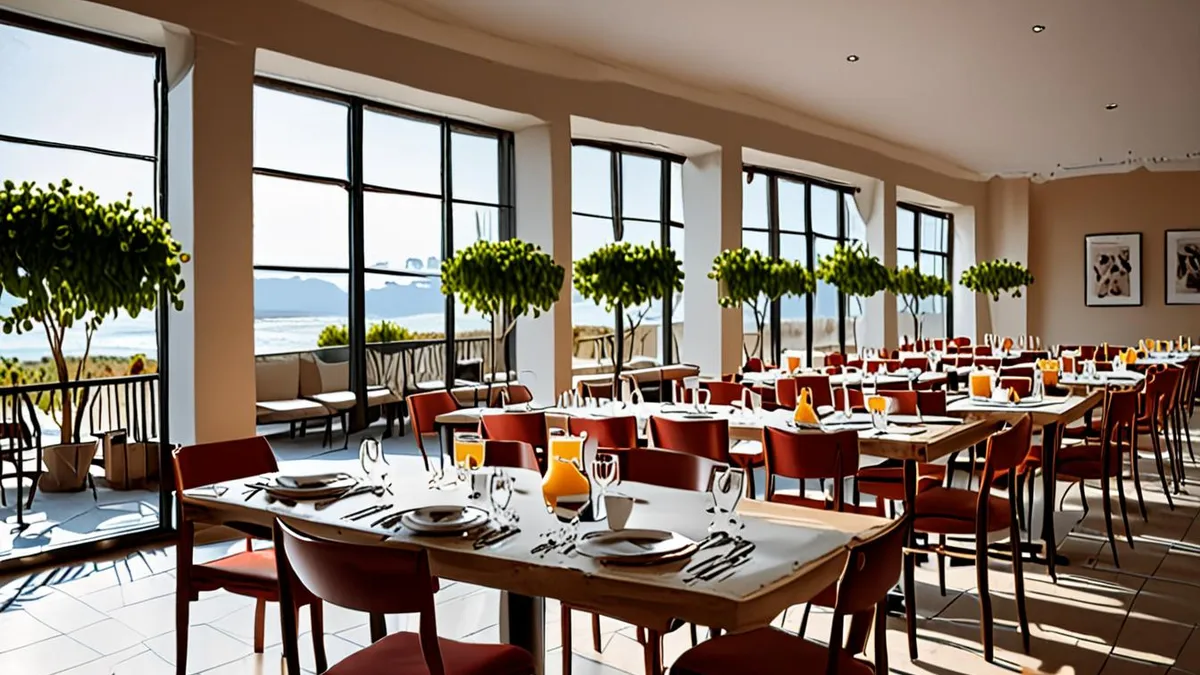
Finally, consider what happens when your group is awake. If you plan shared breakfasts, birthday toasts or a night of board games, ask whether the hotel has a lobby lounge, terrace, rooftop or bookable meeting room that suits your size. Some properties offer these spaces free to groups, others charge a fee or require a minimum spend, so confirm the terms before you promise the group anything.
- Ask about room location details beyond the floor: rooms near elevators are convenient for older guests but noisy at night, while rooms facing a pool or bar area can stay loud until late.
- Request accessible rooms explicitly if anyone needs one: these are limited in number and often get released to the general inventory unless they are named in your block.
- Confirm bed preferences in the rooming list itself: a note like “twin, high floor” per room gives the front desk something concrete to work from on arrival day.
- Check whether the communal space needs reserving in advance: a terrace that feels open in low season may be booked for private events during your dates.
Contracts, Deposits and Cancellation Deadlines
Group contracts come with more fine print than a standard reservation, and the fine print is where stress lives if you ignore it. A regular hotel booking lets you change plans with a quick email; a group contract binds you to dates, room counts and payment schedules in writing. Three dates matter more than anything else: the deposit deadline, the free-cancellation cutoff and the rooming list due date. Miss one and the costs land on you, not the hotel. Here is how to handle each one so nothing catches your group by surprise.
- Prepare for the deposit. Most hotels ask for a deposit of 10-25% of the total booking value, typically due within 30-60 days of signing the contract. Budget for this upfront and tell your group early, because the clock starts as soon as you sign, not when you check in.
- Mark the free-cancellation cutoff. Free cancellation on a group block usually ends 30-45 days before check-in. Put this date in the calendar of every organizer, not just your own, and set reminders a week before. After the cutoff, cancellations often mean losing the deposit or paying for unused rooms.
- Submit the final rooming list on time. Hotels typically want the final list of who sleeps in which room 30-45 days before arrival. Changes after that point can trigger attrition fees, especially if you release rooms the hotel could no longer sell.
One practical habit ties all three dates together: build a single shared calendar the day you sign. Add the deposit due date, the cancellation cutoff and the rooming list deadline, then work backward and set your own internal deadlines a couple of weeks earlier. That buffer gives you time to chase late payments, confirm final room assignments with your group and sort out last-minute swaps without negotiating with the hotel under pressure.
None of these deadlines are designed to trap you; they simply let the hotel plan staffing and inventory. Read the contract once with a highlighter, ask questions about anything vague, and get every answer in writing. If a clause about attrition, deposits or cancellation sounds unclear, call your hotel contact and ask them to explain it in plain language before you sign. A ten-minute conversation now can save you hundreds later and keeps the focus on the trip itself rather than an argument over who owes what.
Splitting Costs and Collecting Payments
Money is where group trips fall apart, not the booking itself. The single best rule: never chase one pooled sum from ten people. Instead, collect one payment per room, so each member or couple owes you a single, clearly defined amount.
This approach keeps responsibility personal. If someone pays late, you know exactly which room is at risk, and you can follow up with one person instead of untangling a shared pot where nobody remembers who contributed what. It also makes refunds simple if someone drops out before the hotel’s cancellation deadline.
Build a shared spreadsheet early
Set up a shared spreadsheet the moment you start collecting money. Track who has paid, how much, their room type and any dietary notes or special requests. One source of truth prevents the classic group booking disaster: two people independently reserving the same room type, or a vegetarian ending up on the banquet menu by accident. Give a co-organizer edit access so the list stays current even when you are traveling.
Set your own deadline first
Find out when the hotel expects your deposit or final payment, then set an internal deadline two weeks earlier. That buffer gives you time to chase the inevitable stragglers without panicking, and it means a single late payer cannot push your whole booking past the hotel’s cutoff. Announce the internal date clearly and repeat it, because someone will assume the hotel’s date applies to them.
Where Group-Friendly Stays Work Best
Not every hotel is built to handle a group, and choosing the wrong property type creates problems no contract can fix. The size and location of the property matter as much as the price, so match the venue to what your group actually needs before you start negotiating.
Larger hotels near city centers are usually the easiest starting point. They have the inventory to absorb a block of rooms, dedicated sales staff who handle group inquiries daily, and meeting space if you need it. A small boutique property with a dozen rooms may be charming, but your booking could represent half its inventory, which limits flexibility for both sides.
Scenic destinations need a different strategy. In fjord and lake regions, waterfront properties are the most desirable and the most constrained, because a single hotel may have only a handful of rooms facing the water. If a view is central to your trip, reserve early and consider splitting your group across two nearby properties rather than compromising on location. If Norway is on your list, this guide to Norway fjord hotels for scenic waterfront stays shows what to expect from lakeside and fjord-side properties.
- Aparthotels suit groups who want to cook together; they typically offer kitchens or kitchenettes in every unit, which cuts food costs and gives you a natural gathering spot, though daily housekeeping and front-desk service are usually lighter than a full hotel.
- Homestay clusters work when several families rent nearby apartments or guesthouses in the same village or building. You keep shared space and privacy, but you lose the single point of contact a hotel sales team provides, so one organizer must coordinate everything directly with each host.
- Hybrid splits can be the best of both worlds: book the core group into a larger hotel and place a few members in a nearby aparthotel, keeping everyone within walking distance while stretching the budget further.
Whichever property type you choose, confirm in writing how many rooms you are actually holding. Verbal promises about availability mean little once peak season demand kicks in.
Your Stress-Free Group Booking Checklist
Booking a hotel for a large group feels stressful because you are juggling rooms, budgets and deadlines for a dozen people at once, and one missed step can cost you the whole block. The fix is simple: book 6-9 months ahead, secure a group rate, and get room placement, deposit amounts and cancellation dates in writing before anyone pays a cent.
From there, it comes down to tracking payments per room and setting your own internal deadlines a step ahead of the hotel’s cutoffs. With clear dates and deadlines, booking a hotel for a large group stops being a headache and becomes a simple checklist. If this guide helped you plan your next group trip, leave a comment or share it with your fellow travelers.