Scrolling through hotel listings and puzzled by the words full board, half board or B&B next to the price? You are not alone. These hotel meal plans can make a real difference to your budget, and picking the wrong one either leaves you paying for dinners you never eat or scrambling for restaurants in a town where everything closes at nine.
This guide breaks down what each meal plan actually includes, what the upgrades typically cost, and which trips they suit best. You will find practical advice on when half board is the smart choice, when full board or all-inclusive makes sense, and how to check the fine print before booking. There is also a section on matching the meal plan to your destination, from city breaks to remote mountain hotels, plus a quick recap at the end. By the time you finish reading, you will know exactly which option fits your itinerary and your wallet.
What Each Hotel Meal Plan Actually Includes
B&B, short for bed and breakfast, is the simplest option on any hotel rate card. You get your room for the night plus breakfast in the morning, and nothing else. In most European hotels that breakfast is a continental spread: bread, pastries, coffee, juice and fruit, usually served in a set morning window. Lunch and dinner are entirely your own arrangement.
Half board takes things one step further by bundling breakfast with one main meal, and in practice that meal is almost always dinner. You check in, eat breakfast at the hotel, spend the day as you please, then return for an evening meal. Lunch is left for you to sort out, which suits travelers who are out and about all day.
Full board and all-inclusive
Full board covers all three meals: breakfast, lunch and dinner. It sounds generous, but read the details carefully, because drinks outside breakfast are often charged separately, sometimes even water at the dinner table. All-inclusive goes a step beyond full board by adding drinks and snacks throughout the day, and it appears mainly at resort properties rather than city hotels. Knowing these differences is the first step to choosing the plan that actually matches how you travel.
What Meal Plans Typically Cost
So how much extra does a meal plan actually cost? Half board generally adds 20-40 euros per person per night on top of a B&B rate, which is often less than you would spend on a single restaurant dinner with a drink or two. Full board typically runs 40-70 euros per person per night above B&B, depending heavily on the destination and the hotel category. A four-star mountain hotel will charge more for its meal plan than a simple family-run guesthouse.
The real question is whether that surcharge beats what you would pay eating out. In most European destinations, a simple lunch costs 15-30 euros per person, so two restaurant meals a day can quickly overtake the price of a plan. Before committing, run the numbers for your specific trip. These factors are easy to overlook:
- Drinks exclusions: many full board rates charge separately for water, soft drinks and wine at dinner, which can quietly add several euros per person per meal to your final bill.
- Hotel category: the same half board upgrade costs more at a resort than at a small guesthouse, so compare the surcharge within your own price bracket, not against generic averages.
- Meal quality versus local dining: a 25 euro dinner surcharge is excellent value if the hotel restaurant is good, but poor value if the town outside offers better food at similar prices.
Prices shift by season and property, so treat these figures as a guide and always check the current surcharge when booking.
When Half Board Is the Smart Choice
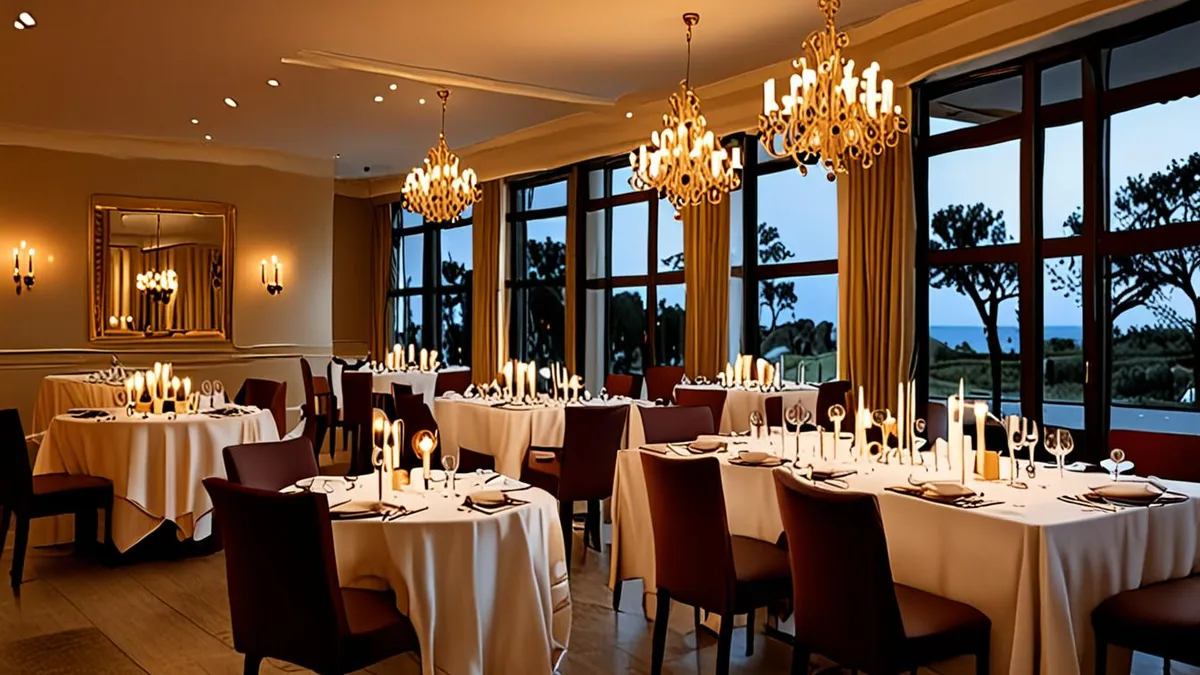
Half board shines when your days are full and your evenings are quiet. If you head out all day on excursions, hiking, sightseeing or boat trips, you will not be anywhere near a lunch table anyway, and you only return to the hotel in time for dinner. Paying for lunch you cannot eat makes no sense, which is exactly why half board, not full board, fits day-trip itineraries so well.
It also suits destinations where evening restaurants near the hotel are limited or close early. In small mountain villages or coastal spots outside the high season, the choice after dark can come down to one pizzeria. A reliable hotel dinner removes the guesswork entirely.
Check the dinner times before you book
Fixed dinner times matter more than most travelers expect. Some hotels expect you at the table within a window such as 19:00-20:30, while others offer flexible seating throughout the evening. If your excursion gets back late, a rigid seating time turns your included dinner into a missed one.
On the flip side, if you plan to eat out in town at night, half board money is wasted. There is little point paying twice for dinner, so choose B&B instead and keep your evenings free to explore the local restaurant scene.
When Full Board or All-Inclusive Makes Sense
Full board earns its price at isolated hotels where eating out is not really an option. Think of a mountain lodge reached by a winding road or a lakeside resort where the nearest restaurant sits several kilometers away. When returning to the hotel for every meal is the practical choice anyway, paying for all three meals in advance simply makes sense.
There is also a budgeting benefit. With full board, you know your food costs before you arrive, and there is nothing to calculate each day. This is especially useful on winter sports trips, where you burn serious energy on the slopes and genuinely eat three solid meals a day. If you are planning a skiing getaway, our guide to ski hotels in Andorra for winter sports trips shows how mountain properties handle meal plans in practice.
When all-inclusive beats everything else
All-inclusive pays off mainly at beach and ski resorts where guests spend most of the day on-site. If you want a drink by the pool, snacks between meals and no decisions about where to eat, the upgrade covers it all. In walkable city destinations, on the other hand, full board rarely makes sense. When restaurants are steps from your door, you would be paying for meals you will skip in favor of eating out.
How to Check the Fine Print Before Booking
Meal plans look straightforward on booking sites, but the fine print hides in the rate description. Before you commit, spend a few minutes confirming exactly what you are paying for, because surprises usually appear at dinner rather than at check-in.
The most common issue is drinks. Many full board and half board rates cover the food itself but leave beverages out of the deal, meaning water, soft drinks and wine served with your meal end up on a separate bill. A glass of tap water that turns up as an extra charge can sour an otherwise good deal, so email or call the hotel directly before booking and ask them to confirm in writing what is included.
A quick checklist to run through
- Breakfast hours: a typical 7:00-10:00 serving window can clash with early tours or late mornings, so check whether the hotel offers an earlier coffee or a later seating.
- Dress codes and seating: some resort hotels expect guests to dress up for dinner or assign fixed seating at a set time, which may not suit families with young children.
- Refunds for missed meals: most hotels do not credit skipped dinners, so ask whether unused meals are refundable or transferable before you pay for a plan you might not fully use.
It also pays to read recent guest reviews, since travelers often mention drink surcharges, rigid dining times or small portions long before the hotel admits to them. If reviews repeatedly flag extra charges at dinner, treat that as a warning sign and budget for it. Taking ten minutes to verify these points protects you from paying twice for the same dinner or discovering that your included breakfast ends before your day even starts.
Matching the Meal Plan to Your Destination
The right meal plan depends less on the hotel itself and more on where it stands. In walkable cities, eating out is part of the trip, so lock in a B&B rate and keep your evenings free. A city break in Zagreb or Edinburgh usually calls for exactly that: breakfast at the hotel, then lunch and dinner in town, where restaurants sit steps from your door and offer far more variety than any hotel dining room.
Waterfront and mountain stays
Scenic locations flip the logic. At fjord-side hotels or properties high in the mountains, on-site dining is often the only practical option, especially after a long day of hiking or sightseeing. Here, paying extra for dinner at the hotel is usually money well spent, since the nearest restaurant may be several kilometers down the road. If you are weighing this choice for a mountain trip, our article on High Tatras hotels for mountain views covers how meal plans work at properties in that region.
Resort-heavy destinations deserve extra comparison. Many beach and ski resorts sell both half board and all-inclusive, and the better value depends on how much time you plan to spend on-site. If you expect to lounge by the pool or on the beach all day, the drinks and snacks included in an all-inclusive rate can add up fast. If you plan excursions and only return for dinner, half board often covers everything you need. Compare the two before committing rather than assuming all-inclusive is automatically the better deal.
Finally, remote homestays and rural guesthouses often sit outside the standard labels. Instead of half board or full board, they may offer a home-cooked dinner for a separate fee, arranged day by day. These arrangements can be the highlight of a rural stay, so ask the host directly about dinner options when you book.
Quick Recap: Picking Between B&B, Half Board and Full Board
So which meal plan actually saves you money? Start with your itinerary. B&B means breakfast only and suits city trips with plenty of restaurants nearby, where you will want the freedom to eat lunch and dinner in town. Half board adds dinner on top of breakfast and fits day-trip itineraries, when you are out all day and return to the hotel each evening.
Full board covers all meals and shines at remote resorts, where the nearest restaurant may be far away and you want predictable costs. Before you book, always verify drinks, dining hours and flexibility in the rate details, since these small print points decide whether the plan is a bargain or a waste. If this helped you sort out B&B, half board and full board, leave a comment or share the article with a fellow traveler.