You’ve decided on a self-catering break, you’ve picked a rough area, and now you’re stuck between two stay types that look almost identical in the photos. So when it comes to lodge vs holiday cottage, what actually separates them once you arrive? The differences are bigger than most travelers expect, and they affect how your group lives, cooks and relaxes for the whole week.
This guide walks through the core differences first, then digs into space and layout, kitchen practicalities, location and setting, and the facilities each stay type typically offers. We’ll also compare costs, deposits and booking lead times, so you can match your budget to the right option. By the end, you’ll know whether a timber lodge on a managed park or a stone cottage down a village lane suits your group, your season and the kind of break you want.
Lodge vs Holiday Cottage: The Core Differences at a Glance
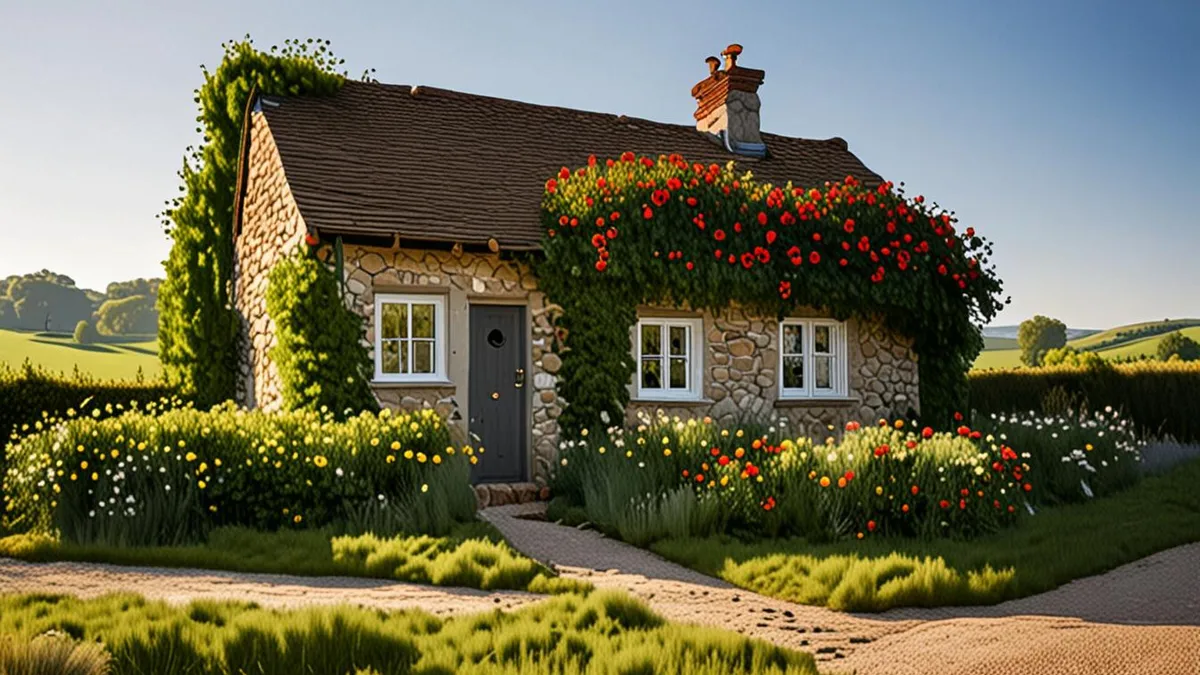
The simplest way to understand the lodge vs holiday cottage question is to look at what each building actually is. A lodge is a purpose-built timber unit, designed and constructed as holiday accommodation from day one. These are almost always placed on managed parks, where an operator maintains the grounds, the access roads and any shared facilities. A cottage, by contrast, is an individual building, often a converted barn, an old farmworker’s home or a traditional stone or brick house that has been adapted for holiday lets. Cottages stand in villages, on rural lanes or in open countryside, with no park operator involved.
How the interiors differ
Because lodges are built new, their layouts favour modern open-plan living: kitchen, dining and lounge areas flow together, and large decking outside extends that space in fine weather. Cottages lean the other way, offering character features such as exposed beams, inglenook fireplaces and separate rooms that have evolved over centuries rather than being drawn on a plan.
What the setting means for your stay
Setting is where the two stay types diverge most in day-to-day feel. Lodge parks cluster stays together, sometimes quite closely, so you can expect neighbors within sight or earshot and a certain amount of coming and going around you. Cottages stand alone, which usually means more privacy and quieter evenings, though it also means you won’t have park staff or facilities on the doorstep. Neither setup is better; they simply create different expectations for noise, privacy and how much you interact with other guests during your week away.
Space, Layout and Who Each Stay Suits
Space is where the two stay types serve genuinely different groups. Lodges usually sleep between 2 and 8 people, with compact bedrooms arranged around one open-plan lounge and kitchen area. That single social space is exactly why lodges suit families with children: everyone can spread out in the same room, parents can cook while keeping an eye on the kids, and nobody disappears upstairs for the evening. If your group spends its evenings together anyway, the open-plan layout works in your favour.
How cottages handle bigger or mixed groups
Cottages cover a wider range, from cozy 2-person boltholes to farmhouses sleeping 10 or more. Larger cottages typically offer separate living rooms, which matters for mixed-age groups: teenagers can retreat to one room while grandparents relax in another, and early risers don’t wake the whole house. If your party spans generations and everyone wants their own corner, a cottage’s room-by-room layout gives you that flexibility.
Check the bedroom configurations carefully
Whichever way you lean, look closely at how the sleeping arrangements are actually set up. Lodges often rely on twin beds and sofa beds to reach their advertised capacity, so a “sleeps 6” lodge might mean four proper beds plus a pull-out. Cottages more often offer proper double beds in each bedroom. Before booking, it’s worth reading through what to check about lodge beds and sleeping arrangements so nobody in your group ends up on a sofa bed they weren’t expecting.
Kitchens and Self-Catering Practicalities
Self-catering lives or dies on the kitchen, so it’s worth knowing what each stay type typically provides before you book. Lodge kitchens are usually compact but modern: full ovens and hobs are standard, along with a fridge, microwave and enough cupboard space for a week’s essentials. Everything is sized for simple family meals rather than ambitious cooking, which suits most lodge stays where you’re out exploring during the day and cooking something straightforward in the evening. For a fuller breakdown, this guide to lodge kitchen facilities explains what to expect when cooking on a lodge break.
Why cottage kitchens vary so much
Cottage kitchens are far less predictable. You might find a narrow galley kitchen in a small village bolthole, or a range cooker and a big farmhouse table in a converted barn sleeping 10 or more. That variety is part of the charm, but it creates a practical risk for group cooking: a large party trying to cook a roast in a small oven will struggle. Always check the oven size and hob type in the listing, and look closely at photos of the cooking area before committing, especially if your group plans to self-cater every evening rather than eating out.
What you need to bring
Both stay types expect you to bring the basics: food, condiments, foil, cling film and often tea towels. Some owners provide a welcome pack or starter supplies such as tea, coffee, milk and a few store-cupboard staples, but this varies enormously and is rarely guaranteed. Confirm with the owner or operator before booking whether any starter supplies are included, so your first evening doesn’t start with a dash to the nearest shop after check-in. A quick message ahead of arrival costs nothing and saves a soggy supermarket run.
Location and Setting: Coast, Countryside and Parks
Where you stay shapes your whole trip, and this is where lodges and cottages differ most. Lodges concentrate in purpose-built park settings: woodland clearings, lakeside plots and coastal parks, often around 1–3 miles from the nearest town. That means you will usually drive to shops, restaurants and attractions, so factor in parking and a short daily commute.
Cottages, by contrast, sit in villages and along rural lanes as standalone buildings. Pubs, village shops and footpaths are far more often within walking distance, which makes them a natural pick if you want to park the car for a few days and explore on foot. A cottage on a village green or down a farm track also tends to feel more private than a lodge on a managed park, where neighboring decks are usually in sight.
Coastal stays and what they cost
By the sea, the price gap widens. Coastal cottages in peak summer often exceed £1,500 per week, especially in popular seaside villages, while park lodges near the same beaches can undercut them. If the beach is your priority, it pays to compare both options before assuming a cottage is the only choice. For help weighing up a coastal lodge, see this guide to picking a lodge base near the beach.
Facilities and Extras: Hot Tubs, Pools and Outdoor Space
Facilities are one of the biggest practical differences between the two stay types. Lodge parks commonly add shared amenities that a standalone cottage simply cannot offer: indoor pools, playgrounds, bars or takeaway food on site, and sometimes entertainment during busier periods. If you are traveling with children, having a pool a two-minute walk away can shape the whole holiday, giving you a wet-weather backup that does not involve a car journey.
Hot tubs and outdoor living
Private hot tubs appear on both lodges and cottages, so you can get that experience either way. The difference is how much of your stay happens outdoors. Lodges are built around it: generous decking, outdoor furniture and, on many parks, fire pits make the deck a second living room through the warmer months. On a lodge holiday, you will likely spend more evenings outside than you expect.
Cottages trade shared facilities for character and privacy. The usual perks are wood burners for chilly evenings, enclosed gardens where children or dogs can roam safely, and private parking on the doorstep. You give up the pool and the playground, but you gain a quiet garden and a fire to sit beside. Think about which trade suits your group: families with young kids often value the park facilities, while couples and mixed-age groups tend to prefer the cottage’s peace and space to themselves.
Costs, Deposits and Booking Lead Times
Budget often decides the argument, so it helps to know the typical numbers. In shoulder season, expect around £400–£900 per week for a lodge and £450–£1,200 for a cottage. In peak summer, roughly late July to early September, prices at both stay types can roughly double, which is why the same week in August can cost twice what it does in June.
When to book and when to go
Timing matters as much as the stay type. For summer weeks, book 4–6 months ahead to secure the best choice of lodge or cottage; leaving it late usually means slim pickings and higher prices. If your dates are flexible, shoulder months such as May, June and September can be 20–30% cheaper, with quieter roads and beaches thrown in. Off-peak, booking 1–2 months ahead can still work out fine.
Finally, budget for the extras beyond the weekly rate. Both stay types typically take a refundable damage deposit of £100–£300 at check-in, returned after your stay if everything is in order. Add possible pet fees, linen hire or a charge for extras like hot tub use, and check the booking terms before you pay so there are no surprises at check-in.
Which Self-Catering Stay Should You Choose?
If you want a break built around facilities and easy family time, a lodge is the natural pick. You get shared extras like pools, single-level open-plan living that keeps everyone together, and noticeably lower prices in the shoulder months. If character, a village location and privacy matter more to you, a cottage wins: you trade the on-site extras for beams, wood burners and your own space away from neighboring stays.
The deciding factors come down to your group, your season and your budget. Bigger or mixed-age groups often suit a cottage’s separate rooms, while smaller families may find a lodge’s layout works better. Traveling outside peak summer stretches your money further at either stay type, and the cost and space comparisons above should help you weigh the two fairly. If this helped you choose, leave a comment or share the article with someone planning their next break.