You love the idea of yurt holidays in Europe: a round canvas home in a meadow, wood smoke in the evening, stars overhead instead of a ceiling. But when you start looking into actually booking one, the questions pile up. What does a yurt stay really involve? Are they warm, private, comfortable? And how do you secure a good one before the best sites are gone?
This guide walks you through the whole experience, from what a yurt is actually like inside to where they work best, when to go, what a night typically costs, and how to book without surprises. You’ll also find a practical packing list so you’re not caught out on your first night. The short version: most European yurts sleep two to five guests, nightly rates typically run from €80 for basic models to €250 or more for luxury versions with private bathrooms, and the best spots for peak season are often booked three to six months ahead. Let’s get into the details.
What Is a Yurt Stay Actually Like?
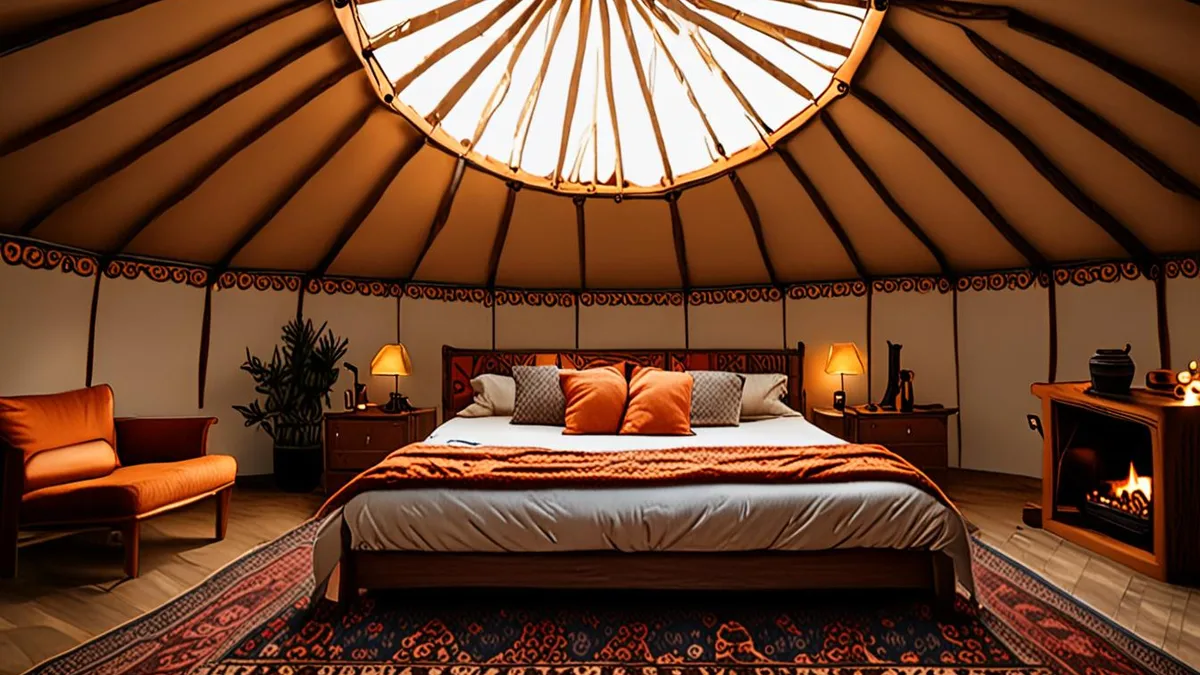
A yurt is a round tent built for comfort rather than backpacking. The structure is a circular lattice wall of wooden slats, typically 4-6 meters across, covered with a weatherproof canvas or PVC shell. In the center of the roof sits a skylight dome that lets in daylight and, on clear nights, a view of the stars. Underfoot you will usually find a wooden platform or a sturdy canvas floor, often with rugs layered on top.
Furnishings vary by price level, but the baseline is far above camping. Expect a proper bed or two, rugs, lighting powered by solar panels or mains electricity, and some form of storage for your clothes. Step up to a mid-range or luxury yurt and you often get an en-suite bathroom, a small kitchenette, and sometimes extras like a wood-fired hot tub on the deck.
The atmosphere inside
Spending a night in a yurt feels warm, quiet and close to nature, with one honest caveat: the walls are fabric. That means soft morning light filtering through the canvas, but also the sound of rain on the roof and birdsong at dawn. Most guests find this part of the charm. If you are a light sleeper, a pair of earplugs in your bag makes the difference between a restless night and a great one.
Where in Europe Yurt Holidays Work Best
The good news is that yurt sites have spread across most of Europe, so you can usually pick a landscape that matches your trip rather than settling for whatever is closest. The trade-off is season length: the further north or higher you go, the shorter the window when sites open. Matching the right region to the right time of year is the single biggest factor in whether your stay feels magical or miserable, so it deserves a few minutes of thought before you book anything.
The main regions break down like this:
- Austria, Slovenia and the French Alps deliver dramatic mountain meadow settings, with sites often sitting at altitude where evenings stay cool even in July, so ask about heating or a stove before booking.
- The UK and Ireland offer the densest choice of woodland yurt sites, many on working farms or small campsites, which makes them easy to combine with road trips and short breaks without much forward planning.
- Scandinavia pairs coastal and lakeside yurt sites with long summer daylight hours, ideal if you want midnight-bright evenings rather than mountain views.
- Portugal and southern Spain are the outliers: their milder weather allows off-season stays with stoves from October to April, making them the go-to for a winter yurt trip.
If you have a fixed travel window, choose the region that suits it rather than the other way around. If you are flexible, the Alps in summer and southern Iberia in the cooler months give you two very different but equally rewarding experiences, and both are worth trying if yurt holidays become a habit.
When to Go: Seasons and Weather
For most of Europe, the reliable yurt season runs from May to September. Within that window, weather is generally warm enough for canvas walls to feel cozy rather than drafty, and sites are fully staffed with facilities open. Alpine sites are the exception: many only open from June to September, because mountain meadows stay cold and wet well into spring.
The shoulder-month advantage
May and late September deserve a special mention. These shoulder months typically bring lower prices and quieter sites, since families cluster around school holidays and the peak of summer. The compromise is cooler nights, sometimes noticeably so, so pack warm layers and check whether your yurt has a stove or electric heater. For travelers who value calm over heat, shoulder season is often the sweet spot.
Can you do a winter yurt trip?
Winter yurt trips in Europe are only realistic in two cases: milder southern regions such as Portugal and southern Spain, where off-season stays with stoves are possible from October to April, or sites that specifically offer insulated yurts with proper heating. Standard summer yurts are not built for freezing nights, so never assume a site is open in winter. Always confirm the season, the heating setup and what facilities stay running before you commit to a cold-weather booking.
How Much a Yurt Holiday Costs
Yurt holidays sit in the middle of the glamping price range. For a standard yurt with shared bathroom facilities, expect to pay roughly €80-150 per night. That usually gets you a proper bed, heating of some kind and a site in a scenic setting, whether that is an Alpine meadow or a quiet patch of woodland.
At the top end, luxury yurts with private bathrooms and hot tubs typically run €200-250 or more per night. These often add extras like wood-fired saunas, breakfast hampers or furnished decks, and they are common in Alpine regions and along the coast in the UK and Ireland.
Why the minimum trip often costs more than one night
Before you budget, check the minimum stay. Many yurt sites require a 2-night minimum on weekends, which means a basic weekend trip often starts around €160-300 rather than the headline nightly rate. Midweek stays are usually easier to book for a single night and can bring the total down.
Also ask what is included. Bedding, towels and firewood are covered at most sites, but a few charge extra, so it pays to confirm before you pay. If you want to see how yurts stack up against safari tents, cabins and other options, it helps to read a guide to typical glamping prices before you commit.
How to Book a Yurt Stay
Booking a yurt is straightforward, but the good sites fill up quickly, especially in summer. A little planning makes the difference between the meadow yurt you pictured and the leftover option near the car park. If it is your first glamping trip, it helps to read up on how to choose the perfect glamping site for your first trip before you commit.
- Book 3-6 months ahead for peak season. The reliable season in most of Europe runs May to September, and the best yurts in popular regions are reserved early. Summer weekends often sell out even before that window, so if you have your heart set on a specific site, book as soon as dates open.
- Check the facilities before paying. Read the listing carefully and confirm whether the yurt has a private bathroom or relies on a shared block, whether there is real heating or just a stove, and whether bedding and towels are included. These details vary a lot between sites and change how comfortable your stay will be.
- Confirm the practical details directly with the site. Ask about check-in times, minimum-stay rules and cancellation terms. Many sites require two nights on weekends, and rural locations can have limited or late check-in windows. Getting this in writing avoids surprises after a long drive.
Once your dates are confirmed, ask about arrival logistics too, such as parking distance from the yurt and whether you need to bring firewood or food. A quick email covers everything, and most small sites are happy to answer. It also gives you a feel for how responsive the owners are, which says a lot about how the stay itself will go. Then all that is left is to look forward to your night under a round roof.
What to Pack for a Yurt Night
Packing for a yurt is closer to camping than to a hotel stay, even when the yurt has a proper bed. Canvas walls are thin, and temperatures inside drop quickly once the sun goes down, so the biggest mistake first-timers make is underestimating how cold a summer night can feel. Bring more warmth than you think you need, and pack light enough to carry your bag across a grassy field.
Space inside is limited too. Most European yurts sleep 2-5 guests in roughly 12-28 square meters, so there is no room to spread out a hard-shell suitcase. If you want to be thorough, it helps to work through a complete glamping packing checklist, but these are the items that matter most for a yurt night:
- Warm layers and thick socks. A fleece or wool jumper for the evening plus dry socks for bed makes a real difference, since canvas cools fast after sunset even in July.
- A torch or headlamp. Shared bathroom blocks are often a short walk away, paths are unlit, and phone torches are awkward when you are also carrying a towel and wash bag.
- Slip-on shoes. You will be stepping in and out of the yurt repeatedly, often barefoot or in socks, and laces get tedious fast.
- A soft duffel or backpack. It folds flat, squeezes through the door and stores under the bed, unlike a rigid suitcase that eats floor space.
One last tip: leave valuables and bulky electronics at home or in the car. Yurts feel secure, but they are fabric structures on open sites, and you will enjoy the evening more without worrying about your gear.
Ready to Sleep Under a Round Roof
A yurt holiday in Europe is easier to plan than it first looks. You now know what the stay involves: a round canvas home with a real bed, a season that mostly runs May to September, and nightly rates from €80 for simple sites up to €250+ for luxury yurts with private bathrooms. The main decision is where and when, since that shapes everything else, from the weather you’ll get to the price you’ll pay.
The booking part follows a simple order. Pick your region and season first, then reserve 3-6 months ahead for peak dates and confirm the details that matter to you, like bathroom access, heating and bedding, before you pay. Do that, and your round roof under the stars is all but sorted. If this helped you plan your trip, leave a comment or share the article with a fellow traveler.