Few Croatian cities vary as much by neighborhood as Split, and deciding where to stay in Split matters more than most travelers expect. Pick a room deep inside the old town and you may trade sleep for atmosphere during the busy summer nights. Choose the outskirts to save money and you could spend half your vacation walking to the beach or the ferry port. The right base depends on whether your trip is built around sightseeing, swimming, island-hopping or simply getting a good night’s rest.
This guide breaks Split into four practical areas: the old town and Diocletian’s Palace, the beachside Bacvice district, the Riva waterfront near the ferry port, and the quieter residential zones of Manusevac and Znjan. For each one, you’ll find what the area feels like, who it suits best, and what typical rates look like. We’ll also cover when to book for the best prices and how to match your neighborhood to your travel style.
Old Town and Diocletian’s Palace: Stay in the Heart of Split
Staying inside Diocletian’s Palace means waking up in the middle of everything. Restaurants, cafes, the cathedral, the cellars and the seafront are all within a 5 to 10 minute walk, so you can pop back to your room for a break between sightseeing stops. There’s no commuting, no planning around buses, and you can enjoy a glass of wine at dinner without worrying about the walk home.
Accommodation here is different from most city centers. Rather than large modern hotels, you’ll find converted stone buildings with boutique-style rooms, often spread across several floors of ancient structures. Limestone alleys wind between them, and many rooms have low ceilings, thick walls and plenty of character. If you want polish and elevators, check the property details carefully before booking.
The noise question
Nightlife noise is real in summer, especially around the palace’s bars and open-air cafes that stay lively late into the night. Light sleepers should look for rooms on upper floors or facing an inner courtyard rather than the main lanes. Reading recent guest reviews will tell you quickly which buildings are quiet and which ones thump until the early hours.
On pricing, high-season rates here typically run 120 to 250 EUR per night, with the most atmospheric boutique rooms at the upper end. You’re paying for location above all, and in July and August that premium is hard to avoid inside the palace walls.
Bacvice: Split’s Beachside Neighborhood
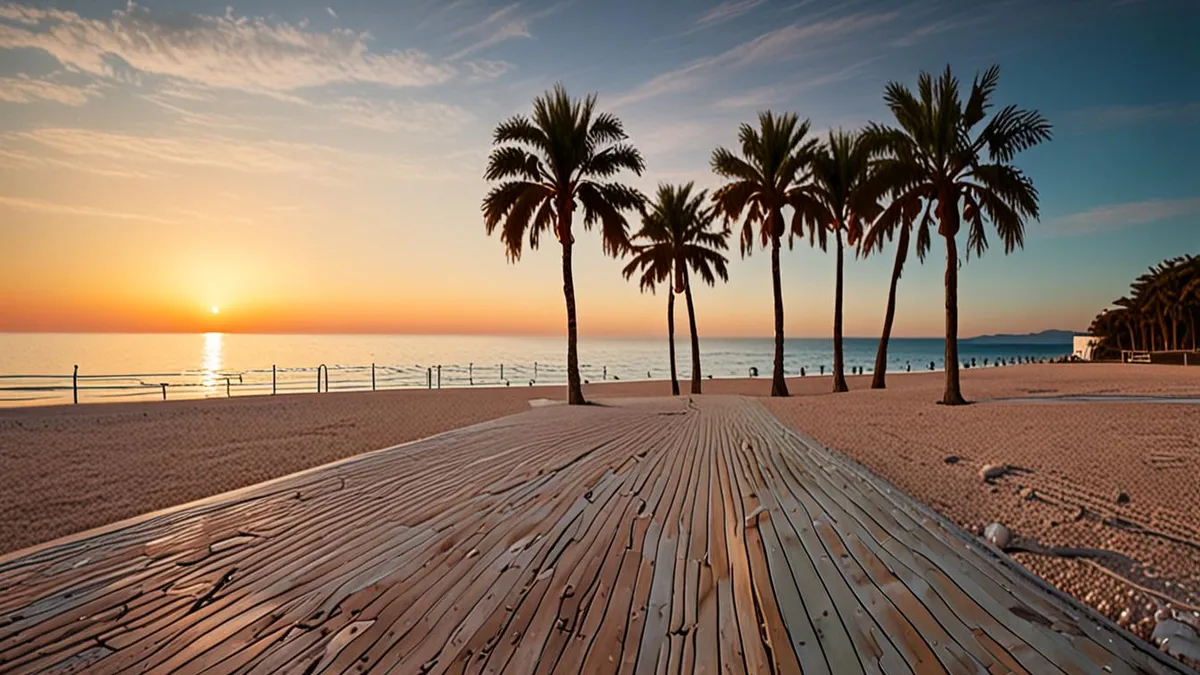
Bacvice sits 15 to 20 minutes on foot from the old town and is home to Split’s main sandy beach. That matters more than you might think: most of the Dalmatian coast is rocky or pebbly, so a proper stretch of sand where kids can play and you can lie on a towel is a genuine advantage. The beach slopes gently into shallow water, which makes it a favorite with families.
Who Bacvice suits best
This neighborhood is best suited for families and beach-focused travelers who want swimming before sightseeing. Start your morning with a dip, have breakfast on a terrace, then head into the old town when you feel like it. The walk to Diocletian’s Palace is flat and pleasant along the waterfront, so you’re never cut off from the sights.
Your budget also stretches further here. Hotels and guesthouses in Bacvice are often 10 to 20 percent cheaper than comparable places in the palace center, which over a week adds up to a meaningful saving.
Evenings are calmer than in the old town, too. Instead of crowded lanes packed with bar-hoppers, you get beach bars, ice cream stands and restaurants with terraces facing the water. If your ideal Split day ends with your feet in the sand rather than in a crowd, Bacvice is the neighborhood for you.
Riva Waterfront and Ferry Port Area
If island-hopping is the point of your trip, the Riva promenade and the ferry port area is the most convenient base you can pick. Split’s ferry port connects to Hvar, Brac and Vis, with crossings mostly taking 40 minutes to 2 hours depending on the route and vessel. Staying a few minutes from the docks means you can grab a coffee, walk on board with your day pack and be underway without any morning rush.
This area is also ideal for short stays and for travelers arriving late by ferry who want minimal walking with luggage. Many of the city’s main hotels sit along or just behind the promenade, so you can step off the boat and be at your room in under ten minutes. If you enjoy waking up to a sea view, you may also like our guide to waterfront hotels with scenic harbor views for a very different coastline.
Choosing your room wisely
One caveat: seafront rooms can be noisy from promenade cafes in summer, when terraces along the Riva stay busy late into the evening. Ask for a rear-facing room or a higher floor when booking, and you’ll get the convenience without the soundtrack.
On price, rates here fall between old town and Bacvice pricing, roughly 90 to 180 EUR in peak season. For travelers passing through for a night or two, that middle ground is often exactly right.
Quiet Residential Areas: Manusevac and Znjan
If your budget matters more than being steps from Diocletian’s Palace, the residential neighborhoods north and east of the center deserve a serious look. These areas trade postcard location for space, calm and noticeably lower prices, and many travelers end up preferring them.
Manusevac: space and quiet north of the center
Manusevac sits north of the old town and is popular with local families, which means you get a genuine neighborhood feel rather than a tourist bubble. Rooms and apartments here tend to be larger than the compact units inside the palace walls, and summer rates typically run around 60 to 110 EUR per night. That is a real saving if you are staying a week or more.
Znjan: the practical pick for drivers
Znjan lies east of Bacvice and works best for travelers with a rental car or anyone planning a longer stay. You will find pebble beaches along the coast here, plus easier parking than anywhere near the center. Apartments dominate the accommodation mix, often with kitchens and balconies that make extended visits far more comfortable.
The trade-off is location. Both areas need a 20 to 30 minute walk or a short bus ride to reach the old town, so factor that into each day’s plan. If you prioritize space, quiet nights and value over rolling out of bed into a limestone alley, Manusevac or Znjan will stretch your budget much further than the palace center ever could.
When to Book and What to Pay in Split
Timing your booking matters in Split almost as much as picking the right neighborhood. Summer demand is strong and concentrated into a few short months, so the same room can swing dramatically in price depending on when you reserve it. A little planning goes a long way here.
For July and August stays, book 3 to 6 months ahead. That window is when mid-range hotels still have availability at reasonable rates, and you can be picky about room type and view rather than taking whatever is left. Once high season gets close, old town availability shrinks fast and prices can spike above 250 EUR per night, so last-minute summer bookings rarely pay off.
Shifting your dates is the easiest way to save. The shoulder-season months of May, June, September and October bring milder weather and rates that often drop to roughly 70 to 140 EUR per night, sometimes in the very same properties that charge double in August. The sea is still pleasant for swimming in September, and popular sights are noticeably less crowded.
- Watch the day of the week. Weekday stays in shoulder season often come 15 to 25 percent cheaper than weekends, since weekend demand is driven by regional short-break travelers.
- Check cancellation terms before committing early. Booking months ahead is safer if you choose a flexible rate, since plans can change over a long lead time.
- Compare apartment rates against hotels for longer trips. Weekly apartment pricing in shoulder season can undercut hotel stays, especially outside the old town.
How to Choose Where to Stay in Split for Your Trip
The right neighborhood depends on what kind of trip you are planning. A three-day city break and a two-week beach holiday call for completely different bases, so start with your main goal and work backward.
If you are a first-time visitor with only 2 to 3 days, pick the old town. Diocletian’s Palace, the Riva and the main sights sit within a few minutes of each other, and staying inside the walls means you spend your limited time sightseeing rather than commuting. For a beach holiday of a week or more, Bacvice or Znjan make more sense, since you will want easy swimming access and room to settle in.
- Island-hoppers: prioritize the Riva and port area. Early ferry departures to Hvar, Brac and Vis are far less stressful when the terminal is a short walk from your bed.
- Drivers: look toward Znjan or other outer areas, where parking is easier than in the narrow streets around the palace.
- Late arrivals: if you land in the evening, staying near the Riva or port means minimal walking with luggage.
Finally, match your pick to your arrival point. Split airport is roughly 25 km from the city center, about 30 minutes by shuttle bus, so even the farthest neighborhoods remain manageable. Check your operator’s current schedule and plan your first transfer before you commit to a booking.
Wrapping Up Your Split Hotel Choice
Picking the right neighborhood matters more in Split than in most cities, because each area delivers a genuinely different trip. The old town works best for short sightseeing stays, Bacvice suits beach-focused travelers, and the Riva makes sense for island-hoppers. If you want more space or a quieter base for a longer visit, Manusevac and Znjan offer the strongest value.
Timing shapes your budget just as much as location. Booking 3 to 6 months ahead keeps July and August rates in the 120 to 250 EUR range instead of the higher last-minute prices, while shoulder-season travel in May, June, September or October combines milder weather with noticeably lower rates. Match the neighborhood to your trip style and book early, and Split becomes an easy city to get right. If this helped you plan, leave a comment or share the article with a fellow traveler.