You want a quiet countryside escape with your partner, but choosing the right lodge, timing and location feels overwhelming. There are hundreds of options, every website promises seclusion, and it is hard to know which details actually matter for a couple who wants peace rather than a packed schedule. Lodge breaks for two solve this puzzle surprisingly well, because the format itself is simple: one private building, one natural setting, and no one else to share it with.
This guide walks you through the decisions that make or break the trip. We will look at why self-contained lodges suit couples so well, which seasons offer the best mix of weather and price, how to choose a lodge with the right features, and how to match the setting to your pace. We will also cover booking and budgeting, planning relaxed days together, and a short checklist to pull the whole plan together before you go.
Why Lodge Breaks for Two Work So Well in the Countryside
The biggest difference between a lodge and a hotel is who you share space with. In a hotel, even a good one, you pass through a lobby, ride an elevator and walk a corridor to reach your room, and you hear neighbors through the walls. A self-contained lodge removes all of that. Your front door opens straight onto your own living space, and the nearest other guests might be out of sight entirely. For couples who want to talk, read or simply be quiet together without an audience, that privacy is hard to beat.
What the countryside adds
The setting does the rest of the work. Countryside locations typically mean darker skies at night, so stargazing from a terrace becomes part of the evening rather than a special trip. Mornings start with birdsong instead of traffic, and many lodges sit directly on or beside walking trails, so you can step outside and start hiking without driving anywhere first.
A first couples trip works best at three to four nights. That is long enough to properly unwind past the first-day restlessness, but short enough to keep the total cost manageable. At typical mid-range rates, a stay of that length generally lands near €400-700 in total for two people, which is competitive with many hotel-based trips once you factor in what you save by cooking some meals yourself.
Choosing the Right Season for a Quiet Escape
Timing shapes both the price and the atmosphere of a lodge break more than almost any other decision you will make. The sweet spot for couples is May-June and September-October. In these shoulder months the weather is usually mild enough for walking and sitting outside with a coffee, schools have not flooded the countryside with families, and lodge owners price more competitively because demand dips. You also get the quietest version of the landscape: trails with room to breathe, birdsong instead of traffic, and evenings that feel genuinely still.
July and August are a different story. Peak summer brings the highest demand, and rates typically run 30-50% higher than shoulder months. If your calendar only allows a summer trip, booking 4-6 months ahead is the realistic way to secure a good lodge at a tolerable price. Leaving it late in peak season usually means choosing from whatever is left, which is rarely the quietest or best-positioned option.
It also pays to think about how the seasons change the character of your stay rather than just the cost. Late spring tends to feel fresh and green, with long evenings that invite a slow dinner outside, while autumn brings cooler air, earlier sunsets and a natural excuse to light the stove and stay in. Neither is better; they simply suit different couples, so match your dates to the kind of evenings you want.
- Shift your stay to midweek nights. In shoulder season, arriving Monday or Tuesday and leaving Friday can cut 20-30% off the price compared with a weekend stay, and the lodge and its surroundings are often calmer too.
- Watch how daylight changes your evenings. September and early October still offer enough light for an afternoon walk, but nights draw in sooner, which suits couples who plan to cook, open a bottle and stay in.
- Check local events before you fix your dates. A small village festival or a regional holiday can fill nearby lodges and roads even in an otherwise quiet month, so a quick look at the local calendar is worth five minutes.
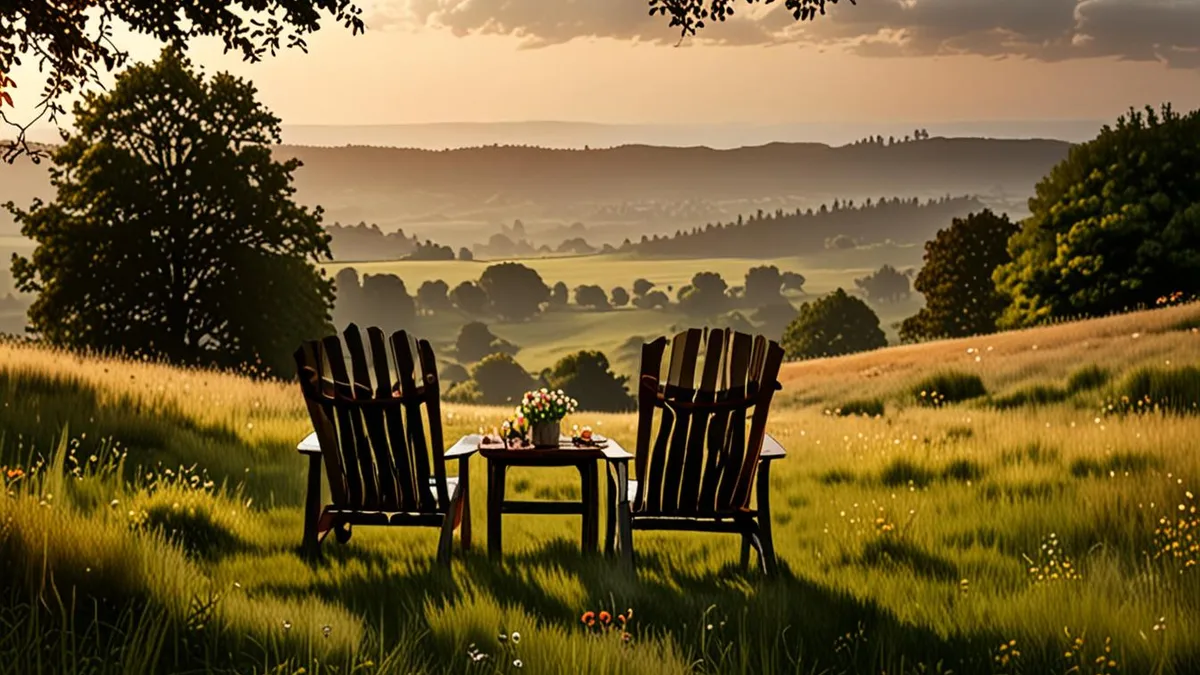
How to Pick a Lodge That Suits Couples
Not every lodge is built with couples in mind, so it pays to filter carefully. Start with the layout: a one-bedroom lodge keeps the space intimate and usually costs less than a family-sized unit. Then look at what the lodge offers for slow evenings. A private terrace gives you somewhere to sit with coffee in the morning, a hot tub turns an ordinary night into the highlight of the trip, and a wood-burning stove makes shoulder-season stays cozy even when the evenings turn cool. You do not need all three, but at least one of them changes the feel of the stay.
Quiet is the whole point of the trip, so verify it before you book. Listings rarely mention road noise, but you can check the lodge’s location on a map yourself and confirm it sits at least 5 km from main roads. Satellite view is your friend here: if a major route or a large village sits next door, the reality will not match the photos.
- Look for a small but usable kitchen. A two-burner hob, an oven or good grill and basic cookware are enough to cook slow dinners with a bottle of wine, instead of driving out to a restaurant every evening and losing your evening to the road.
- Ask what is included with the stove. If the lodge has a wood-burning stove, check whether firewood is provided on site or sold locally, because buying a supply on arrival day is one less thing to think about.
- Read reviews written by other couples. Guests who traveled as a pair will mention the things that matter to you, such as whether the hot tub is genuinely private, how thin the walls are, and whether the terrace faces the sunset or a neighbor’s fence.
Picking the Right Countryside Setting
The setting you choose shapes the whole mood of a lodge break, often more than the lodge itself. Two lodges at the same price can feel completely different depending on what sits outside the window.
Forest lodges for shade and seclusion
Forest lodges suit couples who want shade, trails and total seclusion. The canopy muffles sound, keeps summer temperatures comfortable and means you can often walk for hours without seeing another soul. If you like the idea of stepping straight from your terrace onto a woodland path, this is the setting for you. For inspiration, read about forest lodges in Albania for quiet retreats, a good example of how deep woodland settings work for couples.
Lakeside and mountain lodges
Lakeside and mountain settings trade convenience for scenery, so plan your groceries before arrival. These lodges often sit far from the nearest supermarket, and a stunning view means little if you spend your first evening driving back down a winding road for supplies. Make a proper shopping list, order a delivery where possible, or stop at a larger town on the way in.
Finally, match the setting to your pace. Walking-focused trips favour hills, where trails start at the door and each day has a natural goal. Rest-focused trips favour water, since lakes give you gentle views, soft light and very little to do but relax. Be honest about which couple you are before you book.
Booking and Budgeting Your Trip
A lodge break is one of the few countryside trips where a modest budget genuinely buys privacy. Instead of paying for a hotel’s reception desk, restaurant staff and shared facilities, your money goes toward the things that actually matter for two: space, seclusion and a private outdoor area of your own. The key is timing your booking well and understanding where the money actually goes, from the nightly rate to the small extras that quietly add up over a 3-4 night stay.
- Decide your dates first. Shoulder season dates give you the widest choice and the best rates, while summer weekends fill fastest and often carry a premium. Knowing your window before you search saves you from falling in love with a lodge that is already taken.
- Book 2-3 months ahead for shoulder season. This is usually enough to secure a good one-bedroom lodge and still see prices settle at their calmer levels. For peak summer dates, book much earlier, because the most private and best-located lodges tend to go first.
- Expect €90-180 per night mid-range for a two-person lodge. Within that range you should find a proper kitchen, a private terrace or similar outdoor space and reasonable isolation from neighbors. Rates below that range often mean shared facilities, thinner equipment or a location close to other lodges, which undermines the whole point of the trip.
- Compare direct booking versus platforms. Direct rates sometimes include extras like firewood, bedding or late checkout, which platforms rarely throw in. A quick look at the lodge’s own website or a short call before committing to a listing site can reveal better terms.
Once you have a shortlist, note what each rate actually includes before comparing prices side by side. A slightly higher nightly rate with firewood, bedding and flexible checkout included can work out cheaper overall than a bargain listing where everything is charged separately. It also makes budgeting simpler, since you can multiply the nightly rate by your number of nights and get a realistic total without surprises on arrival.
Finally, keep a small buffer in your budget for the extras that countryside stays tend to involve: fuel for grocery runs, a meal out if you decide not to cook one evening, and perhaps a local activity. Planning for these in advance keeps the trip relaxed rather than nickel-and-dimed.
Planning Days Together at the Lodge
The whole point of a lodge break for two is that you are not on a schedule. The best trips we have taken had one fixed plan per day and long, unhurried gaps in between, where the biggest decision was whether to read on the terrace or walk to the next bend in the trail.
Build one anchor activity per day, such as a morning hike or an evening soak, and leave the rest open. An anchor gives the day a gentle shape without turning your break into a sightseeing checklist. If the weather turns or you both fancy doing nothing, nothing suffers.
Preparation matters more at a lodge than in a town hotel, because there is no reception desk to bail you out. A few practical habits make the difference:
- Pack layers, not outfits. Countryside weather shifts quickly in spring and autumn, and a warm morning can end in a chilly evening. A fleece and a light waterproof cover most situations.
- Bring sturdy shoes you have already worn in. Even a flat forest trail gets muddy after rain, and new boots on day one can end a walk early.
- Do a full grocery shop on arrival day. Rural lodges often sit 20-30 minutes from the nearest shop, so a forgotten loaf of bread becomes a real errand. Plan breakfasts and one or two slow dinners you can cook together.
- Check what the lodge provides before you pack. Some supply firewood, basic pantry staples and decent coffee; others provide nothing, so a quick message to the owner saves you duplicating everything.
With the practical side settled, you can spend your days exactly as you like: walking, cooking, soaking or simply watching the light change over the hills from your own private terrace.
Wrapping Up Your Countryside Escape Plan
A lodge break for two does not have to feel overwhelming. The planning really comes down to a few simple choices. Aim for May-June or September-October, book 2-3 months out and budget €90-180 per night for a comfortable mid-range lodge. Pick a secluded one-bedroom lodge with a private outdoor space, keep your itinerary loose and let the countryside do the rest.
With the season, budget and setting settled, all that remains is packing your bags and switching off. Have you planned a lodge break for two yet? Share your own tips or questions in the comments, or pass this article along to someone who needs a quiet weekend away.