Coastal glamping promises the best of both worlds: falling asleep to the sound of waves and stepping out of your tent straight onto the sand. But anyone who has booked a “sea-view” safari tent only to arrive at a gusty, sun-baked platform squeezed behind a car park knows the gap between the photos and reality can be wide. Salt air, wind and crowds all change what makes a seaside site comfortable, and not every operator keeps up.
This guide walks you through what makes coastal glamping different from inland stays, how to choose the right stretch of coastline for your priorities, and how far from the water you should realistically book. We’ll also cover when to go and when to reserve, which structure suits which coast, and how to vet a site before you pay a deposit. By the end, you’ll know exactly which questions to ask before committing to that dreamy beachfront dome.
Why Coastal Glamping Is Different From Inland Stays
A glamping tent by the sea lives a much harder life than one tucked in a forest clearing. Salt air corrodes zips and metal frames, strong sun breaks down canvas coatings, and steady onshore wind flaps and strains every seam. What this means for you as a guest is simple: site upkeep matters far more at the coast. A dome or safari tent that looked new two seasons ago can already show frayed stitching, faded fabric and stiff zippers if the operator doesn’t maintain it. Before booking, look for signs that the site reinvests in its units — recent reviews mentioning new canvas, replaced decking or fresh furnishings are a good signal.
The trade-off you’re accepting: views for shelter
Forest and mountain sites are usually chosen for shade and natural wind protection. Seaside sites do the opposite: they position units on open ground to maximize the view, which often means full sun exposure for much of the day and little shelter when the breeze picks up. That open setting is exactly what you’re paying for, but it changes what comfort looks like. Shade becomes precious, and a shaded deck or awning can matter more than an extra bedroom.
The atmosphere differs too. Instead of birdsong and rustling leaves, you’ll hear waves — soothing at night, but constant. Add gulls that start at dawn, and on popular beaches, the chatter and music of day visitors drifting over from the sand. If you’re a light sleeper or crave true quiet, this is worth thinking about before you book. Some people find coastal sound deeply relaxing; others discover they can’t sleep without earplugs. Neither reaction is wrong — but it’s better to know which one you are before arrival.
Choosing Your Stretch of Coastline
Europe’s coastline is long and varied, and the right stretch of it depends entirely on what you want from your trip. A family chasing warm swimming water and a surfer hunting Atlantic swell should not book the same region, or even the same month. Start by being honest about your priority, then match the coast to it rather than booking wherever a pretty photo appears.
The Mediterranean is the classic choice for warm-water holidays. Coasts in Spain, Italy, Greece and Croatia offer dry, reliably sunny summers and seas that stay swimmable well into the evening. The trade-off is popularity: July and August bring the biggest crowds and the highest prices, so shoulder months are often the smarter bet. If you go early or late in the season, expect Mediterranean seas of 15-20°C — refreshing rather than bath-warm, but perfectly pleasant for most swimmers. Packing for a hot, dry coast differs from a windy Atlantic one, so it’s worth checking a complete glamping packing checklist before you finalize your kit.
The Atlantic coast plays a different game. Portugal, southwest France and Galicia in northern Spain see cooler water, stronger and more frequent wind — Atlantic coasts such as Portugal and southwest France typically average 15-25 windy days per summer month — and a surf culture that runs deep. If riding waves is the point of your trip, this is your coast. The Baltic and North Sea coasts of Denmark, the Netherlands and Germany offer a shorter season, generally June to August, but often gentler prices and a quieter, more rugged atmosphere of dunes and wide beaches.
- Swimming warmth: the Mediterranean wins, with the warmest and calmest water from midsummer onward — ideal for children and long sessions in the sea.
- Surf and wind sports: the Atlantic is the clear pick, with consistent swell and schools and rental shops clustered around known surf towns.
- Dramatic scenery: cliff-lined stretches in southern Europe and Atlantic headlands deliver the most spectacular views, usually in exchange for stairs or steep paths to the water.
- Quiet dunes and value: the Baltic and North Sea coasts suit travelers who want wide sandy beaches, fewer crowds and a shorter but cheaper season.
Decide your priority first — swimming warmth, surf, dramatic cliffs or quiet dunes — and everything else, from region to booking month, falls into place much more easily.
How Close to the Water Should You Really Be?
On seaside glamping sites, distance from the water is the single biggest driver of price. Sites within 500 m of the shore command noticeably higher prices than inland alternatives — sometimes a substantial jump for the same type of tent — because everyone wants that short stroll to the sand. Whether it’s worth the premium depends on your group: families with small children and beach gear usually get real value from a five-minute walk, while couples who plan one swim a day may not.
Clifftop sites: the view premium
Clifftop locations deliver the best views of any coastal setup — waking up to the sea spread out below you is genuinely memorable. The catch is access. Many clifftop sites sit a 10-20 minute walk from the water, often down steep paths or stairs, which means every swim, every forgotten towel and every ice run involves a climb back up. They suit travelers who value scenery and atmosphere over convenience, and who are happy to drive or walk to a beach once a day rather than popping back and forth.
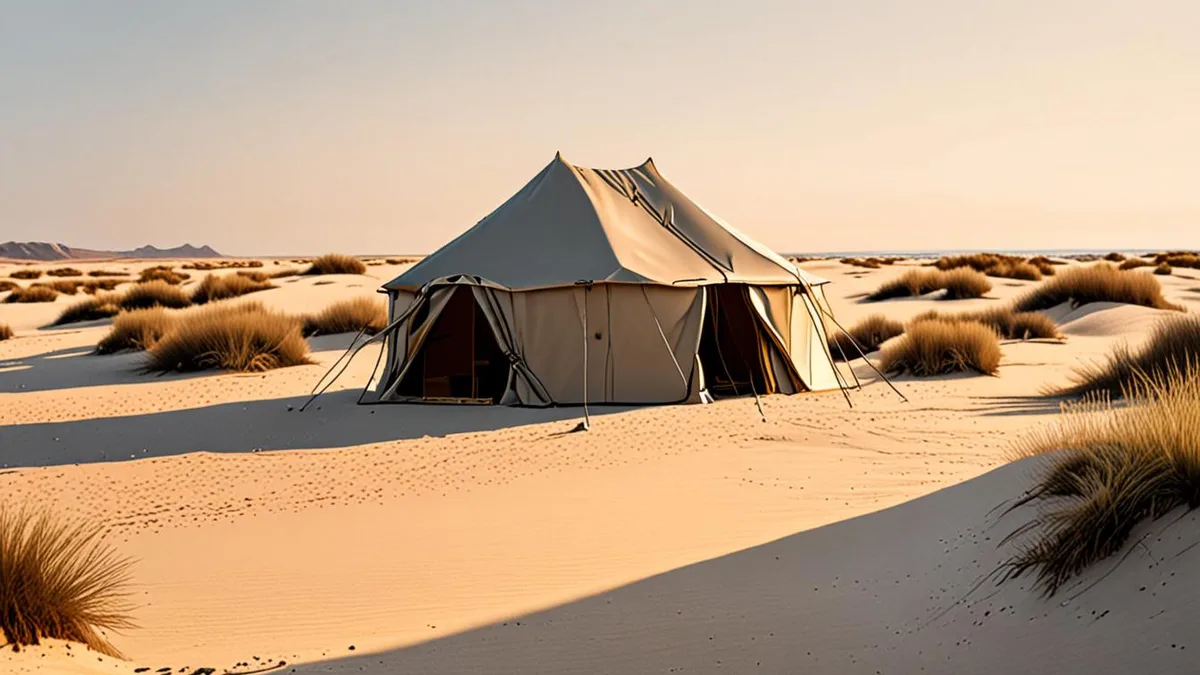
Dune and pine-forest sites set 1-2 km inland are the sleeper choice. They cost noticeably less than beachfront positions, and the dunes or trees act as a natural windbreak — a real comfort on exposed coasts. You’ll typically drive or cycle a few minutes to the beach, but you gain shelter, shade and quieter nights. For wind-sensitive campers, especially on Atlantic coasts, this trade is often the smartest one on the market.
A practical middle path: look for sites just outside the 500 m beachfront band but with direct, flat access paths. You keep most of the convenience while avoiding the top-tier price, and you’ll often find better spacing between units as well.
Timing Your Trip: Season and Booking Window
Coastal glamping is far more season-sensitive than an inland cabin or a city hotel. The sea sets the rhythm of your trip: it decides whether you can swim, how busy the beach is, and what you’ll pay per night. Get the timing right and the same dome or safari tent can cost noticeably less, sometimes by half.
- Know the season. The coastal glamping season in most of Europe runs May to September. Outside those months, many seaside sites close entirely or operate with reduced facilities, so don’t expect year-round availability the way you would with hotels. Always confirm opening dates with the site before you plan travel around them.
- Book early for peak summer. For July and August stays at popular seaside sites, aim to book 3-6 months ahead. The best-positioned units — the ones closest to the water with the best views — are usually the first to go, and late bookers often end up with the least sheltered spots.
- Consider the shoulder months. May, June and September bring prices 30-50% lower than peak season, and the Mediterranean still holds sea temperatures of 15-20°C. You trade a little warmth for quieter beaches and far more choice of units.
If you’re working with a fixed budget, timing matters more than almost any other decision you’ll make. A quality seaside glamping stay typically costs €120-€300 per night, and the difference between booking in August versus June can easily fund an extra two or three nights. Before you commit to dates, it helps to read a guide to typical glamping prices so you know what to expect across seasons and site types. Once you have a realistic figure in mind, you can decide whether peak-season comfort or shoulder-month value suits your trip better — and plan your booking window accordingly.
Picking the Right Structure for a Seaside Site
The structure you sleep in matters more by the sea than anywhere else. Salt air, constant wind and strong sun all test a unit’s materials, and a design that feels romantic on a forest site can feel flimsy on a headland. Before you book, think about which coast you’re visiting and what the weather there will actually do.
On Atlantic coasts, wind is the defining feature — Portugal and southwest France average 15-25 coastal wind days per summer month. Domes and hard-sided units handle that far better than classic canvas tents, which can flap loudly all night and strain at their guy lines. If you’re weighing up the options, it helps to understand how yurts, domes and safari tents differ in structure and comfort before committing to one for a windy shoreline.
On the Mediterranean, heat and insects are the bigger issue. Safari tents with mesh screens cope best here, letting air move through while keeping mosquitoes out on warm evenings.
- Ask about shaded decking. Sun exposure is the top comfort issue by the sea, so a unit with a covered veranda gives you a usable outdoor space during midday hours when the beach itself is too hot.
- Check the orientation of the deck. A deck facing west catches the evening sun for dinner with a view, while an east-facing one is better if you like coffee in the morning light.
- Look at ventilation features. Windows on more than one side, roof vents or roll-up canvas panels make a noticeable difference when sea humidity makes interiors feel clammy overnight.
Whichever structure you pick, prioritize build quality over novelty. Ask the site operator how often canvas is treated and frames inspected, since coastal conditions wear materials down faster than inland ones. A well-maintained, slightly simpler unit will serve you better by the sea than a flashy one showing early signs of salt and sun damage.
Vetting the Site Before You Book
Photos and marketing copy sell the dream; reviews and maps reveal the reality. Seaside sites are especially prone to a gap between the two, because “sea view” can mean anything from a full ocean panorama to a sliver of blue visible between two pine trees. Add in the fact that a quality coastal glamping stay typically costs €120-€300 per night, and you have every reason to check carefully before you pay. A little research now saves real disappointment on arrival, especially when you are traveling with family and have booked months in advance.
Start with recent reviews, not the overall rating. A site can score well overall while recent guests complain about a problem that developed this season, such as a new building blocking a view or a unit with worn canvas. Sort reviews by date and read the last few months first, then skim older ones for recurring themes that never seem to get fixed.
- Search reviews for specific words. Look for mentions of wind noise, shade and whether the sea view matched the photos — these three themes surface more honest detail than star ratings ever will.
- Measure the walk yourself. Open a map app and confirm the real walking distance to the beach rather than trusting phrases like “steps from the sand”; a site with a steep path or a road crossing can turn a “5-minute” claim into something quite different with kids and beach gear.
- Check the unit’s surroundings. Natural wind protection from dunes or trees makes evenings far more comfortable, and hedges or fencing also add privacy that open clifftop pitches often lack.
- Look for practical facilities. Fresh water showers near the units, a rinse-off point for salty gear and secure storage for wetsuits or boards are small things that matter daily on a coastal trip.
- Compare what’s included. Bedding, towels and a proper kitchen kit matter more when traveling light to a beach site — arriving to find you must rent linens changes the real cost of your stay.
Finally, message the site directly with any specific question before booking. Ask for a photo of the exact unit you would be staying in, taken from its deck, rather than the best shot on the website. How quickly and clearly they answer is often a good indicator of how well the place is run, and a vague or evasive reply is a signal to keep looking.
Wrapping Up Your Seaside Site Choice
So how do you pick a seaside glamping site that actually delivers on its photos? Start by matching the coastline to your priority: warm swimming points you toward the Mediterranean, surf favors the Atlantic, and quiet dunes are best found along the Baltic and North Sea. Once the stretch of coast is settled, balance beach proximity against price, shade and wind exposure, since the closest-to-the-water pitch is rarely the most comfortable one.
Timing ties it all together. Travel in May, June or September to avoid peak-season crowds and higher prices, and if you must go in summer, book 3-6 months ahead at popular seaside sites. Get those three decisions right — coastline, proximity, timing — and the reality should come close to the dream. Have a coastal glamping tip or a site that surprised you? Share it in the comments or pass this article along to a fellow traveler.