You’ve probably seen the photos: a huge canvas tent with a proper bed, string lights, and a view over the mountains. It looks tempting, until you check the price and see one site charging $90 a night while another asks $500 for something that looks almost identical. That’s the problem with figuring out a fair glamping cost: the range is enormous, and listings rarely explain why.
This guide breaks down what you can realistically expect to pay. We’ll cover average nightly rates across budget, mid-range and luxury stays, the factors that push prices up or down, and how season and timing change the total. We’ll also look at hidden extras like cleaning fees and gear rentals, share practical ways to save money, and compare glamping honestly against a hotel room or a traditional campsite. By the end, you’ll be able to look at any listing and judge whether the price makes sense for what you’re getting.
What Is the Average Glamping Cost per Night?
Glamping prices fall into three fairly clear tiers, and knowing them helps you spot a fair deal fast. Budget stays, such as basic canvas tents or simple yurts, typically run between $75 and $150 per night. At this level you usually get a real bed, bedding and lighting, but expect shared bathroom facilities and limited cooking options.
Mid-range glamping is where most travelers end up. Safari tents and cabins with private bathrooms typically cost $150 to $300 per night. These setups often include heating, a small kitchenette or outdoor cooking area, and a deck, which makes them comfortable enough for a longer stay without feeling like a hotel bill.
What you get at the luxury end
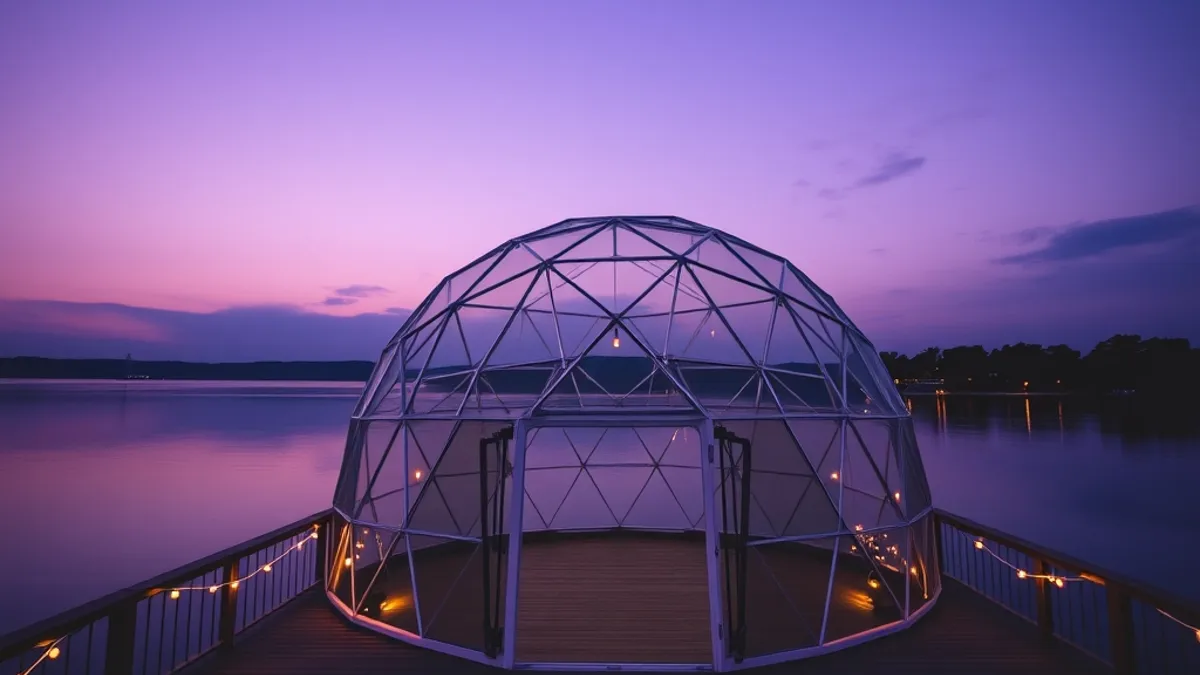
Luxury glamping starts around $300 per night and can easily exceed $800. This tier covers geodesic domes with panoramic windows, elevated treehouses, and full glamping resorts with pools, restaurants and spa services. In these places, meals, activities and housekeeping are often built into the rate, so the headline price covers more than just the night’s sleep.
A good rule of thumb: the more the stay resembles a hotel, the closer you’ll get to hotel pricing. Decide which single amenity matters most to you, whether that’s a private bathroom, a view or total seclusion, and use it to pick your tier instead of paying for everything at once.
What Factors Drive Glamping Prices Up or Down?
Two listings can sit side by side on the same platform with a $200 difference in nightly price, and the reason usually comes down to a handful of specific features. Understanding these price drivers makes it much easier to compare listings and decide where splurging actually pays off.
The biggest multipliers are the amenities that turn a tent into a home: a private bathroom, heating, air conditioning and a full kitchen. Each one adds meaningful cost to build and maintain, and hosts pass that on. Location plays a similar role. Properties near national parks, coastlines or major cities commonly charge a premium of 20 to 50% over comparable stays in quieter inland areas, simply because demand is higher and guests will pay for proximity.
Structure type matters too. A classic canvas tent is the cheapest option to run, while domes, treehouses and A-frame cabins involve far more construction and upkeep, and their nightly rates reflect that.
- Insulation and climate control: A dome with proper insulation and air conditioning can be booked comfortably year-round, which lets the host charge more per night than a seasonal canvas tent that closes in winter.
- Elevation and access: A treehouse built on stilts in remote terrain costs far more to construct than a tent pitched on flat ground, and that investment shows up in the rate.
- Shared versus private facilities: Some budget sites cut costs by offering a shared bathhouse; if a private bathroom matters to you, check this detail before comparing prices, since it often explains a large gap between two similar-looking listings.
How Season and Timing Affect Glamping Rates
Timing is one of the easiest levers you have for lowering your glamping bill, and the differences are substantial. During peak season, which runs roughly June through August in the Northern Hemisphere, rates can climb 30 to 50% above low-season prices. Hosts know that families and summer vacationers will fill every unit, so there’s little incentive to discount.
Weekends versus midweek
Even within the same week, the day you pick changes the price. Weekend nights often cost 20 to 40% more than midweek nights, because short-break travelers compete for Friday and Saturday. If your schedule allows a Sunday-to-Wednesday stay, you’ll often pay noticeably less for the exact same tent or cabin.
The shoulder-season sweet spot
Shoulder months like May, September and early October offer a genuinely good trade-off. Rates drop from their summer highs, yet the weather in many regions is still pleasant for sitting outside, hiking and stargazing. You also get quieter sites and more attentive hosts, since staff aren’t stretched across a full house.
One caveat: shoulder-season pricing varies by destination. A desert dome may actually be cheapest in summer when heat keeps visitors away, while a mountain yurt may stay pricey into early fall during foliage season. Check rates for your specific dates rather than assuming any single month is cheap everywhere.
Hidden and Extra Costs to Budget For
The nightly rate is only the starting point of your glamping budget. Two charges catch many travelers by surprise: cleaning fees and extra-guest charges. On a short two-night stay in a budget tent, they can noticeably inflate the final bill, sometimes rivaling a full extra night. Always expand the price breakdown before you hit book, so the total you see at checkout is the total you actually pay.
Operators also make good money on add-ons, and some of them are genuinely worth it. Firewood bundles, kayak rentals and breakfast packages are common upsells at the check-in desk or in the booking flow. If you plan a campfire every evening, buying firewood on site is usually easier than hauling it, but check whether outside wood is allowed, since some areas restrict it to protect local trees from pests and disease.
Location matters too, in a way the listing itself may not show. Many of the most scenic sites sit far from towns and public transport, which means you will likely need your own wheels. A car rental can add a meaningful daily cost to your trip, so factor it in when comparing a remote dome with a site closer to a city. The remote option may look cheaper until you price out the drive.
Beyond the big three, watch for these smaller charges that appear at checkout or on site:
- Pet fees: dog-friendly sites often charge a per-stay or per-night fee, and some require pets to stay leashed in shared areas.
- Breakfast packages: convenient if the site is far from restaurants, but per-person pricing for a family can add up quickly over several mornings.
- Kayak, paddleboard or bike rentals: hourly or daily rates apply, and popular equipment at lakeside sites can book out early in peak season.
- Firewood and ice: sold in bundles or bags on site, usually priced higher than at a supermarket in town.
How to Save Money on Your Glamping Trip
Glamping prices move with demand, and that gives you real leverage if you plan ahead. The simplest move is timing: booking 2–3 months ahead usually secures the best availability and rates. Popular domes and treehouses often have only a handful of units, so their best-value dates disappear first. Early bookers get both the pick of the calendar and the lower rate, while last-minute travelers are left with whatever premium dates remain.
Your travel dates matter just as much as your booking date. Shifting a two-night stay from Saturday and Sunday to Tuesday and Wednesday can trim a meaningful amount off the total, and the same logic applies to the season. Shoulder months in the Northern Hemisphere, such as May, September and early October, often deliver good weather at noticeably lower rates than the summer peak. If your schedule is flexible, start by comparing a midweek stay in a shoulder month against your original dates before you commit to anything.
Compare booking channels before you pay
The same tent can carry two different price tags depending on where you book. Platforms and listing sites are convenient for comparing options side by side, but their service fees can add 10–15% to the total. Before you commit, check the operator’s own website or give them a call: direct booking sometimes comes out cheaper, and small sites occasionally throw in a perk such as late checkout or a welcome drink. Run the math on both channels for your exact dates, including every fee, and book wherever the total is lowest.
Is Glamping Worth the Price Compared to a Hotel or Camping?
So is glamping worth it? The honest answer depends on what you compare it to. Glamping typically costs 2–4 times more than a basic campsite, where you bring your own tent, sleeping bags and stove. At the same time, a mid-range safari tent or cabin usually costs less than a boutique hotel in the same region, especially one with a view or a pool.
The value you get for that price is real. Bedding, towels and a made-up bed come standard, so there is no gear to pack, buy or store. Many units include a private bathroom, heating or a small kitchen, and the settings themselves—cliffside decks, forest clearings, lakeside platforms—are the kind of locations regular hotels rarely occupy.
Who gets the most out of glamping?
Glamping suits travelers who want nature and comfort but not a full camping setup. If you love the ritual of pitching a tent and are happy with a sleeping pad, a basic campsite will cost you a fraction of the price and may be the better choice. If you want room service, a restaurant and a concierge, a hotel will serve you better.
The sweet spot is the traveler in between: couples celebrating something special, families who want kids to experience the outdoors without a gear haul, or anyone short on time who wants a memorable night in nature without the prep work. For them, the premium over camping buys back hours of packing and setup—and often a far better view than any budget room would offer.
Wrapping Up: What You Should Expect to Pay
So, what is a fair nightly rate for glamping? As a rule of thumb, expect to pay somewhere between $75 for a basic tent or yurt and $800 or more for a luxury dome or treehouse resort. Most travelers land in the $150–$300 range for a comfortable safari tent or cabin with a private bathroom. If a listing sits well above that without matching amenities, it is fair to ask why.
Remember that the three biggest drivers of price are season, amenities and location, and that extras like cleaning fees can add $50–$150 to the final total. Booking a couple of months ahead and choosing midweek nights are the simplest ways to bring the rate down. If you have a glamping deal you love, or a price that made you balk, share it in the comments or pass this guide along to a friend planning a trip.