You want a night under the open sky, but a decision keeps getting in the way: do you rough it in a tent you pitch yourself, or book a furnished glamping setup with a real bed waiting inside? The glamping vs camping debate comes down to more than price or comfort — it shapes how much work your trip involves, how close you get to nature and how well you sleep at night.
This guide walks through both options step by step. We’ll compare the core difference between the two styles, break down nightly rates and the hidden costs that surprise first-timers, and look at what you actually get in terms of beds, bathrooms and weather protection. Then we’ll cover the skills each option demands, the best times to book, and a simple way to match the stay to your trip. By the end, you’ll know exactly which outdoor stay fits your budget, your group and your appetite for effort.
Glamping vs Camping: The Core Difference at a Glance
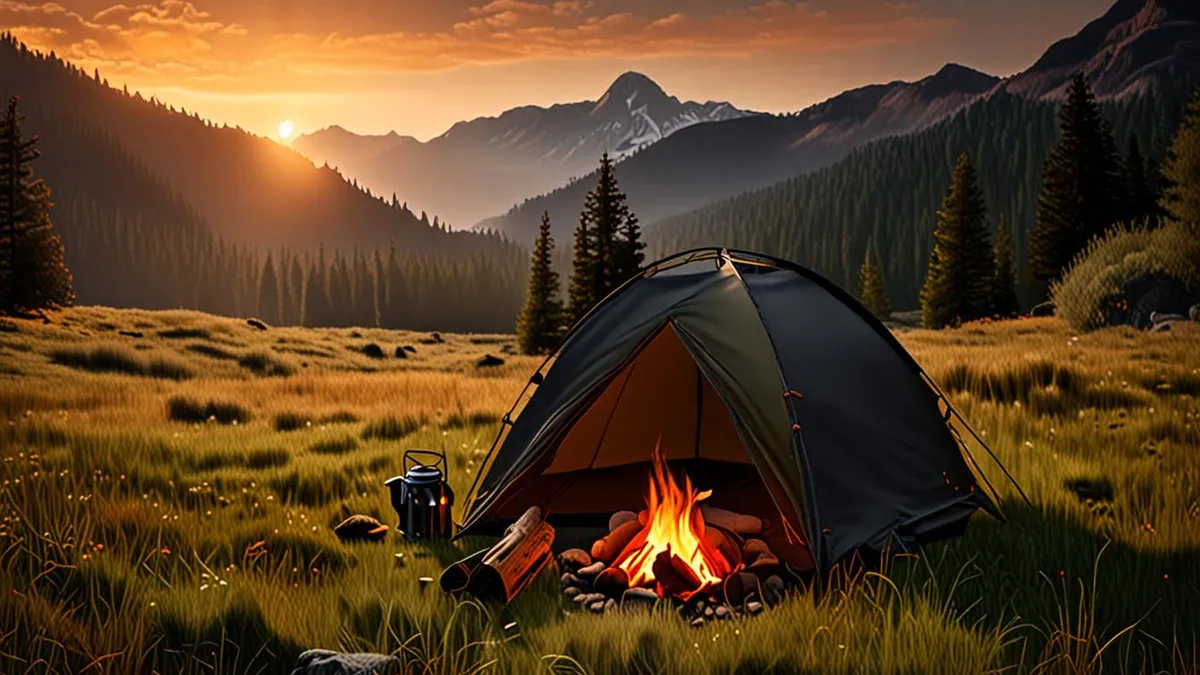
At its heart, the glamping vs camping question comes down to who does the work. Traditional camping means you bring everything yourself: a tent, sleeping bags, sleeping pads, a stove or campfire setup, coolers, cookware and a headlamp. When you arrive at your site, you unload the car, pitch your shelter, organize your kitchen and settle in. When you leave, you pack it all back up again.
Glamping flips that equation. You arrive at a structure that’s already standing and already furnished — think safari tents with wooden floors, round yurts, rustic cabins or geodesic domes. Beds are made, lights switch on, and often there’s a deck, a fire pit and a small kitchen area waiting for you. Your only job is to show up and enjoy the view.
The trade-off in one sentence
It’s simple: camping trades comfort for effort and immersion, while glamping trades money for comfort and convenience. Campers feel every change in temperature and hear every rustle outside the thin tent wall — which is exactly the point for many of them. Glampers get a buffer between themselves and the elements, with the outdoors framed by a window or a wide-open tent flap rather than felt directly. Neither approach is better; they simply suit different travelers, budgets and trips.
Cost Comparison: Nightly Rates and Hidden Expenses
The price gap between the two styles is the first thing most travelers notice. A basic campground tent site typically runs $15 to $60 per night, depending on the region and what amenities the campground offers. A glamping stay at the same destination usually starts around $100 per night and can easily climb past $500 for a premium dome or safari tent with a private bathroom and a view. That difference can feel steep at first glance, especially for families booking several nights at once.
But the nightly rate only tells part of the story. Before comparing prices, factor in the costs that hide around the edges of each option — especially if you’re new to camping and starting from an empty garage. Those extra expenses can flip the math in either direction, so it pays to look closer before you book.
- Gear investment: a starter camping kit — tent, sleeping bags, pads, cooler, stove and basic cookware — costs roughly $300 to $600 upfront. The upside is that this gear is reusable for years, so the cost per trip drops sharply after the first outing.
- Food costs: campers typically cook their own meals, so groceries for a weekend often cost less than a single restaurant dinner. Glamping units rarely include full kitchens, so you’ll likely rely on on-site dining or nearby restaurants, and those meals add up quickly over a multi-night stay.
- Consumables and extras: campers should budget for firewood, ice, propane and batteries on every trip. Glampers usually skip these, though some sites charge extra for firewood bundles, activities or cleaning fees — always check what’s included before you book.
Run the numbers for your specific trip length and travel style. For a single night, glamping’s higher rate may be the only real cost, and the convenience can justify every dollar. Over a week or more, the math often tilts back toward camping, even after the initial gear purchase has been made and paid for.
Comfort and Amenities: What You Actually Get
Comfort is where the two styles diverge most sharply. Step inside a typical glamping unit and you’ll usually find a real bed with a proper mattress, layered bedding, lighting you can switch off from bed, and heating or cooling for temperature control. Many units — especially cabins, domes and higher-end safari tents — include a private bathroom with a hot shower and a flush toilet. Some even add small kitchenettes, coffee makers and covered porches.
What campgrounds actually offer
Campgrounds vary enormously, so check the site details before you book. On one end, primitive sites offer little more than a flat patch of ground, a fire ring and a pit toilet. On the other end, full-hookup sites — designed mainly for RVs but sometimes useful to tent campers too — provide running water, showers, laundry facilities and electrical hookups. Most tent campers land somewhere in the middle: a leveled site, a shared bathhouse and potable water a short walk away.
Weather resilience is another real difference. A solid glamping structure — with rigid walls, insulation and a proper roof — handles a night of rain or a cold snap far better than a standard dome tent. Tent campers can manage wet weather with a good rainfly, a ground tarp and dry gear, but a soaked sleeping bag or a sagging tent wall will test anyone’s enthusiasm. If the forecast looks uncertain and your group includes anyone who melts in the rain, that alone can settle the glamping vs camping question for a given trip.
Skills, Effort and Who Each Suits Best
Traditional camping is a hands-on experience, and the work starts the moment you arrive. Expect to spend 30 to 60 minutes on setup: unpacking the car, pitching the tent, staking guylines, inflating sleeping pads and organizing your cooking area. If you’ve never done it before, your first attempt will likely take longer, so arrive with daylight to spare.
Beyond setup, camping runs on a handful of basic skills. You’ll need to pitch a tent taut enough to shed rain, build and maintain a campfire, and plan meals that can be cooked on a camp stove or over coals. None of these are difficult to learn, but they take a little practice, and a failed fire or a collapsed tent on a cold night can test anyone’s patience.
Glamping removes almost all of that effort. You pull up, get a quick orientation from the host, and walk into a furnished unit with the bed already made. That makes it a natural fit for certain travelers:
- First-timers who want to try sleeping outdoors without risking a miserable night in a tent they’ve never pitched before.
- Families with small kids, since toddlers can wander off during a long setup and nap schedules don’t wait for tent poles.
- Non-campers or reluctant partners who will happily enjoy a fire and fresh air but draw the line at sleeping on the ground.
Traditional camping, on the other hand, suits travelers who enjoy self-sufficiency. If you like the feeling of having built your own shelter, cooked your own dinner and handled whatever the weather threw at you, the physical work isn’t a downside — it’s part of the point. Many campers find that the effort is exactly what makes the experience feel earned.
When to Book: Seasons and Lead Times
Timing matters for both styles of outdoor stay, but in different ways. Peak season in most temperate regions runs May through September, and that’s when prices climb, availability shrinks and the best sites disappear first. The good news is that the two options follow different booking rhythms, so you can plan around whichever one you choose.
Booking glamping
Glamping sites have limited inventory — a property might have only a handful of safari tents or domes — so popular spots often need booking 2 to 6 months ahead for summer weekends. If you have your heart set on a specific unit for a specific date, book early. Midweek stays and last-minute cancellations do come up, but counting on one is a gamble, especially in high season.
Booking a campsite
Campgrounds are more flexible. Many offer first-come, first-served sites where you simply show up and claim a spot, which is great for spontaneous trips. That said, holiday weekends fill fast, and reservable sites in popular parks can be claimed months in advance too. If you’re relying on a first-come site, arrive early in the day — ideally by mid-morning on a summer weekend.
For the best value at either type of stay, aim for the shoulder months: May, early June and September. Rates tend to be lower, crowds thinner, and the weather in most temperate regions is still pleasant. Check current availability and rates with your chosen property, since they vary by location and year.
How to Choose the Right Outdoor Stay for Your Trip
The right choice comes down to three things: your budget, your group and your destination. Neither style is better in absolute terms — a simple campground night is hard to beat on price, but a furnished tent with a real bed can turn a reluctant traveler into an outdoor fan. Match the stay to your situation and the trip practically designs itself.
As a rule of thumb, choose camping if you’re watching every dollar, you already own or can borrow gear, and you’re planning a longer stay where the upfront cost of equipment pays for itself over multiple trips. Choose glamping for short trips of 1 to 3 nights, special occasions like anniversaries or birthdays, or whenever anyone in your group resists roughing it. Destination matters too: remote wilderness areas with few services favor camping, while scenic resorts and wine regions tend to offer the most rewarding glamping options.
A few extra factors can tip your decision:
- Trip length versus gear cost: a starter camping kit is a real upfront investment, so a single weekend rarely justifies it — but a multi-trip summer makes it worthwhile. Check current gear prices before committing.
- Driving distance: for a far-flung trip, glamping means you can fly in with just clothing and food instead of checking a cooler, stove and tent.
- Weather window: if you’re traveling in a shoulder or unpredictable season, a solid glamping structure gives you a safety net a tent can’t.
- Kids’ ages: young children do better with a real bed and a door that closes, while older kids often love the hands-on work of a campsite.
If you’re torn, test the waters with one glamping night before investing in your own gear. You’ll find out quickly how much you enjoy being outdoors — and whether you want the setup work that comes with doing it your own way next time.
The Bottom Line: Glamping or Camping?
So which one should you pick? If price is your main concern, camping wins: tent sites typically run $15 to $60 per night, and you get more flexibility and a deeper sense of immersion in nature. If comfort and ease matter more, glamping wins: you pay $100 to $500+ per night, but you get a real bed, solid walls and zero gear to buy or carry.
Both options put you under the open sky, so there’s no wrong answer. The right choice comes down to your budget, your group and how much effort you want to spend on setup. Whichever way you lean, we’d love to hear from you — leave a comment or share this article with a friend who’s planning their next outdoor stay.