Glamping pods are popping up at campsites, coastal parks and countryside retreats everywhere, yet many travelers still aren’t sure what they actually are. They look like a cross between a tent and a wooden cabin, sit somewhere in between on price, and promise a warmer, drier night than camping. But how do they differ from yurts or cabins, what should you expect to pay, and are they right for you?
This guide explains glamping pods from the ground up. We’ll cover what a pod is and how it compares to other glamping options, typical costs and the extras that push prices up, who pods suit best, what the inside of a pod is really like, when and how to book, and what to pack for a comfortable stay. By the end, you’ll know whether a pod night fits your travel style and budget.
What Is a Glamping Pod?
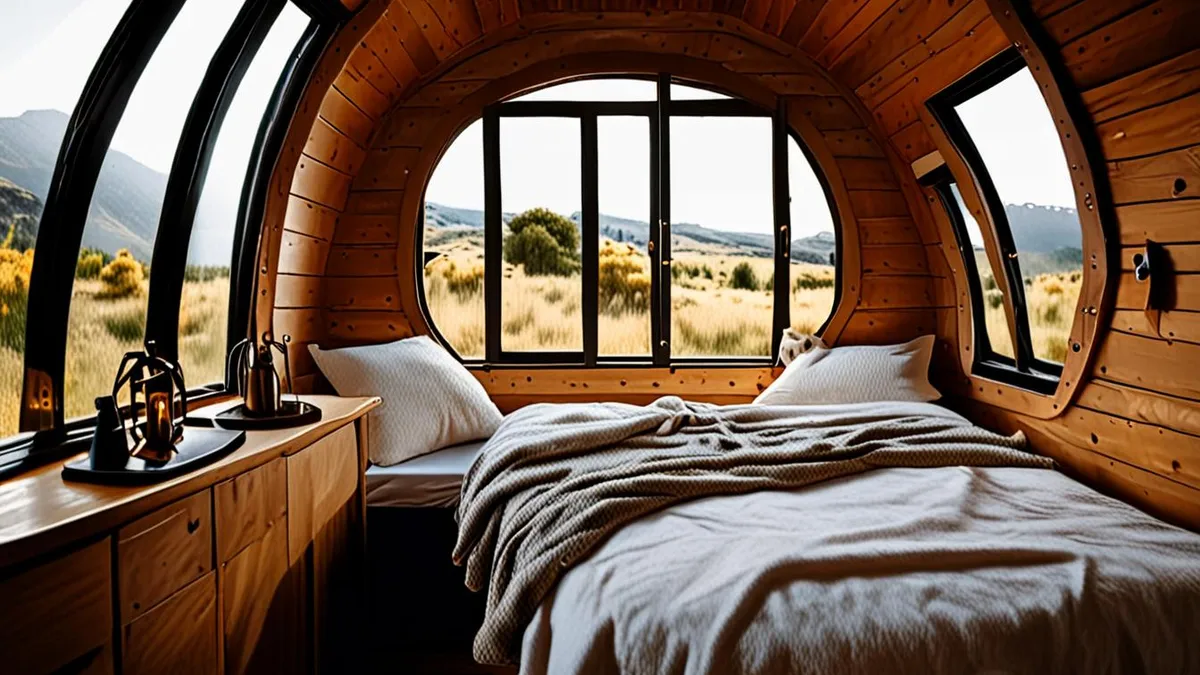
A glamping pod is a fixed timber structure built on a raised platform, usually with a curved roof or a pointed A-frame roof. Unlike a tent, it stays in place year-round, so there’s no pitching, pegging or taking down. You arrive, unlock the door and your bed is already made.
Size varies more than most people expect. A standard pod measures roughly 3.5m x 5m, giving you about 17–18 sqm of space — enough for a double bed or bunks, a bench and your bags. Deluxe pods can reach 25–30 sqm, which opens up room for a kitchenette, a small seating area and sometimes a private bathroom.
What you typically get inside
Most pods come with real beds, heating, electricity, lighting and insulation, so they’re far warmer than canvas. En-suite pods add a private bathroom, while more basic models rely on a shared shower block a short walk away.
How pods compare to yurts, domes and safari tents
The key difference is structure. Yurts, domes and safari tents all use canvas or fabric, which needs care, can leak and is usually taken down in wetter months. Pods have rigid timber walls, hold heat well and are typically available all year, so a rainy or cold weekend won’t spoil the stay.
What Glamping Pods Cost
Glamping pods in the UK typically cost £60–£150 per night, with premium en-suite models reaching £200+. That puts them well below most cabins but clearly above a basic campsite pitch, and the price you see online is usually for the whole pod, not per person.
Bathroom access is one of the biggest price factors. En-suite pods cost 20–40% more than standard pods that share a bathroom block, so a couple deciding between the two can save a meaningful amount by accepting a short walk to the showers. Whether that trade-off is worth it depends on the site layout and the weather you’re expecting.
When prices are highest
Peak season runs from May to September, and weekend rates during those months sit at the top of the range. April and October are the shoulder months, offering noticeably lower prices and quieter sites while the pods themselves stay just as comfortable.
The cost most people forget
Check the minimum stay before you budget. Most pod sites require a minimum 2-night stay on weekends, which means a “one-night price” often becomes a two-night total. For a fuller picture of how pod rates compare with yurts, cabins and other options, it helps to read how much glamping typically costs across different accommodation types.
Who Glamping Pods Suit Best
Glamping pods hit a sweet spot for travelers who want more comfort than a tent without the size or price of a full cabin. They work especially well for shorter trips where you spend your days outdoors and just need a warm, dry place to sleep. If you’re still weighing pods against tents or campervans, glamping vs camping: which outdoor stay is right for you? breaks down the trade-offs in detail.
Couples are the classic pod audience: a compact, heated base for a few nights with no tent to pitch and no damp sleeping bags to contend with. Family pods can sleep up to 5–6, which makes them a gentle first step into outdoor stays for parents unsure how young children will cope. They also suit travelers who find tents too basic but cabins too large or expensive for a short break.
Off-season and cold-weather travelers benefit most from pods’ rigid walls and insulation. Unlike canvas structures, which many sites close in wetter months, insulated pods are typically available year-round — a real advantage for autumn walks or winter escapes.
- First-time glampers: pods remove the trickiest camping skills — pitching, guying out and packing away a wet tent — so the only “setup” is unpacking your bag.
- Dog owners on some sites: several pod sites welcome pets in designated pods, which many yurt and tent operators don’t, though you should confirm each site’s policy before booking.
- Shoulder-season walkers and cyclists: a heated pod in April or October gives you a reliable warm base for trail days when canvas accommodation is often closed or uncomfortable.
- Light packers: with beds, heating and lighting included, you can skip sleeping bags, mats and lamps entirely and travel with a normal weekend bag.
Inside a Pod: Layout, Amenities and Comfort
Step inside a typical pod and the first thing you notice is how much fits into a small footprint. Most standard pods arrange a double bed, or a double plus bunks in family versions, along one curved wall. You’ll usually find a small seating area, a storage bench under the beds or window, and limited floor space beyond that. It works well for sleeping and relaxing, but you won’t be spreading out with large suitcases open everywhere.
Basic vs deluxe: what you actually get
Pods generally fall into two tiers. Basic pods include heating, electricity and lighting, but you’ll walk to a shared bathroom block, often a short stroll from your door. Deluxe pods add a private en-suite bathroom, sometimes a compact kitchenette, and often their own private decking with outdoor seating. The en-suite upgrade adds noticeably to the nightly rate, so decide early whether stepping outside at night bothers you.
The honest comfort limits
Be realistic about a few things. Ceilings are low, especially toward the curved edges, so tall travelers will duck often. Counter space is minimal or nonexistent in basic pods, which matters if you plan to prepare food. And walls between neighboring pods tend to be thin, so you may hear conversation and doors from the pod next door, particularly on busy weekends.
Before you book, ask three questions. What is the exact bed configuration, since “sleeps four” can mean two doubles, bunks, or a squeeze? Is bedding included, or do you bring a sleeping bag and pillows? And what type of heating is it, because a small electric heater behaves very differently from proper insulated walls in cold weather. If you’re unsure what else to bring, this complete glamping packing checklist covers the essentials.
When and How to Book a Pod
Pods are a small-capacity accommodation: even a popular site might have only a handful of units, so the best ones go quickly. Timing your booking matters more than it does for hotels, where a cancellation usually frees up a room the same day. A little planning ahead pays off, especially for the deluxe en-suite pods that everyone wants. The steps below will help you lock in the right pod at the right price.
- Book summer weekends 3–6 months ahead. The warmest months bring the heaviest demand, and weekend slots in July and August are the first to fill. Booking within this window gives you a real choice of pod types rather than whatever is left.
- Book bank holiday weekends 6–12 months ahead. These dates are the single most competitive on the calendar. Some sites open their bank holiday availability nearly a year in advance, and the premium pods can be gone within weeks.
- Consider April or October for easier booking and lower rates. These shoulder months offer better availability across all pod types, and prices drop noticeably from summer levels. Weather is often still pleasant for walking and sightseeing.
- Compare sites on more than price. Look at the age of the pods, how well insulated they are, and whether you get an en-suite or share a bathroom block. A cheap pod with poor insulation and a cold walk to the toilets at midnight is rarely the bargain it looks like online.
- Read the cancellation terms carefully. Small pod sites often run stricter policies than hotel chains, sometimes requiring significant notice for any refund. If your plans might change, check these terms before paying rather than after.
One more practical tip: once you’ve found a site you like, it can be worth signing up for their newsletter or following their social media, since cancellations and new season openings are often announced there first. Flexibility on dates is your best tool if you’ve left booking late. Midweek stays are also easier to secure at short notice, and many sites offer quieter, more relaxed stays outside the weekend rush.
Packing for a Pod Stay
Packing for a pod is easier than packing for camping, but a few pod-specific items make a real difference. The main things to understand are that many sites ask you to leave shoes at the door, that lighting between your pod and shared facilities can be patchy, and that small spaces change temperature fast. You won’t need as much as a tent camper, but you also can’t rely on the pod being equipped like a hotel room. Before you start packing, take five minutes to re-read your booking confirmation: it should tell you whether bedding and towels are provided, what cooking equipment the pod contains, and how far the nearest bathroom block is. Those three details shape most of your packing decisions, and getting them wrong is the most common mistake first-time pod guests make.
- Slippers or thick socks. Many pods have hard laminate or wooden floors, and hosts often ask that outdoor shoes stay at the entrance. A pair of warm slippers doubles as indoor footwear and keeps your feet off cold flooring on winter mornings. Slip-on styles are handy if you plan to step out to the deck or car park frequently.
- A torch or headlamp. If your pod doesn’t have an en-suite, the walk to the shared bathroom block can be genuinely dark, with uneven ground between units. A headlamp keeps your hands free for opening doors and carrying toiletries. Bring spare batteries too, since rural sites rarely have a shop on hand.
- Layered clothing. A small insulated space heats up quickly with the heater on and cools down just as fast when it switches off, so you’ll swing between warm and chilly within the same evening. Thin layers let you adjust without constantly fiddling with the thermostat, and a warm jumper is more comfortable than sleeping in your coat.
- Reusable bags and food containers. If your pod has a kitchenette or you’re using shared cooking facilities, these keep ingredients organized in limited storage and let you pack leftovers for a walking lunch the next day. They also stop open food from attracting attention overnight, which matters on sites where wildlife wanders between pods after dark.
Beyond these, pack as you would for a self-catering cottage rather than a campsite: normal clothes, toiletries and any food you plan to cook. If bedding isn’t included in your booking, check whether the site rents it or expects you to bring a sleeping bag before you set off. A few small extras earn their place as well: a book or downloaded entertainment for evenings with no TV, a phone charging cable long enough to reach the limited sockets, and a small first-aid kit. Leave bulky gear at home, since storage space inside a pod is limited to a bench or shelf and there’s rarely room to spread out. Pack in soft bags rather than hard suitcases, because they squash into tight corners and make the most of what little storage you have.
The Bottom Line on Glamping Pods
Glamping pods fill the gap between a tent and a cabin: real beds, heating and solid weatherproof walls, typically at £60–£150 per night. Unlike canvas structures, they work year-round, and unlike cabins they stay compact and affordable. The trade-offs are limited space, thin walls and, on basic pods, a walk to shared bathroom blocks.
They suit couples, small families and off-season travelers better than large groups, who will struggle to fit everyone comfortably. If you want a peak-season weekend or a bank holiday trip, booking 3–6 months ahead gives you the best pick of pods and rates. If you have stayed in a pod recently, or you’re still deciding between a pod and a yurt, share your experience or questions in the comments below.