A soak in a steaming hot tub under a sky full of stars sounds like the perfect end to a day outdoors, and glamping with a hot tub promises exactly that. The problem is that listings vary enormously. Some tubs are wood-fired barrels you heat yourself, others are electric models ready on arrival, and the details that matter most, like privacy and heating time, are often buried in the fine print.
This guide walks you through what a hot tub glamping setup actually looks like, how wood-fired and electric tubs differ, and what you can expect to pay. You will also find advice on when to book, how to pick the right unit and site, and the specific questions worth asking a host before you commit. By the end, you will be able to compare listings with confidence and choose a stay that delivers the soak you are picturing.
What Glamping with a Hot Tub Actually Looks Like
Most glamping sites with a hot tub place the tub on a private deck or terrace directly beside your unit, whether that is a yurt, cabin, dome, or safari tent. The two most common setups are a wood-fired barrel tub, often made of timber with a simple stove inside or attached, and an inflatable or rigid electric model that plugs into a power source. Either way, the tub is usually just a few steps from your door, so you can go from bed to soak in your robe without crossing a shared area.
Size is straightforward: most tubs fit 2 to 4 adults comfortably. Crucially for couples and families, the tub is normally reserved for your own booking only. You are not sharing water with strangers from the tent down the path, which is one of the biggest differences between glamping tubs and the communal spa at a hotel.
The extras you will usually find
Expect the basics rather than luxury extras. A typical setup includes a lid or cover to keep heat in and debris out, a set of steps or a small ladder for getting in and out safely, and sometimes a bucket for topping up or lowering the water level. Towels may or may not be provided for the tub area, so it is worth checking the listing. Lighting is often minimal, sometimes just a lantern or solar light on the deck, which is part of the charm but worth knowing in advance if you plan a late-evening soak.
Wood-Fired vs Electric Hot Tubs: How Each Works
The heating method shapes your whole stay, so it pays to understand the difference before you book. Wood-fired tubs are the romantic option: you light a stove, feed it logs, and watch the water slowly warm. That experience comes with a catch. A wood-fired tub typically takes 2 to 4 hours to heat, so your first soak needs to be planned around the fire-up time rather than decided on a whim. If you want to be in the water by sunset, you will need to start the fire in the afternoon.
Electric tubs work differently. Hosts usually preheat them to 36-40°C (97-104°F) before you arrive, or heat them on request, so you can often climb straight in. The trade-off is that some sites limit when you can use them, since running costs add up.
Before you pack, it helps to know which type of tub you are getting, because the right gear differs. A good glamping packing checklist will remind you of the small things that make a soak more comfortable, like flip-flops for the deck and a warm robe for the walk back.
- Firewood supply: Check whether logs are included or sold on site, and how many you will need for one heating cycle, since running out mid-heat means a cold soak.
- Stirring the water: Wood-fired models need regular stirring with a paddle or oar to spread heat evenly, otherwise the area near the stove can be scalding while the far side stays cool.
- Usage windows: Some electric tubs are switched off overnight or limited to certain evening hours, so ask when the tub is available if you picture a midnight soak.
- Water temperature on arrival: With electric models, confirm whether the host heats the tub before check-in or only after you message them, as the latter can mean waiting.
How Much a Hot Tub Glamping Stay Costs
Hot tub glamping sits a clear step above standard glamping on price. As a rule of thumb, units with a private tub typically cost 20-40% more than comparable units without one on the same site or in the same area. If a similar yurt without a tub goes for a certain nightly rate, expect the tub version to sit noticeably higher, and treat that premium as the price of exclusivity and heating costs.
The advertised nightly rate is not always what you actually pay, though. Many sites require a minimum stay of 2 nights on weekends, which means a “cheap” Friday rate can double into a two-night commitment. Always calculate the total for your real dates before comparing listings.
How to pay less
Timing is your biggest lever. Shoulder-season dates in May or September-October can cut the price noticeably compared with the June-August peak, and you often get the same tub with cooler evenings that make a soak even better. For a broader picture of what different types of glamping cost, this guide to typical glamping prices breaks down what you can expect to pay across unit types. If your dates are fixed to summer, booking early and choosing a midweek stay are usually the two best ways to soften the premium.
When to Book and When to Go
Timing makes a bigger difference to a hot tub glamping trip than to almost any other kind of getaway. These units are a small slice of most sites’ inventory, so in peak season (June-August) they often sell out 3-6 months ahead, with weekends going first. If you have your heart set on a specific site or a summer birthday weekend, book early rather than hoping for a late cancellation.
Why shoulder season works in your favor
May and September-October are the sweet spot for most travelers. Rates drop, availability opens up, and evenings are still cool enough that a steaming tub feels like a treat rather than an afterthought. You also get quieter grounds, better photos without crowds, and hosts who have more time to help you fire the tub or troubleshoot. Check the site’s exact opening dates, since some seasonal operations run on a shorter calendar.
Winter soaks: worth it, with one caveat
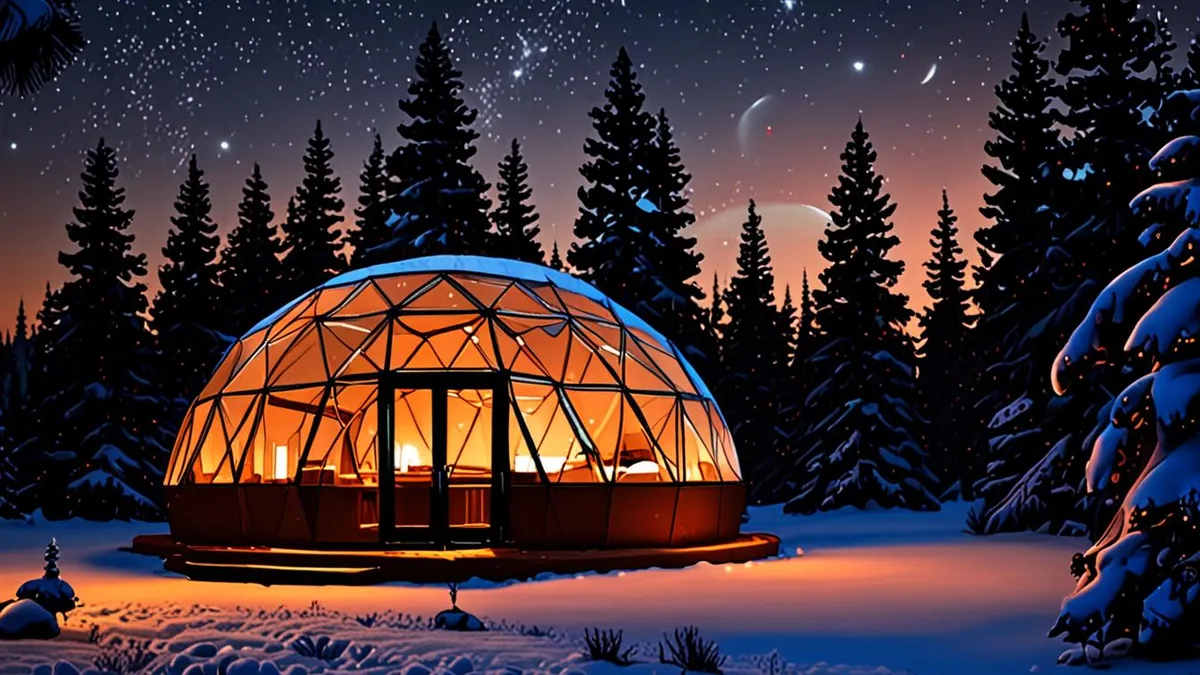
Soaking in a hot tub while snow falls around you is one of the best versions of this experience, and insulated units like domes and cabins handle cold weather well. The caveat is the tub itself: some models drain or close in freezing temperatures, and wood-fired tubs take longer to heat in deep cold. Before booking a winter stay, confirm with the host that the tub stays heated and usable throughout your dates.
How to Choose the Right Unit and Site
The fastest way to ruin a hot tub getaway is to arrive and discover the tub is an inflatable model you have to fill yourself, when you were picturing a cedar barrel already steaming on the deck. Read the listing carefully before you book: the tub type and heating method should be stated clearly. If they are not, that alone tells you something, and a quick message to the host will settle it.
Privacy is the other make-or-break factor. Photos can hide a lot, so look for specifics: how far the unit sits from neighbors, whether there is natural screening like trees or fencing, and whether the deck faces away from walking paths. A tub that looks secluded in a wide-angle shot can sit ten meters from the next terrace in reality.
Unit type and season should match, too. Yurts and safari tents are wonderful in warm months but can feel drafty once temperatures drop, while domes and cabins are built to stay comfortable in the cold. If you are unsure which structure suits your dates, this comparison of glamping in yurts, domes and safari tents breaks down how each one handles different weather.
Finally, run through the practicalities that rarely appear in photos. Most well-run sites cover the basics, but it pays to confirm:
- Tub towels: some hosts provide dedicated towels for the tub area so you are not dripping through the unit with your good bath towel.
- Changing space: a screen, teepee or covered corner near the tub makes mid-winter changes far less miserable than trotting back inside wet.
- Path lighting: solar stakes or lanterns along the route to the tub matter more than you think when you are walking back in the dark after a late soak.
Questions to Ask Before You Book
Listings can be vague in ways that only matter once you are standing on the deck in a robe, towel in hand, wondering why the water is cold. A short message to the host before booking clears up almost every uncertainty, and how quickly and thoroughly they answer also tells you a lot about what kind of operation you are dealing with. Ask specific questions rather than general ones like “is the tub nice?” — the more precise your question, the harder it is for a vague answer to slip through.
Start with the fundamentals: whether the tub is private to your unit or shared with other bookings, and whether it runs year-round or only in warmer months. Then move on to logistics and comfort. These four questions cover the details that most often surprise guests after arrival:
- Heating responsibility: with a wood-fired tub, ask who lights the fire and whether the wood supply is included, or whether you are expected to chop or fetch logs yourself.
- Costs and hours: some sites add a per-stay fee for tub use or cap evening soaking hours to keep noise down, so ask about both before you commit.
- Weather backup: find out whether the tub area has a pergola, canopy or windbreak, and what the host suggests when a rainy night is forecast.
- Turnaround between guests: for electric tubs, ask when the water was last changed and tested, since a busy weekend schedule can affect freshness.
Good hosts answer these without hesitation and often volunteer extra detail, like the best time of evening to soak for sunset views or where to find extra logs after dark. If answers are slow, evasive or inconsistent with the listing, treat that as useful information and keep looking elsewhere.
Wrapping Up Your Hot Tub Glamping Plan
Soaking in a hot tub under the stars sounds dreamy, and the reality is refreshingly simple: you get a tub that’s private to your booking, right at your unit. Depending on the site, that means either a wood-fired barrel you heat yourself or an electric model your host has already warmed up before you arrive. Once you know which type you’re booking, comparing listings becomes much easier.
Budget-wise, a tub adds a noticeable premium over a comparable unit without one, and popular summer weekends go fast, so plan ahead if you have your heart set on a specific date. If you’d rather balance price, availability and soak-friendly evenings, the shoulder months are your friend. Check the details in the listing, ask your questions before you pay, and then all that’s left to do is fire up or climb in. Have a question or a tip of your own? Leave a comment or share this article.