So you’ve decided you want to sleep under canvas in Spain — but now you’re staring at a map and a calendar, unsure where to start. Should you head south for olive groves and white villages, north for mountains and cool nights, or to the islands for beachside mornings? And which months give you good weather without peak-season prices? Glamping in Spain works brilliantly, but only if you match the region to the season.
This guide breaks the country down into its best glamping regions, from Andalusia and the Pyrenees to the Balearics and the Canary Islands. We’ll cover when to go to each one, what kind of tent, dome or cabin suits the local climate, and how far ahead to book. We’ll also look at typical nightly rates and how to pick the right accommodation for your trip, whether it’s a romantic escape, a family break or a hiking base. By the end, you should know exactly where and when to go.
Why Glamping in Spain Is Having a Moment
Spain has quietly become one of Europe’s most rewarding glamping destinations, and it’s easy to see why. The country offers reliable sunshine for much of the year, a landscape that shifts dramatically from region to region, and a fast-growing supply of luxury tents, domes and eco-lodges that rival anything you’ll find in France or Portugal.
What really sets Spain apart is the variety packed into one country. You can wake up in a safari tent surrounded by olive groves in desert-like Andalusia, then book a different trip in an alpine dome in the Pyrenees, where forests and mountain peaks replace sun-baked hills. Beach lovers, hikers, culture seekers and families all have a region that fits their style — you just need to know which one matches your plans.
The price advantage
There’s also a practical reason glamping in Spain is having a moment: value. Compared with boutique hotels offering a similar atmosphere and level of comfort, glamping prices often come in lower. In shoulder season, rates typically run from €70–€140 per night, which for a stylish tent with a real bed and often an en-suite bathroom is hard to beat. Add short flight times from most of Europe and it’s no surprise that travelers are increasingly choosing Spain for their first — or fifth — glamping trip.
Andalusia: Sun, Olive Groves and White Villages
Andalusia is the classic image of southern Spain: sun-drenched hills, olive groves stretching to the horizon and whitewashed villages clinging to hillsides. It’s also one of the country’s most popular regions for glamping, with safari tents and yurts set up among the groves and near white villages like those around Ronda and Granada.
The key to enjoying it is timing. The glamping season here runs roughly from March to June and September to November, when temperatures stay comfortable for canvas accommodation. In these months you can expect warm days, cool evenings and landscape that’s either freshly green or golden with late-summer light.
When to avoid the south
July and August are a different story. Southern Spain often exceeds 35°C in high summer, and canvas walls offer little relief — tent stays become genuinely uncomfortable, especially for children. If your travel dates are fixed to midsummer, consider the north or the Canary Islands instead.
What to expect on site
Most Andalusian glamping sites lean into the region’s relaxed pace: terraces for evening drinks, pools for the warmer shoulder months, and easy drives to villages for tapas and markets. Because nights can still be cool in spring and autumn, it’s smart to come prepared — a complete packing checklist for a glamping trip will help you cover layers, footwear and the small essentials that make canvas living comfortable.
The Pyrenees and Northern Spain: Green, Cool and Alpine
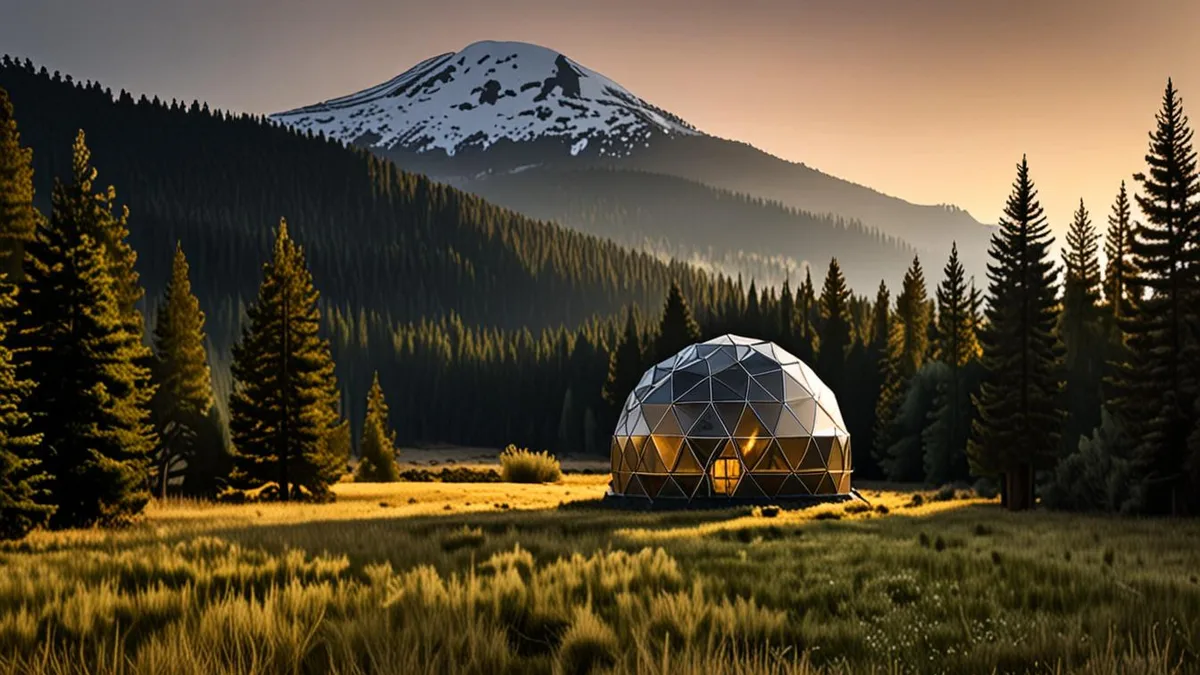
If beach heat isn’t your thing, point your compass north. Spain’s green north coast and the Pyrenean foothills suit travelers who prefer mountains and forests over sun loungers, and the glamping here reflects that: think domes and cabins tucked into valleys, with misty mornings and star-filled skies instead of beach bars.
The season here is short but beautiful, running from June to September. Nights stay cooler than in the south, which makes this the natural home for domes and cabins — structures with proper insulation that handle a crisp mountain evening far better than a lightweight tent. Days are typically warm enough for swimming holes, picnics and long walks.
Where to base yourself
For hiking-focused trips, a few areas stand out. The Catalan Pyrenees offer high peaks, national park trails and well-established mountain villages, while the Aragonese Pyrenees are quieter and feel more rugged, with dramatic canyons and fewer crowds. Further west, Asturias combines rolling green hills with the Picos de Europa on its doorstep, making it a favorite base for walkers who want forest and summit in the same day.
One practical note: because the season is compressed into just a few months, availability tightens quickly in July and August. If a specific dome or cabin catches your eye, check how far ahead it takes reservations before you fix your dates.
Coast and Islands: Balearics and the Canary Islands
If your dream glamping trip involves waking up steps from the sea, the islands are where Spain shines. The Balearics, Mallorca, Menorca and Ibiza, have a growing collection of beachside glamping sites, from safari tents tucked into pine groves to stylish bell tents a short walk from the sand. The sweet spot here is May–June and September–October, when the weather is warm enough for swimming but the worst of the summer crowds have not yet arrived.
The Canary Islands play a different role: they are Spain’s year-round glamping option. While the mainland cools down in winter, the Canaries keep mild temperatures of around 18–24°C, which makes them the reliable choice for a December or February escape. Tenerife, Gran Canaria, Lanzarote and Fuerteventura all have glamping options, often with striking volcanic landscapes as a backdrop rather than classic beaches.
Book early, especially for the islands
One warning applies to both archipelagos: island sites book fastest. The supply of quality glamping accommodation is smaller than on the mainland, and demand from both Spanish and international travelers is intense in the high season. Expect the highest demand and prices of any Spanish region, and treat the Balearics in July and August as a book-early-or-miss-out destination. If your dates are flexible, shifting to the shoulder months gives you better availability, calmer beaches and noticeably softer rates.
Choosing the Best Season and Booking Window
Spain is big enough that the right region depends heavily on when you travel. A canvas tent that feels glorious in Andalusia in May can be miserable there in August, while the Pyrenees are at their best precisely when the south is too hot. Getting the pairing right is the single biggest factor in whether your glamping trip feels like a bargain or a mistake, so treat the season as the starting point of your planning rather than an afterthought. Work through these steps before you book anything:
- Match the region to the month. Head south for spring and autumn, when Andalusia’s season runs comfortably; choose the green north and the Pyrenees for summer, when they offer cool nights and alpine air; and pick the Canary Islands for winter, when the rest of Europe is cold and gray.
- Check the calendar against your travel style. If you want beach time plus hiking, the shoulder months give you both without the extremes. If you are locked into school summer holidays, plan around the north or the islands rather than fighting the southern heat.
- Book 3–6 months ahead for summer stays. In popular regions like Andalusia and the Balearics, the best-located tents and domes are often fully committed well before the season starts, so late bookers are left with the less desirable pitches.
- Compare rates across seasons before fixing your dates. Prices swing sharply between peak and shoulder periods, and shifting a trip by a few weeks can change what you pay per night significantly.
Peak summer rates typically run €120–€250 per night, while shoulder-season trips can cut that cost nearly in half. That difference alone can fund an extra night or a nicer site, so it pays to be flexible if your dates allow it. For a fuller breakdown of what you should expect to pay across accommodation types, see this guide to typical glamping prices. A little calendar discipline goes a long way here: the same tent, the same site and the same experience can cost very different amounts depending on when you arrive, and the weather on the day will differ just as much.
Picking the Right Accommodation Type for Your Region
Not all glamping accommodation suits all climates, and Spain’s regional differences make this matter more than you might expect. A safari tent is a brilliant choice in warm, stable regions like Andalusia, where canvas breathes well in dry heat. Domes and timber cabins, on the other hand, handle cooler mountain nights far better, which is why they dominate in the Pyrenees and northern Spain. If you are unsure how the main styles compare, this breakdown of the key differences between yurts, domes and safari tents is worth a read before you commit.
In hot southern areas, the details on the listing matter more than the photos. Before booking, check for climate control, real beds and en-suite bathrooms, because a stylish tent without airflow can turn a warm spring night into a sleepless one. Then match the stay type to your trip goal:
- Romance: look for domes or boutique bell tents with private terraces, outdoor baths or hot tubs, and position away from shared facilities, which are common in smaller couples-focused sites.
- Family space: larger safari tents with separate sleeping compartments and a covered lounge area work best, ideally on sites with a pool, since children burn through afternoons there in summer.
- Hiking-base practicality: a sturdy cabin or yurt near trailheads in the Pyrenees or Asturias beats a luxury tent, especially if it has gear storage, drying space and early breakfast options for long walking days.
Whichever type you choose, read recent reviews for the specific unit you are booking rather than the site in general. Individual tents and cabins on the same property can differ noticeably in condition, shade and privacy, and that variation matters more in Spain’s hotter and colder corners than almost anywhere else.
Planning Your Spanish Glamping Trip
Spain works for almost every kind of glamping trip, as long as you match the region to the month. Andalusia and the green north offer the best seasonal contrast between them, while the Canary Islands are the reliable option when you want comfortable tent weather in the middle of winter. If your dates are flexible, shoulder seasons deliver the strongest combination of good weather, availability and rates that often fall between €70 and €140 per night.
Timing matters as much as location. If your heart is set on the Balearics or the south during the summer months, aim to book 3 to 6 months ahead, because the top sites fill quickly. Pick your season first, then choose the region that fits it, and your glamping trip will practically plan itself. If you have a favorite corner of Spain for glamping, share it in the comments or pass this article along to a fellow traveler.