Scroll through any holiday booking site and you’ll see it: two listings that both look like warm, wooden homes in the photos, with log walls, big windows and a forest backdrop. But one might be a spacious single-storey lodge on a holiday park, while the other is a compact timber cabin with a loft bed you reach by ladder. The single-storey lodges vs timber cabins question matters more than most travelers realize, because the layout difference changes everything about your stay.
This guide walks through what actually separates the two, from floor plans and sleeping arrangements to kitchens, accessibility and price. You’ll see how room layouts differ, which type suits families or couples, and where each one wins on location and value. By the end, you’ll know exactly which questions to ask before you pay that deposit.
What Actually Separates a Lodge from a Timber Cabin
At first glance, a lodge and a cabin can look like close relatives. Both are wooden, both feel cozy, and both photograph beautifully against trees or water. The difference shows up the moment you step inside.
Size and layout on one level
Single-storey lodges are built entirely on one level, usually offering 60-120 square meters of floor space. They feel like a small house: wide doorways, a proper corridor connecting the rooms, and no stairs anywhere. That single-level footprint is what makes them work so well for families and mixed-age groups.
Timber cabins are a different animal. They typically range from 20-50 square meters, spread across one or two levels, and many add a loft or mezzanine sleeping level to squeeze in extra beds. You trade floor space for charm and a lower price.
Where they stand and how they’re built
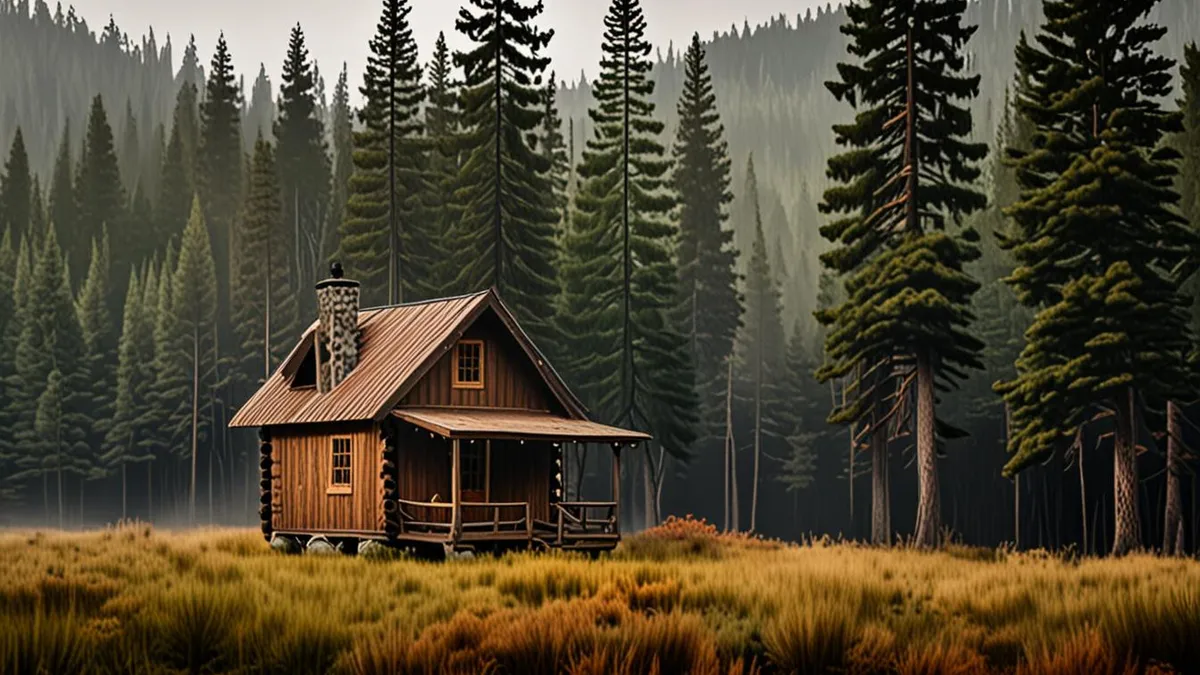
Location follows the layout. Lodges are usually sited on holiday parks with shared facilities such as pools, restaurants or playgrounds, while cabins tend to stand alone in woodland or on remote plots where seclusion is the whole point.
Construction differs too. Lodges generally use residential-style builds with proper insulation and full-height walls, whereas cabins rely on lighter log or timber-frame methods. That affects warmth, soundproofing and how the space feels in bad weather.
Room Layouts: How the Floor Plans Differ
This is where the two types diverge most sharply. A lodge is essentially a small house on one floor, while a cabin is a cleverly compressed living space that makes compromises you’ll notice within an hour of arriving.
Inside a lodge
Lodges follow a house-style plan: separate bedrooms, a central living area and a full kitchen-diner, most commonly with 2-4 bedrooms. Everyone gets a door that closes, there’s a proper hallway, and the living space doesn’t double as a bedroom at night. If you want a preview of what to check before you book, this guide to lodge beds and sleeping arrangements covers the details worth confirming.
Inside a cabin
Cabins often combine sleeping, cooking and living into one open space, or tuck beds into a loft reached by a ladder or a steep stair. That works fine for a weekend with a partner, but it gets cramped fast with luggage for four.
Loft headroom is the detail people underestimate. In two-level cabins, the sleeping area often has limited headroom of around 1.5-1.8 meters, meaning adults can sit up but not stand. For a week-long stay with suitcases, that matters.
Bathrooms follow the same pattern. Lodges usually have full-size bathrooms with a bath or walk-in shower, while cabins often make do with a single compact wet room where the shower soaks the whole floor.
Sleeping Arrangements and Group Fit
Before you book, count heads honestly. Lodges most commonly sleep 4-8 guests across 2-4 bedrooms, which makes them a natural fit for families and for two couples traveling together who each want their own room. Cabins typically sleep 2-4, usually one double plus a sofa bed or bunks, so a larger group will need to book multiple units rather than share one.
The other thing to check is what kind of bed you’re actually getting. In a 20-50 square meter cabin, storage space is far tighter, so whether beds are fixed platforms or fold-outs changes how you live in the space. A fixed platform usually hides drawers underneath; a fold-out means the bed takes over the living area every night.
Age matters too. Teenagers and older relatives generally fare better in single-level lodges than in loft bunks with a ladder and low headroom. If your group spans generations, the lodge layout spares you the nightly negotiation over who climbs where. For a fuller walkthrough of traveling with that age group, this guide to planning a lodge holiday with teenagers covers the details worth thinking through before you commit.
A few specifics worth checking before you commit:
- Loft access: confirm whether it’s a ladder or a proper stair, since a ladder with a suitcase is a genuine hazard at midnight.
- Bed positions: ask which beds are in the open living space versus behind a door, so light sleepers know what they’re in for.
- Linen for sofa beds and bunks: some cabin operators charge extra or leave these unmade, unlike standard doubles.
Kitchens and Outdoor Space Compared
The kitchen is where these two accommodation types part ways fastest. Lodge kitchens are built for proper self-catering: you normally get a full-size oven, a four-ring hob and a fridge-freezer with enough capacity for a week’s shopping. That means roasting a chicken, batch-cooking for kids or keeping drinks cold for six people is all realistic, and the layout usually mirrors what you’d find in a rental house.
Cabin kitchens are a different proposition. In a 20-50 square meter footprint, something has to give, and it’s usually the cooking space. Expect a compact setup with a two-ring hob, a small combi oven or microwave and an under-counter fridge. It’s fine for pasta, breakfasts and reheating, but a full roast dinner for four will test both the equipment and your patience. Before booking, it helps to read up on what lodge kitchens typically include so you know exactly what to expect.
Outdoor space: deck versus porch
Lodges usually come with a veranda or deck of roughly 10-20 square meters, often with seating for meals outside or space for a morning coffee while the park wakes up. Cabins may offer little more than a small porch, enough for boots and a bench at best.
If you plan to cook most evenings, the kitchen gap between the two types is the biggest practical difference. A family planning seven nights of home-cooked dinners will feel the limits of a cabin kitchen by day three, while a lodge handles it without compromise.
Accessibility and Everyday Comfort
Single-storey lodges are the default choice for anyone needing step-free access. Because everything sits on one level, you typically get level thresholds at the entrances and wide internal doors between rooms, which makes moving around with a wheelchair, walker or buggy straightforward. Many holiday parks also offer dedicated accessible lodges with adapted bathrooms, so it’s worth asking operators directly about the specific unit you’d be booking.
Cabins are a different story. Timber cabins often rely on lofts, ladders or steep stairs for sleeping space, and many stand on stepped or raised entrances to cope with sloping woodland ground. These layouts rarely suit wheelchair users or anyone with limited mobility, and even fit travelers can find a ladder to a loft awkward when getting up at night. If mobility matters at all, treat a two-level cabin as a poor fit and check the entrance details before you commit.
Heating and everyday comfort
Heating systems differ too. Lodges typically have central heating and double glazing, so the whole floor space stays evenly warm and windows stay clear of condensation. Some cabins rely on a wood burner plus electric heaters, which is atmospheric but uneven: the room nearest the burner can be toasty while the far end stays cool, and someone has to keep feeding the fire.
Sound is the final consideration. In an open-plan cabin, noise from the living area carries straight to the sleeping corner, so a late evening of cards or conversation can disturb whoever is trying to sleep. Lodges separate bedrooms from the living area with walls and doors, which light-sleepers and parents of early-bedded children generally appreciate. For mixed-age groups, that everyday separation often matters more than any single feature on the spec sheet.
Price, Location and When Each Type Wins
Lodges cost more, and the price gap reflects real differences in what you get. Larger floor space, residential-style construction and shared park facilities such as pools, restaurants and playgrounds all feed into the rate. Timing matters too: peak-season lodge rates typically run 30-60% higher than off-peak rates, so shifting a family break to shoulder months can save a meaningful amount. Book early for school holidays if you can, as the best-value units tend to go first, and compare what’s actually included before assuming a higher price means better value.
Cabins are the budget pick, especially for couples. They undercut lodges by staying smaller, skipping park amenities and often sitting on simpler, self-contained plots. For two people who plan to spend days walking and evenings by the fire, paying for a swimming complex they won’t use makes little sense. Just check what’s included in the rate, since some sites charge extra for firewood, hot tub use or parking, and those add-ons can narrow the saving.
When each type wins
- Lodge for school-holiday weeks: park facilities like pools and playgrounds give children something to do beyond the lodge itself, which matters when you’re staying seven nights.
- Lodge for wet-weather trips: 60-120 square meters of single-level space means kids can spread out, teenagers can retreat to their own bedrooms and nobody feels cooped up during a rainy afternoon.
- Lodge for hot tub and shared amenity access: many parks offer lodges with private hot tubs plus on-site spa or pool facilities, a combination cabins rarely match.
- Cabin for romantic woodland or lakeside breaks: seclusion is the selling point, with dark skies, quiet surroundings and no crowds passing the door.
- Cabin as a base for outdoorsy couples: if you’re out hiking or paddling all day, a compact space to sleep and eat in costs less and covers everything you actually need.
The rule of thumb is simple: choose a lodge when space, facilities and family logistics drive the trip, and choose a cabin when seclusion matters more than square meters. Whichever you pick, read the full inclusions list and cancellation terms before you pay the deposit, and check current rates directly with the operator, as prices and offers change through the year.
Choosing Between the Two at a Glance
Two listings can look almost identical in the photos: wooden walls, big windows, a deck outside. The quickest way to tell them apart before you pay is to check the floor space and the floor count. A single-storey lodge usually means one-level living with 2-4 bedrooms, a full kitchen and step-free access, which suits mixed-age groups and longer family stays. A timber cabin means a compact 20-50 square meter layout, often with loft beds reached by a ladder or steep stair, and a lower price for smaller parties of 2-4.
So match the layout to your group size, any mobility needs in the party, and how much you actually plan to cook. If those three things line up with a lodge, book the lodge; if seclusion and a smaller bill matter more, the cabin wins. If this helped you decide, leave a comment or share the article with someone planning the same trip.