There is something wonderful about crisp trail days followed by a cozy lodge evening — but planning lodge breaks for winter walking is trickier than a summer trip. Daylight is short, paths turn to mud, and festive dates sell out months in advance if you leave it too late.
The good news is that a little forward planning solves all three. This guide covers why a lodge beats a hotel room for wet winter kit, how to pick a region that suits the season, when to book for the best rates, and how to shape your walks around limited daylight. We will also run through what to pack for cold trail days, how to make the most of lodge evenings, and a quick summary to pull it all together. By the end, you will know exactly how to plan a winter walking break that feels effortless.
Why Lodge Breaks for Winter Walking Work So Well
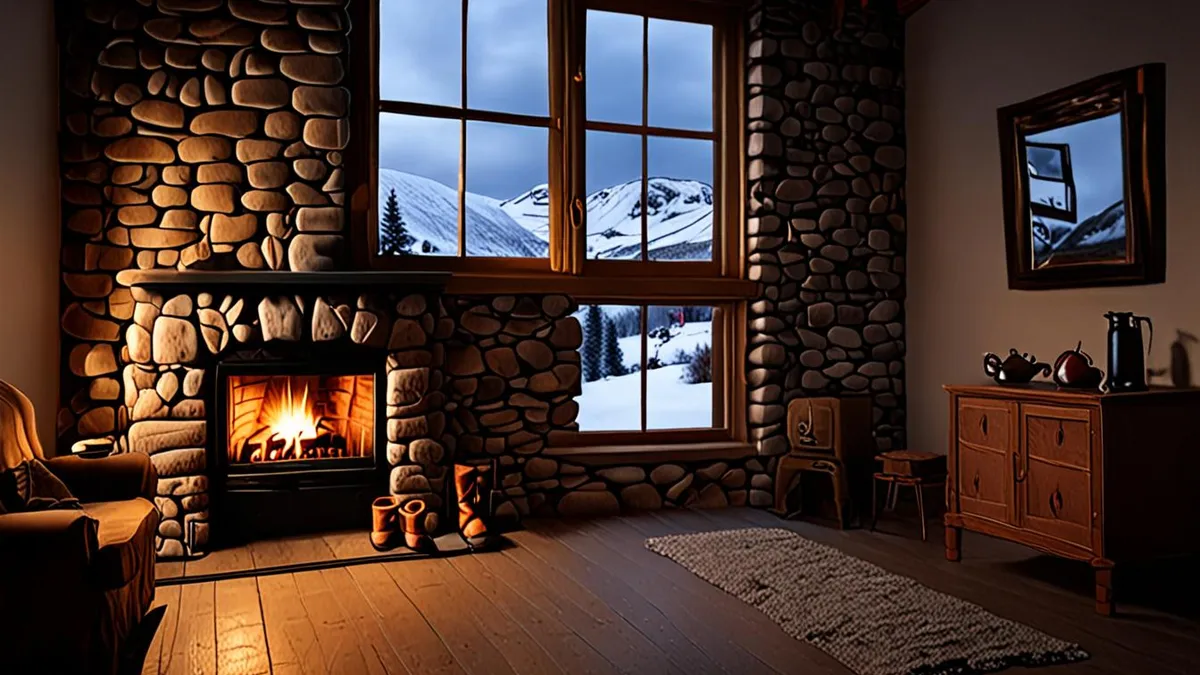
A lodge solves the winter walking problem that hotels never quite manage: wet gear. After a day of mud and drizzle, you can spread boots and damp layers in your own porch or utility area, knowing everything will be dry by morning. In a hotel room, the same kit ends up draped over radiators and bathroom doors, and you start the next day half-hoping it has dried.
Self-catering helps too. You can eat a quiet, early breakfast before anyone else is awake, get to the trailhead by mid-morning, and come back to a hot meal at whatever time the walk actually finishes — even if that is after dark. No waiting for restaurant service when you are cold and hungry.
Lower rates and quieter trails
Winter lodge rates typically run £90-£250 a night, well below summer peaks, with the exception of Christmas and New Year when demand pushes prices up. That saving stretches across a week, which matters when you are booking a proper break rather than a weekend.
The quieter season also changes how popular routes feel. In November and February, car parks that overflow in summer have space, and trails you might otherwise share with dozens of walkers can feel almost private. For many people, that alone is reason enough to plan a winter lodge break.
Where to Go: Picking a Winter Walking Region
The right region makes or breaks a winter walking trip, and the main question is how much daylight risk you want to take on. Lowland forest and lakeside areas are the safest bet for short winter days: routes are mostly flat, typically 5-10 miles, and stay walkable even when the ground is muddy. If you are torn between settings, our guide to woodland and coastal lodges compared breaks down how the two environments differ.
Uplands and coast in winter
Upland areas such as national parks offer dramatic frosty scenery — frozen waterfalls, dusted fells and empty ridgelines — but they demand earlier starts and proper winter hill skills. Navigation in cloud, icy descents and rapidly changing conditions are all part of the package, so only choose this option if you have the experience for it.
Coastal paths work surprisingly well in winter. The sea views are bracing rather than bleak, and the paths are often quieter than at any other time of year. The one caveat is weather damage: check locally for storm damage and cliff closures before you set out, as winter storms can close sections with little notice.
Whichever region you pick, choose a base within a 20-30 minute drive of several trailheads. That flexibility lets you swap to a sheltered, lower route if the weather turns, without wasting half your daylight window in the car.
Booking Timing and Choosing Your Lodge
Timing your booking matters more in winter than in summer, because the best dates sell unevenly. Family-sized lodges for festive and New Year dates sell out first, so reserve those 6-12 months ahead if you want a specific lodge or location. By contrast, January and February weekends can usually be booked 2-3 months out and often carry the lowest rates of the year — a good fit if you are flexible about where you stay.
Once you have your dates, the lodge itself deserves a closer look than it might in summer. After a cold, wet day on the trail, the difference between a basic cabin and a well-chosen one is enormous. If a hot tub is on your wish list, read our guide to what to check before booking a lodge with a hot tub — cleaning schedules and heating times vary more than most people expect.
Practical checks before you book
- Drying space: confirm there is a porch, utility room or heated airing area where boots and wet layers can dry overnight — ask the operator directly if photos do not show it.
- Log burner or hot tub: prioritize at least one for post-walk recovery, and check whether logs are provided or need buying locally.
- Off-road parking: a private space keeps gear dry and saves you hauling bags along an icy lane.
- Step-free access: worth confirming if you are carrying heavy winter gear, or if anyone in your group has limited mobility.
A short email to the operator covering these points takes minutes and can save a week of small frustrations later.
Planning Walks Around Short Winter Days
Winter walking is less about distance and more about timing. With roughly 8 hours of usable daylight in midwinter and sunset falling as early as 3:45-4:30pm in December, the walkers who enjoy it most are the ones who plan the day backwards from dusk. Check sunrise and sunset times for your exact location the evening before you set out, then build the whole day around them. That single habit shapes everything else: when you leave the lodge, how long you linger over lunch, and where you turn back.
- Check the light window first. Look up sunrise and sunset times the night before, not in the trailhead car park. Knowing your daylight budget shapes every other decision, from route length to coffee stops.
- Pick a route that fits the hours. Choose a distance you know you can finish with daylight in hand, leaving a buffer for a slower-than-expected section and the drive back to the lodge before dark.
- Start walking by mid-morning. A relaxed breakfast is part of the lodge appeal, but aim to be booted up and moving by 9-10am at the latest. Every hour you delay eats directly into your afternoon margin.
- Build a plan B before you need it. Have a shorter low-level loop or woodland track ready for drizzly days. These routes stay enjoyable in wet weather and still earn you a hot dinner back at the lodge.
- Turn around on time. Decide in advance what time you will head back regardless of where you are on the route. Winter hills punish stubbornness far more than summer ones, and a frozen track in fading light is no place to improvise.
There is a real pleasure in a short winter day done well: a brisk morning start, a warm lunch stop, and boots off by mid-afternoon while the light fades outside the window. Plan the daylight rather than fighting it, and the whole trip feels calmer. You also give yourself a margin for the unexpected, whether that is a closed footpath, a boggy section after rain, or simply a view worth stopping for. Treat the daylight as a budget to spend deliberately, and even the shortest December day delivers a proper walk.
What to Pack for Winter Trail Days
Winter walking kit is about managing two things: staying warm while moving and staying dry when you stop. Lowland temperatures commonly sit between 0-8°C in winter, which sounds mild until you add wind, drizzle and a long pause for lunch. The answer is layers you can adjust on the move, plus a few items that matter far more in winter than summer.
Start with the layering system and get it right before anything else. A moisture-wicking base layer, an insulating mid-layer such as a fleece, and a waterproof shell let you adapt as you heat up on climbs and cool down on stops. Cotton jeans and a single big coat will leave you cold and damp within an hour.
- Waterproof walking boots with good grip. Mud and frozen ground make smooth-soled shoes genuinely risky, so choose boots with a deep tread pattern and check the soles for wear before the trip.
- A head torch for every walker, plus spare batteries. Late finishes are common in winter, and one torch between a group is no use if the group splits at a junction.
- A flask of something hot. A mid-walk coffee or soup lifts morale on gray days in a way that a bottle of water never will.
- Gloves and a hat. Cold hands make zips, map cases and buckles miserable, so pack a spare pair of gloves in case the first set gets soaked.
- A fully charged phone with a paper map as backup. Cold weather drains batteries faster than you expect, and signal is never guaranteed on quieter routes.
Leave a small bag by the lodge door for the essentials so you are not rebuilding your rucksack every morning. With the right kit, a cold trail day becomes one of the best days of the year rather than an endurance test.
Making the Most of Lodge Evenings After a Walk
The evenings are half the reason to choose a lodge for a winter walking break. After hours in cold air, coming back to your own kitchen, a fire and no one else’s noise feels like part of the holiday rather than a recovery operation. A little planning makes those evenings even better.
Food and warmth first
Plan one-pot dinners you can cook easily in a lodge kitchen after a long day outside. Stews, curries and pasta bakes made with pre-chopped ingredients mean you eat well within half an hour of getting back, instead of facing a complicated recipe with tired legs. Shop before you arrive so nobody has to drive out for groceries after a walk.
A hot tub or log burner turns a cold afternoon finish into the highlight of a winter lodge break. There is something close to perfect about peeling off wet layers, wrapping up in a dry jumper and watching the fire while dinner simmers. If a hot tub matters to you, confirm it is heated and ready to use before you book.
Darker evenings, better skies
Dark winter evenings pair well with stargazing from your lodge’s deck, especially if you pick a dark-sky location away from town lights. Bring a blanket and a flask outside and give your eyes ten minutes to adjust; winter skies reward patience. And if the weather refuses to cooperate, a wet day does not have to be a lost one. You can spend it planning the next route over a slow breakfast, and there are plenty of ways to make the most of it, as covered in this guide to enjoying a lodge holiday in the rain. Either way, the lodge earns its keep long after the walking boots come off.
Your Winter Walking Lodge Break at a Glance
A winter lodge break solves the main puzzle of cold-season walking: how to enjoy crisp, quiet trails while still having somewhere warm to dry boots, cook a late dinner and plan the next day. From November to February you get far emptier paths, and because rates sit at their yearly low, a lodge often costs less than a summer hotel room. The trade-offs are manageable if you plan around them: book festive dates 6-12 months ahead, keep walks to 5-10 miles so they fit inside roughly 8 hours of daylight, and always have a low-level plan B for drizzly days.
On packing, think layers for 0-8°C conditions, boots with real grip for mud and frozen ground, and a head torch for every walker. Then let the lodge do the recovery work — a log burner or hot tub at the end of a cold afternoon is what turns a good walking trip into a great one. If you have a favorite winter lodge spot or a packing tip of your own, leave a comment or share this article.