You’ve narrowed it down to two very different trips: a lodge tucked into quiet woodland, or one sitting a short walk from the sea. Both sound appealing, and that’s exactly the problem. A forest hideaway and a seaside lodge deliver completely different holidays, and choosing the wrong one can leave you feeling like you booked someone else’s trip. This guide to woodland lodges vs coastal lodges walks through the core difference between the two, then compares scenery, seasons, activities, costs and who each type suits best.
By the end, you’ll know whether you’re the kind of traveler who wants filtered light, birdsong and a hot tub under the trees, or big skies, salt air and a beach within reach of your front door. We’ll also cover the practical side: when to book each type, which months offer the best value, and how to match your dates to the setting. Let’s find the lodge holiday that actually fits you.
Woodland Lodges vs Coastal Lodges: The Core Difference
The fundamental trade-off is simple: woodland lodges give up open views in exchange for privacy, shade and total immersion in forest scenery. You won’t watch the sun sink over water from your deck, but you also won’t have neighbors looking back at you. Trees screen your lodge from the next one, muffle sound and create that enclosed, wrapped-in-nature feeling that many people book a lodge holiday for in the first place.
What coastal lodges put first
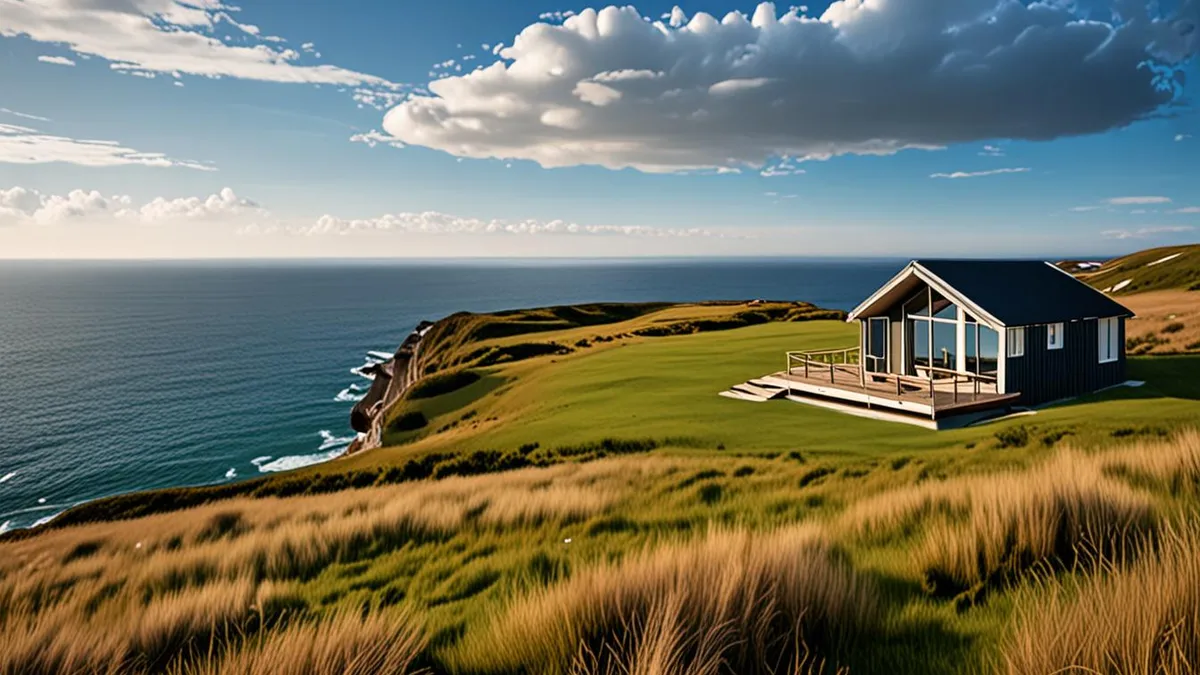
Coastal lodges make the opposite choice. They prioritize sea views, sea air and direct access to beaches and harbors, often positioning large windows and decks toward the water. That openness is the whole point: you can watch weather fronts roll in, walk to the sand in minutes and fall asleep to the sound of waves rather than wind in the canopy.
This choice shapes your entire trip, not just the view from your window. Light behaves differently under a canopy than over open water. Sound shifts from birdsong and rustling leaves to surf and gulls. Temperature, too: shaded forests feel noticeably different at midday than an exposed headland. Even your daily rhythm changes, since a forest stay naturally revolves around slow mornings and early evenings, while a coastal stay tends to fill up with swims, harbor strolls and long daylight hours outdoors.
Scenery and Atmosphere: Forest Calm or Sea Horizon
The feel of a forest stay
Woodland settings deliver a very specific atmosphere: light filtered through leaves, birdsong instead of traffic, and a sense of enclosure that makes even a large site feel private. That combination suits rest-focused trips perfectly. If your goal is to sleep badly less, read more, soak in a hot tub and come home genuinely recovered, the forest does most of the work for you. Day to day, the scenery stays consistent too. The same trail, the same canopy, the same quiet — which some travelers find deeply comforting and others find a little too steady.
The drama of the coast
Coastal settings are the opposite in almost every way. You get big skies, changing tides and long sightlines that stretch for kilometers, which is exactly why scenery lovers gravitate toward the sea. No two days look quite the same: the tide redraws the beach twice daily, and weather, light and season keep the view moving. If you’re drawn to that kind of drama, our guide to coastal lodges along Ireland’s Wild Atlantic way shows what a truly wild shoreline can offer from your doorstep.
The honest way to choose: forest stays feel reliably calm, coastal stays feel reliably changeable. Pick the mood you want your week to have.
Best Seasons for Each Lodge Type
Timing matters as much as location when you’re choosing between forest and sea. Woodland lodges shine from June to September, when the canopy is full, the trails are dry and the forest floor is at its most alive. If you can push your trip later, late September to October adds autumn color as the leaves turn gold and russet, and the quieter paths make for some of the best walking of the year.
Coastal lodges peak from June to August, when sunshine hours are at their highest and the water is warm enough for proper swims. But May and September offer a sweet spot of their own: milder crowds, gentler rates and still-decent weather for walking the shore. Many regulars consider these shoulder months the smartest time to book a sea-view lodge.
There’s also a temperature difference worth knowing about before you pick your dates. In high summer, forest settings typically stay 2-4°C cooler at midday than exposed coastal sites, because the canopy provides shade that open shoreline simply can’t. If you wilt in heat, that difference alone can shape your decision.
Activities: Trails and Wildlife vs Beaches and Water Sports
The rhythm of a woodland lodge holiday revolves around the trails on your doorstep. Most forest sites sit within walking distance of waymarked hiking routes, so you can set off straight from your cabin without driving anywhere. Expect mornings filled with birdsong, afternoons spent spotting deer, squirrels and woodland birds, and evenings soaking in a hot tub under the canopy. Many sites also sit near land where foraging is possible in season, such as wild berries and mushrooms, though always forage with a guide or a reliable identification resource before eating anything you pick.
Coastal lodges flip that routine toward the water. Swimming, kayaking, paddleboarding and boat trips tend to dominate the day, with cliff walks and beachcombing filling the quieter hours. If you have your own gear, check whether your lodge offers storage and rinse facilities; if not, rental operators are usually easy to find in nearby harbor towns during the main season.
What happens when the weather turns?
This is where the two settings really diverge. Rainy days favour woodland trips: the tree canopy offers real shelter, a forest walk in light rain is genuinely pleasant, and retreating to a cozy lodge with a log burner feels like part of the experience rather than a consolation prize. Sunny days, on the other hand, maximize a coastal booking, since every hour of clear weather is an hour on or beside the water. If your travel dates look unsettled in the forecast, a forest stay will typically make better use of the days you get.
Costs and Booking Lead Times
Price is one of the clearest dividing lines between the two lodge types. Woodland lodges typically cost 10-20% less than comparable coastal lodges in peak summer, largely because sea views command a premium and coastal demand is concentrated into a shorter window. That difference can add up to a meaningful saving on a week-long booking, or it can be the difference between a basic unit and a larger lodge with a private hot tub at the same budget.
Lead times differ just as much. Because the coastal peak is short and sea-view units are limited, those lodges often need booking 3-6 months ahead for July and August. Woodland lodges, with a longer season and more inventory spread across the forest, can usually be booked 1-3 months ahead outside school holidays, which suits spontaneous trips.
- Sea-view units sell out first. Within a coastal site, the lodges facing the water are the scarcest, so booking early is the only reliable way to secure one rather than settling for an inland-facing unit.
- Shoulder-season coastal dates soften the lead-time pressure. If you can travel in May or September instead, you can often book later and still find good availability.
- School holidays compress woodland availability too. The relaxed 1-3 month lead time applies outside those weeks; in July and August, forest sites popular with families fill much faster.
- Midweek stays stretch your budget further. At either type of lodge, avoiding Friday-to-Friday changeovers often lowers the nightly rate and widens your choice of units.
Whichever way you lean, check current rates and cancellation terms with the operator directly, as pricing varies by site, date and lodge size.
Who Each Lodge Type Suits Best
Woodland lodges suit travelers whose priority is quiet. If the idea of a holiday is waking to birdsong rather than traffic, walking trails straight from your door and escaping the glare under a thick canopy, a forest setting will feel tailor-made. Because the trees provide natural shade all day, forest sites stay noticeably cooler at midday than exposed coastal locations in summer, which matters if you struggle in strong sun or want to stay active through the hottest hours. Price is the third argument: woodland stays typically cost less than comparable coastal lodges in peak summer, so a forest booking can stretch the same budget further.
When the coast is the better call
Choose a coastal lodge if sunshine and water are what you are chasing. Coastal areas average 15-25% more sunshine hours in summer than inland forest regions, and that extra light is exactly what makes swimming, kayaking and long cliff walks so rewarding. Add dramatic open views and ever-changing tides, and the coast wins for anyone who wants scenery and activity in equal measure.
Party size often settles the question. Couples frequently prefer forest privacy, where lodges sit screened by trees and evenings feel genuinely secluded. Families and groups, by contrast, often prefer beach access, since children can play for hours on the sand and larger groups have more to do across a full week. Neither choice is wrong; it simply depends on whether your ideal day ends in a hot tub among the trees or with salty hair after a day by the sea.
Making Your Final Choice
So, which lodge is right for you? If your idea of a perfect holiday is quiet mornings, privacy and cooler midday air among the trees, woodland wins — and it typically costs 10-20% less than comparable coastal lodges in peak summer. If you live for sunshine, swimming and days on the water, a coastal lodge is the better match, especially since coastal areas average 15-25% more sunshine hours in summer than inland forest regions.
Timing matters too. Forest stays shine from June to September, while May and September bring coastal value with milder crowds. In the end, it comes down to one question: does rest among the trees or days by the sea matter more to you? If you’re still torn, tell us in the comments — or share this article with someone who needs to decide.