You have a budget and a trip in mind, but every booking page seems to tell a different story. A safari tent in the countryside costs more than a city apartment with a kitchen, yet the photos suggest one is an adventure and the other is just… a room. If you can’t tell whether glamping vs aparthotels gives you more space and value for the same money, you’re not alone.
This comparison breaks the decision into the questions that actually matter: what each nightly rate buys, where the hidden extras appear, how booking and check-in differ, who each stay suits, and how location and weather change the picture. We’ll look at real trade-offs rather than declaring a winner, because the right answer depends on your trip length, your season and how much driving you’re willing to do. By the end, you should know exactly which type of stay fits your next booking.
Glamping vs Aparthotels: What You’re Actually Paying For
On paper, the two price ranges overlap. In practice, you’re buying completely different things. European glamping typically costs €100–€250 per night for two people in high season, and that money buys a one-of-a-kind setting: a tent, dome or treehouse placed in a meadow, on a hillside or beside a lake. You’re paying for the location, the design and the feeling of waking up in nature, not for square meters or amenities.
An aparthotel, by contrast, typically costs €80–€180 per night for a standardised room with a kitchenette in a town or city. The room will look similar whether you book the same brand in Lisbon or Lyon, and that’s the point: you know exactly what you’re getting before you arrive.
Where the price gap closes
Here’s the detail that changes the math for longer trips: many aparthotels offer weekly discounts of 10–20%, which can bring the effective nightly rate below most glamping sites. A seven-night stay that starts at €140 per night might land closer to €115 once the discount applies, while a glamping site rarely moves its price for staying longer.
There’s also a difference in what kind of purchase this is. Glamping is a one-off experience, chosen for a specific trip and remembered for the setting. Aparthotels are repeatable, predictable accommodation, the kind you can book again in a different city and get much the same result. Neither is better value in the abstract; it depends on whether you want a memory or a reliable base.
Cost Breakdown: Nightly Rates, Extras and Hidden Savings
The nightly rate is only the starting line for both options, and the extras pull in opposite directions. At a glamping site, small charges accumulate quietly: a pack of firewood for the wood stove, a fee to use the hot tub for an hour, breakfast or a pizza from the on-site kitchen. Individually these look trivial, but over a few nights they become noticeable, especially when your base rate is already at the higher end. The upside is that glamping sites rarely charge for parking or pets, so bringing the dog and the car usually costs nothing extra.
City aparthotels flip that equation. The kitchenette lets you self-cater, cutting food costs compared with eating out every night, and over a week that saving can dwarf any glamping surcharge. But parking is where city properties bite: many charge a daily fee that, over a week, approaches the cost of an extra night’s sleep. If you’re weighing a shoulder-season glamping trip to dodge both crowds and peak rates, it helps to know what you’re letting yourself in for — our guide to glamping in autumn and what to pack covers the practical side.
- Firewood and fuel: many sites sell wood packs per bundle or per night, so a three-night stay with an evening fire each time means buying three packs, not one.
- Hot tub and sauna access: some sites include it, others charge per session or per hour, and a few require booking a slot on arrival, so ask before you count it as part of the experience.
- On-site food and drink: a small shop or food truck is convenient when you arrive late with no groceries, but prices per meal can sit well above what a supermarket run would cost.
- Self-catering maths: an aparthotel kitchenette with a hob, fridge and basic cookware covers breakfasts and simple dinners, which is where most of the eating-out savings come from.
- Parking and pet policies: confirm both in writing before booking, because a rural site with free parking and dogs welcome can offset a city aparthotel’s daily parking charge entirely.
As a rough rule, longer stays tend to favour aparthotels on cost, while short breaks favour glamping for the experience you get per euro. A two-night splurge in a treehouse feels worth it; a two-week splurge usually doesn’t. Check current fees and policies directly with each site before you book, since extras like wood, hot tubs and parking change from one operator to the next.
Convenience: Booking Windows, Check-In and Day-to-Day Living
Convenience starts before you arrive. For summer weekends, book glamping 2–4 months ahead, because the best units at popular sites sell out early and there’s no “another room on the third floor” fallback. Aparthotels, with far more inventory in any given city, often have rooms available last minute, which makes them the safer choice for spontaneous trips or uncertain plans.
Arrival and day-to-day living
Check-in routines differ just as much. Glamping check-in is usually 3–5pm, with staff on site only during daytime hours, so a late ferry or a delayed flight can leave you arriving to a locked gate and a phone number. Aparthotels offer 24-hour reception or keyless entry, meaning you can land at midnight and still get into your room without drama. If it’s your first time booking a tent or dome, it pays to know the common slip-ups — the mistakes first-time glampers make and how to avoid them walks through arrival timing, packing and site etiquette.
Seasonality matters too. Aparthotels run year-round with no seasonal closure, while glamping sites mostly close October–April, outside dome-based operations that stay open through winter. If you’re planning a February city break, the decision has effectively been made for you.
Then there’s daily life, where the aparthotel simply works better: a real kitchen for proper cooking, laundry for longer trips, reliable heating whatever the weather, and no dependency on dry conditions to enjoy your evening. At a glamping site, a week of rain means mud between the tent and the shower block. That doesn’t make glamping worse, but it does mean you’re choosing a stay that’s partly shaped by the elements, and you should book it knowing that.
Space and Who Each Stay Suits Best
Glamping units usually sleep between 2 and 6 people, and that capacity is where the value hides. A large safari tent or family dome priced for one group can comfortably take parents and a couple of kids, so the per-person cost drops fast compared with booking two separate rooms anywhere else. You also share one living space, which many families genuinely prefer on a short break.
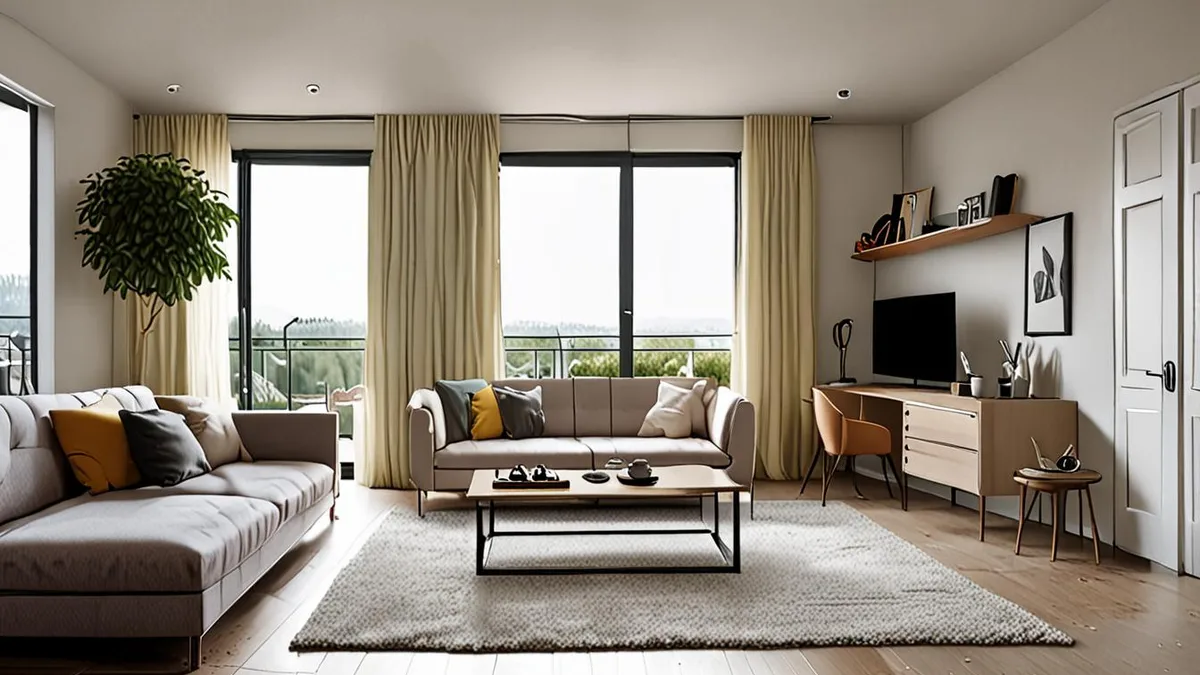
Aparthotels typically sleep 2 to 4 guests, but the layout works differently: a separate living area, a real kitchenette and often a small desk. That makes them the stronger pick for longer working trips, where you need somewhere to spread out a laptop during the day and shut the bedroom door at night. Two adults and one or two children fit fine, though a family of six will usually need to look elsewhere.
Matching the stay to your group
Couples tend to get more atmosphere per euro from glamping: a private deck, a wood stove and a dark-sky view are hard to replicate in a standardised studio. If that sounds like your kind of trip, our guide to picking a private and peaceful glamping site as a couple covers what to look for. Groups, on the other hand, get more usable floor space from one large tent than from two adjoining hotel rooms, and the communal fire pit becomes the social center of the trip.
One group needs special mention: travelers with limited mobility will find aparthotels far more predictable. Lifts, level floors and step-free access are standard requests in the aparthotel world, while glamping sites often involve gravel paths, raised decks and uneven ground between the parking area and your tent. Always ask specific questions before booking either option, but expect fewer surprises at an aparthotel.
Location Trade-Offs: Countryside Escape vs City Base
The single biggest difference between these two options is not the bed or the bathroom — it is the map. Glamping sites sit in the countryside by design, often 20 to 60 minutes’ drive from the nearest city center, so a car becomes essential for most day trips, supermarket runs and restaurant dinners. An aparthotel puts you in town, usually within walking distance of everything you actually need.
That location choice has a real cost attached, beyond the nightly rate. Fuel, rental car days, rural taxis and parking all add up over a week, and they rarely appear in the initial price comparison. On the flip side, no city hotel can offer what a glamping site gives you the moment you step outside: dark skies, trailheads and national park access right from your doorstep.
- Dark-sky value: rural sites far from town lights offer stargazing from your own deck, something you would otherwise need a dedicated trip to find.
- Trail access without driving: many glamping sites sit directly on hiking routes, so you can start a morning walk before breakfast instead of driving to a trailhead.
- Car-free city days: from a central aparthotel you can skip the rental car entirely on city-focused itineraries, using public transport or walking between sights.
- Daily driving time: if your itinerary is city-focused, a rural glamping base can cost you 1 to 2 hours of driving per day — time you would spend sightseeing from an aparthotel.
So the question to ask yourself is simple: what does your itinerary actually look like? If most of your planned days involve museums, restaurants and city streets, a countryside base works against you. If your days involve hiking, swimming holes and evenings under the stars, the drive to town becomes a minor detail.
Comfort and Weather: What to Expect in Each
Glamping comfort is not one thing — it varies enormously by unit. A well-insulated dome with a wood stove can be genuinely cozy on a chilly evening, while a basic canvas tent offers little more protection from the cold than a good sleeping bag. Before booking, ask exactly what heating the unit has, how it is insulated and whether the bathroom is private or shared.
Timing helps too. Shoulder-season glamping in May–June and September typically brings lower rates than peak summer, along with milder weather that suits campfires and long walks. You trade a bit of warmth at night for fewer crowds and better prices, which many travelers consider a fair deal.
When the weather turns
Rain is the real test of a glamping stay. With a covered deck, a sheltered cooking area or a communal barn, a wet day can feel atmospheric — listening to rain on canvas from a warm bed has real appeal. Without any covered outdoor space, the same rain can leave you stuck inside a small tent with muddy boots and restless kids. Check the photos and ask the site directly before booking what covered space each unit offers.
Aparthotels, by contrast, remove weather from the equation almost entirely. Heating, hot water and soundproofing work the same in January as in July, and a week of rain means little more than wet umbrellas in the hallway. If your trip dates are fixed and your tolerance for a soggy evening is low, that consistency alone can decide the comparison. Glamping rewards flexible travelers; aparthotels reward planners who want the indoors to behave, whatever is happening outside.
Which One Should You Book?
So which one gives you more for the same money? If you’re planning a short break of two or three nights on a nature-focused trip between April and October, glamping usually delivers more experience per night. A tent, dome or treehouse in a beautiful setting is something an aparthotel simply can’t replicate, no matter how well equipped the kitchenette is.
On pure cost, though, aparthotels usually win, especially for longer stays, city itineraries and winter travel when most glamping sites are closed. They also suit travelers who want predictable comfort: a real kitchen, reliable heating and a central base with no weather dependency. In short, the right choice comes down to trip length, season and how central you need to be. Have a trip in mind? Leave a comment or share this article.