You want a comfortable night in nature, but the booking page is split between two very different options: a canvas tent with a real bed or a wooden cabin with solid walls. This classic glamping vs cabins dilemma comes down to more than price per night — it affects how warm you’ll be, how many people you can bring and how the whole trip feels day to day.
This guide compares the two stay types side by side. We start by defining what each one actually is, then compare comfort, break down typical nightly costs, and look at how each option feels in daily use. We also cover when to book each type for the best availability, and finish with a simple way to match the stay to your trip, group size and season. By the end, you’ll know which option gives you better value for your budget.
Glamping vs Cabins: What Each Stay Actually Is
Glamping — short for glamorous camping — means sleeping in a furnished canvas structure rather than a nylon tent you pitch yourself. The most common types are safari tents, geodesic domes and yurts, and many are surprisingly substantial, with wooden floors, proper doors and sturdy frames. A typical glamping unit comes with real beds, fresh linens and lighting, and many sites include a private bathroom either inside the structure or a short walk away. Some even add kitchenettes, wood-fired hot tubs or outdoor decks.
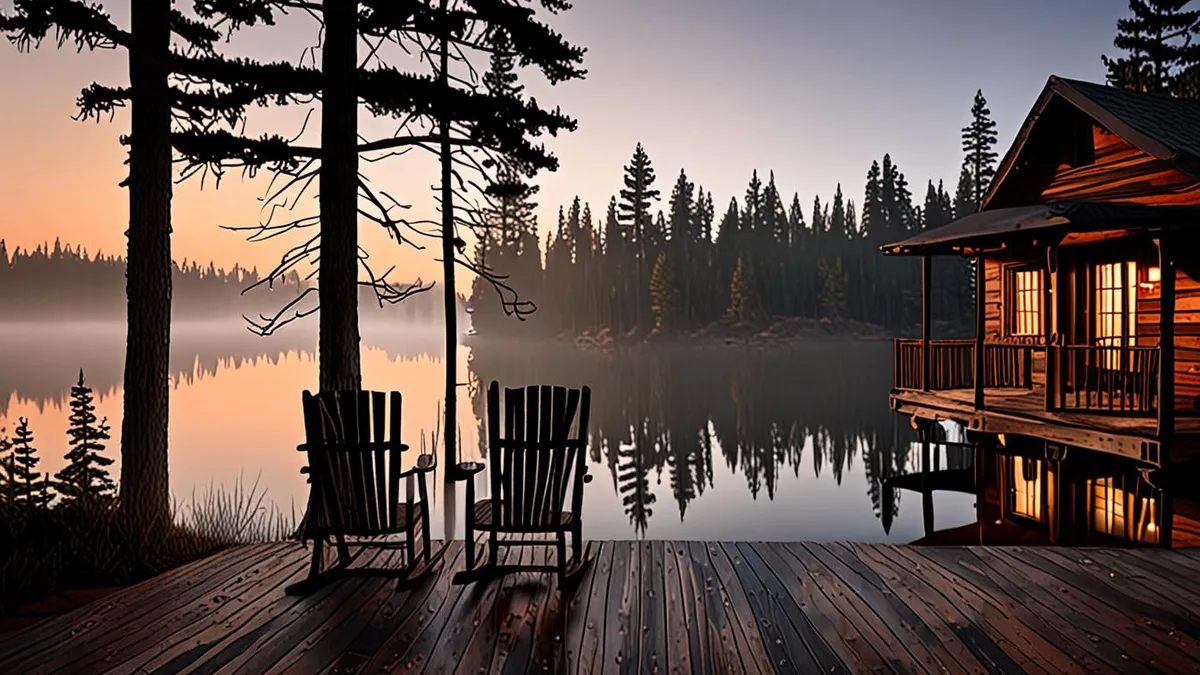
Cabins are a different animal entirely. These are solid wood buildings with walls, a roof, heating and usually a kitchen or kitchenette. A cabin is essentially a small house in the woods: it has a locked door, insulation, windows that close properly and, in most cases, an indoor bathroom. Rustic models may require a shared bathhouse, but even then the structure itself is sealed and weatherproof.
The core difference
The real distinction is how close to nature each stay puts you. Glamping keeps a close-to-nature feel — canvas walls mean you hear the wind, the rain and the birds directly, and you can often see stars through mesh panels. Cabins offer a sealed, weatherproof structure that buffers you from the elements while still putting the outdoors on your doorstep. Neither is better in the abstract; they simply deliver two different versions of a nature stay, and the rest of this guide shows what each version costs and when it performs best.
Comfort Comparison: Beds, Bathrooms and Weather
On paper, both stay types promise a comfortable bed, and both usually deliver. Glamping sites typically provide a proper bed with real linens — often a queen or king mattress on a solid frame — so you’re not sleeping on a thin camp pad. The catch comes with temperature control: heating in a glamping tent is often limited to a small wood stove or electric heater, and canvas simply doesn’t insulate like a wall. On a chilly night, the area farthest from the heat source can stay noticeably cool.
Cabin comfort is far more predictable. Solid insulation, full heating and double-glazed windows mean the whole interior stays warm, not just one corner. Most cabins also include an indoor bathroom and a kitchen, so you can shower, cook and dry wet clothes without leaving the building. Even rustic cabins that rely on shared bathhouses still offer a sealed, heated structure at the end of the day.
How the season changes the answer
In cold months, cabins win clearly — there’s no canvas structure that matches a heated wooden building on a frosty night. But in warm months, a well-ventilated glamping tent feels just as comfortable as a cabin, and many travelers prefer the airflow and cross-breeze that canvas provides. Packing matters too: knowing what to bring for a canvas stay makes a big difference, and our complete glamping packing checklist covers the layers and extras that keep a tent stay comfortable. The short version: check the season first, then the heating setup, and comfort will largely take care of itself.
Cost Breakdown: What You Pay per Night
The nightly price gap between the two stay types is real. Expect $150–$400 per night for a glamping tent versus $100–$250 for a basic cabin. Glamping sits at the top of that range in scenic or high-demand destinations, where domes and safari tents with private bathrooms command premium rates. Cabins vary with size and finish, but a simple two-bedroom unit in a forest area often lands near the middle of the range. For a fuller picture of what drives these prices, see our guide to typical glamping prices.
The headline rate doesn’t tell the whole story, though. Group size changes the math significantly: glamping units usually sleep 2–4 guests while cabins commonly sleep 4–8, so a cabin that looks pricier at first glance can work out cheaper per person. What’s included also differs between the two, and a few extra line items can shift the final bill either way:
- Linens and amenities: glamping rates usually bundle beds, linens, towels and bathroom access into one price, so there’s little to rent or bring on arrival.
- Cleaning fees: cabin rentals often add a separate cleaning fee and sometimes a booking service fee, which can add a meaningful amount to a short stay.
- Self-catering basics: some rustic cabins expect you to bring sheets, towels or kitchen supplies, an extra cost and luggage weight that glamping avoids.
- Minimum stays: premium glamping sites frequently require two-night minimums on weekends, effectively raising the cost of a one-night trip.
For couples, the per-person difference matters less than the experience, so the premium is often worth it. For groups, run the numbers per person before booking — the cabin usually comes out ahead.
The Experience: How Each Stay Feels Day to Day
Glamping puts you right at the edge of the outdoors. Because the walls are canvas, sound travels through them: you hear birds at dawn, wind moving through the trees, and rain tapping overhead while you lie in a real bed. On a clear night, stepping out of your tent means stepping straight into the landscape — no hallway, no door, just a few steps to the fire pit or the trail.
Cabins feel different from the moment you walk in. There’s a solid roof over your head, a kitchen to cook in, and usually a wood stove or fireplace to gather around. A rainy afternoon becomes part of the trip rather than a problem: play cards at the table, cook a slow dinner, and watch the storm roll past from a sealed porch or a window seat.
Waking up in canvas versus waking up behind glass
This is where personal taste matters most. If you want the novelty of falling asleep to the sounds of the forest and waking with the light, glamping delivers it in a way a cabin can’t quite match. If you’re looking for a retreat you can settle into — especially if you’re curious how it compares to a more traditional outdoor stay, our guide to glamping versus camping breaks that choice down too — a cabin gives you room to spread out and stay comfortable no matter what the weather does.
A simple rule of thumb: pick glamping for a one- or two-night dose of the outdoors, and a cabin when you want several days of easy living with a roof that never leaks.
Season and Booking: When to Reserve Each Option
Timing matters more for glamping than for cabins. In cold climates, most glamping sites run their season from June through August and shut down from late October through April, since canvas structures simply aren’t built for freezing nights. Cabins, with solid walls and full heating, stay open year-round — which makes them the default choice for winter trips. If your heart is set on a tent stay, plan it for the warmer months and accept that your dates will be limited.
Lead times differ too. Glamping sites tend to be small operations with only a handful of tents, so summer weekends fill up fast. A good habit is to reserve two to three months ahead for a June-to-August weekend stay. Cabins are more plentiful in most areas, so booking one to two months ahead is typically enough — though holiday weekends are the exception everywhere. Set a calendar reminder if you tend to book late, because the best-rated sites sell out first.
Booking tips that save money and stress
- Target May and September. Shoulder-season trips often mean lower nightly rates and quieter grounds for both stay types, and the weather is usually still pleasant enough for a tent stay.
- Ask about midweek availability. Many glamping operators discount or open up midweek nights that weekend travelers never see, so a Tuesday check-in can be easier and cheaper to book.
- Check the site’s closing dates directly. Some operators extend their season with heated tents or domes, so the published calendar online may not reflect what’s actually available when you call or email.
Whatever you book, confirm the cancellation policy before paying. Season-dependent stays often have stricter terms than ordinary hotel rooms, and a refundable rate is worth a few extra dollars when weather could force a change of plans.
How to Choose: Matching the Stay to Your Trip
The right choice depends less on the accommodation itself and more on who’s traveling and why. A couple celebrating an anniversary or first-timers curious about outdoor stays usually get more memorable value from glamping — the unusual setting, the canvas walls, the sense of sleeping in nature without giving up a real bed. Photographers and anyone marking a special occasion tend to feel the same way, because the setting itself becomes part of the trip. For a one- or two-night getaway, that wow factor is worth the premium.
Families and longer trips tilt the other way. A cabin’s kitchen, separate sleeping areas and weatherproof structure make multi-day stays far easier, especially with kids who need space to spread out when the weather turns. On trips longer than three nights, having a full kitchen and indoor bathroom pays for itself in convenience, since you can cook real meals and keep a routine going.
Quick scenarios to guide your pick
- Cold-weather or shoulder-season dates. Choose a cabin unless the glamping site specifically advertises strong heating — small stoves in tents struggle on freezing nights, while cabins are built for them.
- Rain in the forecast. A cabin turns a wet day into games and cooking indoors; a glamping tent can feel cramped and damp if the downpour lasts.
- Remote locations with shared facilities. Some rustic cabins rely on a shared bathhouse, so if a private bathroom matters to your group, confirm what’s included before booking either option.
When in doubt, match the stay to the length and purpose of your trip: short and novel points to glamping, long and practical points to a cabin. If you’re still torn, book a cabin for the first nights and add one glamping night at the end — you’ll get both experiences without betting the whole vacation on either one.
The Bottom Line on Glamping vs Cabins
So which one gives better value for your budget? If you’re traveling as a couple in summer and want a night that feels special, glamping usually justifies its higher price of $150–$400 per night. You pay more for the canvas-walls, close-to-nature atmosphere that a cabin can’t quite copy.
For groups, longer trips, or anything outside peak season, cabins win. At $100–$250 per night and room for 4–8 guests, they cost less per person and stay open year-round no matter the weather. In short: pick glamping for novelty and nature, a cabin for space, warmth and flexibility. The right choice really comes down to your season, your group size and how much rustic charm you want versus solid walls. Still torn? Tell us about your trip in the comments, or share this article with your travel crew.