Glamping in Croatia sounds like the perfect trip: safari tents on the Adriatic coast, forest domes near national parks, yurts in truffle country. But once you start planning, the questions pile up fast. Which region actually suits your travel style? When should you book to get good weather without paying peak-season prices? And which sites fill up months in advance?
This guide breaks it all down by region and season. You’ll see what Istria offers food and hill-town lovers, where the Dalmatian coast and islands deliver sea-view stays, and why the inland Plitvice region works so well in spring and autumn. We’ll also compare seasons side by side, from the lively summer months to the quieter shoulder season, and share practical tips on picking a site, checking what’s included and getting cancellation terms right before you pay. By the end, you’ll know exactly where and when to book.
Why Glamping in Croatia Works So Well
Croatia is one of those rare countries where you can drive from a mountain forest to a beach in a single morning. The coast, the rolling hills of the interior and the national parks all sit within a few hours’ drive of each other, which makes glamping here unusually flexible. You can base yourself in one spot for a week, or split a trip between a coastal site and an inland one without long transfers.
The climate helps just as much. Croatia’s Mediterranean conditions stretch the glamping season from April to October, far longer than in most of central Europe. Spring and autumn bring mild temperatures and thinner crowds, while summer delivers proper beach weather along the Adriatic.
A stay style for every setting
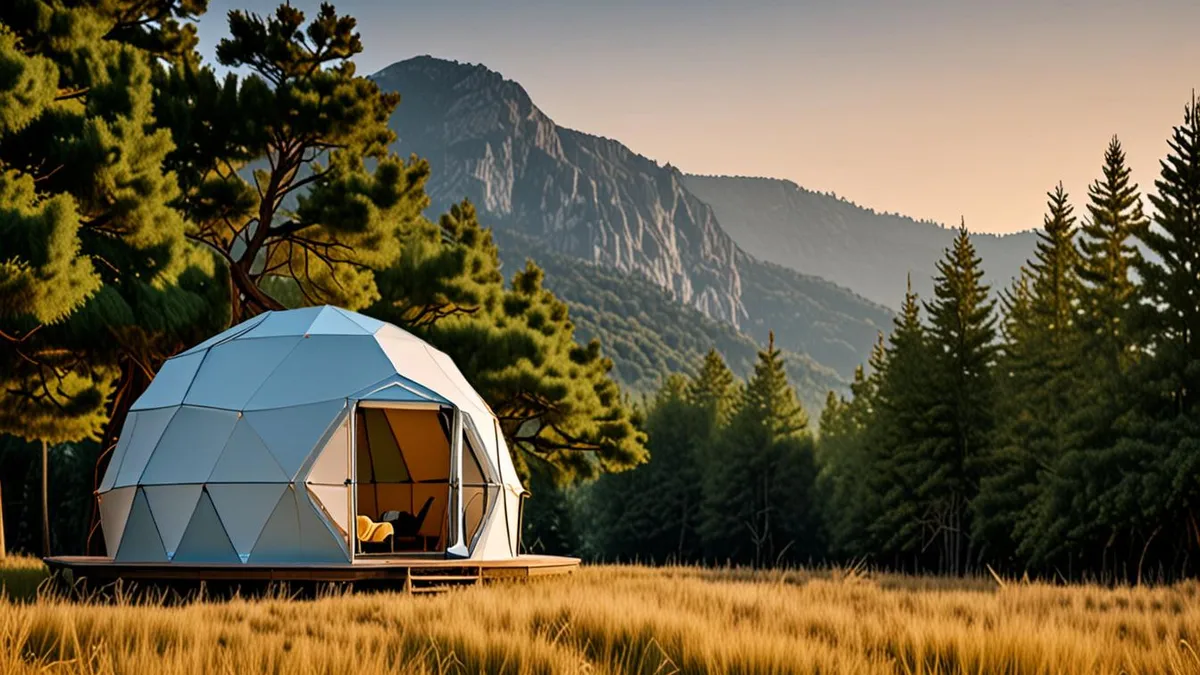
The variety of accommodation is another strong point. Coastal sites tend to feature safari tents and domes positioned for sea views, often on terraced hillsides. Inland, you’ll find yurts and forest domes that suit cooler evenings and greener surroundings.
That mix means glamping in Croatia isn’t a single experience but several: wine country, islands, rivers and national parks, each with its own style of tent. The sections below break down the main regions and when each one works best.
Istria: Truffle Country and Hilltop Stays
Istria, the heart-shaped peninsula in Croatia’s northwest, is the country’s food and countryside corner. The interior rolls gently with olive groves, vineyards and medieval hill towns perched on ridges. Motovun and Grožnjan are the best-known examples, both worth a slow morning of wandering cobbled streets and looking out over the valleys below. This is also truffle country, and local restaurants build entire menus around the seasonal hunt.
Coastal side, countryside calm
Head toward the western edge of the peninsula and the character changes. Around Rovinj and Pula, you’ll find glamping sites with easy beach access, so you can combine a morning swim with an afternoon drive into the hills. Many travelers like this balance: one base that covers both the coast and the interior without long drives.
Getting there is straightforward. Istria is roughly 2-2.5 hours by car from Zagreb, and it’s also an easy arrival from Italy and Slovenia if you’re flying into a nearby airport instead.
When to visit
The best months are May-June and September, when the weather is warm enough for the coast but the hill towns aren’t crowded. September is especially good if truffles are on your list, since the season ramps up in autumn. Pack layers for cooler evenings in the interior — a solid glamping packing checklist will save you a few forgotten essentials.
Dalmatian Coast and Islands: Sea-View Glamping
If waking up to the sea is the goal, the Dalmatian coast is where Croatia’s glamping shines. The regions around Zadar, Šibenik, Split and the island of Hvar offer terraced sites built into hillsides, with tents and domes positioned to catch Adriatic views. Many sit close to pebble beaches, so you can walk to the water within minutes rather than driving anywhere.
Peak season atmosphere
From June to August, this stretch of coast is at its liveliest. Temperatures run 25-32°C, the sea is properly warm, and coastal towns fill with open-air evenings, beach bars and boat trips to nearby islands. If you want a social, summer-holiday feel with your glamping stay, these are the months for it.
The trade-off is obvious: everyone else wants the same thing. Sites with the best sea views book out first, and the atmosphere in July and August is far busier than in spring.
What you’ll pay
Expect the highest rates of anywhere in Croatia here. In July and August, sea-view glamping typically costs €120-300 per night, depending on the site, the size of the tent and what’s included. A private bathroom, a proper terrace and a prime view all push the price up.
If those numbers sting, remember the shoulder months along the same coast offer similar scenery with lower rates and calmer beaches — the season section later in this article covers that in detail.
Inland and Plitvice Region: Forest and River Domes
Croatia’s inland region flips the script on the coastal glamping scene. Instead of terraced sites overlooking the Adriatic, you get forest clearings, river valleys and air that stays noticeably cooler, even in the height of summer. The area around Plitvice Lakes and the Gorski Kotar forests is where most of the region’s domes and yurts cluster, and the setting could not be more different from the coast.
This is the greenest part of the country. Gorski Kotar, often called Croatia’s highlands, is dense with beech and fir forest, mountain streams and small lakes, while the Plitvice area adds its famous chain of waterfalls and turquoise pools nearby. Waking up in a dome surrounded by trees, with mist on the hills and birdsong instead of beach music, is a genuinely different kind of Croatian trip.
Why spring and autumn are the sweet spot
Inland Croatia runs cooler than the coast, and that works in your favor outside peak summer. Spring and autumn stays typically bring temperatures around 15-22°C, which is comfortable for hiking, cycling and sitting out on a deck with a coffee in the evening. It also means you can explore Plitvice Lakes without the peak-season crowds, when the walkways and viewpoints feel far more relaxed.
Your wallet will notice the difference too. Inland sites are usually quieter and often cheaper than coastal ones, with rates typically in the €80-160 per night range. For travelers who care more about forests, rivers and national parks than beaches, this region delivers the best value glamping in the country.
When to Go: Choosing Your Season
Croatia’s glamping season is long, but the experience changes a lot depending on when you go. The Mediterranean climate keeps coastal sites running from spring through autumn, yet the sweet spot for most travelers is the shoulder season. May, September and early October typically bring temperatures of 18-25°C, thinner crowds and rates of €80-180 per night, which is a big step down from summer pricing.
Summer has its own appeal. June to August is the period that reliably delivers proper beach weather, with warm seas and the liveliest atmosphere around the Dalmatian sites. The trade-off is demand: the best sea-view domes and safari tents get snapped up early, so plan on booking 3-6 months ahead for July and August stays.
- Check opening dates before you commit. Many coastal glamping sites close between November and March for the winter, so a January search can return no availability even where listings still appear online.
- Think about what you actually want to do. If your trip centers on swimming and island hopping, summer’s 25-32°C days make sense; if it centers on hiking, truffle towns or national parks, the 18-25°C shoulder months are more comfortable.
- Consider the crowd factor. In May and September you’ll share viewpoints, beaches and village restaurants with far fewer people, and sites often feel calmer in the evenings.
- Watch your booking window. For peak-season dates, the 3-6 month rule matters most on the coast and islands, where the top units can sell out a full season in advance.
If your dates are flexible, aim for the edges of the season first. The weather is still warm, prices sit in the €80-180 range, and you get the same coastline with a fraction of the summer rush.
How to Pick and Book the Right Site
Glamping sites in Croatia vary widely, from simple yurts in inland forests to sea-view domes with private terraces, so a little planning goes a long way. The right choice depends on your setting, your budget and how much comfort you expect from a night under canvas. Some sites feel like boutique hotels with air conditioning, plunge pools and daily housekeeping, while others are closer to camping with a proper bed and a wood stove. Neither is better; they simply suit different travelers. If it’s your first glamping trip, it helps to read up on how to choose the perfect glamping site before you start comparing listings, because knowing what to prioritize will save you hours of scrolling through photos.
- Match the stay type to the setting. Domes work best where the whole point is the view, since their panoramic windows suit coastal and hilltop sites. Safari tents offer the most space, which makes them a strong pick for families who need room for kids and gear. Yurts suit cooler inland areas like the Plitvice and Gorski Kotar region, where their insulated, rounded shape feels cozy in the evenings.
- Check exactly what’s included. A private bathroom, a kitchenette and a covered terrace are the features that drive the €80-300 price spread between sites. A tent with a shared bathroom block can cost half as much as one with an en-suite shower and a deck with loungers, so compare the facilities, not just the photos. Also ask whether breakfast, bed linen for children or final cleaning are charged separately, as these extras add up quickly on longer stays.
- Confirm the cancellation terms before paying. Summer deposits, especially for July and August, are often taken months in advance and may be partially or fully non-refundable. Read the policy carefully, and if your plans could shift, favor sites that offer free cancellation up to a reasonable date.
Once you’ve settled on a region and a stay type, book early for summer dates and stay flexible for shoulder-season ones, when sites often have midweek openings and quieter surroundings. A short message to the site asking about check-in times, parking and what’s actually provided in the tent can also clear up any last questions before you commit. Bring a few basics anyway, such as a torch, insect repellent and an extra layer for cool evenings, since even well-equipped tents sit outdoors.
Wrapping Up Your Croatian Glamping Trip
Glamping in Croatia works because there is a region for every style of traveler. If you love food, truffles and slow mornings in hill towns, Istria is your match. If your ideal day ends with a swim in the Adriatic, head for the Dalmatian coast and its islands. And if forests, rivers and national parks appeal to you most, the cooler inland regions around Plitvice deliver that quieter kind of luxury.
Timing matters just as much as location. The shoulder season in May, September and early October offers the best balance of pleasant weather, thinner crowds and lower rates, while summer brings guaranteed beach conditions at higher prices. For July and August stays at the most sought-after coastal sites, booking 3-6 months ahead makes all the difference. Wherever you decide to go, we would love to hear about it, so leave a comment or share this article with a fellow traveler.