Most of us want the same thing from a resort holiday: a good pool, a solid spa, a room with a view and none of the peak-season chaos. The catch is that July and August prices often put that combination out of reach, and the crowds can make even a beautiful resort feel like a queue. Shoulder season resort trips promise a way around this, but many travelers hesitate because they are not sure which off-peak weeks actually bring reliable weather rather than gray skies and closed facilities.
This guide sorts that out. It explains what shoulder season means for resorts and why the window shifts between mountain, lake and coastal destinations. It looks at why rates and crowds drop, which months work best for the Alps, the Adriatic and lakes like Bled, and how to book so that pools, lifts and restaurants are actually running. Finally, it covers who benefits most from traveling off-peak, so you can decide whether a shoulder season stay fits your next trip.
What Counts as Shoulder Season for Resorts
Shoulder season refers to the weeks just before and just after a resort’s busiest period. For resorts in Central Europe, that usually means roughly May to mid-June and September to mid-October. These windows sit outside the peak rush but are close enough to it that the weather, the scenery and most of the service still feel like the real thing.
The exact weeks differ by destination, and that is the part many travelers get wrong. Mountain resorts have two peaks rather than one: winter for skiing and summer for hiking and family holidays. Beach and lake resorts, on the other hand, concentrate their high season in July and August, when the water is warmest and school holidays fill every sun lounger. So a good shoulder week at an alpine resort may be deep in the summer high season for an Adriatic beach hotel, and vice versa.
Shoulder season is not low season
This is the key distinction. In true low season, often November in the mountains or the depths of winter at a beach resort, hotels may close wings, reduce restaurant hours or shut pools for maintenance. During shoulder season, most resort facilities stay fully open: pools are heated and running, spas and wellness areas operate normal schedules, and restaurants serve their regular menus. You are essentially getting the same product as a peak-season guest, with fewer people sharing it. The main exception to check is seasonal attractions outside the resort itself, such as cable cars or beach clubs, which can have their own calendars.
Why Shoulder Season Resort Trips Work
The strongest argument for a shoulder season resort trip is financial. Rates typically drop 20-40% below July-August peak prices, and that discount applies to the same rooms, the same pools and the same spa you would use at the height of summer. A suite that is out of budget in August can suddenly be a realistic upgrade in late September, without compromising on anything except the crowd around you.
That crowd is the second benefit. Fewer guests mean shorter waits everywhere: no morning scramble for sun loungers, no queues at the spa, no twenty-minute wait for breakfast and no circling the parking lot in the evening. If you have ever eaten breakfast at a peak-season resort buffet in shifts, you will notice the difference on day one. For a closer look at how alpine resorts perform outside the busiest weeks, see this guide to Austria Alps resorts for summer holidays.
Weather is the third piece. Mountain valleys that reach uncomfortable heat in August often sit around 15-20°C in the shoulder weeks, which is far better for hiking, cycling and sightseeing than sweating up a trail at midday.
- Room upgrades become realistic. With occupancy down, front desks have more flexibility on upgrades, and asking at check-in often costs less than booking a higher category in advance.
- Dates are easier to change. Resorts that are fully booked solid in August can usually accommodate a shift of a few days in shoulder season, useful if weather or transport plans move.
- Staff have more time for you. Spa bookings, dinner reservations and activity advice are all easier to arrange when the resort is not running at full capacity.
Best Shoulder Season Months for Mountain Resorts
For mountain resorts, one month stands above the rest. September is the sweet spot for the Alps: hiking weather is stable, with valley temperatures typically around 15-20°C, the larch forests start to turn golden toward the end of the month, and the trails are far quieter than in August. Cable cars, mountain huts and resort facilities are still running their summer programs, yet the family crowds are gone. If you want a single answer to “when should I go,” this is it. For a destination that shows this season at its best, the Julian Alps resorts for adventure trips guide is a good starting point.
Early June: the pre-summer window
Early June works well for a pre-summer trip. Meadows are at their greenest, wildflowers are out, and many cable cars are already running their summer schedules. The trade-off is that not everything opens at once: some higher lifts, mountain huts and seasonal restaurants only start up in mid-June. Before you book, check the opening dates for the specific lifts and huts on your planned routes, because a closed lift can turn a short ascent into a long one.
Late October: beautiful but risky
Late October sits at the edge of the season. Days are noticeably shorter, the first snow can arrive at altitude, and some facilities switch to reduced schedules or close for maintenance between seasons. It can be atmospheric and quiet, but go with flexible plans rather than a fixed hiking itinerary, and confirm with the resort what will actually be open during your stay.
Best Shoulder Season Months for Lake and Coast Resorts
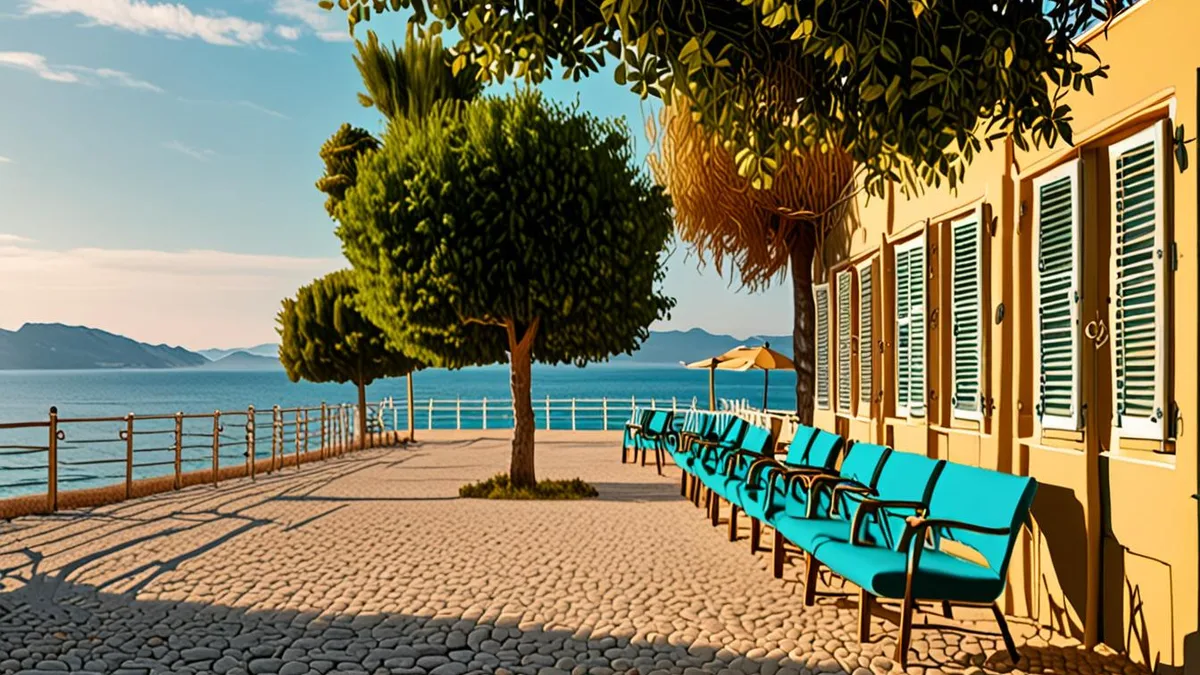
Lake and coastal resorts have their own rhythm, and it shifts a few weeks later than the mountains. On the Adriatic coast, early June and mid-September are the standouts. The sea sits around 20-22°C, days are warm enough for proper beach time, and the crowds that define August have either not arrived yet or already gone home.
Mid-September deserves a special mention. The water has had all summer to warm up, so swimming is often at its best, while the beaches and promenades feel noticeably calmer. Resort pools, beach clubs and waterfront restaurants typically stay in full operation, since the official beach season runs through September.
Lake destinations: May and September
For lake resorts, May and September are the months to target. Water is calm in the mornings, which is ideal for paddling, paddleboarding or an early row across the lake, and the towns themselves are far quieter than in July-August. If you are weighing up Slovenia’s two most famous lakes, our guide to Bled versus Bohinj breaks down which one suits a quiet shoulder season stay better.
One caution: don’t assume late September beach weather everywhere. The northern Adriatic cools faster than the southern coast, so a swim-friendly week in the south can feel noticeably fresher up north. Check recent sea temperature trends for your specific stretch of coast before booking the tail end of the season.
How to Book a Shoulder Season Resort Stay
Shoulder season bookings are generally easy to secure, but a little planning separates a smooth stay from one with unpleasant surprises. The good news is that you don’t need to plan far ahead; two to four months is usually enough for a shoulder season resort stay, which is far less pressure than competing for peak summer weeks. The key is knowing which details to confirm before you pay the deposit, because resorts sometimes adjust their operations once the busiest crowds are gone. A short checklist makes the process straightforward.
- Book 2-4 months ahead. Availability in May, June and September is typically good, but the most desirable rooms go first. Family rooms and spa-facing rooms sell out earliest in September, when wellness travelers and hikers book the same weeks. If a specific room category matters to you, reserve it as soon as your dates are fixed. Booking early also gives you time to compare room types calmly instead of settling for what is left.
- Confirm opening dates directly with the resort. Outside July-August, some facilities run on reduced schedules. Outdoor pools may close earlier in the evening, kids’ clubs may operate only on weekends, and à la carte restaurants may be replaced by a smaller menu. A short email or call before booking avoids disappointment, especially if a particular facility is the reason you chose that resort. Ask specifically about anything central to your stay, whether that is the sauna area, the pool hours or shuttle services to nearby trailheads.
- Check minimum-stay rules around local holidays and school breaks. Late May and early October often bring short local events, long weekends or regional school breaks. These can trigger two- or three-night minimum stays and push prices up for those exact dates. If your dates are flexible, shifting by even one night can restore both availability and rate. It also pays to ask about cancellation terms, since flexible rates cost slightly more but protect you if weather or work plans change.
Once these three checks are done, a shoulder season booking is essentially the same process as a peak season one, just with better rates and more rooms to choose from. The extra ten minutes of verification is what makes the difference, turning a potentially reduced-service stay into one that feels just as complete as any summer visit.
Who Shoulder Season Resort Trips Suit Best
Shoulder season resort trips are not for everyone, but for certain travelers they are clearly the better choice. The pattern that unites them is simple: they value calm, comfort and nature over peak-season energy, and their calendars are not dictated by school holidays. If that describes you, the case is easy to make.
Couples are the most obvious fit. Spa and wellness resorts take on a completely different character once the peak-season children’s activity programs end, and the poolside and sauna areas quiet down accordingly. Hikers and nature travelers benefit too, since valley temperatures around 15-20°C make full days on the trail far more comfortable than summer heat, and popular routes are noticeably less crowded.
The main dividing line is flexibility. Because the savings depend on traveling outside school holidays, families with school-age children rarely benefit from these windows. For everyone else, here is who gains the most:
- Couples prioritizing wellness: you get uninterrupted access to saunas, quiet pools and spa treatments, and staff have more time for personalized service once the family high season ends.
- Hikers and nature travelers: stable hiking weather, cooler valley air and trails where you rarely queue at viewpoints or mountain huts make September trips noticeably more rewarding.
- Flexible travelers without school-age kids: retirees, remote workers and couples who can shift a trip by a few weeks capture the off-peak savings that families locked into school calendars cannot.
If you recognize yourself in any of these groups, the shoulder season is not a compromise. For the right traveler, it is simply the better version of the same resort stay.
The Case for Traveling Off-Peak
So, can you really get a resort holiday without peak-season prices and crowds? Yes, if you pick the right weeks. Shoulder season trips combine rates often 20-40% below peak prices with quieter pools, spas and restaurants, plus milder weather that suits hiking, paddling and sightseeing better than midsummer heat.
The best windows are May to mid-June and September to mid-October, with September the safest all-round choice for most destinations. Book 2-4 months ahead and confirm facility opening dates directly with the resort, and an off-peak stay can feel just as smooth as a peak one. If you’ve traveled off-peak yourself, share your experience in the comments or pass this article along to a fellow traveler.