Slovenia packs two of Europe’s most beautiful alpine lakes into one small corner of the country, and they sit only about 30 minutes apart by car. That proximity creates a real dilemma for travelers: should you base yourself in lively, resort-style Bled, or in the quieter valley of Bohinj? The Bled vs Bohinj question comes down to what kind of trip you want, and the wrong choice can shape your whole stay.
This guide breaks the decision down step by step. We’ll compare the core differences between the two lakes, look at atmosphere and crowds, weigh costs and value for money, and match activities to each lake through the seasons. You’ll also find practical advice on the best bases and areas to stay around each lake, plus clear tips on when to book and how to decide. By the end, you should know exactly which lake fits your travel style, or whether splitting your nights between both is the smartest move.
Bled vs Bohinj: The Core Differences at a Glance
Bled and Bohinj are only about 26 km apart, roughly a 30-minute drive, yet they feel like two different destinations. Bled is a developed resort town: a full ring of hotels and guesthouses, lakeside promenades, cafes, restaurants and the famous island church that appears on nearly every Slovenia postcard. Everything is compact and walkable, which makes it easy to fill a day without a car.
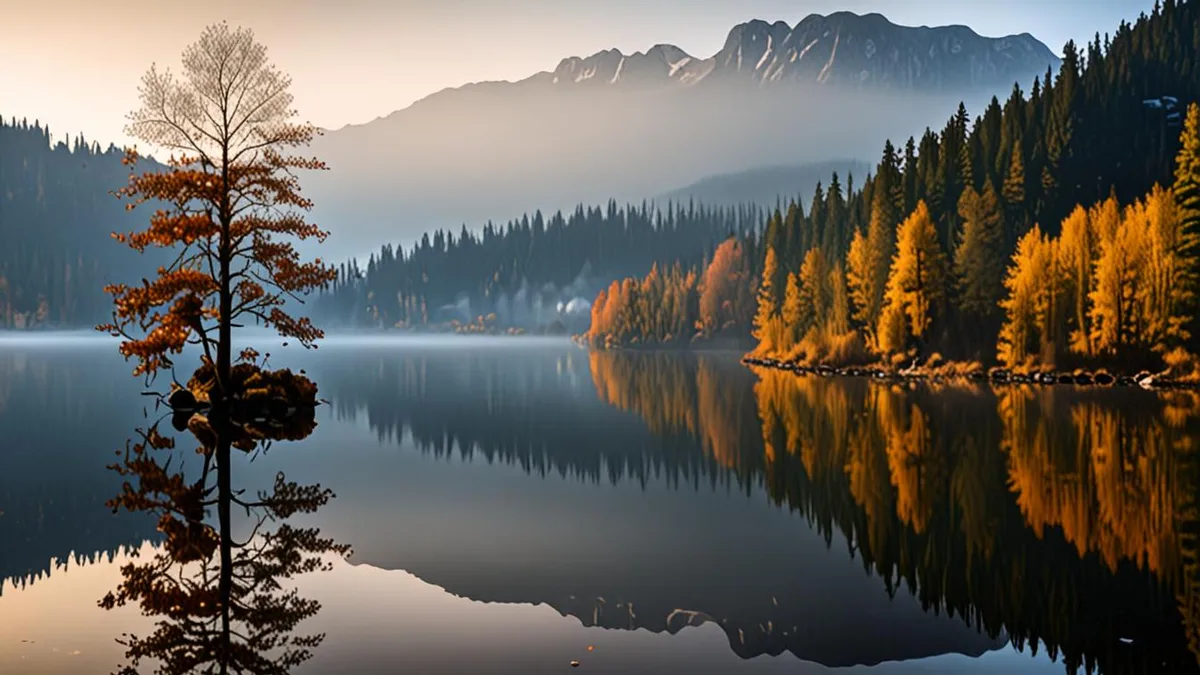
Bohinj is the opposite in character. It’s a longer, wilder lake sitting in a valley inside Triglav National Park, surrounded by mountains and meadows rather than promenades. There are villages and places to eat, but the scale is smaller and the pace is slower. If your ideal evening is a quiet terrace with a mountain view instead of a stroll past souvenir shops, Bohinj will feel like a better fit.
Which lake suits which traveler?
Choose Bled if you want nightlife, cafes and walkable sights all within a few minutes of your hotel. It works especially well for first-time visitors to Slovenia and travelers without a car. Choose Bohinj if you’re a hiker or simply someone seeking stillness; the trailheads, the big open water and the national park setting do the entertaining for you.
One thing both lakes share: summer swimming. The water peaks around 22-24°C, warm enough for a proper swim from late June to early September. So if a dip in an alpine lake is on your list, you can’t really make a wrong choice here, it comes down to the atmosphere around the water.
Atmosphere and Crowds: Which Lake Matches Your Style
The biggest difference between these two lakes isn’t the scenery, it’s the number of people enjoying it. Bled is one of Slovenia’s most famous sights, and it shows. Tour buses roll in throughout the day, and the lakeside promenade gets busy from mid-morning onward. In July and August, the town’s high season, you’ll share the waterfront walk, the island boat jetty and the castle viewpoint with a steady stream of day visitors.
That busyness has an upside. Bled feels alive in the evenings, with cafes, restaurants and lakeside strolls that continue long after the tour buses leave. If you like having people around, an ice cream in hand and a buzz in the air, Bled delivers exactly that.
Bohinj: the quieter alternative
Bohinj sees only a fraction of Bled’s visitors, even at the peak of summer. The main hub is the small village of Ribčev Laz, where you’ll find the practical essentials, but beyond it the lake shore stays remarkably calm. Mornings are for mist over the water and birdsong rather than crowds.
If your trip is honeymoon-style, all about quiet, space and each other, Bohinj wins without much contest. It’s the kind of place where the main evening activity is watching the light fade on the mountains. If that appeals, it’s also worth exploring similar low-key escapes elsewhere, like these quiet nature resorts in Slovakia. But if you want social energy, dining choice and evening atmosphere, Bled is the lake for you.
Costs and Value for Money Around Each Lake
Money matters here, and the gap between the two lakes is real. Comparable rooms around Bohinj typically run 20-40% cheaper than similar accommodation around Bled in the same season. Bled’s premium doesn’t buy better views, it buys convenience: walkability, a wide choice of restaurants and the infrastructure of a proper resort town.
Bohinj’s lower prices buy something different: space. For the same budget you’ll usually get bigger rooms, quieter surroundings and mountain views straight from your window. If your days are spent hiking or by the water anyway, paying extra for Bled’s town amenities may not make sense.
Timing your stay to save
Whenever you choose, the calendar matters as much as the location. The shoulder months of May-June and September-October cut prices at both lakes, while the weather stays mild at around 15-22°C. You also get fewer crowds, which is a bonus at Bled in particular.
If keeping costs down is a priority, it pays to plan carefully. Have a look at these budget-friendly resorts in Slovenia for more ideas on stretching your budget. A simple rule of thumb: pick Bled if you’ll use its walkable dining and sights every evening; pick Bohinj if you’d rather spend the difference on a longer stay.
Activities and Seasonal Planning for Each Lake
Bled is the easier lake for sightseeing, and most of it happens right on or beside the water. The classic move is a pletna boat trip to the island church, where you climb the steps and ring the wishing bell before boating back. Bled Castle sits on a cliff above town, so a visit pairs well with an afternoon of wandering the promenade. For something greener, the walk through Vintgar Gorge follows a wooden boardwalk along a rushing river, and the flat path circling the lake makes for relaxed cycling with constant views.
Bohinj trades sightseeing for trailheads. The valley sits inside Triglav National Park, so hikes of every difficulty start close to the shore, and the cable car up Mount Vogel delivers sweeping alpine panoramas without any walking at all. The lake itself is bigger and wilder than Bled’s, which makes kayaking and paddling here feel more like an expedition than a photo stop.
- Island boat trips at Bled run on traditional pletna boats rowed by local oarsmen, a tradition that goes back generations.
- Vintgar Gorge sits a short drive or shuttle ride from Bled, and the boardwalk route ends at a waterfall, so allow a few hours for the round trip.
- Vogel’s cable car lifts you to high-altitude trails and viewing terraces, a good option if you want big mountain scenery with minimal effort.
- Bohinj’s size and open water make it popular with kayakers and stand-up paddlers who want room to roam without boat traffic.
- In winter, ski areas near both lakes typically operate from December through March, with Vogel standing out for its views over the lake and Julian Alps.
Where to Stay: Bases and Areas Around Each Lake
Where you sleep shapes the whole trip, so it pays to match your base to your priorities. In Bled, the choice is essentially between two moods: the west shore, where you catch the best light on the island at sunset, and the town center, where restaurants and cafes sit within a few minutes’ walk. That convenience comes at a price, and rooms in Bled generally cost noticeably more than comparable stays around Bohinj, so weigh what you actually plan to do each day before booking.
Around Bohinj, the main hub is Ribčev Laz, a small village with straightforward lake access and most of the valley’s practical services. If quiet matters more than convenience, head for Ukanc at the far end of the lake, closest to the Vogel cable car and the wildest scenery. Families often do best here too, thanks to the flat meadows and open space where kids can run freely, and you can find more ideas in this guide to family-friendly resorts across Slovenia.
One practical tip: check whether your accommodation offers parking, especially in Bled, where spaces near the center can be tight in summer. In Bohinj, most villages are compact enough that you can park once and walk to the water, which makes a car-free evening feel effortless.
- Bled’s west shore positions you for evening photos of the island with the castle behind it, the shot most postcards are built on.
- Bled’s town center means you can park the car once and reach restaurants, bakeries and the promenade on foot.
- Ribčev Laz puts you near boat rentals and the lakeside path, handy if you plan to be on the water most mornings.
- Ukanc is the quietest corner of the valley, with mountain backdrops and easy reach of the Vogel cable car.
- First-time visitors usually prefer Bled’s walkability, while return travelers chasing stillness tend to pick Bohinj’s meadows.
When to Book and How to Decide
Once you have picked a lake, the booking window matters more than most travelers expect. Summer demand around both lakes is strong, and the best-located rooms go first. The pattern is predictable: the prettiest lakeside rooms and family-run guesthouses fill up long before the larger hotels do, so waiting usually means settling for what is left rather than what you wanted. Here is a simple way to work through the decision.
- Fix your travel dates first, since the season changes both prices and atmosphere at each lake.
- If you are traveling in July or August, book 2-3 months ahead at either lake to secure the rooms you actually want.
- For shoulder months, 4-6 weeks of lead time is generally enough, and rates soften noticeably.
- Choose Bled if you want sights, restaurants and evening strolls bundled into one walkable town.
- Choose Bohinj if nature outweighs amenities for you, and you are happy trading dining choice for calm and national park access.
- If you cannot decide, stay at Bohinj and day-trip to Bled, or split your nights between the two lakes.
The two lakes sit only about 26 km apart, roughly a 30-minute drive, so you do not have to treat this as an either-or decision. Many travelers split their stay, spending a few nights at each, and those who do usually say the contrast is the best part of the trip. A split stay also spreads your spending and lets you match each base to the activities you have planned for those days.
Whichever way you lean, locking in your preferred base early is what separates a smooth trip from a compromised one. Check cancellation terms before you commit, since flexible rates cost a little more but remove the risk if plans shift. A little lead time on booking pays off more around these lakes than at most European destinations of this size.
Wrapping Up the Bled vs Bohinj Choice
So which lake fits your trip? If you want a lively atmosphere, plenty of services and evening strolls between restaurants and cafes, Bled is your answer. If calm, better value and direct access to Triglav National Park matter more, Bohinj will feel like the right choice from the moment you arrive.
Think about how you spend your days, too. Summer swimmers and hikers tend to fit Bohinj best, while sightseers and evening strollers get more out of Bled. Whichever lake you pick, booking 2-3 months ahead secures the best options in peak season. If you have stayed at either lake, share your experience in the comments or pass this article along to a fellow traveler.