You’ve narrowed your trip down to a dome or a treehouse, but you’re unsure which one actually fits your destination, season and travel style. That’s a common sticking point, because the glamping domes vs treehouses debate isn’t really about which stay is better overall. It’s about which one matches where you’re going, when you’re going and how you like to travel. A dome on open ground and a treehouse ten to thirty feet up in the canopy offer very different experiences, even when the price tags look similar.
This guide breaks the choice down piece by piece. We’ll compare the core difference between the two, how their views and settings differ, and who each stay suits in terms of comfort, space and group size. We’ll also look at when each one shines seasonally, what you’ll typically pay and when to book, plus how to match your choice to the trip you’ve actually planned. By the end, you should know exactly which stay fits.
Glamping Domes vs Treehouses: The Core Difference
At first glance, a dome and a treehouse might seem like variations on the same idea: a stylish, nature-immersive alternative to a hotel room. In practice, they’re built on completely different principles, and that shapes everything from your view to how you get inside at night.
What a glamping dome actually is
A dome is a geodesic or dome-shaped tent set on a ground-level platform. Its defining feature is the panoramic skylight window, often a transparent panel at the top or a curved clear section facing the view. Because domes sit on open sites rather than tucked into woods, the landscape becomes your wallpaper in every direction.
What a treehouse actually is
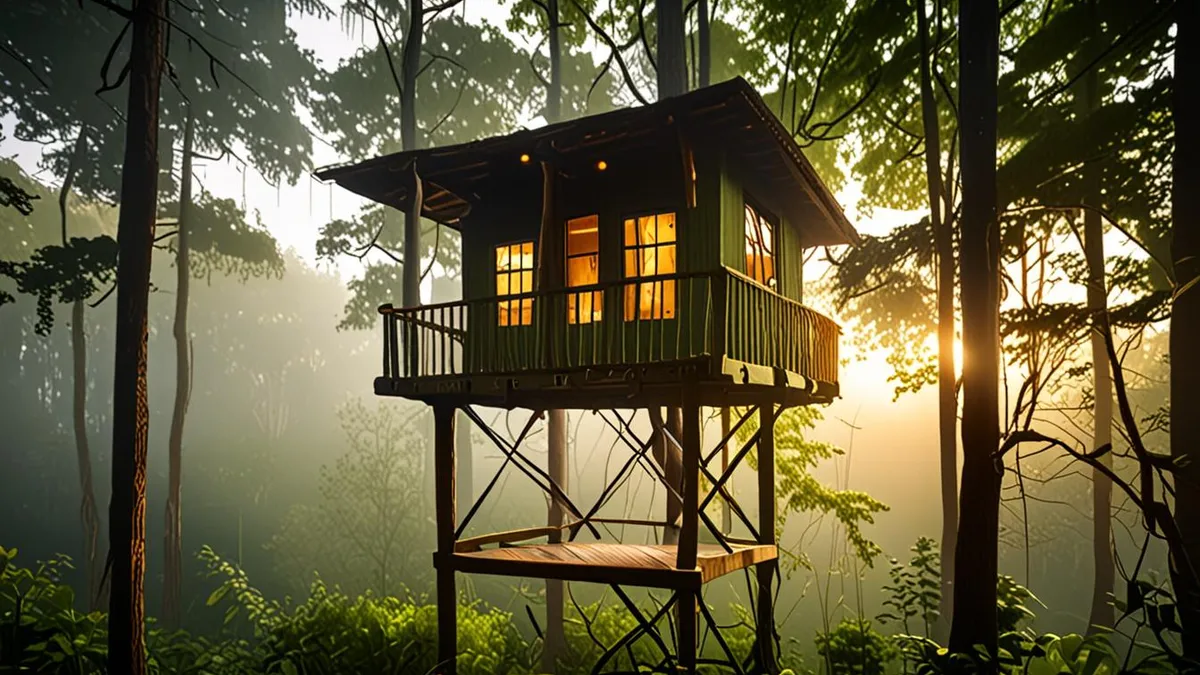
A treehouse is an elevated wooden structure built 10–30 feet up in trees. It feels much closer to a small cabin: solid walls, a proper door, and windows framed by branches. The defining feature here is the canopy view — you’re at treetop height, looking out through leaves rather than across open land.
So the real choice isn’t dome versus treehouse as structures. It’s between two kinds of immersion: open-landscape immersion, where the horizon and night sky dominate, or forest-canopy immersion, where you’re wrapped in greenery and hidden among the trees. Neither is better — they simply suit different destinations and moods, which is exactly what the rest of this guide helps you sort out.
Views and Setting: Skyline vs Canopy
Views are where these two stays diverge most sharply, and it’s worth deciding before you book which kind of scenery you actually want to wake up to.
The dome experience: skyline and stars
Domes offer 360-degree landscape views, and many models add a transparent roof panel for stargazing without leaving your bed. That makes them ideal for open settings: deserts, meadows and mountain valleys, where there’s nothing to block the horizon. On a clear night, the sky becomes the main event, and you can lie back and watch it from under the covers. If you’re planning a stargazing-focused stay, it helps to know what to bring along, so check our complete glamping packing checklist before you go.
The treehouse experience: eye-level with the forest
Treehouses give you a different kind of show. Sitting 10–30 feet up, you’re at eye level with birds, squirrels and the upper branches, and the surrounding leaves create a natural screen of privacy. They work best in dense forest regions, where the canopy itself is the attraction rather than a distant panorama.
There’s also a mood difference. Domes feel exposed and social — you can often see neighboring domes and the whole site around you, which suits travelers who like a sense of openness. Treehouses feel hidden and intimate, as if the forest has folded around you. If your trip is about wide horizons and night skies, lean dome; if it’s about seclusion and wildlife at close range, the treehouse wins.
Comfort, Space and Who Each Stay Suits
Comfort is where the practical differences show up. Both stay types usually include real beds and basic furnishings, but the layouts, capacity and access are quite different.
Most domes sleep 2–4 guests with real beds, heating and often a bathroom block nearby rather than an en-suite in every unit. That capacity and layout make them a natural fit for couples and small families. Treehouses are a different story: many cap at 2 adults, with compact layouts that feel cozy rather than spacious, and access via stairs or ladders rather than a flat walkway.
In short, domes usually offer more floor space and easier access, while treehouses trade convenience for atmosphere. Before booking either, check a few specifics:
- Bathroom setup: some domes have a private en-suite bathroom, while others share a central bathroom block a short walk away — a real difference on a rainy night.
- Heating type: ask whether heating is a wood stove, electric heater or underfloor system, since this affects both warmth and whether you’ll need to tend a fire overnight.
- Access route: some treehouses are reached by a gentle staircase, others by a ladder or a long spiral stair — confirm which before booking if anyone in your group has limited mobility.
- Layout details: compact treehouse layouts often mean a shared sleeping and living space, so check whether the bed is separate from the kitchenette or seating area.
None of these details make one stay better than the other, but knowing them in advance means no surprises when you arrive — especially if you’re traveling with kids, older family members or anyone who prefers ground-level living.
Season and Weather: When Each Stay Shines
Weather is often the deciding factor between a dome and a treehouse, and the difference comes down to one simple fact: domes are built for cold, treehouses are built for leafy seasons. Insulated geodesic domes handle snow and sub-zero nights without trouble, which makes them a strong pick for winter trips and northern lights season. You can lie in a warm bed and watch snowfall through the transparent roof panel, which is an experience a wooden platform simply cannot offer in January.
Treehouses shine in a different window entirely. Late spring through early fall is their sweet spot, when trees are in full leaf and the platforms stay dry. A treehouse in bare November woodland loses much of its charm, and rain-soaked stairs or decks can turn a cozy stay into a soggy one.
Shoulder seasons favor domes
If your trip falls in spring or late fall, domes generally hold up better. Their rounded shape sheds rain efficiently, and their enclosed, insulated structure handles wind and damp far better than an open wooden platform exposed to the elements. Check with each operator about insulation and heating before booking a shoulder-season stay, since specs vary between sites.
What You’ll Pay and When to Book
Both stay types sit in a similar price band, but treehouses usually command a small premium. Expect around $120–$350 per night for a dome and $150–$400 per night for a treehouse, with luxury models at either end exceeding $500. Location drives the price as much as the structure: a dome in a remote desert valley often costs less than a modest treehouse an hour from a major city. Season plays a role too, since dome operators in northern regions tend to price summer weekends higher, while treehouses can charge a premium during peak fall foliage weeks.
Timing matters just as much as the nightly rate. Book either stay type 2–4 months ahead for peak summer weekends, and earlier still for holiday weeks when demand spikes. If your dates are flexible, midweek and off-season stays can cut rates noticeably at both stay types, sometimes by a meaningful margin. It also pays to compare several properties in the same area before committing, because nightly rates for near-identical setups can vary widely within a single region. For a fuller breakdown of what glamping costs across different styles and seasons, this guide to typical glamping prices is a useful reference.
- Check what the rate includes. Some listings bundle heating, firewood or breakfast into the price; others charge separately for extras like hot tub use or firewood, which can add up over a multi-night stay.
- Watch for cleaning or service fees. Many glamping sites add a flat cleaning fee per booking, so the effective cost of a one-night stay can be noticeably higher than the advertised nightly rate.
- Ask about minimum-night stays. Popular sites often require two or three nights on weekends and during holiday periods, which affects the total cost of a short trip.
How to Match the Stay to Your Trip
The best stay depends less on the structure and more on what you want from the trip. Choose a dome if your plans center on stargazing, winter escapes, group stays or wide-open landscapes. A dome’s panoramic skylight and open-site placement make it the natural pick for desert nights, mountain valleys and any trip where the sky is the main attraction.
Choose a treehouse if you’re after a romantic forest getaway, wildlife watching or summer leafy privacy. Being 10–30 feet up in the canopy puts you at eye level with birds and squirrels, and the enclosed, hidden feel suits couples far better than a dome on an open field.
Check the details before you book
Whichever you pick, read the site listing carefully before paying. Heating, bathroom access and climb requirements vary widely between operators, and surprises on arrival can spoil a good trip. If it’s your first time booking this kind of stay, this guide to choosing your first glamping site walks through what to look for.
- Confirm heating type. Wood stoves need tending overnight and may need relighting; electric or propane heating keeps a steadier temperature, which matters more in a dome in cold months than many travelers expect.
- Clarify bathroom arrangements. Some domes have en-suite bathrooms, while others rely on a shared bathhouse a short walk away. In a treehouse, plumbing is harder to install, so check whether you get a private or shared facility.
- Assess the climb. Many treehouses require stairs or ladders and are less suited to guests with limited mobility. Ask how many steps there are and whether luggage help is offered, especially if you’re carrying bags and supplies up.
The Bottom Line: Dome or Treehouse?
So which one fits your trip? If you want space, easy access, comfort in cold weather and wide panoramic views, the dome is your stay. It handles snow and sub-zero nights well, sleeps up to four guests and puts the whole landscape on display through its skylight. If you care more about atmosphere, leafy canopy views and a cozy escape for two, the treehouse wins. There is nothing quite like waking up ten to thirty feet above the forest floor.
In the end, three things decide the winner: your season, your group size and your appetite for stairs. A winter stargazing trip with family points straight to a dome, while a summer getaway for two in deep forest points to a treehouse. Match the stay to those answers and you can’t really go wrong. If you’ve stayed in either, tell us which you’d pick in the comments, or share this with someone planning their next trip.