You’ve found the perfect dome perched on a hillside or a safari tent strung with fairy lights, and you’re ready to book. Then you check the forecast: a storm system is rolling in, or you realize the cancellation policy is stricter than you expected. Glamping cancellations and weather are two things that can quietly turn a dreamy escape into a costly washout if you don’t plan for them.
The good news is that both risks are manageable with a little know-how. In this guide, we’ll look at why weather hits glamping harder than a hotel stay, how typical cancellation policies work, and how to book with weather risk in mind. We’ll also cover the best months to aim for, what to do when the forecast turns bad, and which structures hold up best in wind and rain. Read on before you click “confirm,” and you’ll be far more likely to stay dry, comfortable and out of pocket for the right reasons.
Why Weather Matters More for Glamping Than Hotels
Glamping feels closer to a hotel experience than camping, but structurally it’s a very different story. A hotel room sits behind sealed walls, insulated windows and a solid roof. A safari tent has canvas walls, a geodesic dome has fabric or thin panel sections, and many setups include outdoor kitchens, decks and open-air lounges as part of the living space. When rain drums on that canvas or wind rattles the dome panels, you hear and feel it from your bed. A damp, flapping night is not the cozy experience you paid for.
Getting there can be half the problem
Remote glamping sites are often reached by gravel tracks, farm roads or unsealed driveways. After heavy rain, these can turn muddy, rutted or briefly impassable, especially for low-clearance cars. Some hosts will warn you and suggest a four-wheel-drive vehicle or a longer walk from a parking spot, so it’s smart to ask about road conditions when rain is forecast.
The appeal is the outdoors itself
Unlike a city hotel, most of a glamping stay’s value lives outside: morning coffee on the deck, evenings around the fire pit, stargazing from a hot tub. In a full washout, those activities disappear, and you’re left sitting inside a tent listening to the rain. That’s why weather deserves extra weight in your booking decision compared with a standard hotel trip, where a rainy day just means a museum instead of a beach.
Typical Cancellation Policies at Glamping Sites
Glamping cancellation policies vary a lot between independent hosts and booking platforms, but most sites fall into a familiar pattern. The typical free cancellation window runs from 7 to 30 days before arrival. Cancel inside that window and you usually get most or all of your money back; cancel later and you’ll often forfeit a deposit or the full amount. Peak-season dates, holidays and school breaks usually come with stricter rules, because the host has fewer chances to resell a prime weekend slot.
The trade-off with non-refundable rates
Many operators offer a cheaper non-refundable rate, and the savings usually land somewhere around 10-20% off the standard price. That’s real money on a multi-night stay, but it cuts both ways: if a storm rolls in a week before your trip, you have no financial escape hatch. Before choosing the cheapest rate, think honestly about how likely bad weather is for your dates and destination.
Ask about weather-based rebooking before you pay
Some glamping operators handle severe forecasts differently, offering weather-based rebooking to a later date instead of a refund. Policies like this can be the best of both worlds: the host keeps the booking, and you keep the trip. It’s rarely advertised prominently, so message the host directly and ask before paying. While you’re at it, ask what happens if access roads flood or facilities close. And once your rebooking is secured, a solid glamping packing checklist will help you prepare for whatever the new dates deliver.
How to Book Glamping with Weather Risk in Mind
Booking smart means matching your rate type and timing to the weather risk of your dates. A flexible rate costs more than a non-refundable one, and whether that premium is worth paying depends heavily on when you’re traveling and how far out you book. Before you decide anything, it helps to know what a stay should cost in the first place: this guide to typical glamping prices is a useful reference, since rates for similar sites can vary a lot by structure and season.
- Pay for flexibility on rain-risk dates. If your trip falls in a shoulder-season window, when rain risk is highest in many destinations, treat the flexible-rate premium as cheap insurance. Losing a full booking to a washout costs far more than the upgrade.
- Time your booking to the season. For peak-season domes and yurts, book 3-6 months ahead, since the best structures sell out early. In shoulder season, waiting until 2-4 weeks before your trip is often enough, and it lets you check the forecast before committing.
- Read the deposit fine print. Many sites keep a large share of a booking that runs $100-$400 per night once you’re inside the cancellation window. Know exactly when that window opens so a late change of plans doesn’t cost you half the trip’s value.
Follow these steps and you’ll have an exit route for most weather scenarios. The flexible rate works as your insurance policy, the booking timing keeps your options open, and knowing the fine print means no unpleasant surprises when plans change. Check current rates and policies with your host before paying, since terms differ between operators.
Best Seasons and Months to Avoid Weather Disappointment
If dry weather is your top priority, timing matters more than almost any other booking decision. In most temperate regions, the peak glamping season runs from May to September, and that stretch exists for a good reason: it delivers the most reliable stretch of warm, dry days. Ground that has had weeks of sun stays firm underfoot, fire pits light easily, and evening stargazing actually happens instead of happening behind a rain sheet.
Shoulder months like April and October tempt travelers with lower prices and thinner crowds, but they also carry the highest rain risk in many destinations. A cheap midweek yurt in October can quickly lose its charm if the deck is sodden, the paths are mud, and shared facilities have already closed for the season. Some sites reduce services or shut entirely outside peak months, so a bargain rate can come with a stripped-down experience.
Regional patterns vary widely, so check the local rainy season before you commit. A coastal site, a mountain site and a desert site can sit a few hours apart and behave completely differently in the same month. When you compare options, reading a guide on how to pick the right glamping site for your first trip can help you match the location’s climate to the experience you actually want.
- Coastal sites: often get short, sharp showers that pass quickly, but wind can be a bigger issue than rain, so ask about sheltered pitches.
- Mountain sites: can see afternoon storms and cold nights even in summer, which makes heating and covered space worth confirming.
- Desert sites: usually have very dry stretches, but when rain does arrive it can flood access roads, so ask how the site handles wet-weather entry.
- Facility calendars: some operators close showers, kitchens or communal areas in shoulder months, so confirm exactly what stays open during your dates.
What to Do When the Forecast Turns Bad
A bad forecast a week out is not a disaster if you handle it well. The single biggest mistake travelers make is waiting until the last minute, then demanding a refund when the host has already prepared the site, stocked the firewood and turned away other bookings. By then, neither side has good options left. Early, friendly communication changes the whole conversation and usually opens doors a late cancellation never will. Hosts would much rather shift your dates than lose them entirely, and most are far more generous with travelers who give them time to rework their schedule.
- Watch the forecast early and act on the first severe signal. As soon as a serious storm appears in a reliable forecast for your dates, message the host. Reaching out days in advance makes rebooking far more likely than a refund demand made on arrival day.
- Ask about weather-based rebooking before anything else. Many sites offer weather-based rebooking rather than refunds for severe forecasts. Proposing a move to a later date keeps your booking alive, costs the host less, and often gets approved faster than a straight cancellation.
- Get any agreement in writing. A short message confirming the new dates or the revised terms protects both sides and prevents confusion when you arrive.
- If you decide to go anyway, adjust your packing. Shift toward waterproof layers, quick-dry clothing, extra towels, sealed bags for electronics, and indoor-friendly gear like books or games so a rainy day inside the tent or dome stays comfortable.
- Plan one bad-weather activity as a backup. A nearby town, a covered market or a long lunch gives you somewhere to go when the fire pit is off the table.
Handled this way, a storm usually costs you a plan change rather than your money. Think of the host as a partner rather than an opponent: they deal with weather problems constantly and know which dates have openings before you do. Ask what they would suggest, whether that is moving to the following weekend or swapping to a different unit on higher ground. The travelers who communicate early and stay flexible are the ones who end up with new dates instead of a forfeited deposit and a sour end to what should have been a memorable trip.
Choosing Weather-Resilient Glamping Structures
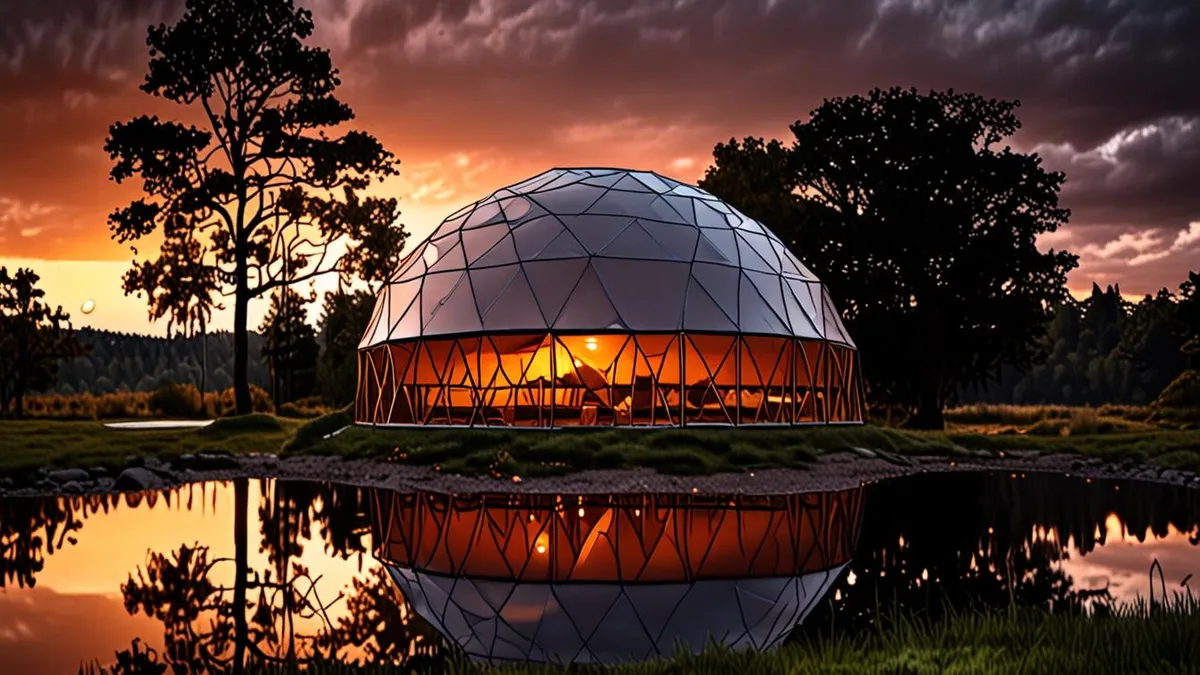
Not all glamping structures cope with bad weather equally well, and this is where a little research pays off more than any packing list. Open safari tents are wonderful in calm, dry conditions, but canvas walls let in wind noise, driving rain and cold air. Domes and hard-sided cabins, by contrast, seal out the elements far better, which is why they dominate listings in wetter and windier regions.
Yurts sit somewhere in between, and the good ones handle cold and wet months impressively. A yurt with a wood stove turns a chilly, drizzly shoulder-season night into something genuinely cozy, with a dry warm interior while rain hammers the roof. Without that stove, the same yurt in the same weather can feel damp and bleak, so the heating setup matters as much as the structure itself.
Before booking anything outside the May to September peak, ask the host direct questions rather than relying on listing photos. Photos are usually taken on the site’s best day of the year, and they tell you nothing about what happens during three days of steady rain. A host who answers clearly about insulation and heating is also a good sign of how they handle problems in general.
- Insulation levels: ask whether the structure has insulated panels, liners or just single-layer canvas, since this makes the biggest difference on cold, wet nights.
- Heating source: confirm whether heat is a wood stove you tend yourself, an electric heater, or nothing at all, and whether fuel is included.
- Covered outdoor space: a covered deck or veranda lets you still enjoy coffee and fresh air in light rain instead of being trapped inside.
- Wind exposure: domes and cabins shed gusts better than tents, so ask whether your specific pitch is sheltered or exposed on a ridge.
- Ground drainage: in shoulder months, ask whether paths and decks stay usable after heavy rain or turn to mud around the entrance.
Wrapping Up: Book Smart, Stay Dry
That dreamy dome or safari tent can still turn into a costly washout if a storm rolls in and your booking terms work against you. The good news is that glamping cancellations and weather are both manageable with a little planning. Choose flexible rates, respect the 7 to 30 day free cancellation windows, and aim for the May to September peak season when dry weather is most reliable in temperate regions.
Just as important, your structure choice and how early you talk to your host decide whether a storm costs you money or simply a plan change. A hard-sided dome with heating and a weather-based rebooking option can absorb a bad forecast; an open tent booked on a non-refundable rate cannot. Check the policy before you pay, not after the rain starts. If this helped you plan a drier getaway, leave a comment or share this article with a fellow traveler.