Choosing between Vienna hotels can feel surprisingly tricky for a first visit. The city offers grand addresses right in the historic center, but also quieter, cheaper neighborhoods a few U-Bahn stops away. Pick the wrong base and you may find yourself spending extra money on transport, or losing precious evening hours to a commute instead of a stroll past illuminated palaces.
This guide breaks the decision down into simple, practical steps. We start with why your choice of base matters so much on a short trip, then look at the Innere Stadt as the classic first-timer district and at Leopoldstadt and the Museum Quarter as value alternatives. From there, we cover when to book for the best rates, how to judge whether a hotel fits your budget, and how to match your neighborhood to your travel style. A short wrap-up pulls all the advice together so you can book with confidence.
Why Your Choice of Vienna Hotels Matters for a First Visit
Vienna rewards travelers who stay central. The city’s main sights cluster tightly around the Innere Stadt, the historic core ringed by the Ringstrasse. From a hotel here, you can walk between the Hofburg, St. Stephen’s Cathedral and the State Opera without ever needing a ticket or a timetable. That kind of walkability changes the rhythm of a trip: you can pop back to your room midday, drop off shopping bags, or rest your feet between museum visits.
Short trips leave little room for error
Most first-time visitors stay just 2-4 nights. That is enough time to see the highlights, but only if you are not losing an hour or more each day in transit. Every commute you skip is another café visited or another gallery explored. A central base turns dead travel time into sightseeing time, which matters enormously when your whole visit fits into a long weekend.
The trade-off of staying farther out
Outer districts do save money, and for some budgets that trade makes sense. But remember that a room beyond the center typically adds a 10-15 minute U-Bahn ride each way. That may not sound like much, yet it adds up over several days, and it quietly cuts your evening strolls short. Vienna’s old town is at its most atmospheric after dark, when the buildings are lit and the crowds thin out. If you want to wander home past the State Opera at ten at night, a central hotel makes that effortless, while a distant suburb makes it a logistical decision. Weigh the nightly savings against what you actually plan to do with your evenings.
Innere Stadt: The Classic First-Timer Base
The Innere Stadt is the Vienna most first-time visitors picture before they arrive. This is the historic core where imperial palaces, legendary cafés and the Stephansdom all sit within a 15-minute walk of each other. Step out of your hotel and you are minutes from the Hofburg’s courtyards, the elegant shopfronts of Graben and Kärntner Strasse, and coffeehouses where you can settle in for a slice of Sachertorte. For a short trip, this density of sights is hard to beat.
What you will pay for the location
Convenience comes at a price. The Innere Stadt carries the highest hotel rates in the city, and even 3-star double rooms often run 150-250 EUR depending on the season. You are paying for the address as much as the room, and in many older buildings, expect classic rather than cutting-edge design. Check what is included in the rate, since breakfast in this district can add a noticeable amount to your bill.
Who this district suits best
The Innere Stadt works best for short stays of 2-3 nights where location genuinely outweighs cost. If your itinerary is packed with palace visits, cathedral tours and opera tickets, being able to walk everywhere justifies the premium. If you are staying longer or traveling on a tighter budget, the same money goes further in neighborhoods just outside the center, which we cover next. A good compromise is to book your first nights here, then decide for future trips whether the convenience was worth it.
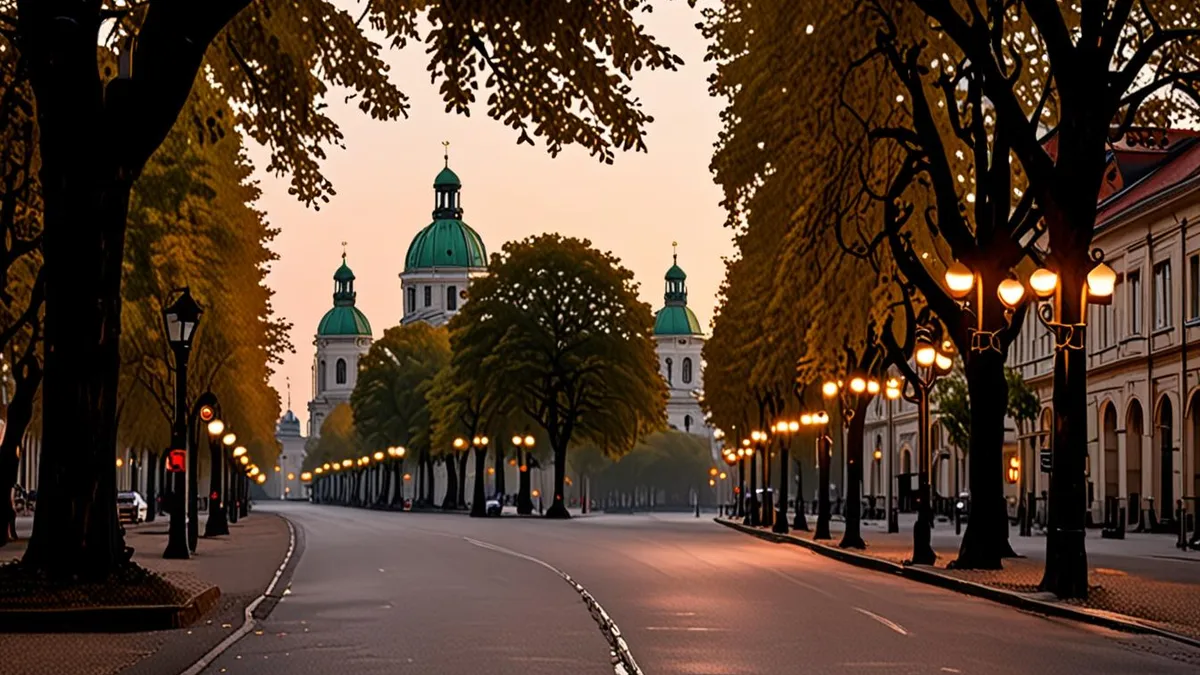
Leopoldstadt and the Museum Quarter: Value Near the Centre
If the Innere Stadt’s prices make you wince, two areas offer a smart middle ground: Leopoldstadt and the Museum Quarter. Both keep you close to the action while trimming a meaningful amount off your nightly rate, and both suit first-time visitors who want a bit more local flavor with their sightseeing.
Leopoldstadt: across the Danube Canal
Leopoldstadt sits just across the Danube Canal from the historic center, and the lower rates here reflect that small distance. The district has its own attractions, most notably the Prater with its giant Ferris wheel and wide green spaces, and it is well connected by U-Bahn lines 1 and 2. You get a more residential, relaxed atmosphere in the evenings, with neighborhood restaurants and bars that charge less than their old-town counterparts.
The Museum Quarter and Spittelberg
On the other side of the center, the Museum Quarter and the nearby Spittelberg area combine easy central access with quieter residential streets. Spittelberg’s narrow lanes and Biedermeier-era houses feel a world away from the grand Ringstrasse, yet you are still minutes from the major museums. It is a good pick if you want charm and calm without losing convenience.
How the commute works in practice
Both areas reach the Innere Stadt in about 10-15 minutes by U-Bahn, or roughly a 20-minute walk if you prefer to cross on foot and enjoy the views along the way. That is a modest price for noticeably lower rates, and for many first-time visitors it is the best balance of cost and access Vienna offers.
When to Book Vienna Hotels for the Best Rates
Vienna’s hotel prices swing sharply between seasons, and timing your booking matters almost as much as picking the right district. The same central double can cost dramatically less in spring than during the Christmas markets. A simple booking timeline keeps you on the right side of that gap, and it takes only a few minutes to plan before you start searching.
- Book 2-3 months ahead for shoulder-season trips. If your dates fall in April, May, September or October, reserving two to three months out gives you the widest choice of central rooms at milder prices, before demand firms up the remaining inventory.
- Reserve 3-4 months out for December and summer. The Christmas markets in December and the June-August high season pull in crowds from across Europe, and central doubles often exceed 200-250 EUR per night. Booking three to four months ahead is the realistic window for decent rates and availability.
- Target spring and autumn for the best value. Shoulder-season central rates typically run 100-160 EUR per night, which makes April, May, September and October the sweet spot for travelers who want a central location without high-season prices.
- Set a price alert if your dates are flexible. Watching rates over a few weeks helps you spot whether prices for your dates are trending up or down before you commit.
One practical note: rates can still shift even within these windows, so once you find a central room that fits your budget, don’t wait long before booking it. Flexibility of a day or two on either side of your dates can also shave a meaningful amount off the nightly rate, since weekend prices often run higher than midweek ones.
It also pays to compare a couple of booking channels before you commit. Check the hotel’s own website alongside the major booking platforms, because direct bookings sometimes include perks like free cancellation or a better room category at the same rate. Whatever route you choose, read the cancellation terms carefully before paying, especially for December dates when policies tend to be stricter and rooms sell out fastest.
How to Spot a Good Vienna Hotel for Your Budget
Not every Vienna hotel at the same price offers the same experience. Two doubles costing similar amounts can sit on opposite sides of the city, and the cheaper one may quietly cost you extra time every morning. A few checks before booking sort the good options from the misleading ones, and they take less effort than comparing dozens of listings one by one.
Start with the map rather than the photo gallery, and use this quick checklist:
- Locate the address against the Gürtel. This ring road marks the practical edge of central Vienna. Inside or near it means you can walk to the main sights; beyond it, you’ll be relying on the U-Bahn for every outing, which eats into the limited time of a short stay.
- Confirm air conditioning if you’re visiting in July or August. Many of Vienna’s older buildings were designed for cooler weather and can get genuinely warm in midsummer, so a listing that skips this detail deserves a closer look before you commit.
- Check the distance to the nearest U-Bahn or tram stop. A modest hotel a two-minute walk from a station often beats a fancier one ten minutes away, since smooth daily sightseeing depends more on transit access than on an extra star.
- Read recent reviews for noise, not just comfort. Central streets around the Innere Stadt can be lively at night, and guest comments from the last few months reveal this far better than polished hotel descriptions ever will.
Run these four checks on any shortlisted hotel and you’ll rarely end up with a bad surprise. The goal is a base that saves you time and energy, not just money. Ten minutes of map work before booking can make the difference between a trip that flows and one spent criss-crossing the city.
Matching Your Hotel to Your Trip Style
The best Vienna hotel for you depends less on star ratings and more on how you plan to spend your days. A traveler chasing palaces and galleries has different needs from one who’d rather graze through markets and coffeehouses, and Vienna rewards both types equally well if you pick the right district. Think honestly about your rhythm before booking: do you want to drop souvenirs off at midday, or are you happy carrying a daypack until dinner? Matching the district to your trip style makes the whole visit feel easier, saves you money on transport, and means less time studying transit maps and more time actually enjoying the city. A mismatch is the most common regret first-timers report, so it pays to spend a few minutes deciding now rather than after you’ve paid a deposit.
Here’s how the main options line up:
- Culture-heavy itineraries. If your days will revolve around the imperial palace, the cathedral and the big museums, an Innere Stadt base puts them all within easy walking distance of each other, so you can pop back to your room midday instead of planning around one long outing.
- Food and café lovers. If markets and coffeehouses are your priority, the area around the Naschmarkt or Leopoldstadt’s relaxed scene suits you better, with more local character and fewer tourist-priced menus right outside your door.
- Longer stays of 4 nights or more. Outer districts connected by the U-Bahn stretch a longer budget much further, and since the network reaches the center quickly, you lose surprisingly little convenience in exchange for lower nightly rates.
- Repeat city-break travelers. If you’ve already done the imperial highlights elsewhere, say on a first trip using a guide like Stockholm hotels for first-time visitors as a template, a quieter neighborhood base often feels more rewarding than the classic center.
Whichever style fits you, decide it before you start comparing prices. Knowing whether you’re a sightseeing sprinter or a slow café wanderer narrows the field quickly and keeps you from paying for a location you won’t actually use.
Wrapping Up Your Vienna Hotel Choice
Choosing between Vienna’s grand central districts and its quieter outer neighborhoods comes down to matching your base to your trip. For a short, sightseeing-heavy visit, the Innere Stadt puts you steps from everything, even at a premium. If you’d rather balance price and access, Leopoldstadt or the Museum Quarter keep you close to the center without the top rates.
Timing helps too: shoulder-season trips in April, May, September or October typically bring central rooms down to 100-160 EUR per night, and booking 2-3 months ahead locks in those rates before high-season prices climb past 200 EUR. Pick the district that fits your plans, reserve early, and Vienna’s palaces, cafés and museums will be minutes from your door. If this helped you plan your stay, leave a comment or share the article.