Europe offers hundreds of fishing lodge destinations, and picking the wrong one can waste a rare week of holiday. A salmon angler booked onto a pike lake, or a family stuck an hour from the nearest shop, rarely gets a second chance that year. The good news is that choosing well is mostly a matter of asking a few questions in the right order, before you fall in love with a cabin photo.
This guide walks through those questions step by step. We start with the fish itself, because your target species decides the region and the season. Then we compare lake, river and coastal lodges, look at when to book and what fishing lodge holidays typically cost, run through the facilities worth checking, and match destinations to different travel styles. By the end, you should be able to shortlist a location that suits both your rod and everyone traveling with you.
Start With the Fish: Match the Location to Your Target Species
The most common mistake anglers make is choosing a destination first and hoping the fish will be there. Work the other way around: decide what you actually want to catch, because salmon, pike, trout and sea fish each point to a different region, a different water type and a different time of year. A lodge that is perfect for one is often useless for another.
If salmon is the goal
Salmon anglers should focus on Norwegian rivers and fjords, where the season on major rivers runs roughly from June to August. This is a narrow window, so plan carefully and expect the most famous beats to be booked well ahead. Fjord lodges can be a good compromise, since they put you close to both river mouth and open water.
Pike, perch and sea fish
Pike and perch fishing peaks on Finnish and Swedish lakes from September to November and again in April to May, when the water is cool and the fish feed hard. If sea fish is your target, a lodge along the Norwegian coast or around the Canary Islands makes sense; conditions there allow year round trips, with cod and mackerel common in Norwegian waters in summer. Match the species first, and the rest of your planning becomes much simpler.
Lake, River or Sea: Choosing the Water Type for Your Fishing Lodge Holidays
Once you know your species, the next question is what kind of water you want to fish from your front door. Each option changes the rhythm of the whole week.
Calm lakes versus moving rivers
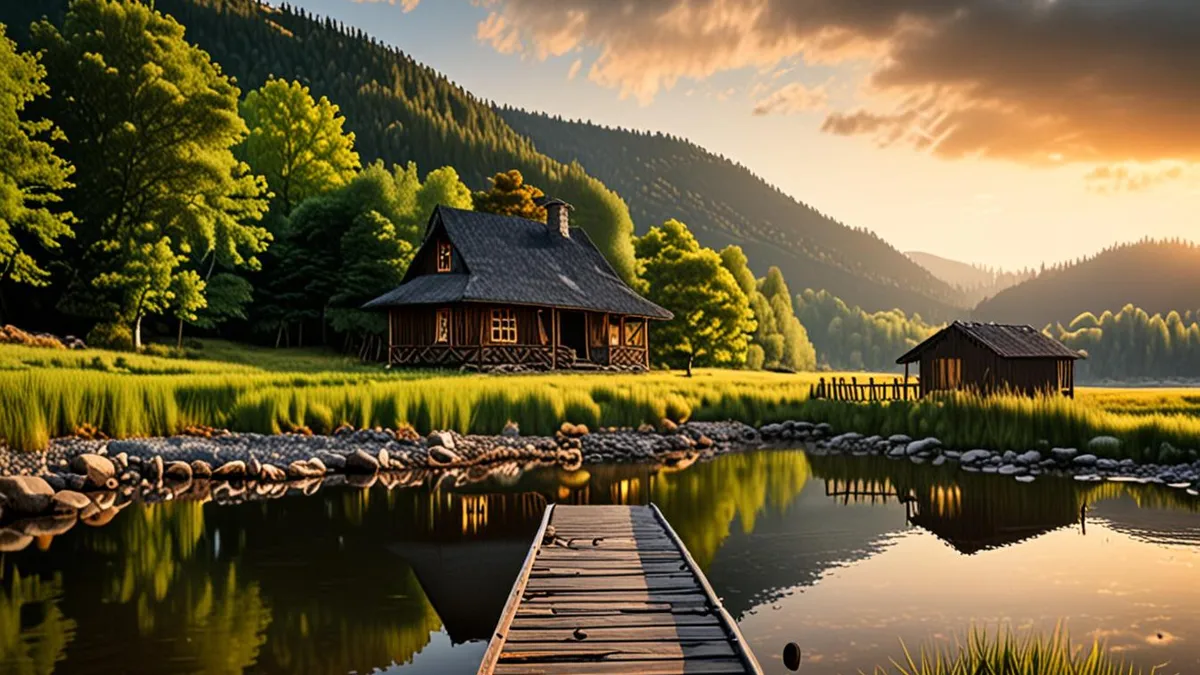
Lakeside lodges suit anglers who want calm water, easy casting from shore and a family friendly setting. There is no current to fight, kids can fish off the jetty, and you can be on the water within minutes of waking up. Finland and Sweden, with their tens of thousands of lakes, offer the widest choice of quiet lakeside lodges, and you can read more in our guide to lakeside lodges in Finland for a summer break.
Riverside lodges reward fly fishers chasing trout and grayling in moving water, especially in mountain regions where streams run cold and clear. Reading the current, working upstream and covering likely lies is a very different skill from lake fishing, and many anglers find it the most satisfying kind of fishing there is.
Coastal lodges and access questions
Coastal lodges give you access to boat fishing and bigger species, from cod to mackerel, but they depend more on weather windows. A rough sea day can keep you ashore, so build some flexibility into your plans. Whatever water type you choose, check whether the lodge has private shoreline, a jetty or boat hire. These details decide how much water you can actually reach, and a lodge with its own boats and shoreline can be worth far more than a slightly cheaper one without them.
Timing Your Trip: Seasons and Booking Windows
Timing can matter as much as location. The same lodge can feel like a different holiday in May and in late July, both in terms of the fishing and the crowds around you. Water temperature, fish behavior and how many other anglers are sharing the water all shift through the season, so it pays to think about when as well as where.
For summer dates at lakeside and riverside lodges, book 4 to 6 months ahead. The best waterfront spots sell out first, and by the time you are shopping eight weeks out, you are usually choosing from what other anglers returned. Shoulder seasons in May and September often mean lower rates within the typical €80 to €250 per night range, plus better fishing on many waters as fish feed more actively in cooler conditions. If your dates are flexible, ask the lodge which weeks historically produce both quieter water and steadier catches.
If you want warmth in the depths of winter, when northern lakes are frozen, sea fishing around the Canary Islands is a reliable option. Conditions there are comfortable year round, and our guide to lodges in the Canary Islands for warm escapes covers the practicalities. The same logic applies to Mediterranean coastal lodges, which stay fishable through the winter months when inland venues are largely off the menu.
- Late July on busy rivers often means sharing famous pools, so if quiet water matters to you, aim for early in the season or midweek dates instead.
- September trips can combine lower rates with the start of the pike and perch season on many lakes, giving you two advantages in one booking window.
- When booking far ahead, ask the lodge owner about typical weather patterns for your dates, since coastal trips in particular depend on calm sea windows.
Budgeting: What Fishing Lodges Cost Across Europe
Fishing lodge prices vary more by location and season than by country alone. The nightly rate is only the starting point of your budget, and the top end of the market is usually reserved for fjord-side lodges in Norway and lodges on prime salmon and trout rivers, where access to famous water is part of what you are paying for.
If your budget is tighter, Eastern Europe deserves a serious look. Destinations such as Bulgaria and Serbia offer similar lake access at the lower end of the price spectrum, often with the same calm water and shore fishing opportunities you would find further north. If you want a clearer picture of what a lodge stay there actually involves, reading about what to expect from a lodge stay in Bulgaria is a good place to start before comparing prices.
The costs that hide behind the nightly rate
The nightly rate is rarely the whole story. Boat hire, guides and fishing licenses are usually charged separately, and on a week-long trip these extras can add up to a meaningful share of your total budget. Ask the lodge for a full price breakdown before booking so you can compare offers fairly.
One easy way to cut costs is to choose self catering rather than full board. For week-long trips, cooking your own meals in the lodge kitchen often saves a noticeable amount, and it suits anglers who eat at odd hours anyway. Factor in the distance to the nearest supermarket when you make this choice, since a remote lakeside lodge can turn a simple food run into a half-day trip.
Comfort and Facilities: What to Check Before You Book
The difference between a good fishing lodge and a great one often comes down to the details that only matter once you are there. If you plan multi-day sessions, look for practical facilities like secure tackle storage, drying rooms for wet waders and clothing, and freezer space for bait or your catch. These things are easy to overlook when browsing photos, but they make a long stay far more comfortable.
Boats and equipment are the other big question. Some lodges include rowing boats, fish finders and even established contacts with local guides in the price, while others leave you to arrange everything yourself. Confirm this in writing before you book, because hiring a boat and guide independently at the last minute can be difficult in remote areas during peak season.
Families should weigh a different set of priorities. A shallow, safe shoreline where children can paddle and play while you fish is worth more than an extra square meter of living space. Nearby non-fishing activities also help keep everyone happy on days when the weather or the fish do not cooperate.
- Laundry facilities: useful on trips longer than a few days, especially if you are fishing in rain and packing light.
- Wi-Fi and mobile coverage: remote lodges sometimes have little or no signal, which matters if you need to work or stay in touch.
- Heating and insulation: lakeside evenings can be cold even in summer, so ask whether the lodge is heated year round.
- Parking close to the cabin: if you are hauling tackle boxes and coolers, a long walk from the car gets old quickly.
Finally, check the driving distance to the nearest town for supplies. Remote lakeside lodges can be an hour or more from the closest shop, which affects how much food and fuel you need to bring on arrival.
Matching the Destination to Your Travel Style
The best lodge for one angler can be a poor fit for another, so think about how you actually travel before choosing a destination. Solo anglers and couples tend to get the most from quiet Finnish or Swedish lake lodges in shoulder season, when rates are lower, the water is calmer and the pike and perch fishing is at its best. With tens of thousands of lakes to choose from in both countries, it is easy to find a small lodge where you may not see another angler all week.
Group trips and shared costs
Larger groups are better served by the bigger fjord lodges in Norway, where the cost of accommodation and boat hire can be split between several people. Sea fishing is literally minutes from the door, and in summer cod and mackerel keep rods bending even for less experienced members of the group. Sharing a large lodge also makes a week on the water far more affordable per person than booking several small cabins.
If your partner does not fish, the destination matters even more. Choose somewhere with strong scenery, hiking trails or other outdoor activities so the trip works for everyone, not just the person holding the rod. Many lakeside and fjord regions offer excellent walking and photography right outside the lodge.
You can also combine a fishing base with a city stopover. Gothenburg, for example, works well as a gateway for coastal sea fishing on Sweden’s west coast, letting you mix a couple of urban days with your time on the water.
Putting It All Together
Choosing between hundreds of fishing lodge destinations comes down to a simple order of decisions. Pick the species first, then the water type, then the season that suits it, and finally set your budget around the trip you have built. Work through those steps and the list of suitable lodges shrinks fast, which makes the final choice far easier.
Remember the practical side too: book lakeside and riverside lodges 4 to 6 months ahead for summer dates, and expect roughly €80 to €250 per night across most of Europe. Above all, the right location matches both the fish you want and how the people traveling with you want to spend the week. Get that balance right, and your rare week of holiday turns into a trip worth repeating. If you have a favorite lodge or a hard-earned lesson from a booking gone wrong, share it in the comments or pass this article along to a fishing friend.