You have found two stays in the same region. One is a timber lodge beside a lake, the other a stone cottage on a village lane. The lodge looks cheaper per night, but the cottage sleeps more people. So which one actually gives you better value and more space for your money? This is the dilemma behind the lodge vs cottage debate, and most booking sites do little to help you settle it.
This guide breaks the comparison into the questions that matter: what each stay actually is, how much room you and your group will get, what you will really pay once minimum stays and seasonal pricing come into play, and where you will end up living for a few days. We will also match each stay type to seasons and trip styles, then pull everything into a simple decision framework and a short answer you can book with confidence.
Lodge vs Cottage: What Each Stay Actually Is
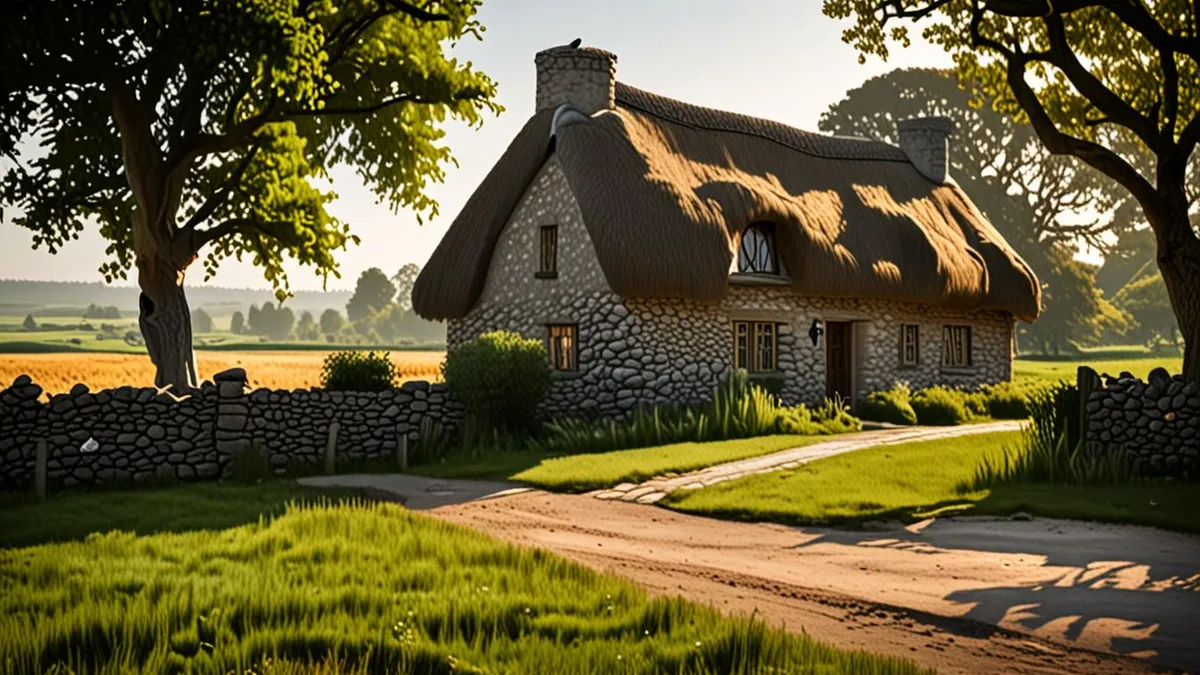
The two stay types look similar on booking sites, but they are built for different purposes. A lodge is a purpose-built accommodation structure, usually made of timber or logs, and it is placed where the landscape is the main attraction: forests, mountainsides and lakeshores. Cottages, on the other hand, are traditional homes that were often built as ordinary dwellings long before anyone thought about renting them out. They tend to be stone or brick, and they sit in villages or in the rural countryside rather than deep in nature.
That difference in origin shows up the moment you walk through the door.
Inside a lodge
Lodges lean modern. Expect an open-plan layout where the kitchen, dining area and living space flow together under one high ceiling, often with large windows framing the trees or water outside. The design is practical and geared toward making the most of the view, and finishes tend to be contemporary wood and glass rather than anything historic.
Inside a cottage
Cottages keep their period features, and that is a large part of their charm. Think exposed low beams, a working fireplace, uneven walls and small, characterful rooms. You trade the panoramic windows and open floor plan of a lodge for a home with history and a cozy, enclosed feel. If you want to feel like a local in a village, a cottage delivers that; if you want the landscape to dominate every room, a lodge does it better.
Space and Layout: Which Fits Your Group
Space is where the two stay types diverge most clearly, and it should be one of the first things you check before booking. Lodges typically offer 40 to 90 square meters, which works well for couples and families of up to four. Because the layout is open-plan, that space feels generous even at the smaller end, and nobody ends up isolated in a far-off bedroom.
Cottages often span 60 to 150 square meters spread across multiple floors, which makes them the natural choice for larger groups of six or more. Two or three bedrooms, a proper dining table and a second living space are common, so everyone gets room to spread out on a week-long trip.
Before you book a cottage for a mixed-age group, think about how the space is arranged:
- Stairs between floors: most multi-floor cottages have steep, narrow staircases that toddlers struggle with and that usually need a stair gate to be safe.
- Split-floor living: when bedrooms sit on a different level from the kitchen and living room, guests with limited mobility may find some parts of the cottage effectively off-limits.
- Bathroom placement: in older cottages, bathrooms are often added into former storage spaces, so check whether there is one on the ground floor or only upstairs.
- Single-level lodges: most lodges sit on one floor with wide, flat layouts, which makes them easier to move around in for small children and older travelers alike.
The practical takeaway is simple: match the layout to the people. A group of friends celebrating a birthday will love a cottage’s extra bedrooms, while a young family with a crawling baby may find a single-level lodge far less stressful.
Cost Comparison: Nightly Rates and Hidden Extras
On nightly rates, lodges are usually the cheaper option. Lodge stays average 80 to 180 euros per night, while cottages typically run 100 to 250 euros per night in peak season. The gap reflects size as much as anything: cottages offer more square meters and more bedrooms, so they charge for it. If you divide the rate across a full group, a cottage can actually work out cheaper per person than a small lodge.
Seasonal pricing
Both stay types follow the same seasonal rhythm. From June to August and again in December, rates rise by 20 to 40 percent, so the same lodge that costs 100 euros in May can climb well past that in July. If your dates are flexible, shifting a trip to the shoulder months is the easiest way to keep costs down for either option.
Minimum stays and short trips
Here is the hidden extra that catches many travelers out: minimum stay requirements. Cottages commonly enforce 2 to 3 night minimums, which means a spontaneous one-night village break is often simply not possible. Lodges are more flexible and often allow 1 to 2 night stays, making them the better value choice for short trips and weekend getaways.
The lesson is to compare total cost, not the nightly figure. A cottage at a higher rate but lower per-person cost may win for a week with six friends, while a lodge with no minimum stay wins for a two-night escape. Check the listing’s minimum night policy and any cleaning fees before you commit, and book 2 to 3 months ahead for peak season to avoid paying top rates for the leftovers.
Setting and Location: Where You Will Actually Be
The setting is where lodges and cottages genuinely differ, and it is often the deciding factor. Lodges are built to put you in the landscape: forest clearings, mountain slopes, or right on the edge of a lake. The trade-off is that you will usually drive to a shop, restaurant or trailhead, since there is rarely anything walkable nearby. If your idea of a good evening is silence, a fire and a view rather than a stroll to the pub, that isolation is the whole point.
Where each type puts you
Cottages work the opposite way. They sit in or on the edge of villages, so you can walk to a bakery in the morning, a pub for dinner and a small shop if you run out of coffee. That walkability changes the shape of a trip: no one has to be the designated driver, and rainy afternoons are easier to fill. For cultural day trips to markets, churches and museums, a cottage base is usually the more practical choice.
If views are your priority, lakeside and fjord lodges deliver the strongest settings of all. Waking up to water a few steps from your door is hard to beat, and Finland’s lake country is one of the best examples. For more on that, see this guide to Finland lakeside lodges for summer holidays. Just be realistic about evening logistics: check how far the nearest village is before you book, especially in winter when roads are slow and you will want dinner options sorted in advance.
Season and Trip Type: Matching the Stay to Your Plans
The season you travel in shapes which stay type makes more sense. Lodges are at their best in the two extremes: winter snow trips, when a timber cabin in a frozen landscape feels like part of the experience, and summer lake holidays, when you can swim, kayak or simply sit on a deck overlooking the water. Cottages shine in the shoulder months, when a spring or autumn village break means quieter pubs, empty footpaths and mild weather for walking between shops and cafes.
Your trip style matters just as much as the calendar. Adventure travelers tend to get more from mountain lodges, which often sit at or near trailheads, so hiking, skiing or snowshoeing can start from the front door. Travelers whose holiday revolves around food and pubs will be happier in a cottage, where the local inn and a handful of restaurants are part of the daily routine rather than a car journey away.
Whichever way you lean, timing your booking matters. In peak periods, the best properties go early, so plan ahead:
- Reserve well ahead of the peak rush. The most sought-after locations, like lakeside or village-center properties, are snapped up first, so locking in your dates early gives you the widest choice of both lodges and cottages.
- For winter lodge trips, prioritize insulation and access. Ask whether the property is reachable by a normal car in snow and whether heating is included, since remote cabins vary widely.
- For shoulder-month cottage breaks, check pub and shop hours. In small villages out of season, some amenities run reduced hours, which can change how walkable your stay really feels.
Match the stay to the plan and both types deliver; mismatch them and even a beautiful property can feel like the wrong base.
How to Choose Between a Lodge and a Cottage
Choosing between a lodge and a cottage gets much easier once you turn it into a short checklist rather than a gut feeling. Both can be wonderful stays, and many travelers genuinely enjoy either. The trick is matching the property type to your group, your budget and the time of year you plan to travel. Work through the steps below in order, and the right answer usually becomes obvious by the end. It takes five minutes, and it saves you from booking something that looks lovely online but simply does not fit how you actually travel.
- Count your group first. If you are six or more people, a cottage is the practical choice, since its multiple floors and larger floor plans comfortably absorb bigger groups, plus everyone gets a bit of privacy. A lodge suits couples and small families far better, where one open-plan space feels cozy rather than cramped.
- Decide what matters more: scenery or walkability. If you want forests, mountains or a lake right outside your door, choose a lodge. If you want to stroll to pubs, shops and cafes without touching the car, choose a cottage in a village.
- Check your budget against your stay length. For short off-peak trips, a lodge can sit at the lower end of its typical price range, which is excellent value. For longer group stays, a cottage spreads the cost across more people, often bringing the per-person total down nicely.
- Match the season to the stay type. Lodges are strongest in June to August and December, when lakes and snow are the draw. For spring and autumn shoulder months, a cottage village break fits the weather and the pace better.
Follow those steps and you will rarely pick wrong. The only remaining task is booking early enough: in peak season, the best properties of both types are reserved well before arrival dates, so once you know which stay fits, secure it promptly and start planning the details of the trip itself.
Lodge or Cottage: The Short Answer
So which one offers better value for your money? If your priority is scenery, a modern open-plan layout and the freedom to book a short break, a lodge is the stronger pick, with nightly rates typically running 80 to 180 euros. You trade walkable village life for forests, mountains or lakesides right outside your door.
A cottage wins if you need more room. These homes comfortably host groups of six or more, with some of the largest options giving everyone their own floor. You also get village locations with pubs and shops reachable on foot, though expect rates of 100 to 250 euros per night and minimum stays of 2 to 3 nights, which matters if your trip is short.
Ultimately, the right choice comes down to your group size, your travel season and whether scenery or walkability matters most to you. If this helped you decide, leave a comment or share the article with a friend facing the same dilemma.