Figuring out where to stay in Lisbon can feel harder than planning the trip itself. The city spreads across steep hills and a flat riverside grid, and neighborhoods that look close on the map can mean a sweaty climb in real life. Add in very different vibes, from fado-filled Alfama to the party streets of Bairro Alto, and the choice gets confusing fast.
This guide breaks the city down by area, so you can match your base to your travel style and budget. We compare the flat, central quarters best for first-time visitors, the atmospheric hillside districts, the nightlife zones, and the quieter spots that offer more space for your money. You will also find practical advice on when to book and what central rates typically look like by season. By the end, you should know exactly which corner of Lisbon fits your trip.
How to Choose Where to Stay in Lisbon
Lisbon is not a flat city, and that single fact shapes your whole stay. The downtown Baixa district sits on a level grid by the river, while quarters like Alfama and Bairro Alto climb steep hillsides with narrow, stepped lanes. If you stay on a hill, every trip home ends with a climb, which matters more than you might think after a full day of sightseeing. Travelers with limited mobility, small children or heavy luggage often do better in the flatter central areas.
Match the area to your trip style
Think honestly about what kind of trip you are taking. Night owls will love being near Bairro Alto’s bars, but light sleepers should avoid it. Families usually prioritize space, elevators and easy transport, which points toward the boulevard districts. First-time visitors focused on sightseeing do best near the center, while slow, cultural travelers often prefer atmospheric neighborhoods where locals outnumber tour groups.
Set your nightly budget before you fall in love with a hotel. Prices vary sharply between riverside districts and hillside quarters, and the difference can fund an extra night or a good dinner. Decide your range first, then shortlist areas that fit it, and check current rates for your dates before committing.
Baixa and Chiado: Best for First-Time Visitors
Baixa and Chiado are where most first-time visitors should start looking. Baixa sits on a flat, walkable grid rebuilt after the 1755 earthquake, with wide streets, plenty of cafés and easy metro access. Chiado, just uphill next door, adds elegant shopping streets and a slightly more local feel while staying well connected.
The big advantage is simple: most major sights sit within walking distance. Praça do Comércio, the elevador views, Rossio station and the waterfront are all steps away, and you can reach Alfama or Bairro Alto on foot if your legs are willing. That means less time on transport and more time actually seeing the city, which is exactly what a first trip should be about.
What you will pay
Mid-range hotels cluster heavily in this part of town, typically running around €100-180 per night depending on the season. You will find everything from small family-run places to international brands, so compare a few before booking. Rates climb in summer and drop noticeably in the shoulder months, so shifting your dates by a few weeks can save real money.
Choose this area if your priority is minimizing transport and maximizing sightseeing time. The trade-off is that Baixa can feel touristy, especially around the main squares, and it lacks the tucked-away charm of the hillside quarters. For a first visit, though, that convenience usually wins.
Alfama: Old-World Charm on the Hillside
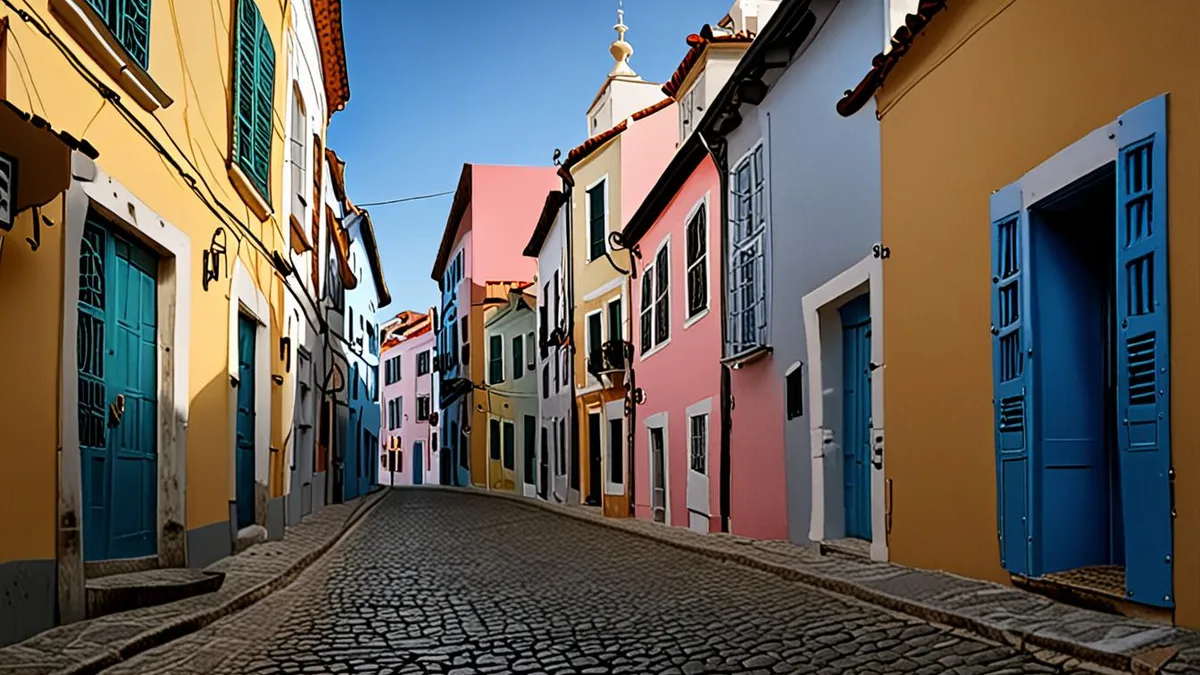
Alfama is the Lisbon of postcards: a tangle of narrow lanes, laundry strung between windows, fado houses and terraces with views over the Tagus. It survived the 1755 earthquake, so the medieval street pattern is intact, and wandering without a plan is half the pleasure. If atmosphere is your priority, nothing else in the city compares.
The trade-off is terrain and choice. The lanes are steep, some routes involve stairs, and there are fewer big hotels here than in the center. Expect small guesthouses and boutique stays rather than large properties, which suits travelers who want character over convenience. If stairs and climbs are a problem, think carefully before booking here, or check exactly where a property sits on the hill.
Getting in and out
You are not cut off from the center. The famous 28 tram rattles through Alfama and links it to Baixa in roughly 15-20 minutes, though it gets crowded at peak times. Walking down to Baixa is pleasant and takes about 15-20 minutes; walking back up is the uphill part, so pace yourself or hop on the tram.
Alfama suits travelers staying several nights who want evenings of fado, small restaurants and quiet lanes once day-trippers leave. If your trip is short and sightseeing-heavy, the flatter center may serve you better, but for slow cultural travel this is the quarter to pick.
Bairro Alto and Principe Real: Nightlife and Boutiques
Bairro Alto is where Lisbon goes out at night. Once the sun sets, the neighborhood’s small bars, fado spots and street parties fill up, and the noise carries on well past midnight, especially from Thursday through the weekend. If you are a light sleeper or traveling with young children, this is the one district I would steer you away from for sleeping, no matter how charming the buildings look in photos.
Walk a few minutes uphill to Principe Real, though, and the mood changes completely. This quarter has leafy squares, a lovely garden pavilion at its center, independent design shops and some of the prettiest boutique hotels in the city. It is lively in a friendly way rather than a loud way, with cafes and restaurants that draw a local crowd.
Who should stay here
Couples and design-focused travelers will feel right at home in Principe Real. You get character, good food and easy access to both Bairro Alto’s nightlife and the sights downhill in Baixa, without sacrificing your sleep. Ask for a room facing an interior courtyard or a side street if you book anywhere near the bar zone, and you will get the best of both worlds.
Avenida da Liberdade and Alcântara: Space and Value
If your priority is a bigger room and a quieter street rather than being in the thick of things, look at Avenida da Liberdade and Alcântara. Avenida da Liberdade is Lisbon’s grand central boulevard, lined with trees and upscale hotels that typically offer more space than the compact properties in Baixa. You are only a short metro hop from the center, so sightseeing stays simple while your hotel feels like a proper retreat.
Alcântara, down by the river to the west, has a different appeal. The area around the LX Factory, a creative complex set in former industrial buildings, is full of studios, concept stores and casual eateries. Accommodation here is often cheaper than in the tourist core, and the atmosphere is more local than postcard.
Why these areas work for longer stays
- More room for your money: Hotels along Avenida da Liberdade often have larger rooms and proper workspaces, which matters if you are staying a week or more or mixing work with travel.
- Easy airport access: From this part of town, the airport is typically a 20-30 minute ride by taxi or metro, handy for early flights or late arrivals.
- A creative base in Alcântara: Staying near the LX Factory puts you steps from weekend markets, bookshops and riverside walks, with fewer tour groups around.
- Local pricing: Cafes and restaurants in Alcântara generally charge less than spots in Baixa or Chiado, which adds up over a longer trip.
Both areas suit travelers who prefer space and calm over a step-out-the-door location. If you plan to use the metro anyway, you lose very little by basing yourself here.
When to Book and How Much to Pay
Lisbon’s prices swing noticeably with the calendar, so timing your booking matters almost as much as picking the right neighborhood. The city draws its biggest crowds from June to September, when demand pushes rates up and the most convenient rooms go first. For a high season stay, aim to book 2-3 months ahead, when the best-value rooms are still available and you have real choice rather than leftovers. For the milder shoulder months of April-May or October, 4-6 weeks ahead is usually enough, and you will often find friendlier rates and quieter streets as a bonus.
As a rough guide, central hotels run around €70-120 per night in shoulder season, climbing to roughly €150-250 in high season. Budget guesthouses and hostels start around €30-60 per night, and these are the first rooms to disappear once summer approaches, so reserve early if that is your range. Traveling in shoulder season gives you more flexibility: even a last-minute search can turn up solid options in well-connected districts.
Quick booking tips
- Watch for events: Big festivals and conferences can push rates up in specific weeks, so check the events calendar before locking in dates.
- Compare cancellation terms: Flexible rates cost a little more but let you rebook if prices drop, which happens often in shoulder season.
- Check the total price: Some Lisbon properties add a city tourist tax on top of the room rate, so confirm the full amount before booking.
- Book Sunday to Thursday when possible: Weeknights are typically cheaper than weekends in popular districts like Baixa and Bairro Alto.
One last note: rates change from year to year, so treat these figures as a planning range rather than a promise. Check current prices for your exact dates before you commit, and if a deal looks unusually good for high season, read the cancellation terms carefully before grabbing it.
Wrapping Up Your Lisbon Base
Lisbon’s hills and very different neighborhoods can make picking a base feel overwhelming, but the choice becomes simple once you match the area to your travel style. Baixa and Chiado suit first-timers who want flat streets and easy sightseeing, while Alfama rewards atmosphere seekers with its lanes and fado houses. Bairro Alto is the pick for nightlife fans, and Avenida da Liberdade and Alcântara offer space and value slightly outside the core.
Whichever quarter you choose, timing matters as much as location. Booking 2-3 months ahead secures the best rates for a June-September trip, when central prices climb and budget guesthouses fill fastest. Set your nightly budget first, then pick the district that fits it and your plans. If this guide helped you plan your stay, leave a comment or share the article with a fellow traveler.