Arriving at a glamping site for the first time can feel surprisingly uncertain. Many first-time glampers pull up unsure when glamping site check-in actually starts, where they are supposed to park, or how to behave on what is often a working site with staff, wildlife and neighbors just a canvas wall away. That worry about getting it wrong is common, and completely avoidable.
This guide walks you through the whole arrival process, step by step. We will cover typical check-in windows and what to do about late arrivals, the details to confirm before you leave home, how to handle parking and finding your unit, what to expect from your host’s orientation, and the etiquette that keeps sites pleasant for everyone. We will also share tips for settling into a yurt, dome or safari tent, and how to wrap up your stay with a smooth check-out.
What Time Is Glamping Site Check-In? Typical Windows and Late Arrivals
Unlike a hotel with a staffed front desk around the clock, most glamping sites open check-in between 3:00 and 5:00 PM. The later window is not a lack of hospitality. Crews reset each unit by hand: making beds, restocking firewood, cleaning composting toilets and inspecting canvas, stoves and solar equipment. That work takes time, and arriving early often means walking in on it.
Late arrivals need advance notice
If you expect to reach the site after 8:00 PM, message your host well before you set out. Some sites simply cannot accommodate late arrivals, usually for safety reasons: unlit gravel paths, wildlife on the roads, or no staff on site to guide you to your unit. A quick text a day or two ahead lets the host either arrange access or suggest arriving the next morning.
Check-out and early check-in
Expect check-out between 10:00 and 11:00 AM so crews have enough hours to prepare the unit for the next guests. If your travel plans would benefit from an earlier arrival, ask directly whether early check-in is possible. In shoulder season months like May and September, hosts are often more flexible because there is more breathing room between bookings. In peak summer, the answer is more likely to be no, but asking politely costs nothing.
Before You Leave: Confirming Your Booking and Arrival Details
A smooth check-in starts long before you leave home. For stays in June, July or August, book 3-6 months ahead, as the best units at popular sites fill quickly. In shoulder season, 1-2 months is usually enough, though it never hurts to look earlier if you have a specific tent or view in mind. If you are still deciding where to go, our guide on how to choose a glamping site for your first trip covers the basics.
Read the arrival instructions carefully
Most hosts send arrival instructions 3-7 days before your stay. These typically cover gate codes, your designated parking spot and landmarks for finding the site, which can matter a lot when the last stretch of road is unmarked dirt. Read them twice and note anything unusual before you drive.
Prepare for weak signal
Save the host’s phone number offline, not just in an email thread. Rural glamping sites often have weak mobile signal and unreliable GPS pin drops, so a screenshot of directions and a saved contact can save you a stressful detour.
Finally, confirm what is included in your rate. Glamping rates typically run $100-$400 per night depending on tent type and location, and what that covers varies widely. Check whether bedding, towels and firewood are provided so you are not caught short on a cold evening.
Arriving on Site: Parking, Walking In and Finding Your Unit
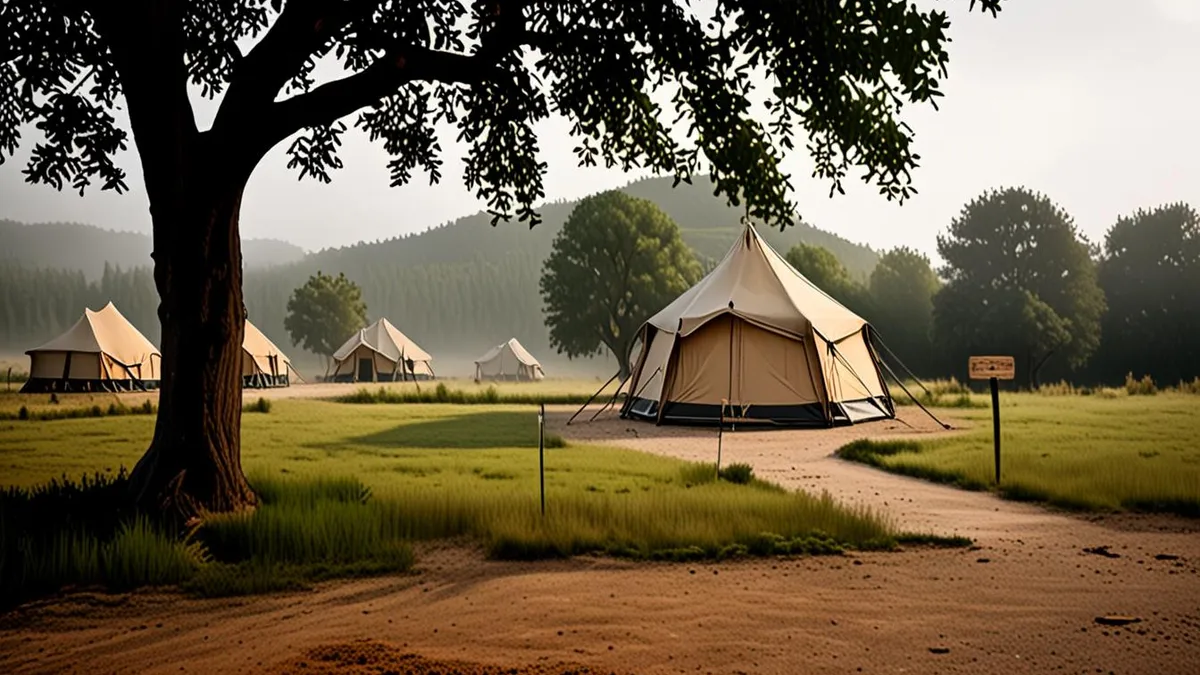
The final approach to a glamping site is where good first impressions are made. Hosts notice how guests drive, park and walk, and following a few simple habits keeps the site pleasant for everyone. Unlike a hotel with a paved entrance and a valet, a glamping site is often a working piece of land with gravel tracks, soft ground and wildlife that lives there year-round. Small choices behind the wheel and on foot genuinely matter. Before you set off, it also helps to have your gear organized; our complete glamping packing checklist can help you arrive prepared and avoid dragging extra boxes across the site.
- Drive slowly on internal roads. Most sites ask guests to stay under 10 mph on internal gravel roads. This keeps dust down for other guests relaxing outside their tents, protects wildlife crossing the track and prevents ruts and damage to the road surface itself. If you feel the car bouncing, you are almost certainly going too fast.
- Park only where your host designates. Many sites deliberately keep vehicles away from tent areas to preserve the landscape, reduce noise and avoid exhaust drifting toward canvas walls. Your arrival instructions should name your spot; if they do not, ask rather than guessing.
- Follow the marked walking paths. Stick to the paths leading to your unit rather than cutting across grass or neighboring pitches. Shortcuts wear down ground cover, create muddy scars after rain and can take you straight through another guest’s private outdoor space.
- Ask when unsure. If signage is unclear or you cannot find your unit, call or text the host instead of wandering through private or staff-only areas. Hosts would much rather answer a quick question than have guests poking around the wrong tent.
Taking these few minutes on arrival sets the tone for your whole stay. It also helps the site stay beautiful for the guests who come after you, which is exactly what good glamping hosts hope for when they welcome you.
Meeting Your Host: The Orientation Walkthrough
Once you have found your unit, most hosts will walk you through everything you need to know in a 10-15 minute orientation. This is your chance to learn how the heating works, where the water refill points are, and what the limits of solar power mean for your evening routine. Pay attention, because a five-minute question now can save you a cold night later.
Composting toilets confuse many first-time glampers, so do not be shy about asking exactly how yours works. Hosts would much rather explain the process twice than clean up a mistake. The same goes for waste: many eco-focused sites run strict separation systems for recycling, compost and general trash, and mixing them can cause real problems for the property.
Fire, Heat and Emergency Basics
If your unit has a wood-burning stove or there is a fire pit on site, ask how it works and where the firewood is stored rather than guessing. Lighting a stove wrong can fill a tent with smoke, and hosts can usually demo it in under a minute. Also clarify how much firewood you are allowed to burn and whether extra is available.
Finally, note the emergency contact procedure before your host walks away. Remote sites often have no staff on site overnight, so you need to know exactly who to call or text and how quickly you can expect a response. Save that number in your phone while you still have signal, and ask where the nearest help or meeting point is in case of a serious problem.
Glamping Etiquette: Noise, Neighbors and Shared Spaces
Sound behaves differently at a glamping site than it does in a hotel. Canvas walls, dome panels and yurt fabric offer almost no soundproofing, so voices, laughter and zippers carry a surprising distance between units, especially on calm evenings. What feels like normal conversation inside your tent can be clearly audible three pitches away.
Most sites enforce quiet hours, typically from 10:00 PM to 7:00 or 8:00 AM. These are not arbitrary rules; they protect the experience of everyone on site, including guests who came specifically for the sounds of nature rather than your group chat. If you are unsure how strict a particular site is, ask your host during orientation rather than testing the limits at midnight.
Shared spaces are the other big etiquette zone. Whatever you use, leave it as you found it, because the next guests deserve the same clean kitchen, shower and fire pit you walked into.
- Music and speakers: Keep music off, or use headphones if you want your playlist. Even at low volume, speakers outside a tent carry across entire rows of pitches.
- Shared kitchens: Wash, dry and put away dishes promptly, wipe down counters, and label any food you leave in a communal fridge so it is clear what is shared and what is not.
- Showers and washrooms: Use the squeegee or towel provided to deal with puddles, and restock toilet paper from the supply point if you use the last of it.
- Fire pits: Let fires burn down fully, never leave them unattended, and clear out ash and food scraps so the next group starts with a usable pit.
- Children and pets: Keep them supervised near other units, and stay on designated paths when walking through neighboring pitches rather than cutting across them.
Settling Into Your Yurt, Dome or Safari Tent
Every glamping structure behaves a little differently, and knowing the quirks makes your stay far more comfortable. If you want a deeper comparison before you book, this guide to yurts, domes and safari tents breaks down how each one performs. Understanding the basics in advance means fewer surprises when the temperature drops after sunset, which it often does at rural sites even in summer.
In short: yurts hold heat well once warmed up, domes can heat up quickly in direct sun, and safari tents rely heavily on their wood stoves for comfort in cooler weather. Adjust your expectations and your layering accordingly, and ask your host during orientation how best to manage the temperature in your specific unit. Packing a few extra layers, warm socks and a light hat costs almost nothing in luggage space but makes cool canvas nights far more pleasant.
When you first arrive, air the canvas out briefly by opening doors or windows for a few minutes. After that, keep doors zipped shut from dusk onward, because insects move fast once the lights come on inside a tent. A few seconds of vigilance at the zipper saves you an evening of mosquito chasing, and it also keeps moths and small spiders from settling in your bedding overnight.
Wrapping Up Your Stay: Check-Out Done Right
Glamping check-in does not have to be intimidating. This article walked through the typical check-in windows, what to confirm before you leave, how to arrive and park on site, what to expect from the host’s orientation, and the etiquette around noise and shared spaces. The common thread is simple: confirm details in advance and follow your host’s instructions.
Once you are on site, respectful behavior matters just as much. Sticking to quiet hours, keeping music down, and leaving shared kitchens and fire pits clean are what separate good glampers from great ones. If you found these tips helpful, leave a comment or share this article with a fellow traveler.