Glamping in the Alps looks effortless in the photos: a glass dome on a green meadow, peaks glowing at sunset, coffee on the deck. The reality takes a little more planning. Alpine sites often open for only a few short months, mountain weather can swing from sunshine to thunderstorm in an afternoon, and the most photogenic domes sell out months before summer even starts. Booking blind is the fastest way to turn a dreamy trip into a damp, expensive disappointment.
This guide walks you through everything worth checking before you pay a deposit. We cover the alpine summer season and which months offer the best balance of weather and quiet, how to choose a region and elevation, the real differences between domes, yurts, safari tents and cabins, what a night typically costs and when to book, how to pack for changeable mountain conditions, and a simple checklist for picking the right site. Read it through, and your alpine escape will be built on solid ground rather than a pretty picture.
When to Go: The Alpine Summer Season Explained
The alpine glamping season is shorter than most people expect. It runs roughly from late May to early October, but that window shrinks fast as you climb. Many higher-altitude sites only open from mid-June to mid-September, because snowmelt, cold nights and access roads simply don’t cooperate earlier or later. Before you fall in love with a specific dome or yurt, check its actual operating dates rather than assuming it runs all summer.
July and August bring the warmest, most stable weather, which is exactly why they’re also the busiest and most expensive months. Campsites fill with families on school holidays, trails get crowded, and popular sites can sell out well in advance. If you have flexible dates, June and September are the sweet spot: valleys typically sit around 15-25°C, the crowds thin out noticeably, and prices tend to be friendlier. September in particular often delivers crisp, clear days that photographers love.
Plan Around the Afternoon Storms
One alpine summer pattern catches almost every first-timer off guard: afternoon thunderstorms are frequent. Mornings are usually the calmest, clearest part of the day, so structure your days accordingly. Start hikes early, aim to be back at your tent or dome by early afternoon, and keep a flexible indoor backup for wet hours. Treat the morning as your activity window and the afternoon as your rest, sauna or board-game time, and the weather becomes a rhythm to work with rather than a trip-ruiner.
Where to Base Yourself: Choosing an Alpine Region and Elevation
Elevation shapes your entire trip, often more than the region you pick. Valley locations around 1,000 meters are the friendliest option for first-timers: nights stay warmer, towns, bakeries and restaurants are usually close by, and the season runs longer. If you want evening walks to a village pizzeria rather than a 30-minute drive, a valley site is the safe bet.
Go higher, between 1,500 and 2,000 meters, and the trade-off changes. You get bigger, more dramatic views straight from your deck, but nights are noticeably cooler and the operating season is shorter. Many high sites only run for the heart of summer, so double-check opening dates before booking. If you’re unsure what to bring for those colder nights, a complete glamping packing checklist will save you from last-minute shopping in a mountain village.
Picking a Region
The classic alpine regions each have a distinct personality. The French and Swiss Alps lean polished and scenic, with prices to match. The Austrian Tyrol tends to feel more traditional and family-oriented, often at gentler rates. The Italian Dolomites combine jaw-dropping rock formations with excellent food, and draw a passionate hiking crowd. None is objectively better; it depends on your budget and the vibe you want.
Whichever region you choose, look carefully at driving distances. Some sites market themselves as secluded, which can mean 30 or more minutes to the nearest shop, lake or restaurant. Check the distance to trailheads too, since a site far from everything can quietly add hours of driving to a week’s itinerary.
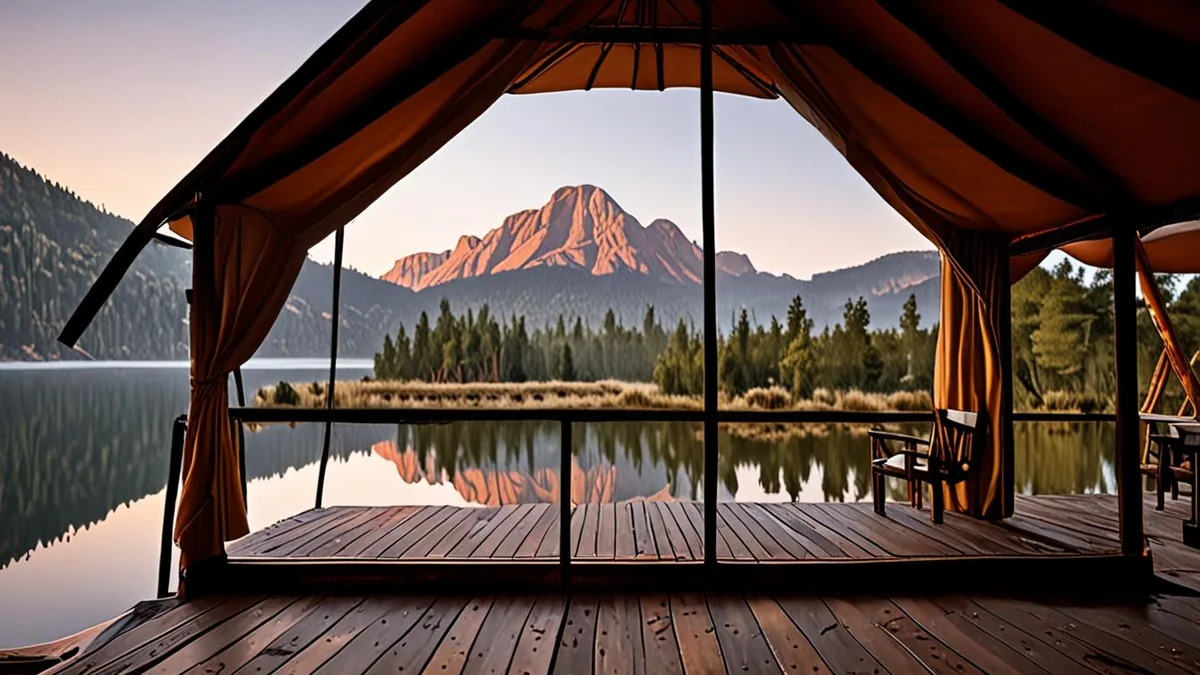
Glamping in the Alps: Domes, Yurts, Safari Tents and Cabins Compared
Not all glamping accommodation handles mountain conditions the same way, and choosing wrong is one of the most common booking mistakes. The four main options each trade off views, comfort, budget and weather resistance differently. If you want a deeper side-by-side breakdown, this comparison of yurts, domes and safari tents covers the structural differences in detail.
Geodesic domes are the Instagram favorites for good reason: panoramic windows frame the peaks, and their curved structure insulates well against cold alpine nights. Safari tents on wooden decks are the classic family choice, offering space to spread out and usually the friendliest price. Yurts and solid lodges are the weather-proof workhorses of the Alps, and many come with wood stoves, which matters when nights drop to 5-10°C even in midsummer.
- Wood stove logistics: if your yurt or lodge has a stove, ask whether firewood is included and whether the stove keeps the space warm overnight or only in the evening.
- Dome condensation: large window panels can fog up in humid, stormy weather, so check whether the dome has ventilation flaps or a small vent you can leave open overnight.
- Safari tent deck space: decks often double as the living room, so families should check how many chairs and how much covered space exist for rainy afternoons.
- Lodge kitchens: solid lodges more often include a proper kitchenette, which can offset a higher nightly rate if you plan to self-cater.
The right choice depends on your priorities. Chase views with a dome, stretch a budget with a safari tent, or prioritize warmth and storm resistance with a yurt or lodge. Decide which of the four matters most before you start comparing sites.
How Much Alpine Glamping Costs and When to Book
Alpine glamping is a step up in price from a regular campsite, but you get a real bed, heating and often a view worth the splurge. Expect roughly €120 to €400 per night in summer, with geodesic domes and luxury lodges sitting at the top of that range and safari tents closer to the bottom. If you want a broader sense of how these rates compare with other stay types, this guide to typical glamping prices breaks down what you can expect to pay.
Timing matters as much as budget. July and August are the peak months, and popular domes in scenic spots often sell out 3-6 months in advance. If you have your heart set on a specific site or a particular dome with the best view, book early rather than hoping for a late cancellation.
How to Pay Less Without Sacrificing the View
Shifting your dates is the easiest saving. Midweek stays in June or September can cut prices noticeably compared to August weekends, and you get quieter trails as a bonus. Rates also tend to drop for longer stays at some sites, so it never hurts to ask.
Finally, ask exactly what is included before you pay. Bedding, heating, breakfast and hot tub access vary widely between sites, and extras like firewood or towel rental can add up. A rate that looks cheap may not include much at all.
Packing for Changeable Mountain Weather
Mountain weather in summer is famously changeable, and a warm afternoon can turn into a cool, wet evening within hours. Pack layers for days around 15-25°C and nights that can fall to 5-10°C, even in July and August. A fleece and a warm hat take up little space but make evenings on the deck genuinely enjoyable.
Afternoon thunderstorms are common in the Alps on summer days, so quick-dry clothing and a proper waterproof jacket are worth more than a fashion piece. Leave the jeans at home; wet denim takes forever to dry at altitude.
Getting around the site itself also calls for the right gear. Many glamping sites sit on grass or gravel, often away from main lighting, so a few essentials make a big difference:
- Sturdy hiking shoes or boots: paths between your tent, the bathroom block and the parking area get muddy after rain, and smooth-soled sneakers struggle on wet grass and gravel.
- A headlamp: you will want hands-free light for late-night trips to the bathroom or cooking dinner after dark, since many sites avoid bright floodlighting to keep the star views.
- A headlamp spare or power bank: some tents run on limited solar power, so a backup light source is smart if charging sockets are scarce.
Sun protection matters more than most people expect. Above 1,500 meters, UV exposure is significantly stronger, and reflections off grass and rock make it worse. Sunscreen and sunglasses are must-haves, even on cloudy mornings.
How to Pick the Right Site for Your Trip
The best glamping trip starts with an honest answer to one question: what do you actually want from it? A couple chasing stargazing from a remote dome needs a very different site from a family with young kids who want a playground and a restaurant within walking distance. Mountain settings add another layer to the decision, because many sites sit between 1,000 and 2,000 meters elevation, and conditions at altitude shape everything from how you sleep to how much time you spend driving to trailheads. Once you know your priority, use these steps to narrow the field.
- Define your main priority. Hiking access from the tent, family facilities, wellness extras like saunas and hot tubs, or total seclusion each point to different sites. Trying to get all four usually means a compromise you did not plan for.
- Read recent summer reviews specifically. Rain handling, tent ventilation and insect issues only show up in warm months, so a glowing review from a snowy winter stay tells you little about a July booking. Look for comments written by guests who stayed during the same window you are planning.
- Confirm the practical details before booking. Check the real bed configuration, whether the bathroom is en-suite or shared, how the tent is heated, and whether the site welcomes children or pets if that applies to you. Ask about meal options too, since some remote sites have no kitchen or shop nearby.
- Favour established sites with on-site hosts if you are new to glamping. Someone on hand to light the stove, fix a leak or recommend a trail makes a first trip far smoother than a fully self-check-in setup in the middle of nowhere.
Once you have a shortlist of two or three sites that tick your priority boxes, compare them on the small print rather than the photos. Ask each site the same set of questions about bedding, heating, meals and cancellation terms so you can weigh them fairly side by side. The difference between a good and a great alpine glamping trip usually comes down to those details, not the view alone. A little extra research before you pay the deposit is the cheapest insurance you can buy for a mountain stay.
Ready to Book Your Alpine Escape
Alpine glamping in summer really can look exactly like the photos, but only if you book with the season’s quirks in mind. The sweet spot for most travelers is June or September, when you get the best mix of value, mild weather around 15-25°C in the valleys and far fewer crowds. If your heart is set on July or August, book three to six months ahead and budget roughly €120 to €400 per night.
Once the dates are set, pick your dome, yurt or safari tent based on what matters most to you: views, warmth or budget. Then pack for mountain realities, including cool nights and the afternoon thunderstorms that are common on summer days. Do those three things and the dreamy photo version of your trip has a good chance of coming true. Have a question or an alpine glamping story of your own? Leave a comment or share this article.