Glamping in Scotland looks perfect on paper: mountain lochs, island sunsets and a cozy bed under canvas. But pick the wrong region or the wrong month, and that dream stay can turn soggy, midge-bitten and shiveringly cold. Scotland rewards travelers who plan around its weather, not despite it.
This guide walks you through everything you need to get it right. We’ll look at what makes Scotland different from milder glamping destinations, compare the best regions from the Highlands to the Borders, and help you choose between yurts, domes and safari tents. You’ll also find a season-by-season breakdown, practical booking and budget advice, and a packing list built for Scottish conditions. By the end, you’ll know exactly where to go, when to book and what to bring.
Why Glamping in Scotland Is Different From Anywhere Else
Scotland’s weather is the single biggest factor that separates glamping here from glamping in southern destinations. Rain is possible in any month, and a bright morning can turn wet and windy by afternoon. That means the quality of your unit matters more than it might elsewhere. A solid-roof structure or a well-built canvas unit with proper waterproofing is worth prioritizing over a cheaper setup that relies on fine weather to stay comfortable.
Midges: small insects with a big impact
In the west Highlands and along much of the west coast, midges are active from roughly June to August. They’re tiny biting insects that can make sitting outside genuinely miserable on calm, damp evenings. Midges alone are reason enough to think carefully about where and when you book: choose the east or south in midsummer, or visit the west coast in the shoulder months instead.
Distance and supplies
Scotland is bigger than it looks on a map, and many of the best glamping sites are remote. You’ll typically need a car, and the nearest supermarket might be an hour’s drive away. Plan your food, fuel and essentials before you set off, because once you arrive at a rural site, popping out for milk is rarely a quick errand.
The Best Scottish Regions for Glamping
Each corner of Scotland offers a different glamping experience, and the right choice depends on what you want to see and how far you’re willing to drive. The Highlands around Loch Ness and Aviemore deliver the classic postcard scenery: mountains mirrored in lochs, pine forests and dark night skies. You’re looking at roughly 3-4 hours’ drive from Edinburgh or Glasgow, so build the journey into your plans.
The west coast and islands, including Skye and Oban, offer the most dramatic seascapes in the country. The trade-off is midges, which are most active there in summer. Further south, the Borders and Dumfries & Galloway are gentler and easier to reach from English cities, with some of the darkest skies in the UK for stargazing.
If this is your first glamping trip, Perthshire and Loch Lomond are hard to beat: accessible, well-served and family friendly. Before you choose, it also pays to think about what you’ll bring, so check out a full glamping packing checklist and read the region-specific notes below.
- The Highlands around Aviemore sit near the Cairngorms, giving you options for forest walks and wildlife spotting straight from your tent.
- Skye’s coastal sites often place you near landmarks such as the Cuillin hills and sea cliffs, though narrow single-track roads mean slower driving times.
- Dumfries & Galloway is home to Scotland’s first designated dark-sky park, making it a standout choice for anyone glamping under clear autumn or winter skies.
- Loch Lomond’s sites are typically within easy reach of Balloch and village shops, which helps if you’re traveling with children.
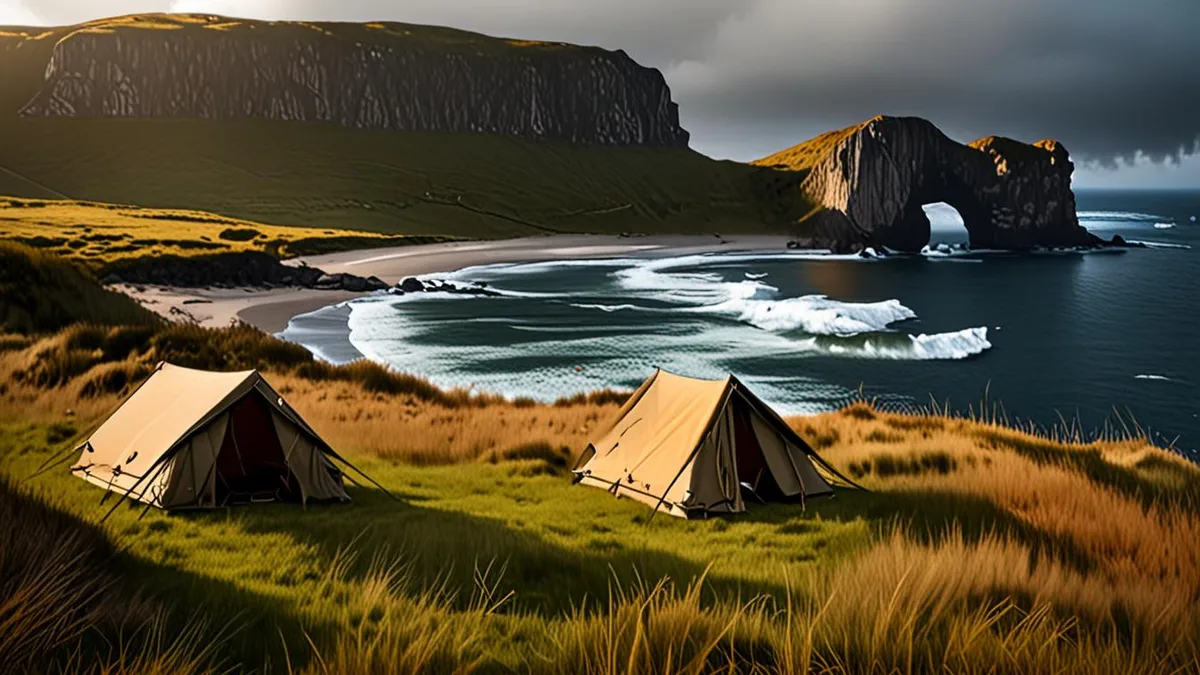
Choosing Your Stay Type: Yurts, Domes and Safari Tents in Scotland
Once you’ve picked a region and a season, the type of unit you book makes a real difference to your comfort. Domes are the showstoppers: their transparent panels are ideal for stargazing and soaking up panoramic views of lochs and hills. The downside is that large curved surfaces lose heat quickly, so a dome can feel cool at night unless it has genuinely good heating. If stargazing is your priority, ask specifically about the heating setup before booking.
The cozy classics
Yurts and safari tents are the cosiest choices in shoulder season. The best ones come with wood-burners, felt-lined walls and proper insulation, so they stay warm even on a wet May evening. A yurt with a crackling stove is a far more inviting prospect than a bare dome when the temperature drops. If you’re weighing the options in detail, this guide to the key differences between yurts, domes and safari tents breaks down structure, warmth and layout.
Matching the unit to the season
A simple rule works well: for May or September trips, choose a heated dome or a yurt with a wood-burner, since nights can still be chilly. In July and August, any well-built unit should be comfortable, so you can prioritize views, space or location instead. Whatever you pick, check that heating, real beds and solid flooring are included rather than assumed.
When to Go: Scotland’s Glamping Seasons Explained
Scotland’s glamping season runs roughly from April to October, but the months within it behave very differently. Picking the right one matters more here than in most destinations, because weather, crowds and midges all swing sharply from one month to the next.
The sweet spots: May and September
May and September are widely considered the best months for a Scottish glamping trip. Daylight lasts long into the evening, sites are noticeably quieter than in midsummer, and the weather is often milder and more settled than July or August. You also tend to pay less than peak-season rates, which makes these months a smart choice if your dates are flexible.
Peak season: July and August
July and August are the warmest months, with summer temperatures typically sitting around 15-19°C. That sounds modest, but it’s pleasant for walking and sightseeing. The trade-offs are real, though: sites are at their busiest, prices are at their highest, and in the west Highlands and along the coast it’s peak midge season. If you’re set on a summer trip to the west, book early and pack repellent.
April and October sit at the edges of the season. Prices drop and sites are peaceful, but nights turn cold and storms are a genuine possibility. If you go, choose a sturdy, well-heated unit and keep your plans flexible.
How to Book: Timing, Budget and Picking a Quality Site
Booking a glamping trip in Scotland is straightforward, but the timing and the site you pick make a big difference to how the trip feels. Unlike pitching a tent wherever you fancy, glamping means committing to one unit at one site, often months in advance, so getting the decision right matters. A little planning goes a long way, especially for peak-season dates when the best units disappear first and the most scenic sites are the ones everyone wants. The good news is that Scottish glamping sites are generally well run, with owners who are happy to answer questions about heating, access and local conditions before you pay a deposit. Use that. A quick email about how warm the unit stays in a wet week can save you a disappointing night later, and it also tells you how responsive the owner will be if something goes wrong during your stay. The steps below cover the essentials in the order you should tackle them.
- Work out your dates first. Peak season runs through July and August, when sites book out fastest. If you can travel in May or September instead, you’ll have far more choice and usually better rates.
- Book at the right time. For a July or August trip, reserve your unit 3-6 months ahead. Shoulder-season trips usually need only 4-8 weeks’ notice, though popular weekends can still fill early.
- Budget realistically. Typical prices run from about £80-150 per night for a dome or yurt, up to £200-300 for luxury units in high season. For a broader comparison, see how much glamping typically costs.
- Check the essentials before committing. Look for heating, real beds and covered outdoor space. In Scotland, a wood-burner or electric heater isn’t a luxury, it’s a necessity outside midsummer.
- Read reviews with weather in mind. Honest reviews that mention rain, wind or cold nights tell you far more about a site than glossy photos do. Pay attention to how owners respond when things go wrong.
Once you’ve found a site that ticks these boxes, don’t overthink it. The good ones in scenic areas get repeat bookings, so if a unit feels right and reviews are consistently positive, secure your dates. It’s also worth asking the owner directly about arrival logistics: where you park, how you collect keys if you arrive late, and whether there’s anywhere nearby to eat on your first evening. Owners of smaller sites often share practical local tips you won’t find anywhere else, from the quietest viewpoints to the nearest shop with decent supplies. And if your dates are flexible, say so when you enquire. Some sites will suggest a quieter weekend or a midweek stay that costs less and gives you a better chance of the exact unit you want. Flexibility, more than anything else, is what turns a good Scottish glamping booking into a great one.
How to Prepare and What to Pack for a Scottish Trip
Scottish weather rewards preparation more than any packing list trick. The golden rule is layers and waterproofs, whatever the season: even summer days around 15-19°C can turn wet and windy within an hour, and you’ll want a warm mid-layer for evenings spent outside the unit. A sensible approach is to pack for all four seasons in one bag — think a waterproof jacket, spare socks, a hat and gloves even in July. If your unit has covered outdoor space, a warm layer lets you actually enjoy it rather than retreating indoors the moment the temperature drops.
Getting there is the other half of the preparation. Many of the best sites sit well off main roads, sometimes down single-track lanes, with limited or patchy mobile signal. That means you can’t rely on popping out for forgotten items, so a little pre-arrival planning saves a lot of hassle once you’ve arrived.
- Midge protection. If you’re heading to the west Highlands or the coast between June and August, bring insect repellent formulated for midges plus a fine head net. Avon Skin So Soft is a long-standing favorite among hillwalkers, though results vary from person to person.
- Food and fuel. Do a full shop before you leave the last sizeable town. Remote sites often have no shop on site, and the nearest village store may close early or stock only basics. If your unit has a wood-burner, check whether firewood is provided or needs buying locally.
- Offline maps. Download the area on Google Maps or an OS Maps app before you set off. Signal can drop out entirely on single-track roads, and a paper map or printed directions are a sensible backup.
- Torch and power bank. Many units have low or atmospheric lighting, and campsites with limited facilities may not offer charging points at every pitch. A head torch keeps your hands free for gates and firewood.
None of this needs to be elaborate. A thoughtful bag, a full fuel tank and a stocked cool box turn a remote Scottish stay from a test of endurance into exactly the break you booked it for.
Your Scottish Glamping Trip at a Glance
Scotland really can be a brilliant glamping destination, but only if you match the trip to the conditions. The safest way to avoid a soggy, midge-bitten disappointment is to work in order: pick a region first, then a season, then a stay type that suits the weather you’ll meet. A heated dome in the Borders in May is a very different experience from a basic yurt on the west coast in August.
For most travelers, May or September hit the best balance of long daylight, fewer crowds and milder weather than midsummer. If you’re set on July and August, book early and budget for peak prices, and pack for all conditions whatever the forecast says. Do that, and you’ll enjoy Scotland’s scenery without the usual camping hardship. If you’ve glamped in Scotland, share your experience in the comments.