You’ve found a glamping stay with a hot tub, the photos look dreamy, and then you hit a detail the listing never explains: is the tub wood-fired or electric? It sounds like a minor spec, but the difference between wood-fired hot tubs vs electric changes your evening, your budget and even what you pack. One type takes hours to heat and asks you to feed a fire; the other is ready when you are, at a price.
This article walks through how each type works, how long heating actually takes, what it costs per night and per session, and which seasons favor which tub. We’ll also cover the questions worth asking before you book, and finish with a simple way to decide which tub suits your trip. By the end, you’ll know exactly what you’re signing up for before you arrive.
How Wood-Fired Hot Tubs Work
A wood-fired hot tub is refreshingly low-tech. Heating relies on a submerged wood stove, usually a metal firebox built into the tub wall, and the water warms directly around it. From a cold fill, expect a heat-up of 2-4 hours to reach a comfortable soaking temperature of around 38°C, depending on the water volume and how cold it is outside.
Feeding the fire yourself
Here’s the part listings rarely mention: you feed the fire. Most sites leave a crate of firewood and a poker by the tub, and guests tend the flames themselves over the heat-up period. That means checking the stove every 20-30 minutes, adding logs and adjusting the air vent. For many travelers this is the appeal — stoking a fire while steam rises off the water is part ritual, part chore. If you’d rather not touch a stove, it may feel more like the chore half.
Fresh water, every group
Unlike a spa with constant chemical dosing, wood-fired tubs are usually drained and refilled with fresh water for each guest group rather than chemically treated continuously. The upside is simple, clean water and no chlorine smell. The trade-off is that the tub is genuinely cold when you arrive, so the full heat-up time applies to your stay — there’s no warm water waiting.
How Electric Hot Tubs Work
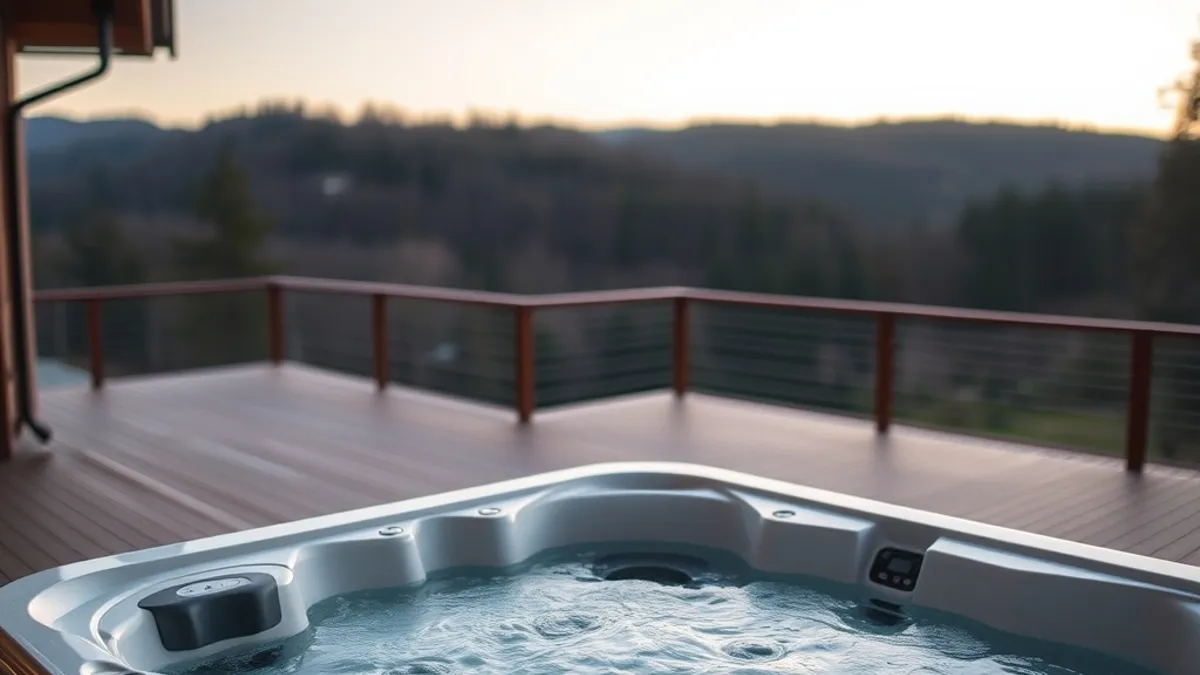
Electric hot tubs work the way most people imagine a spa working: a heater, a pump and a filtration system run quietly in the background, keeping the water at a set temperature around the clock. Because the tub holds its temperature year-round, it’s usually ready within about 30-60 minutes of arriving, and on many sites it’s ready the moment you are.
Water that’s always ready
Electric tubs are built for continuous use across guests. Filtration runs on a timer, and chlorine or bromine keep the water sanitized between soaks, so there’s no draining and refilling per group. You test nothing, carry nothing and light nothing — the water chemistry is managed for you. If you’re traveling in the shoulder season and want a warm soak without any setup, this plug-and-play quality is a real draw, as covered in our guide to glamping in autumn and what to pack for a shoulder-season stay.
Spa comfort, not campfire atmosphere
With jets, preset temperatures and often underwater lighting, electric tubs sit closer to a hotel spa than a campfire experience. You step in, press a button and the water is exactly where the thermostat left it. What you gain in convenience you give up in atmosphere: there’s no fire to watch, no logs to add and no sense that your soak depends on your own fire-tending. For families with kids or anyone on a tight weekend schedule, that trade usually works in the electric tub’s favor.
Heating Time and Effort Compared
The biggest practical difference between the two tubs is timing, and it shapes how you plan your evening. A wood-fired tub has to be lit well ahead of your soak, so the smart move in winter is to start the fire mid-afternoon: the water reaches soaking temperature as darkness falls, and you’re not waiting up until midnight for warm water. An electric tub flips that logic — you can decide on a whim after dinner and step in without much waiting. The catch is control: the temperature is fixed by the thermostat, and there’s no fire to stoke hotter if you want more punch.
Weather matters far more for wood-fired tubs. Rain slows the heat-up, wind pulls heat off the water surface and makes tending the fire less pleasant, and a cold snap stretches the wait toward the long end of the range. Wet-weather stays are still very doable with the right approach, as our guide to tips for a comfortable glamping stay in the rain explains.
- Start the fire before you unpack. Lighting the stove first means the heat-up runs while you settle in, cook dinner and explore the site, rather than after.
- Keep the air vent open wide early. A strong draft brings water to temperature faster; you can narrow the vent near the end for a steadier burn.
- Use a lid or floating cover if the site provides one. Covering the tub during heat-up traps warmth and can noticeably shorten the wait on windy days.
- Check the forecast before booking a wood-fired stay. A stretch of rain and wind changes the whole experience, from heat-up speed to how enjoyable fire-tending feels.
Running Costs and Nightly Rates
Price is one of the clearest differences between the two tub types, and it usually favors wood. Lodges with wood-fired tubs often come in €10-30 per night cheaper than equivalent electric-tub stays, because heating costs the site little more than firewood rather than a constant draw on electricity. If you’re comparing two similar cabins, that nightly gap can add up to a meaningful saving over a week.
Electric tubs flip the equation in winter. Keeping a large volume of water warm in cold weather can add €10-25 per day to a site’s energy costs, and some owners pass this on as a separate surcharge on your bill. Check whether the rate you’re quoted already includes tub heating, or whether you’ll pay extra per night or per session.
What’s included with the firewood
Wood-fired tubs typically burn one crate of firewood per session, and this is often included in the nightly rate. But practices vary between sites, so it’s worth confirming when you book: how many crates you get, whether extra wood costs anything, and where it’s stored. Running out of logs halfway through a heat-up is a frustrating way to spend an evening, and a quick question ahead of arrival avoids it entirely.
Season and Climate Fit
Wood-fired tubs are at their best from October through March. Cold air, early darkness and falling snow turn the steam rising off the water into the whole point of the stay — you’re not just heating a tub, you’re standing by a fire in the middle of winter. If atmosphere is what you’re after, this is the season and the setup for it, and our guide to winter glamping in Europe and how to prepare for it covers the rest of the packing list.
Electric tubs dominate summer-season sites, where guests tend to want quick dips after a day of hiking or cycling rather than a long fireside ritual. When the weather is warm and the days are long, a tub that’s already holding its temperature makes far more sense than one that needs hours of tending before you can get in. Nobody wants to feed a stove in July heat when they could be swimming instead.
Deep winter brings one extra question worth asking before you book, because cold snaps change how sites manage their tubs.
- Overnight draining: in freezing conditions, some sites drain the tub each night so pipes and the stove don’t suffer frost damage, which means your first soak of the day starts from cold water and a fresh heat-up.
- Fill-on-request sites: in the deepest winter months, some properties only fill the tub when you ask, so confirm how much notice they need before you arrive.
- Heating conditions: heavy rain or strong wind slows a wood-fired heat-up noticeably, so on stormy nights expect the longer end of the heating window and plan your evening around it.
How to Choose and What to Ask Before Booking
Once you’ve decided which tub style fits your trip, a few well-aimed questions to the site will tell you whether the reality matches the listing. Listings rarely spell out the practical details, and the answers you get shape your evenings far more than the photos do. A lodge that looks dreamy online can turn out to have a shared tub with limited slots, or a wood-fired model that needs serious forward planning on a cold evening.
- Ask about heat-up time. Confirm how long the tub takes from cold, since wood-fired models depend on water volume and outside temperature. This determines when you need to light the fire for an evening soak, and whether someone has to stay behind to tend it while the rest of the group gets dinner ready.
- Confirm what’s included. Ask whether firewood or electricity for the tub is part of the rate, and whether there’s a surcharge. For wood-fired tubs, check how many crates you get per session so you’re not hunting for extra logs in the dark.
- Clarify private versus shared use. Some sites give each lodge its own tub; others share one between several units with a booking slot system. Knowing this in advance avoids surprises on arrival.
- Reserve your slot early in winter. Demand peaks December-February, and tub access slots often need booking 2-4 weeks ahead. If a soak is a priority, request a time when you reserve rather than after you arrive.
As a rule of thumb, wood-fired suits couples who want the ritual and romance of tending a fire, while electric suits families and short weekend trips where time is tight and nobody wants to wait around for warm water. Match the tub to the way you actually travel, and you’ll get far more out of it.
Which Hot Tub Suits Your Glamping Trip
So you’ve found the perfect glamping stay, but the listing just says “hot tub” and nothing more. Here’s the quick answer: a wood-fired tub usually means lower nightly rates, around 2-4 hours of heating, and a fire-tending ritual that works best from October to March. An electric tub is ready within about 30-60 minutes, keeps water quality consistent, and can add €10-25 a day in winter energy costs, sometimes as a surcharge.
In short, it comes down to what you value more: atmosphere and price, or spontaneity and convenience. If you know which type you’re booking, you’ll know whether to pack warm layers for an evening by the fire or swimwear for a spontaneous dip. Have you stayed in either type? Leave a comment with your experience or share this article with a friend planning a glamping trip.