The idea sounds perfect: a glass-domed roof over your head, snow falling softly outside, a wood stove crackling beside the bed. But winter glamping in europe is a very different experience from a summer night in a safari tent, and many travelers worry about exactly the right things. Will the unit actually stay warm at -10°C? What if the on-site restaurant is closed? And why does the price seem to jump the moment you pick a snowy destination?
The good news is that a little preparation solves most of these concerns. This guide walks you through what winter glamping in Europe really looks like, where the main regions are, and when to book for the best price. You will also learn how to spot sites that are genuinely built for four seasons, what to pack for cold nights, and what to expect once you are there — from short daylight hours to feeding a wood stove overnight. By the end, you will know whether a cozy winter escape is right for you and exactly how to plan it.
What Winter Glamping in Europe Actually Looks Like
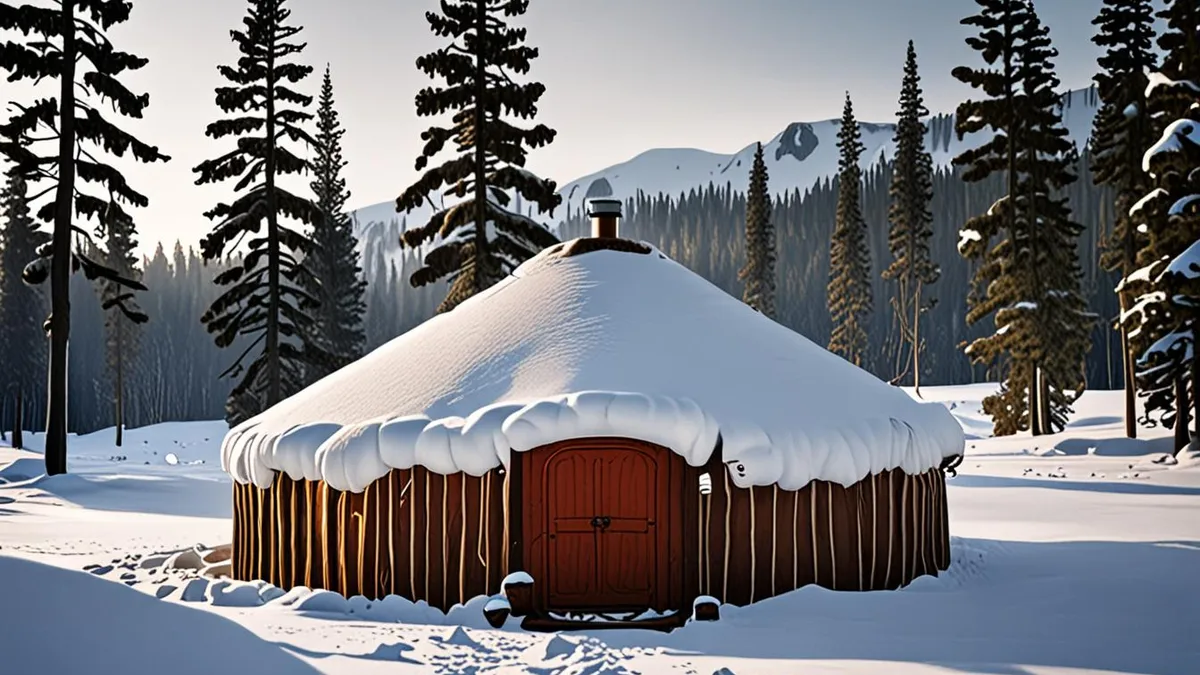
Forget the canvas safari tents you may have slept in during summer. In winter, European glamping sites switch to properly insulated structures: geodesic domes with layered covers, solid yurts, and small timber cabins. Almost all of them come with a wood stove as the centerpiece, often with a glass door so you can watch the flames from bed. This is what separates true winter glamping from sites that simply shut down for the cold months.
The insulation is not just for show. A well-built four-season unit typically holds an interior temperature of around 18-22°C even when it is -10°C or colder outside. That is warm enough to sit in a t-shirt with a mug of tea while the snow piles up at the dome entrance. The gap between a genuinely winterized unit and a summer tent with a heater bolted on is enormous, so it pays to ask sites directly about their insulation and heating before you book.
Facilities often shrink in winter
One surprise for first-timers: many sites scale back their facilities from November to March. Some close their communal kitchens, switch off outdoor showers, or pause the on-site restaurant entirely, since guest numbers drop sharply in the colder months. Others run everything as normal, but you cannot assume it. Check the site’s winter arrangements before booking, and plan meals around what will actually be open when you arrive. A quick email asking “what exactly is open in February?” saves a lot of disappointment later.
Where to Go: Europe’s Main Winter Glamping Regions
Winter glamping in Europe clusters around a handful of regions, and each offers a noticeably different experience. The Alps and the Pyrenees are the classic choice: dramatic snow scenery, proper ski access, and the kind of dome-with-a-view photos that fill your camera roll. They are also the most expensive option, with typical rates of €200-€350 per night at the top end. Scandinavian Lapland is the pick for aurora seekers, offering long, dark nights ideal for northern lights watching — though that darkness comes with a trade-off, since December and January bring only 5-6 hours of daylight. The Scottish Highlands and lower-altitude sites in Central Europe offer a gentler version of winter: milder conditions, easier driving, and prices closer to €120-€200 per night.
- Alps and Pyrenees: many sites sit near ski lifts or cross-country trails, so you can step out of your dome and onto the slopes without a long drive.
- Scandinavian Lapland: beyond the aurora, you may find extras like husky safaris, snowshoeing and ice fishing arranged by local operators.
- Scottish Highlands: expect rugged, moody landscapes rather than deep snow, plus easier road access and a good chance of clear, dark skies for stargazing.
- Central European lowland sites: these often pair winter units with Christmas market towns nearby, making them a good pick for a festive city-and-cosiness combo.
Whichever region you choose, packing is the part that trips people up most often. If you want a head start, our complete glamping packing checklist covers the essentials you will adapt for cold-weather travel.
When to Book and What Winter Glamping Costs
Winter glamping is more predictable than summer when it comes to availability — sites rarely sell out the way beach destinations do in August — but the popular weeks fill up fast. For regular winter dates, booking 2-3 months ahead is usually enough to get your pick of units. For Christmas and New Year, push that to 4-6 months ahead: these dates are the busiest of the season, and the best-insulated units go first.
What you will actually pay
Nightly rates vary widely by region and setup, with ski-adjacent sites in the Alps and Pyrenees at the top of the market and Highland or Central European sites generally cheaper. If you want a broader sense of how glamping prices compare across seasons and unit types, our guide on how much glamping typically costs breaks it down in detail.
One winter-specific question can change your real budget significantly: what is included? Some sites bundle firewood, heating and hot tub use into the nightly rate, while others charge for them separately — and firewood and hot tub sessions can add up quickly over a multi-night stay in February. Before you book, ask directly whether wood is supplied (and how much), whether heating is metered or unlimited, and whether the hot tub costs extra. Getting these answers in writing means no awkward surprises on arrival, and lets you compare sites on their true total price rather than the headline rate.
How to Choose a Site That Handles Winter Properly
Not every glamping site is built for winter, and the difference shows up fast once temperatures drop. A tent that feels charming in July can be miserable in February if the operator only runs it seasonally. When comparing options, start with the unit itself: you want genuine four-season construction, not a summer canvas tent with a portable heater dropped inside.
The three things that matter most are insulation, heating and water. Ask the site directly how the unit performs in deep winter, whether the wood stove keeps the interior comfortable overnight, and whether the water supply stays functional all year. Sites that run properly through the cold months will answer these questions easily; those that hesitate are telling you something.
Access deserves equal attention. Some mountain sites sit at the end of roads that become difficult in deep-snow months, and operators may require snow chains, a 4WD vehicle or a shuttle service in winter. Confirm before you book, especially if you rent a standard car.
- Wood stove logistics: ask whether firewood is delivered to your unit and how often, since carrying logs through snow loses its charm quickly.
- Bathroom setup: some winter units have private en-suite facilities, while others rely on shared washrooms a walk away, which is a very different experience at -10°C.
- Backup heating: check what happens if the stove goes out overnight or you arrive late and the unit is cold.
- Staff presence on site: a year-round caretaker can make the difference between a minor issue and a ruined night.
- Winter-specific house rules: confirm arrival times, since some sites ask winter guests to arrive before dark for safety.
Finally, read reviews from winter stays specifically. A site praised in July may perform very differently in February, and recent cold-season feedback will reveal how heating, access and service actually hold up. If you are new to glamping in general, our guide on how to choose the right glamping site for your first trip covers the basics that apply year-round.
What to Pack for Cold-Weather Glamping
Packing for winter glamping is closer to packing for a winter hike than for a hotel stay. Even though your heated dome or yurt should hold a comfortable indoor temperature, you will spend time outdoors walking to bathrooms, fetching firewood or simply stargazing, and nights can drop far below freezing.
Build your clothing around layers rated for -10°C to -20°C nights, even when daytime temperatures look milder in the forecast. That means a moisture-wicking base layer, a warm insulating mid layer and a windproof outer shell. Add insulated, waterproof boots with good grip, since paths around sites can be icy or snowy. A headlamp is essential too: with short winter days, you will often arrive or walk around after dark, and you want both hands free.
Don’t Forget the Indoor Comforts
Many glamping units have shoe-free interiors, and floors can be cold even in well-heated domes. Pack slippers or thick wool socks and you will be far more comfortable in the evenings. A warm robe or fleece loungewear also earns its place in your bag.
A Checklist Saves You in the Cold
Because winter trips involve more gear than summer ones, a complete checklist covering base layers, toiletries and kitchen extras makes packing far easier. Think extras like lip balm, hand cream, a thermos, reusable water bottles and spare batteries, since cold weather drains them faster. Check with your site about what is provided in the kitchen so you don’t duplicate or miss essentials.
On-Site Realities: Cold, Darkness and Daylight
Winter glamping rewards realistic expectations. The setting is beautiful, but cold, darkness and snow shape your days in ways a summer trip never does. Planning around them, rather than against them, is what turns a stay from merely survivable into genuinely memorable.
Daylight is the biggest constraint, especially at northern sites in Scandinavian Lapland, where winter days are remarkably short around the solstice. Check sunrise and sunset times for your exact dates before you travel, then build your schedule around them. Plan outdoor activities such as hikes, snowshoeing or sightseeing for the middle of the day, and save longer drives or walks for the brightest hours. Arriving at your site before dark is also far easier and safer on snowy roads.
Overnight Heating Realities
Depending on the site, you may need to feed the wood stove once or twice overnight to keep the unit warm until morning. Some people love this ritual; others would rather sleep through. If you fall into the second group, confirm before booking that your unit has automated heating so you know exactly what to expect.
Make the Evenings Count
Build cozy indoor time into your plans rather than treating it as downtime. Winter glamping is as much about the evenings inside as the days outside: a slow dinner by the stove, cards, books, hot drinks and watching snow fall through the dome window. Bring entertainment with you, since many sites have limited Wi-Fi and few nearby attractions after dark. Guests who embrace the quiet evenings usually enjoy these trips most.
Ready for a Cozy Winter Escape
Winter glamping in Europe is genuinely cozy, not a test of endurance. From November to March, heated domes and yurts sit in snow-covered scenery, and a well-built unit holds a comfortable 18-22°C inside even on the coldest nights. The worry about freezing in a tent disappears the moment you choose a site that is genuinely four-season rather than a summer operation with a heater bolted on.
The rest comes down to simple preparation. Budget €120-€350 per night for two, book 2-6 months ahead depending on your dates, and bring cold-weather clothing warm enough for the deepest winter nights, however mild the days may feel. Plan your days around short winter daylight, ask what is included in the price, and the cold and darkness become part of the charm rather than a problem. If you have stayed in a snow-covered dome or yurt, share your experience in the comments below.