Treehouse stays in Europe look magical in the photos: a wooden cabin perched among the branches, mist over the forest, breakfast on a small deck. But if you have never booked one, the practical questions pile up quickly. What do you actually get for your money? Is there running water, heating, a real bed? And how far ahead do you need to reserve before the good weekends disappear?
This guide walks through all of it. We explain what treehouse stays are really like, from off-grid cabins to luxury suites with hot tubs, and how they compare to yurts, domes and safari tents. You will find the best regions to search, when to go for good weather and fair prices, how to book smart, and what to pack for a night in the forest. By the end, you will know exactly what to expect before you click reserve.
What Treehouse Stays in Europe Are Really Like
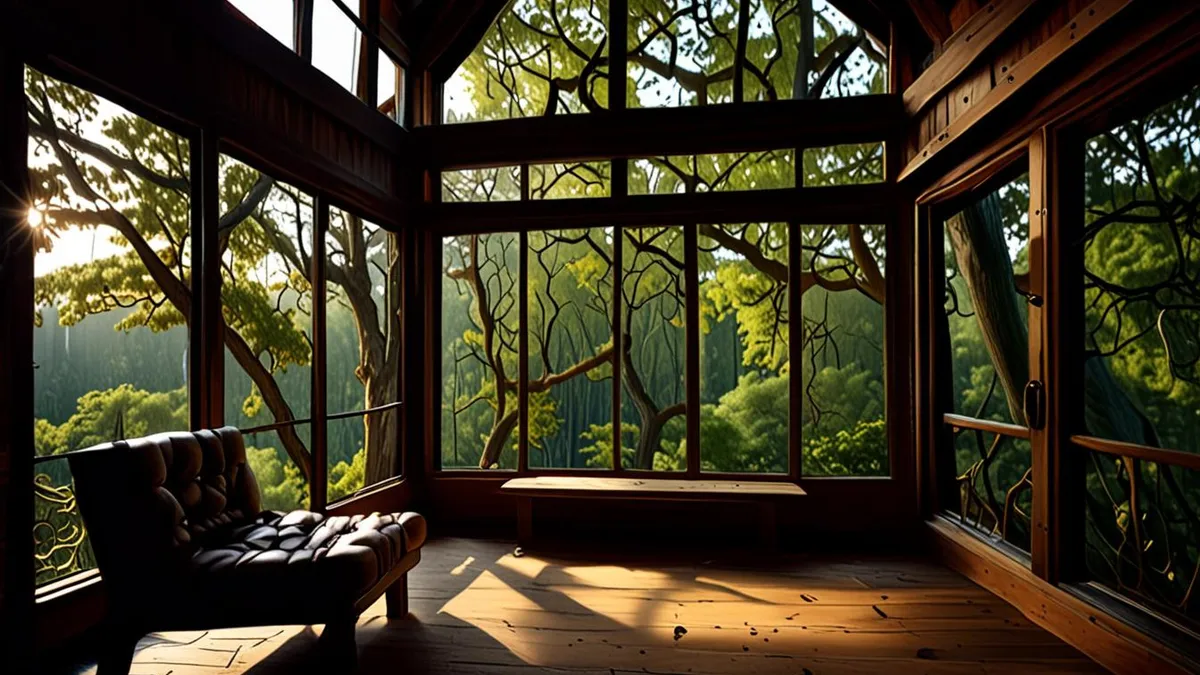
A European treehouse is not a children’s play platform with a rope ladder. It is a proper wooden cabin, usually raised on stilts or built around one or more living trees, typically sitting 2–4 meters off the ground. That height is enough to give you a canopy feel and a real view over the forest floor, while keeping stairs or a solid staircase manageable even with luggage in the dark.
Sizes vary more than most first-timers expect. The most common models are compact cabins for two, essentially a romantic room in the trees with a double bed and a small deck. Family versions exist too, sleeping up to 6 guests, often with two sleeping areas and a larger terrace.
Off-grid living is part of the deal
Many treehouses are deliberately off-grid. That often means solar power for basic lighting, composting toilets, and showers located in a shared bathroom block a short walk away. Some sites run water up to the cabins, others do not, so it pays to check before booking.
Expect rustic charm rather than full hotel service. There is rarely a reception desk or room service. That said, a growing number of luxury models add real comforts: en-suite bathrooms, wood-fired hot tubs and sometimes small kitchens. Decide early whether you want the simple version or the pampered one, because the gap in price and experience is significant.
How Treehouses Compare to Other Glamping Stays
If you have already slept in a yurt, a geodesic dome or a safari tent, a treehouse will feel familiar in spirit but noticeably different in a few ways. The most obvious one is elevation. While tents and domes sit on the ground, a treehouse lifts you 2–4 meters up, which brings better views, more distance from damp ground, and a genuine sense of having the forest to yourself. Privacy tends to be better too, since sites usually space the cabins further apart than rows of tents.
The second difference is construction. A treehouse has solid walls, a real bed on a proper frame and usually some form of heating. That makes it a genuinely comfortable option in cooler months, when a canvas tent can start to feel like a compromise. You are not zipping open a flap at midnight; you are closing a wooden door.
If you are weighing treehouses against other options, it helps to read a full comparison of glamping in yurts, domes and safari tents before deciding which style suits your trip.
The trade-off is price. Treehouses share the same back-to-nature, often off-grid feel as other glamping stays, but they usually cost more. You are paying for the build, the setting and the novelty of sleeping above the ground, so expect the higher end of the glamping price range rather than the lower one.
Where to Find Treehouse Stays in Europe
Treehouse stays are spread across Europe, but they are not evenly distributed. Germany and France have the densest networks of treehouse hotels and forest resorts, with everything from simple two-person cabins to large resorts where a dozen or more treehouses share a forested site. If you want maximum choice, start there.
Belgium and the Netherlands work differently. Space is limited, so the emphasis is on compact, design-focused treetop cabins, often on small sites close to towns. The advantage is convenience: you can reach many of these stays within a short drive, which makes them ideal for a one- or two-night escape without a long journey.
Scandinavia plays a third role entirely. Here you find remote, minimalist treehouse experiences set deep in boreal forest, where the selling point is silence, darkness and design rather than facilities. These are the stays to choose if you want to feel genuinely far away.
Wherever you look, a useful pattern holds: most sites sit in forested countryside roughly 1–3 hours from major cities. That makes treehouses realistic for weekend trips, but it also means you will usually need a car to reach them comfortably.
- Check the access road. Some forest sites sit at the end of unpaved tracks, which matters if you rent a small car or arrive after rain.
- Look at what is around the site. Many treehouse resorts add extras such as hiking trails starting at the door, bike rental or small farm animals, which changes what you can do without driving.
- Consider cross-border trips. Because Germany, France, Belgium and the Netherlands sit close together, it is often easy to book a treehouse just over a border if the options at home are booked up.
When to Go: Seasons and Prices
Timing shapes both the price and the atmosphere of a treehouse stay. June through August is peak season: rates sit at their highest, and popular forest resorts can sell out weeks in advance, especially for weekends. If you want a summer date, treat booking as a priority rather than an afterthought.
Shoulder season is the sweet spot
May, September and early October are the best-value months. You pay noticeably less than in midsummer, the forests are quieter, and the weather across most of Europe is still pleasant enough for evenings on your deck. Falling leaves in early October add a lot of atmosphere for photographers.
Winter is more doable than many travelers assume, as long as you pick a heated treehouse. Operators often reduce rates in the colder months, and a snow-dusted forest with a wood stove going is a genuinely memorable setting. Just confirm the heating setup before you commit, since not every cabin is winterized.
As for budget, most European treehouse stays run €120–€300 per night for two people. Luxury suites with private hot tubs can reach €400–€600 per night. For a broader comparison of what similar stays cost across the glamping world, this guide to typical glamping prices is a useful benchmark.
How to Book a Treehouse Stay
Booking a treehouse is straightforward, but a little preparation avoids the most common disappointments: sold-out summer weekends, surprise two-night minimums, and cabins that turn out to be more rustic than the photos suggested. Because most treehouses sleep only 2–4 guests, availability is limited even at larger forest resorts, and the most popular cabins in regions like Germany, France and Scandinavia can be snapped up long before you start searching. Work through these steps before you pay anything, and you will know exactly what you are getting.
- Pick your dates with the calendar in mind. For a summer weekend, aim to book 3–6 months ahead; good cabins in popular regions go fast. In shoulder season, 1–2 months of lead time is usually enough.
- Check the minimum-stay rules. Two-night minimums are common on weekends and holidays, so a one-night splurge may not be possible at the site you want. Look for weekday availability if you only want a single night.
- Read the amenities list line by line. Many treehouses are off-grid, with solar power, composting toilets and shared bathroom blocks rather than en-suite facilities. Confirm how power, heating, toilets and showers are handled before you book, not after you arrive.
- Book directly with the operator when you can. Direct bookings often come with better cancellation terms, and the owner can answer practical questions, from the nearest grocery stop to how steep the path is.
Once your booking is confirmed, ask the operator for arrival details such as parking and the walk to the cabin. Some sites are deliberately car-free, so you may carry your bags along a forest track for a few minutes, which matters if you are traveling with children or heavy luggage. It also helps to confirm check-in times, since remote sites are often staffed by a small team rather than a full-time reception desk.
A short message a few days before your stay also gives the operator a chance to flag anything unusual, like a storm-damaged trail, a shared bathroom block temporarily out of service, or advice on the best time to arrive before dark. Operators appreciate guests who communicate, and in return you will usually get honest, specific answers about what to expect. That small exchange of messages is often the difference between arriving prepared and spending your first evening hunting for a torch you left in the car.
What to Pack for a Treehouse Night
Even a luxury treehouse sits in a forest, and forests at night are darker, cooler and quieter than most travelers expect. Packing for a treehouse night is less about bringing more and more about bringing the right things, because shops are often a drive away and your cabin may have no lighting beyond a small solar lamp. The good news is that the list is short, and almost everything on it doubles as gear you would take on any countryside trip.
Think in terms of three challenges: staying warm, moving safely in the dark, and being self-sufficient for food and water. If you have camped or done cabin trips before, you already know most of this, and a full glamping packing checklist covers the basics in more detail. For treehouses specifically, make sure these are in your bag:
- Warm layers and thick socks — even in July, forest nights can drop enough that you will want a fleece and beanie on the deck, so pack a mid-layer you can add after sunset.
- A torch or headlamp — paths between the parking area, bathroom block and cabins are often unlit by design, and a headlamp keeps your hands free on stairs and ladders.
- Sturdy shoes — spiral staircases, access ladders and forest trails call for closed shoes with grip, not just sandals for the deck.
- A reusable water bottle and snacks — many sites sit far from the nearest shop, and off-grid cabins may have limited or no running water at the tap, so arrive stocked.
Beyond the essentials, a few small extras make a real difference. A power bank is useful where sockets are limited or solar charging is slow, and a book or downloaded podcast helps on quiet evenings when there is no Wi-Fi and, honestly, that is the point. Insect repellent earns its place in summer, and a soft blanket for the deck turns stargazing into the highlight of the night.
One last tip: keep everything in a soft bag rather than a hard suitcase. Narrow stairways and hatch entrances make wheeled luggage genuinely awkward, and most operators will tell you the same if you ask.
Wrapping Up Your Treehouse Trip
Treehouse stays in Europe deliver more than the photos promise: solid walls, real beds and heating in a forest setting, usually for €120–€300 per night for two. The main trade-offs are rustic amenities, since many cabins are off-grid with composting toilets or shared bathroom blocks, and a higher price than tents or yurts. In short, you get genuine comfort without losing the back-to-nature feel.
To get the best pick, choose your region first, whether that is the dense networks in Germany and France, design-focused cabins in Belgium and the Netherlands, or remote escapes in Scandinavia. Travel in May, September or early October for quieter forests and lower rates, and book 3–6 months ahead for summer weekends. Pack warm layers for cool forest nights and check the amenities list before confirming. If you have stayed in a treehouse, share your experience in the comments or pass this article along to a fellow traveler.