Most travelers assume resort grading works the same everywhere, but that assumption leads to some expensive booking mistakes. A five-star beach resort and a five-star ski resort measure completely different things, and the same star count can hide wildly different experiences depending on the resort type and the country doing the grading.
This guide breaks down resort grading by category so you can read ratings like an insider. We cover what grading bodies actually measure, how beach, ski and spa resorts are weighted differently, and why comparing the same star rating across resort types rarely works. You will also find practical advice on matching resort type to your trip, from season timing and dining styles to age policies and treatment costs, plus the key takeaways to remember before you book.
What Resort Grading Actually Measures
The first thing to understand about resort grading is that star ratings are awarded nationally. Each country sets its own criteria and inspection standards, which means a 4-star in Spain and a 4-star in Greece can differ widely in facilities. One might include multiple restaurants and a full spa, while the other offers simpler rooms with fewer amenities at the same official grade.
What inspectors look at
Grading bodies typically assess four broad areas: rooms, dining, service and amenities. The important detail is that these are weighted differently depending on resort type. A ski resort gets judged heavily on mountain access and lift proximity, while a beach resort earns its stars through pools, beachfront position and family facilities. The same inspector checklist simply does not apply across categories.
What a high grade actually tells you
A high grade signals consistency and a certain service level, not suitability for your specific trip. A five-star adults-only spa resort may be superbly graded yet completely wrong for a family with young children. Treat the star count as a baseline quality indicator, then dig into the details that matter for your travel style before committing to a booking.
How Beach Resorts Are Graded
Beach resort grading emphasizes beachfront position, pool facilities and kids’ amenities above almost everything else. If a property sits directly on the sand, offers several pools and provides easy water-sports access, it will score well regardless of how compact its rooms are. To understand what inspectors actually check along the shoreline, it helps to read up on private beaches, Blue Flag status and public access before you book.
Family versus couples focus
Within the beach category, kids’ clubs, family rooms and evening entertainment are what separate family-focused properties from couples-focused ones. Two resorts can hold the same star rating yet cater to completely different crowds. If you travel with children, check the kids’ club age ranges and whether family rooms genuinely fit four people. If you want quiet, look for properties that skip the nightly shows and poolside games.
Why season shapes the rating
Season matters more at beach resorts than most travelers realize. Mediterranean beach resorts typically run full service from May to October, while tropical beach resorts operate year-round. A Mediterranean property inspected in July may look completely different in April, when some restaurants and pools close. Always confirm which facilities operate during your travel month, especially on shoulder-season dates when parts of the resort may be quiet or shut.
How Ski Resorts Are Graded
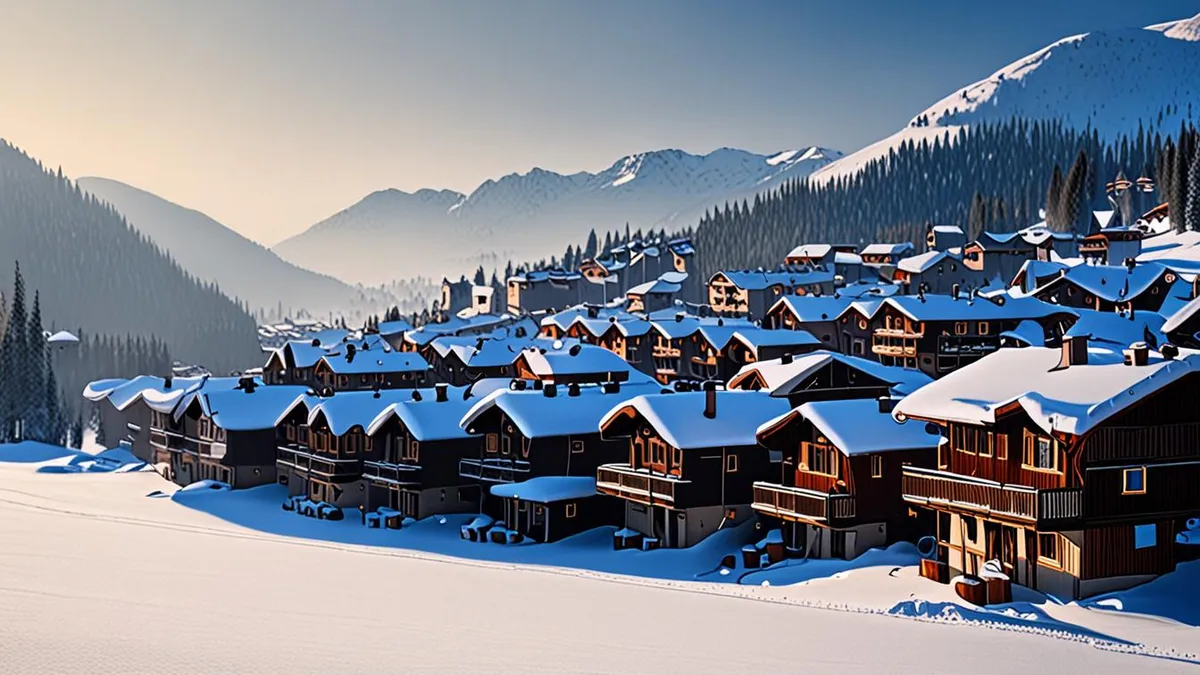
Ski resort grading weighs altitude, lift access and ski-in/ski-out position, not room size. A property that lets you clip into your skis at the door and reach the lifts within a minute will outscore a larger hotel a shuttle ride away, even if the rooms are smaller and the pool is modest. Location on the mountain is the currency that matters here.
Why the star counts don’t match
This weighting explains why a 5-star ski resort may have fewer dining venues than a 5-star beach resort. Grading prioritises mountain access over the breadth of restaurants and bars, so the same star count covers a different set of strengths. If varied dining matters to you, check the actual restaurant list rather than relying on the grade. The same logic applies to pools: ski resorts rarely compete on swimming facilities, and if a heated pool matters after a day on the slopes, look at the specifics rather than the stars, since even lagoon, infinity and kids’ pools vary enormously in what they offer.
Timing and pricing
The ski season runs roughly December to April, with high-altitude resorts opening from late November for more reliable snow. Pricing swings sharply within that window: peak ski season weeks around Christmas and February half-term cost 30-60% more than January or late-March weeks. If your dates are flexible, January delivers quieter slopes and noticeably lower rates at the same graded properties. Confirm the exact opening dates for your travel month, since they shift from year to year.
How Spa Resorts Are Graded
Spa resorts are graded on a different scale entirely. Where a beach resort earns stars for pools and evening shows, a spa property earns them for the quality of its treatments, the range of thermal facilities and the calm of its quiet zones. Grading inspectors look at things like the variety of saunas and steam rooms, hydrotherapy pools, relaxation areas and how well the property enforces silence around them.
This means a high spa rating tells you very little about entertainment or beach access, because those features simply carry little or no weight in the assessment. A top-graded spa resort might have no beachfront at all and a modest bar program, yet still deserve its stars for the wellness side of the stay.
Who spa resorts actually suit
Most spa resorts are adults-only. The usual minimum guest age is 16, and many properties set it at 16 or 18 outright. That makes them a natural fit for couples, solo wellness trips and friend groups looking for a quiet reset, but a poor match for families with children. If you are traveling with kids, treat the adults-only policy as a filter before you even compare prices.
What treatments really cost
The headline room rate rarely covers everything. At European spa resorts, individual treatments typically run from around 60 to 150 euros per session, depending on length and type. A five-night stay with a massage or facial every other day can easily add several hundred euros on top of your booking. Check the treatment menu and prices before you commit, and decide how many sessions you realistically want so you can budget beyond the advertised nightly rate.
Comparing the Same Star Rating Across Resort Types
Stars are not a universal currency. A 4-star beach resort and a 4-star ski resort can sit in the same grade while offering completely different rooms, because each type is judged against its own priorities. Ski properties are graded heavily on mountain access, so a compact room near the lifts can out-rank a spacious one farther away. The most reliable fix is to check the actual room size in square meters on the hotel’s own description, rather than trusting the star count to tell you how much space you will get.
Dining style also shifts with the resort type, and this changes your budget math as much as the room rate does. Beach resorts typically sell all-inclusive as the standard package, ski resorts are dominated by half-board so you can eat on the mountain at lunch, and spa resorts lean toward à la carte restaurants that keep the pace of meals relaxed. If you are weighing a resort against other stay types, it helps to read a proper comparison of resort and villa stays side by side before you book.
When to travel for the same stars at less
- Beach in May: The Mediterranean season is fully running, the sea is warming up and rates often sit 20-40% below the July and August peak.
- Beach in September-October: You get the warmest water of the year in many Mediterranean spots, plus quieter pools and lower prices than the school-holiday weeks.
- Ski in January: After the New Year crowds thin out, January weeks typically cost 20-40% less than the Christmas and February half-term peaks, when demand pushes prices to their highest of the season.
Matching Resort Type to Your Trip
The fastest way to pick well is to match the resort type to what your trip is actually for. Beach resorts work best for families and anyone planning days built around water sports, where the pool, the sand and the kids’ amenities are the real center of the stay. Ski resorts reward active travelers who care more about slope access than about spacious rooms or long dinner menus, because most of your day happens on the mountain anyway. Spa resorts are built for couples and wellness-focused stays, and they quietly filter out children through their age policies, which makes them a poor match for multigenerational trips even when the star rating looks impressive.
Each type also has its own booking checks that matter more than the star count. A glowing review of a spa resort tells you nothing about whether your teenagers can stay, and a great beach rating says nothing about what a jet ski rental costs once you arrive. Two resorts with identical grades can feel completely different in practice if one matches your trip style and the other does not. Do the type-specific homework first, then use the stars as a final filter rather than the whole decision, and you are far less likely to be disappointed at check-in.
Quick checks before you book
- Beach resorts: Look up the kids’ club age ranges in detail, since some clubs split toddlers and tweens into separate sessions, and ask for the watersports price list, because motorized options are often charged per session or per quarter hour.
- Ski resorts: Confirm the walking distance or shuttle time to the nearest lift, and check that the resort’s operating dates cover your travel month, since the season runs roughly December to April and high-altitude resorts open from late November.
- Spa resorts: Verify the minimum guest age in writing, as properties commonly set it at 16 or 18, and request the current treatment menu with prices, since sessions typically add 60-150 euros each on top of your room rate.
The Key Takeaways on Resort Grading
A five-star badge means very different things depending on the resort type. Star grades measure service and facilities, but each type weights them differently: beach resorts are judged largely on their location by the sand, the number and quality of their pools, and how well they cater to children, while ski resorts are graded on altitude and lift access, and spa resorts on wellness quality. That is why two properties with the same rating can feel nothing alike once you arrive.
In practice, season, guest age policy and dining style often matter more than the star count when choosing between the three. A lower-rated ski resort with true ski-in/ski-out access can beat a fancier property a shuttle ride from the lifts, and a four-star spa with a strict adults-only policy may suit a couples trip far better than a five-star family complex. Match the grading priorities to your trip, not just the stars. If this helped you compare resorts, leave a comment or share the article with a travel partner.