Finding the right room in Porto comes down to a simple trade-off: you want to be close to the riverfront and the old streets, but not pay a premium for a view or lose sleep over bar noise. Many travelers book a hotel that looks central on the map, then discover it sits halfway up a steep hill or above a street that stays lively until late. This guide to Porto hotels near the historic center helps you avoid both mistakes.
Below you’ll find why a central base makes sense for a short city trip, which neighborhoods offer the best balance of price and location, and how to pick a hotel that suits your noise tolerance and the season. We also cover realistic price ranges, when to book, how to get around on foot and by public transport, and practical budget tips. By the end, you should be able to match an area to your budget and book with confidence.
Why Stay Near Porto’s Historic Center
Porto’s historic center is a UNESCO World Heritage Site, and its main sights sit remarkably close together. The Ribeira riverfront, São Bento station with its famous tile panels, and the cathedral all fall within a compact walking area. You can see a lot in a single day without ever needing a taxi or metro ticket.
Why location matters more in Porto than in most cities
A central base lets you return to your hotel midday, which matters more than you might expect. In summer heat, a midday break in an air-conditioned room turns a tiring sightseeing day into two comfortable halves. It also makes evening plans easy: riverfront dinners in Ribeira are a short stroll away, so you can eat late and walk back without worrying about transport.
For short trips of two to three nights, staying central also saves real money on taxis and metro rides. Those small fares add up quickly when you make them several times a day. Walkable hotels let you spend that budget on port wine tastings and good meals instead. On a short city break, time is your most valuable resource, and a central hotel protects it.
Best Areas for Porto Hotels Near the Historic Center
Porto’s central neighborhoods each have a distinct character, and the right choice depends on whether you prioritize atmosphere, price or quiet. The good news is that all four areas below keep you within reasonable walking distance of the historic core, so you rarely sacrifice much either way.
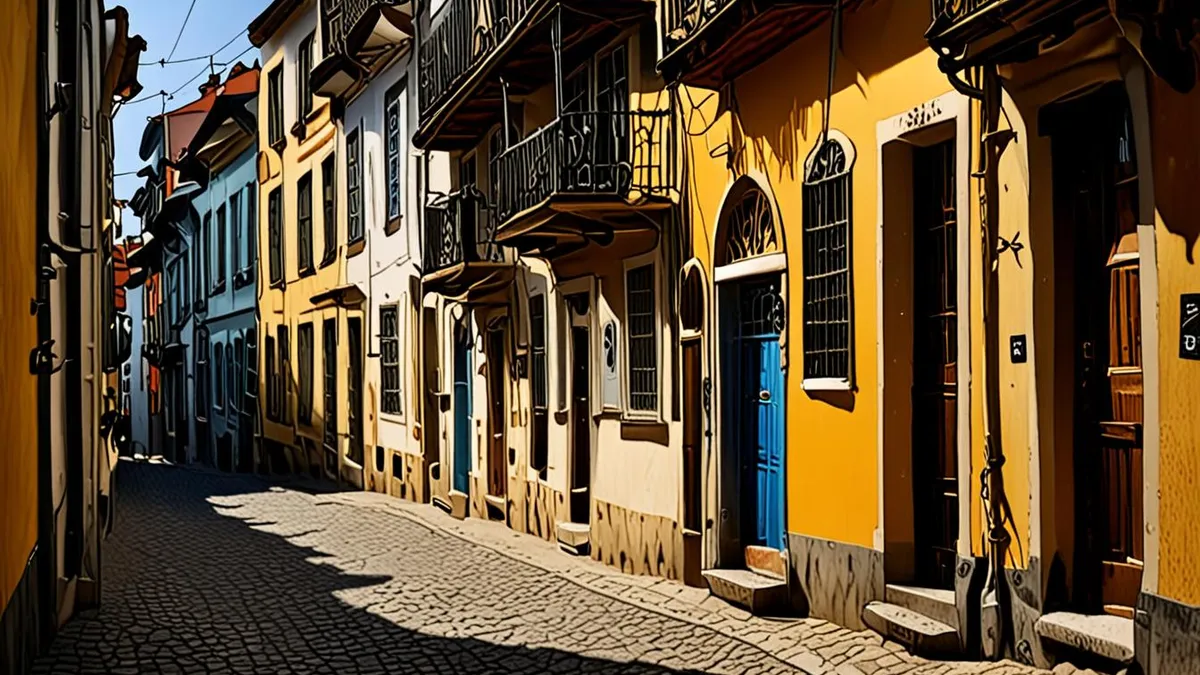
Ribeira delivers the postcard experience: colorful houses stacked along the Douro, terraces over the water, and the liveliest atmosphere after dark. That same energy makes it the noisiest and priciest part of the center. Baixa and Bolhão sit just uphill on flatter ground, well connected by metro and buses, and usually cost 10–20% less than Ribeira. Cedofeita is a quieter residential and arts district about 10–15 minutes’ walk from the core, popular with travelers who want a local feel. Vila Nova de Gaia, across the river, offers classic views of the Ribeira skyline from the south bank, but reaching the center means crossing one of the bridges each time.
- Ribeira: look for rooms on upper floors or interior-facing sides if you stay here, since the riverside lanes echo with conversation and music well past midnight in warmer months.
- Baixa and Bolhão: the flat terrain is a genuine advantage if you’re carrying luggage from São Bento station or planning long walking days.
- Cedofeita: the area around its main shopping street has small galleries, independent shops and neighborhood cafés, giving you an evening scene away from tourist crowds.
- Vila Nova de Gaia: staying here puts the port wine lodges on your doorstep, so evening tastings end with a short walk home instead of a bridge crossing.
How to Choose the Right Hotel for a City Trip
A little checking before you book saves a lot of regret later. Porto’s central hotels vary widely in building age, layout and soundproofing, so the details on the listing page matter more than the star rating.
Start with the room’s position. In Ribeira especially, nightlife streets stay loud until late, and thin windows in older buildings let everything through. Many listings state whether rooms face the street or an interior courtyard; if they don’t, a quick message to the hotel before booking usually gets a clear answer. If you’re arriving by train from Lisbon, confirm the walking distance to São Bento station as well, since dragging a suitcase through hilly lanes is nobody’s idea of a good arrival.
Season matters too. Between June and September, older buildings heat up considerably, and rooms without air conditioning can make sleeping difficult. Finally, think about the kind of stay you want: small guesthouses in restored buildings often deliver far more atmosphere than big-chain comfort, with original tilework, wooden shutters and hosts who give genuine local tips. The same logic applies in other old European cities, as we explain in our guide to hotels near Edinburgh’s historic Old Town.
- Ask about window type: double-glazed or newly renovated windows make a noticeable difference on streets with bars and terraces below.
- Check luggage logistics: buildings with stairs but no lift are common in restored central properties, so confirm this if you travel with heavy bags.
- Read recent reviews for noise mentions: guests often flag exactly which streets or rooms to avoid, which is more useful than a general rating.
- Match breakfast to your plans: a guesthouse with a generous breakfast lets you start sightseeing early without hunting for a café first.
When to Book and What You’ll Pay
Porto’s central hotels follow a fairly predictable price rhythm, which makes planning a city trip easier than in many European capitals. In mid-season, expect to pay roughly €70–€140 per night for a double room near the historic center. That range covers everything from simple guesthouses in restored buildings to comfortable mid-range hotels a few streets back from the riverfront.
High season and low season
June to September is the busiest stretch, and prices often run 30–50% above winter rates. The same room that costs €90 in February can easily top €130 in August, especially anywhere with a river view or a rooftop terrace. If your dates are flexible, the lowest rates of the year appear between November and March, outside Carnival and Easter weeks, when the city is quieter and hoteliers compete for guests.
For summer stays, book 2–3 months ahead. Central Porto has a limited number of rooms in the old town itself, and the best-value options in Ribeira and Baixa tend to fill first. Last-minute bargains do exist in winter, but relying on them in July or August usually means paying more or settling for a room far from the center.
One more pattern worth knowing: weekend rates in the historic center often exceed weekday prices by 15–25%. Shifting a short break to Sunday through Wednesday can shave a noticeable amount off your total, and you’ll share the narrow streets with fewer visitors too.
Getting Around From a Central Base
One of the best reasons to sleep near the historic center is how little you’ll rely on transport. Most sights in the UNESCO-listed core sit within a 15-minute walk of Ribeira or Baixa hotels, so you can see the cathedral, São Bento station and the riverfront without ever buying a ticket. That proximity also makes spontaneous plans easy: pop back to drop off shopping, rest your feet, or grab an extra layer before heading out again.
If you’re arriving by plane, the metro from the airport reaches Trindade in about 25 minutes. From there, it’s typically a 10-minute walk downhill into the Baixa area, which is far cheaper than a taxi and drops you right where you want to be. Keep in mind that dragging a suitcase over cobblestones is less fun than it sounds, so a small bag makes the walk much easier.
- The hills are real: the historic center climbs steeply between the riverfront and the cathedral, so plan your route so you walk uphill in the morning and downhill toward the river in the afternoon.
- Tram 1 runs along the river: this heritage tram line follows the Douro waterfront and saves your legs on the stretch between Ribeira and the western edge of the old town.
- Tram 22 crosses the core: a small vintage tram that threads through the narrow upper streets, handy when you’re loaded with bags or the cobblestones get tiring.
- The Gaia cable car: on the Vila Nova de Gaia side of the river, it lifts you from the quays up to the upper terrace level, useful after a day of port wine cellars.
Even with trams and the cable car, walking remains the main way to experience the old town, and comfortable shoes with grippy soles matter more than any transport pass. The cobblestones are polished smooth and can be slippery after rain, especially on the steeper lanes near the cathedral. With these options, a central base means you can return to your hotel midday for a break, then head back out for an evening dinner by the river without thinking twice about logistics.
Budget Tips for Central Porto Stays
Staying central in Porto doesn’t have to mean paying riverfront prices. A few simple choices can cut your accommodation costs noticeably while keeping you within easy reach of the historic core, where most sights cluster within a short walk of Ribeira or Baixa.
- Swap Ribeira for Bolhão or Cedofeita: both neighborhoods sit just outside the priciest streets yet remain convenient, so you lose very little in exchange for a lower nightly rate.
- Travel between November and March: this window brings the year’s lowest rates, though you should avoid Carnival and Easter weeks, when prices spike with the crowds.
- Skip the river view: in Ribeira, rooms facing the Douro can carry a premium of €30–€50 per night; an interior or street-facing room in the same building often costs far less, and you’ll spend your evenings at the waterfront anyway.
- Book midweek nights: weekend rates in the historic center run higher than weekday ones, so a Sunday-to-Wednesday stay stretches the same budget further.
Combining two of these tips multiplies the savings. A weekday stay in February in a Bolhão guesthouse without a view can come in well below what a weekend riverfront room costs in summer, with the same short walk to the cathedral and the Ribeira quays. That difference can easily cover an extra night or several good meals out.
Finally, remember that small guesthouses in restored buildings often deliver more character for the money than big-chain hotels. If atmosphere matters to you, put your budget toward a well-located family-run place rather than extras like views or gyms you’ll barely use on a short city trip. Check current rates before booking, as they shift with the season and demand.
Wrapping Up Your Porto Hotel Search
Finding a Porto hotel near the historic center comes down to balancing three things: budget, noise and hills. Ribeira, Baixa, Bolhão and Cedofeita all put you within walking distance of the UNESCO-listed core, but they suit different travelers. Ribeira delivers riverfront atmosphere at a premium, while Baixa, Bolhão and Cedofeita offer quieter, often cheaper alternatives a short stroll away.
Use the numbers as your anchor: mid-season rates of €70–€140 per night are typical for central doubles, and booking 2–3 months ahead secures the best availability for summer trips. Match your noise tolerance, your willingness to tackle steep streets and the season of your visit to the area you pick, and you will end up central without overpaying. If this guide helped you plan your Porto city trip, leave a comment or share it with a fellow traveler.