Figuring out where to stay in Tallinn is trickier than it looks. The Estonian capital is compact—the Old Town is walkable end to end in about 20-30 minutes—but its neighborhoods feel surprisingly different from one another. Pick the wrong base and you could end up above a noisy bar, facing a long walk home, or missing the atmosphere you came for in the first place.
This guide compares Tallinn’s main areas so you can match your base to your trip. We’ll run through a quick area overview, then look at the Old Town’s atmosphere-at-a-price appeal, the wooden houses and local life of Kalamaja, the modern convenience of the Rotermann Quarter and city center, and quieter alternatives around Kadriorg. We’ll also cover when to book and what you can expect to pay, before wrapping up with help choosing your Tallinn base. Prices and availability shift, so always double-check current details before you commit.
Where to Stay in Tallinn: A Quick Area Overview
Tallinn may be small, but each district has a distinct personality, and choosing between them shapes your whole trip. The good news: distances are short. Trams and buses connect most districts to the center within 10-15 minutes, so even if you stay outside the postcard streets, you’re never far from the action.
The main districts at a glance
The Old Town is the classic choice, all medieval walls, spires and cobbled lanes. Kalamaja, just beyond it, offers bohemian charm with restored wooden houses, cafes and a local feel. The Rotermann Quarter is the modern counterpoint, where converted industrial buildings now hold design shops, restaurants and hotels.
The City Center, known locally as Kesklinn, is the practical pick thanks to its transport links, proximity to the port and easy access to everything. Kadriorg, east of the center, is the quiet option: leafy streets, embassy villas and the green expanse of Kadriorg Park.
How to choose
If atmosphere is your priority, start with the Old Town. If you want local life and value, look at Kalamaja. Design lovers and ferry arrivals fit well in Rotermann or Kesklinn, while couples and slow travelers often prefer Kadriorg’s calm. The Old Town itself is walkable end to end in about 20-30 minutes, so no base leaves you stranded.
Old Town: Atmosphere at a Price
For first-time visitors, the Old Town is hard to beat. Stepping out of your hotel into medieval streets, with church spires rising overhead and city walls just around the corner, is the experience most people come to Tallinn for. Everything on your sightseeing list sits within a short walk, and evening strolls after the day-trippers leave are genuinely magical.
What you’ll pay
Atmosphere comes at a price, especially in summer. Expect premium rates from June to August, with mid-range doubles often costing 100-140 EUR per night. Outside high season, prices soften considerably, so if your dates are flexible, a spring or autumn visit makes an Old Town stay noticeably more affordable.
The downsides to weigh
Three things deserve honest mention. First, cobblestone noise: late-night revelers rolling suitcases and stumbling home are a real factor if your room faces the street, so ask for an inner-facing or courtyard room when booking. Second, cruise-ship crowds flood the lanes during the day, which can make the busiest streets feel like a theme park. Third, budget options are scarce here; the Old Town has few cheap rooms, so travelers on a tight budget often find better value elsewhere in the city.
If you can accept those trade-offs, the Old Town delivers the most memorable base in Tallinn, particularly for a short first visit focused on the medieval core.
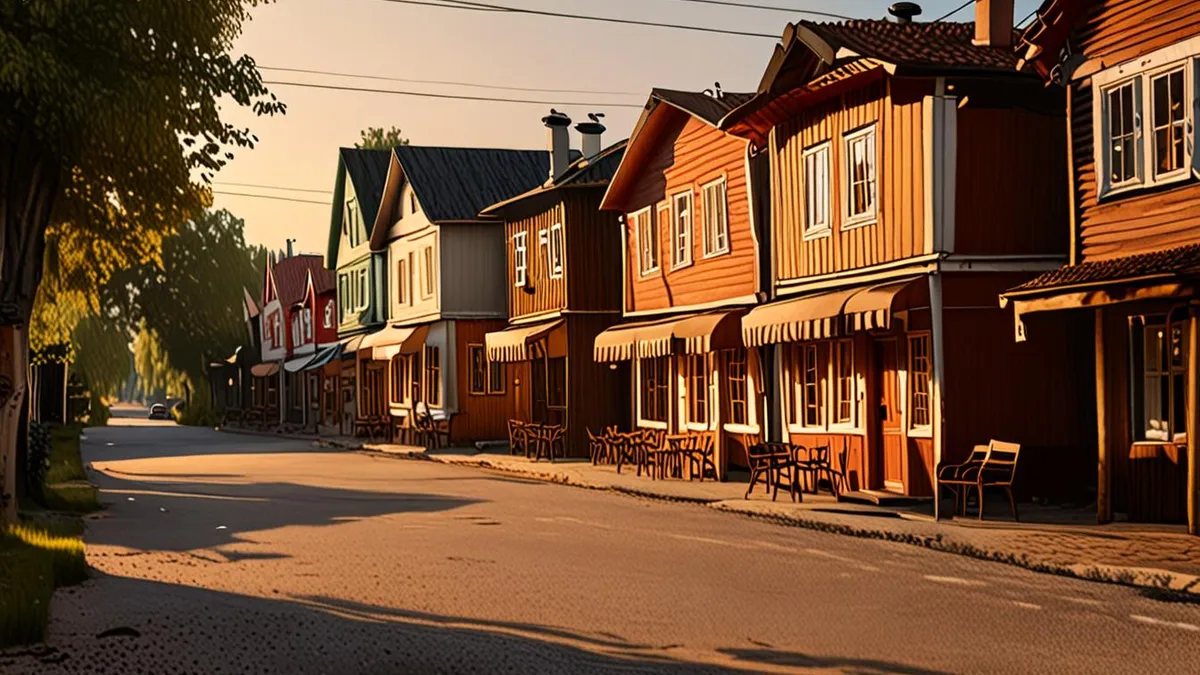
Kalamaja: Wooden Houses and Local Life
Kalamaja is Tallinn’s trendiest district, sitting roughly a 15-20 minute walk from Old Town. Once a fishermen’s and factory-workers’ neighborhood, it’s now full of restored wooden houses painted in soft greens, blues and yellows, with independent cafes, bakeries and small shops filling the streets between them. It feels lived-in and local in a way the Old Town simply can’t.
Where to sleep and what it costs
Accommodation here leans small and personal: boutique guesthouses, stylish apartments and a handful of design-conscious rooms rather than big hotels. Doubles often run 60-100 EUR per night, which typically undercuts Old Town rates in summer while giving you more space, and apartment options make it easy to self-cater. Availability shifts with the season, so check current listings before assuming a specific price.
Who it suits best
Kalamaja is quieter at night than the Old Town, which is a plus if you value sleep over late-night atmosphere. It’s ideal for travelers who want local life over postcard views: morning coffee at a neighborhood cafe, a wander to the nearby waterfront, and dinner where residents actually eat. You’ll trade instant medieval charm for a 15-20 minute walk (or a quick tram ride) to the sights, and many visitors find that trade well worth making.
Rotermann Quarter and City Center: Modern Convenience
Just beyond the Old Town walls, the Rotermann Quarter is what happens when a 19th-century industrial complex gets a second life. Former warehouses and factory buildings now hold design hotels, restaurants and shops, and the whole area sits about 10 minutes on foot from the Old Town gates. You get the medieval skyline in your photos without sleeping among the tour groups.
The district is compact and easy to read: everything you might need in an evening is within a few minutes’ walk, from bakeries to Nordic-style restaurants. Because the buildings are conversions rather than centuries-old houses, rooms tend to feel more modern and better soundproofed than much of what you’ll find inside the walls. Mid-range doubles here typically run around 80-140 EUR per night in high season, so you’re often paying a bit less than Old Town rates for newer comfort.
Stretching out from Rotermann is the wider city center, or Kesklinn. This is the practical choice for travelers on a tight schedule, especially those arriving by ferry from Helsinki.
- Port-side locations: hotels near the passenger port put you within a short walk or taxi ride of the ferry terminals, which matters if you’re hauling luggage or catching an early sailing.
- Tram connections: Kesklinn sits on the main tram lines, so you can reach Kadriorg, Kalamaja and other districts quickly and without a car.
- Short-stay efficiency: if you only have a night or two in Tallinn, basing yourself here cuts transit time to nearly zero for both the Old Town and the port.
- Shopping and services: the area around Rotermann and the main boulevards concentrates supermarkets, pharmacies and shopping centers, handy for stocking up on ferry snacks or forgotten chargers.
The trade-off is atmosphere. You won’t wake up to cobblestones and church bells here, and the streets around the port can feel functional rather than charming. But for design-conscious travelers and ferry-hoppers, it’s the most convenient base in the city.
Kadriorg and Quiet Alternatives
Kadriorg sits east of the center and feels like a different city altogether. Named after the baroque palace complex founded by Peter the Great, it’s Tallinn’s leafy embassy district, where wooden villas, ambassadors’ residences and tree-lined streets replace the tourist bustle. Regular tram connections mean you’re never truly cut off from the sights, even though the neighborhood itself has a calm, almost suburban pace.
Accommodation here is mostly small guesthouses and apartments rather than full-service hotels, and rates tend to sit at the gentler end of Tallinn’s price scale — closer to the budget and lower mid-range brackets than the premium pricing you’ll find inside the walls. That makes Kadriorg one of the better-value bases in the city, especially for stays of several nights. You trade a bit of convenience for a lot of calm.
Who Kadriorg Suits Best
Couples and slow travelers will feel most at home here. Mornings can start with a walk through Kadriorg Park or the adjacent parkland around the Kumu art museum, and evenings end at a quiet neighborhood cafe instead of a crowded bar street. If your idea of a city break involves reading, long walks and cooking occasionally in an apartment kitchen, this district fits well.
The Trade-Offs
Kadriorg is less convenient for two specific scenarios. First, nightlife: after dinner, most of the action is back in the Old Town and Kalamaja, meaning a tram ride home. Second, early ferries: if you’re sailing to Helsinki at dawn, the extra transit time from Kadriorg adds friction that a port-side hotel in Kesklinn wouldn’t. Weigh those against the lower prices and the greenery before you book, and check current rates and tram schedules when planning.
When to Book and How Much You’ll Pay
Tallinn’s hotel prices swing noticeably with the seasons, so timing your booking matters almost as much as picking the right district. High season runs from June through August, when cruise ships arrive daily and the Old Town fills up with day-trippers. May and September are the sweet spots: mild weather, long daylight hours and noticeably softer rates, since the summer crowds have either not arrived or already gone home.
- Set your travel window first. Decide whether you’re locked into summer or flexible enough to travel in May or September, since that choice alone can shift your nightly rate by a meaningful margin.
- Book 2-3 months ahead for summer stays. This is the window that secures the best mid-range prices for June-August trips; properties with limited room counts sell out their better-value doubles first.
- Target budget doubles outside July and August. Rooms starting around 50-70 EUR per night are easiest to find in the shoulder months, when guesthouses and smaller hotels have open calendars.
- Match the district to the season. If you’re visiting in peak summer and want to keep costs down, look at Kalamaja or Kadriorg rather than the Old Town, where premiums are steepest.
- Check cancellation terms. Flexible rates cost a little more but let you rebook if prices drop, which happens fairly often outside the high-season peak.
One last practical note: Tallinn is small enough that a last-minute trip in the shoulder season can work out fine, with decent rooms still available days before arrival and no real need to plan months in advance. Summer is a different story. If your dates fall between June and August, treat the 2-3 month booking window as a real deadline rather than a suggestion, and you’ll pay noticeably less for the same room. Mid-range doubles typically run 80-140 EUR per night in high season, and waiting longer rarely brings that figure down. If your plans are still uncertain, pick a flexible rate early rather than gambling on a late deal, because in peak summer the cheap rooms tend to disappear first and rarely come back.
Wrapping Up Your Tallinn Base
Tallinn is compact, but its neighborhoods feel surprisingly different, so the base you pick shapes your whole trip. Choose wrong and you may end up with noise under your window, long walks to the ferry, or a stay that misses the atmosphere you came for. The good news is that each district has a clear personality: the Old Town delivers atmosphere, Kalamaja brings character, the Rotermann Quarter offers modern comfort, and Kadriorg provides calm.
Prices range roughly from 50 to 140 EUR per night depending on the district and the season, so there is something for most budgets. If you are traveling in June, July or August, booking 2-3 months ahead matters most, as summer rates rise quickly. Wherever you settle, tell us in the comments which area you picked, or share this article with a fellow traveler planning an Estonian trip.