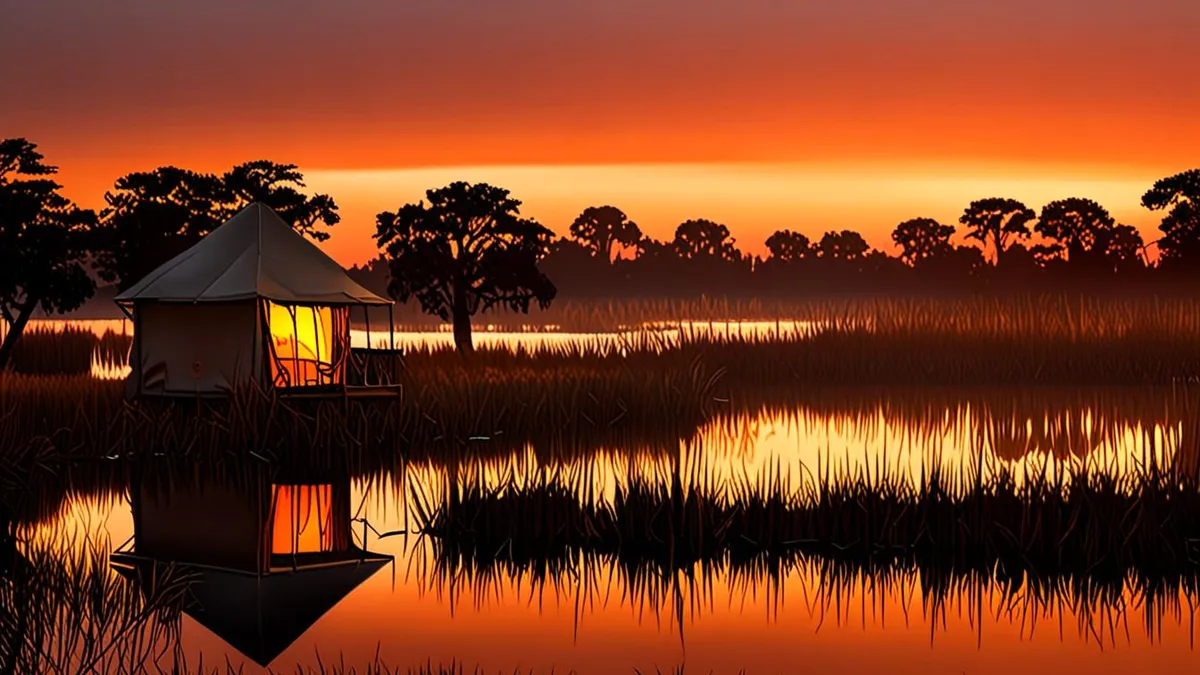
Lake glamping looks effortless in the photos: a canvas dome on a wooden deck, mist rising off calm water, a kayak tied up nearby. What those images rarely show is the mosquito repellent on the table, the dew-soaked grass at breakfast, or the neighboring tent just a few meters down the shoreline. Sites next to water come with real trade-offs around insects, weather, privacy and access, and most listings simply don’t mention them.
This guide walks you through what actually matters before you book. We’ll look at why lake glamping differs from other glamping stays, which European regions and lake types suit which kind of trip, and when to book for the best value. You’ll also find practical advice on choosing a pitch that genuinely faces the water, what to pack for cool, damp mornings by the shore, and how to make the most of your time on and around the lake.
Why Lake Glamping Is Different From Other Glamping Stays
Waterfront locations are the most sought-after real estate at any glamping site, and operators price them accordingly. Expect lakeside pitches to cost roughly 20-40% more than comparable units set back from the water. That premium buys you the view and the morning light, but it doesn’t automatically buy you privacy or easy swimming, which is why it pays to look closely at what you’re actually getting.
Weather, fog and morning dew
Lakes moderate the local climate in ways that work both for and against you. Water holds temperature, which can extend the usable season slightly compared with inland sites, so early and late season stays feel a little milder. The flip side is moisture: expect morning fog rolling across the water and heavy dew on grass and decks, especially in spring and autumn. Your tent, dome or cabin may need an hour of morning sun before everything dries out.
Privacy and water access
Shoreline sites trade privacy for views. Because everyone wants to face the water, many lake pitches sit closer together than their forest counterparts, often arranged in a line along the bank. Check the site map or ask the operator about spacing before you book.
Water access varies hugely between sites, and “lakeside” can mean very different things. Some operators offer swimming platforms, jetties and kayak hire right at the pitch; others sit on a slope with a lovely view but no practical way down to the water. Confirm exactly what’s included before you commit, especially if swimming or paddling is the main reason for your trip.
Best Regions and Lake Types in Europe
Europe offers an enormous range of lake settings, and the right one depends on what kind of trip you want. Dramatic alpine scenery and warm family swimming are two very different experiences, and they’re found in different corners of the continent.
Alpine and lowland lakes
Alpine lakes in Austria, Slovenia and northern Italy deliver the postcard scenery: steep forested slopes, turquoise water and mountain backdrops. The trade-offs are cooler water for swimming and generally higher prices, since these are among Europe’s most photographed destinations. If the mountains are calling, our Austria glamping guide to alpine sites and the best times to go covers the region in more detail.
Larger lowland lakes in Germany, Poland and the Baltics suit swimming and family trips particularly well. The water warms up more in summer, the terrain is gentler for cycling and walking, and the seasons feel less extreme than in the mountains. These lakes also tend to have more space around them, which helps with pitch spacing.
South for a longer season, small for value
Southern lakes in Portugal and Croatia stretch the swimming season into late September, making them a good pick if you want warm water without peak summer crowds. And if your budget matters more than a famous name, smaller and lesser-known lakes cost less and stay quieter than headline destinations like Lake Garda or Lake Bled, which draw heavy visitor numbers at the water’s edge.
When to Book and When to Go
Timing shapes almost everything about a lake glamping trip, from what you pay to how many neighbors you have. The peak season across most of Europe runs from June to September, when the water is warmest and demand is highest. If you want lower prices and quieter shorelines, the shoulder months of May and late September are the sweet spot, with a real drop in both crowds and cost.
How far ahead to book
For summer weekends at popular lake destinations, reserve 3-6 months ahead. Waterfront pitches are usually the first to sell out at any site, so the best units go early. If your dates are flexible, midweek stays in July and August are often 20-30% cheaper than Friday and Saturday nights, which makes a short midweek break one of the better value ways to score a lakeside spot. Our guide to planning a short weekend glamping break has more on making two or three nights work well.
One caveat: mosquitos
If mosquitos are a dealbreaker for you, think carefully about dates. They are worst from late June to early August, especially near shallow, reedy shorelines where they breed. Traveling in May or from late September onward, or choosing a site away from reed beds, makes evenings by the water far more comfortable.
How to Choose the Right Lakeside Site
Photos on a glamping site’s listing can be misleading, and nowhere more so than by the water. That dreamy lake view in the gallery might belong to a handful of premium units, while the tent you’re actually booking sits three rows back behind a line of safari lodges. Before you pay anything, ask the site directly whether your specific unit faces the water, and request a photo of the view from that exact pitch if you can.
Ground matters as much as the view. Lakeside land is often soft and low-lying, so a tent pitched directly on grass can turn damp and muddy after a single rain shower. Elevated or decked pitches solve most of that problem, keeping your sleeping area dry and giving you a clean surface for shoes and gear.
A few things deserve special attention before you commit:
- Ask what “lake access” actually means on the site’s listing: it can be a private swimming spot, a shared jetty you’ll queue for at peak times, or simply a distant view from a viewing point.
- Filter reviews for mentions of noise, because open water carries sound remarkably well and beaches, boat launches and lakeside bars can be audible long after dark.
- Check the spacing between units on a map or aerial photo, since shoreline pitches are often packed closer together than forest sites to maximize the view.
- Look for mentions of drainage or standing water in recent reviews, especially ones written after rainy periods.
Finally, it pays to do a general safety and vetting check as well. If you’re new to glamping, reading up on what to check before you book a glamping site covers basics like site security and emergency access that matter just as much by a lake as anywhere else.
What to Pack for a Stay by the Water
Packing for a lakeside glamping trip is a little different from a standard camping or hotel stay, mostly because of the water itself. Evenings near the shore bring out insects, and if your site sits by a shallow, reedy stretch of shoreline, you’ll want protection before dusk rather than after your first round of bites. A good insect repellent is the baseline; a mosquito net or a screened shelter for your tent’s living area makes evenings outside genuinely comfortable instead of a battle.
Don’t leave swimwear behind just because you’re traveling in the shoulder months. In southern Europe, lake water often stays pleasant enough for swimming into September, and a quick-dry towel takes up almost no space in your bag. Regular bath towels dry slowly in humid lakeside air, so quick-dry versions earn their spot twice over.
Beyond the obvious, these items make a real difference by the water:
- An extra warm layer such as a fleece or light insulated jacket, because lakeside temperatures drop noticeably after sunset even on warm summer days.
- Waterproof footwear like rubber-soled sandals or short boots, since morning dew soaks grass thoroughly and shoreline paths turn to mud after rain.
- A dry bag or waterproof pouch for your phone and camera, useful both for paddling trips and for damp mornings inside the tent.
- A headlamp with a red-light mode, so you can move around after dark without attracting every insect on the shoreline.
One last tip: pack a small microfiber cloth for wiping condensation off tent windows and gear. Lakeside air is moisture-heavy, and you’ll use it every morning.
Making the Most of Your Lake Glamping Trip
The rhythm of a day at a lake is different from anywhere else, and planning around it makes a big difference. Water is at its calmest in the morning, with light winds and glassy surfaces that are perfect for kayaking, paddleboarding or an early swim. By afternoon, wind and boat traffic pick up, and the water gets choppier. Do your active water time first, then save the afternoon for reading, napping or exploring the area on foot.
Chase the Sunset
Evenings are the payoff of a lakeside stay, so think about orientation when you book. A site with a fire pit or terrace facing west gives you sunset directly over the water, which is the single best free show of the trip. Some sites face east instead, which is lovely for sunrise but leaves you watching the light fade behind trees. Ask when reserving, and if you have a choice of units, pick the one angled toward the evening sun.
After Dark: Boats and Stars
Water equipment is another thing to confirm upfront. Kayaks, paddleboards and rowboats are often available at lakeside sites, but hire is frequently an extra cost or limited to a small fleet that gets claimed early. Ask about availability and any deposit when you book rather than assuming it’s included in your stay.
Finally, consider the night sky. Lakes far from towns often sit under very dark skies, and the open water doubles the effect by reflecting the stars. Bring a blanket, skip the screen time, and let the lake do what it does best after everyone else has gone to bed.
Ready to Book Your Lakeside Escape
Lake glamping really is as beautiful as the photos suggest, but the trade-offs are real. Waterfront pitches cost more, mosquitos show up near reedy shorelines, mornings can be cool and damp, and “lake access” means different things at different sites. None of this should put you off — it just means a little homework pays off.
The short version: lake glamping rewards good timing, so book early for waterfront pitches and consider shoulder season for better value. Match the region and lake type to your trip, whether you want alpine drama or warm southern swimming. Before you commit, verify the pitch position, what access actually includes, and when mosquito season peaks — then pack for cool, damp mornings. Have a favorite lake stay or a question before you book? Leave a comment or share this article.