You have booked plenty of hotels before, yet the labels still confuse you. One property calls its entry-level room a standard, another sells a deluxe that looks nearly identical, and the junior suite costs noticeably more. Hotel room categories are genuinely hard to compare, because the names are not defined by any industry-wide rule.
This guide breaks down what standard, deluxe and junior suite actually mean, what you typically get for the extra money, and how to judge whether an upgrade makes sense for your trip. You will learn how to compare categories within a single hotel, when the price gap is worth paying, and when you are better off keeping the cheapest room and spending the difference on dinner.
What Hotel Room Categories Actually Mean
The first thing to understand is that hotel room categories are set by each hotel itself, not by law or an official standard. There is no licensing body checking that a deluxe room meets fixed criteria. That means a deluxe in one hotel can be essentially the same as a standard room in another, especially when you compare a boutique property with a large chain.
Star ratings add to the confusion, because they describe the hotel as a whole rather than the differences between rooms inside it. A five-star hotel can still have a fairly plain entry-level room, and a three-star hotel may have one spacious category that feels far above its rating. Stars and room categories answer two different questions: one about the property overall, the other about where a specific room sits within it.
What the name actually tells you
Despite the loose definitions, a category name is still useful. It mainly signals three things: the size of the room, its position in the building, and the extras included. Higher categories usually mean more square meters, a better floor or view, and small comforts such as a bathtub or a coffee machine. The trick is to treat the name as a rough hint and then verify the details, which is exactly what the following sections help you do.
Standard Rooms: The Baseline Category
Standard rooms are the baseline category in almost every hotel, and they exist for a simple reason: most guests need a clean, comfortable place to sleep and shower, nothing more. In European city hotels, a standard room typically measures 18-25 m², which is enough for a bed, a bathroom and a modest amount of walking space. In the US, room sizes vary widely, and standard rooms often start near 30 m².
The furniture follows the same practical logic. You can usually expect a double or twin bed, a private bathroom, a TV and a basic work space such as a small desk or a chair by the window. If you plan to spend your days sightseeing and only return to the room at night, this category is often the best value in the whole building. That is especially true in city-center hotels, where you pay for location and the room itself shrinks accordingly. If you are weighing that trade-off, it helps to read about how location affects your hotel choice before deciding how much room you really need.
One thing worth knowing before you book: standard rooms are often placed in the less desirable parts of the building. Hotels tend to assign their cheapest category to:
- Lower floors, where the walk or lift ride from reception is shortest but street noise is more noticeable
- Rooms near the lifts, convenient for luggage but potentially noisy in the evenings
- Rooms facing inner courtyards or car parks rather than the main street or skyline
None of these placements makes a standard room a bad choice. They simply explain why the same hotel charges more for other categories, and why it pays to check the room position before you assume the view does not matter to you.
Deluxe Rooms: What the Extra 15-30% Buys
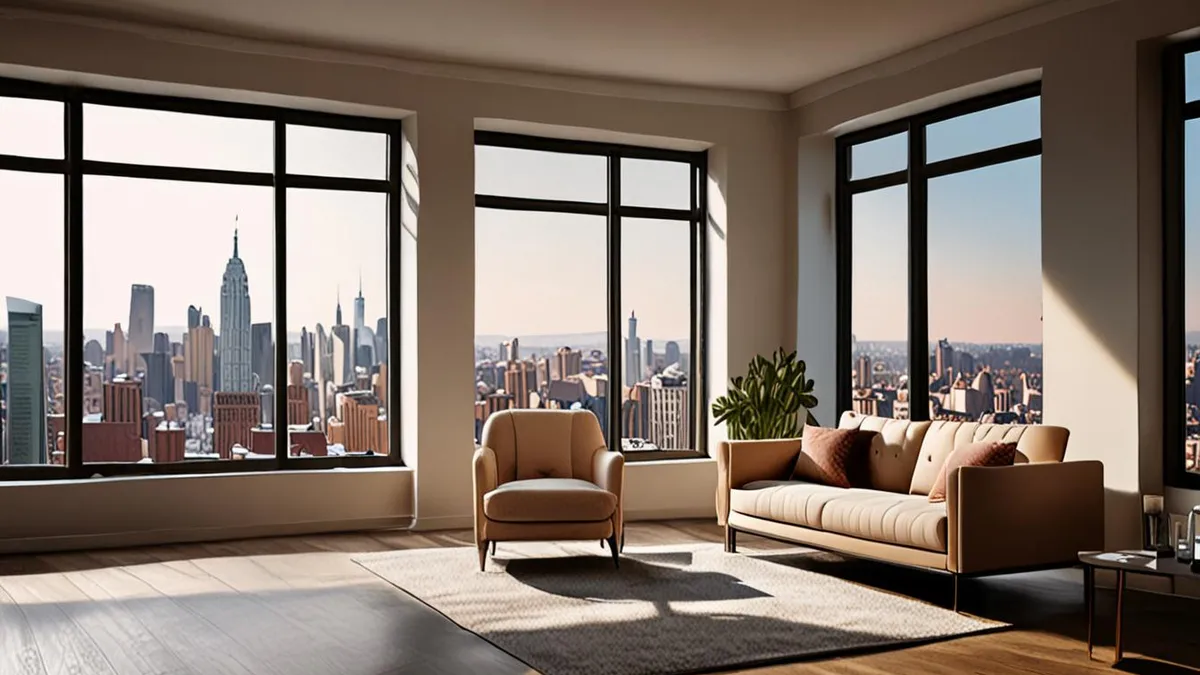
Deluxe rooms sit one step above the standard category in the same hotel, and the main difference is usually size. A deluxe room typically adds 5-10 m² over the standard, which translates into a wider bed area, more storage and space to open your suitcase without performing gymnastics. The extra 15-30% you pay per night buys more than square meters, though. Hotels use the deluxe label to group together the rooms with the most attractive features in the building.
So what do those features look like in practice? The most common upgrades are:
- A better view, often of the sea, a landmark or the main street instead of the courtyard
- A higher floor, which usually means less street noise and more daylight
- A bathtub in addition to or instead of a shower
- A coffee machine or kettle setup beyond the bare minimum
- Bathrobes and slippers, small touches that signal the hotel expects longer or more leisurely stays
Position matters as much as contents here. Corner rooms and top-floor deluxe rooms often get more natural light and a quieter position away from the lift shafts and service areas. If the hotel’s website mentions a deluxe corner room or a deluxe room with panoramic view, that is usually the pick of the category.
Whether the upgrade is worth it depends on how you travel. For stays of three nights or more, or for trips where you genuinely plan to spend time in the room, the extra space and comfort add up day after day. For a one-night stopover, the difference is harder to justify.
Junior Suites: Space and a Sitting Area at a 40-70% Premium
A junior suite is the middle ground between a large hotel room and a true suite. Most junior suites measure around 35-50 m² and include a separate sitting area, but the bedroom itself is usually not closed off. You get one open space where the sleeping corner and the lounge corner flow into each other, often separated only by furniture, a partial wall or a change in floor level.
This is the key difference from a real suite: in a true suite, a wall or door divides the bedroom from the living space, so one person can sleep while another works or watches TV with the lights on. In a junior suite, that separation does not exist. If privacy between rooms matters to you, ask the hotel specifically whether the suite has a door.
The extra space pays off in certain situations. On a work trip, you can take calls at the table while your bed stays clear of laptops and papers. On a stay of a week or more, having a sofa and a proper sitting area makes the room feel like a small apartment rather than a place you just sleep in. Couples also appreciate the room to spread out without climbing over each other’s luggage.
- Check the hotel’s floor plan or photos before booking: some properties label an ordinary large room with a sofa as a junior suite, so the sitting area may be little more than an armchair at the foot of the bed.
- Ask whether the sofa in the sitting area converts into a bed, since this can matter if a third person travels with you and the hotel counts the junior suite as a triple.
- Look at where the sitting area sits in the room: one facing the window with a view is far more usable than one tucked behind the entrance door.
- Confirm whether the junior suite includes extras such as bathrobes, a coffee machine or lounge access, because at a premium often 40-70% above the standard rate, bundled perks can make up a meaningful part of the price.
How to Compare Categories Within One Hotel
Category names are set by each hotel, so the only comparison that really tells you anything is the one within a single property. A deluxe room at one hotel can be smaller than a standard room at another, but a deluxe versus a standard in the same hotel is a fair fight. The trick is to treat the two categories as a product comparison rather than a marketing label: look at what physically changes between them, then decide whether those changes matter to you. Here is how to make that comparison properly, step by step, before you commit to the higher rate.
- Compare square meters, floor level and view direction instead of trusting the label. If the deluxe room measures several square meters more than the standard, sits on an upper floor and faces the sea while the standard faces the car park, you know exactly what you are paying for.
- Read recent guest reviews that mention the specific category you plan to book. Guests often write things like “the deluxe room was barely bigger than the standard” or “the deluxe rooms on the top floor are worth it”, which tells you more than the hotel’s own description.
- Ask the hotel directly what differs between the two categories before you pay for the upgrade. A short email or call asking “what exactly do I get with the deluxe?” often reveals whether the difference is a bathtub and a better view or just a slightly larger floor plan.
- Check whether breakfast or lounge access is bundled with the higher categories. If the deluxe rate includes breakfast while the standard rate does not, the real price gap shrinks considerably. If you are weighing meal options anyway, our guide to full board, half board and B&B shows how bundled meals change the true cost of a room.
Once you have these four answers, the decision becomes simple arithmetic rather than guesswork. Write down the nightly difference between the two categories, subtract the value of anything bundled into the higher rate, and you are left with the true cost of the upgrade. Then ask one final question: will you actually use what you are buying? An extra bathtub means little on a one-night stopover, but it can transform a week-long stay. You will know what extra space, position and perks you are getting, and whether they fit your particular trip and budget.
When the Upgrade Is Worth It and When It Is Not
Upgrades are not good or bad in themselves; they are good or bad for a specific trip. The logic is simple: the more hours you actually spend in the room, the more an upgrade is worth. A room you only use for sleeping gives you little return on the extra cost, while a room where you work, relax or celebrate can justify a serious price jump.
As a rule of thumb, the deluxe category is often the sweet spot. The nightly surcharge stays moderate, and in exchange you usually get a better view, a higher floor and a few comfort extras without a dramatic change in price. A junior suite costs noticeably more again, and that gap is harder to justify purely on comfort, but it fits special occasions where the room itself is part of the experience.
- On a short city break of 1-2 nights where you are out sightseeing from breakfast until late, skip the upgrade entirely and put the money toward a better-located hotel or a nice dinner instead.
- For honeymoons, milestone birthdays or anniversaries, a junior suite turns the room into part of the celebration, and many hotels add a small gesture like a bottle of wine when you mention the occasion at booking.
- On work trips or stays of 4+ nights, extra space and a proper sitting area pay off daily, because you can work, eat and relax without living out of your suitcase on the bed.
- If you are traveling with children, do not assume a junior suite is the answer: compare it with connecting rooms, which give everyone a real door and separate beds. Our article on connecting rooms versus family suites walks through that choice in detail.
Match the category to the trip, not to the temptation. If you cannot name a concrete reason you will use the extra space or the better view, the standard room is almost certainly enough.
Choosing Your Room Category with Confidence
The confusion around hotel room categories usually comes from one thing: the labels are not standardised, so a deluxe in one hotel can be very different from a deluxe in another. The reliable way to compare is to look at what actually changes between categories in the same property: size, position in the building and sitting space. A standard room covers the basics, a deluxe typically adds a few square meters and better views, and a junior suite adds a separate sitting area for spreading out.
Whether the upgrade is worth it depends on your trip. On a short city break where you are out all day, a standard room is usually enough. For longer stays, work trips or special occasions where you spend real time in the room, the extra space and comfort of a deluxe or junior suite can genuinely change your experience. Always compare within one hotel rather than across labels, and if this cleared things up for you, leave a comment or share the article with a fellow traveler.