Glamping with a baby sounds dreamy until you picture a chilly dome at midnight with a wide-awake toddler. Many parents love the idea of a proper escape but worry that a tent, no matter how stylish, is simply no place for a baby or toddler. The truth is that some glamping sites are genuinely built for families, while others merely tolerate children and hope for the best. Telling the difference before you book makes all the difference between a restorative break and a sleepless ordeal.
This guide walks you through exactly what to look for: why glamping beats traditional camping with little ones, which stay types suit babies best, how heating and night-time comfort work in practice, the baby essentials to confirm before paying, site safety and location questions, and the smartest times and booking windows for family trips. A short checklist at the end pulls it all together so you can vet any site in minutes.
Why Glamping with a Baby or Toddler Works Better Than Camping
The biggest stressors of camping with a baby are cold nights and broken sleep, and glamping removes both at the source. A real bed for you, a proper cot for your baby and a solid floor underfoot mean no air mattress deflating at midnight and no icy ground seeping through sleeping bags. Heating turns a marginal night into a comfortable one, which matters enormously when a baby wakes at 3am and needs to settle quickly.
Private bathroom access is the second quiet miracle. Instead of walking across a dark campsite with a crying child, you are steps from a toilet and a warm sink for rinsing bottles or soothing a fever. Parents consistently say this single feature changes the whole character of a trip.
Room to move, safely
Lockable, enclosed units let toddlers wander while you relax, something impossible in an open tent. A toddler who can potter around a cabin or safari tent without you shadowing every step gives you your first real “holiday” feeling since the baby arrived. Doors that close also mean naps survive sibling noise and morning light.
Finally, keep the first trip short. A 2-3 night weekend is the ideal test run: long enough to settle into the rhythm, short enough that one rough night doesn’t ruin the break. If it goes well, you can confidently plan longer family glamping holidays later.
Choosing the Right Stay Type: Safari Tents, Domes and Cabins
Not all glamping stay types suit a baby equally well, and the differences matter more with a toddler than with adults. Space, temperature behavior and weather resistance vary a lot between a canvas safari tent, a transparent dome and a solid cabin, so match the stay type to your child’s age and the season rather than to the prettiest photo.
Safari tents are usually the most family-friendly of the canvas options. Their square floor plan and multiple “rooms” give you genuine space for a cot, a play mat and a folded buggy, so you’re not tripping over gear at every turn. For a fuller comparison of canvas versus solid walls, our article on glamping in a cabin versus a tent breaks down the comfort, cost and experience trade-offs in detail.
Domes are the trickiest with babies: they heat up fast in direct sun and cool quickly once it sets. Cabins and lodges, meanwhile, are the most weather-proof choice for shoulder-season trips, when a baby leaves no room for a soggy, cold night.
- Check dome glazing and ventilation: ask whether the dome has blinds or shades, because a transparent ceiling that looks romantic at booking can turn nap time into a battle when the sun rises at 6am.
- Ask about the deck: a cabin on stilts with open steps is a hazard with a new walker; a flush, ground-level deck with railings effectively doubles your living space safely.
- Measure the sleeping area: some “family” safari tents fit two adults comfortably but squeeze a travel cot into a walkway, so ask for the tent’s floor dimensions and where the cot is meant to go.
- Consider the bathroom setup: in some safari tents the toilet and shower are in a separate unit a short walk away, which is fine for adults but less convenient for 3am toddler toilet trips.
When toddlers are newly walking, ground-level entrances and deck railings matter far more than any stylistic detail. A slightly plainer cabin a toddler can’t tumble off is worth more than the prettiest stilted treehouse on the site.
Heating, Insulation and Night-Time Comfort
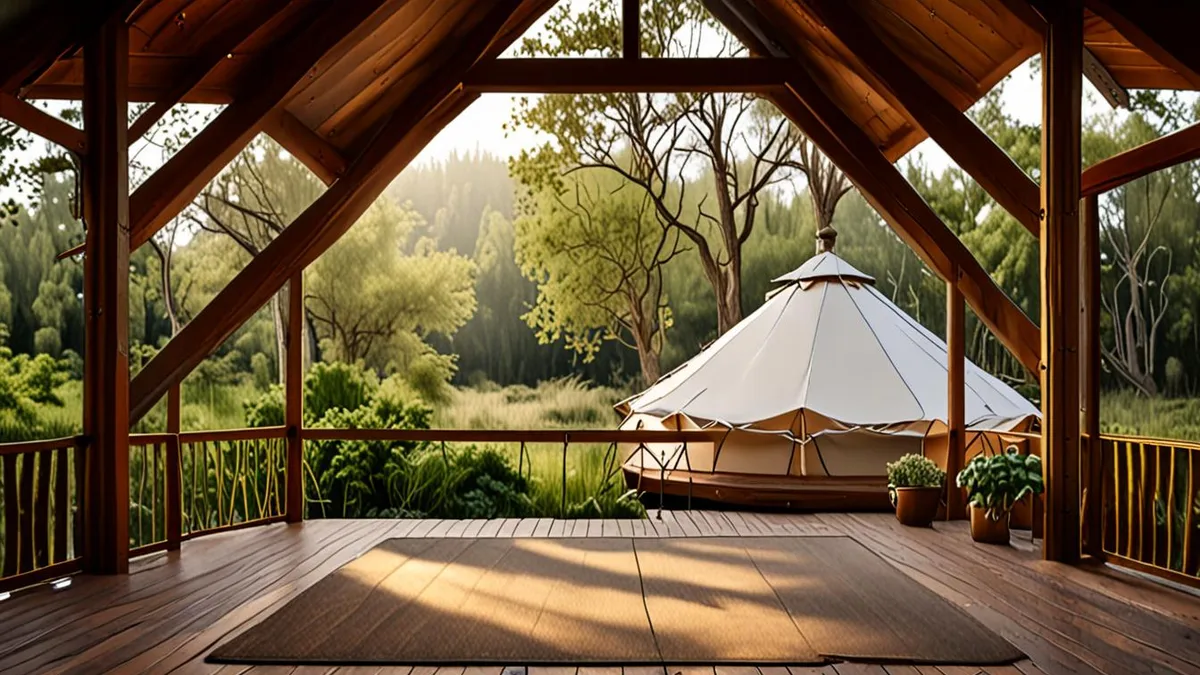
Heating is the make-or-break detail for glamping with a baby, and it’s the question most parents forget to ask until it’s too late. Some sites run heating all night; others switch it off at 10pm to save costs or firewood. A dome that was cozy at bedtime can drop several degrees by 2am, which is exactly when babies wake. Ask directly whether heating runs continuously, and aim for indoor temperatures of 18-20 degrees C for comfortable sleep — a small plug-in thermometer lets you verify on arrival.
Wood stoves and backup plans
Many safari tents and cabins rely on wood stoves, which are lovely but need two things: a proper guard so a cruising toddler can’t touch the hot surface, and a warm backup plan for very cold nights. Ask whether the site supplies enough firewood, whether someone re-feeds the stove overnight, and what happens if the stove goes out — a site with electric radiators as backup is a safer bet than one with a single stove and no plan B. Our guide to how cold glamping actually gets in a dome or tent in winter explains the temperature swings in more depth.
Timing helps too. May, June and September offer warm nights without the summer heat that makes domes stuffy for babies — a real issue under transparent panels on a July afternoon.
Finally, pack for faster cooling than you’d expect. Tents lose heat quicker than hotel rooms, so bring layered sleepwear and a 2.5 tog sleep bag rather than relying on the duvets provided, which are usually sized and weighted for adults.
Baby and Toddler Essentials to Check Before You Book
The difference between a relaxing glamping trip and a stressful one usually comes down to what you confirmed before booking, not what you packed. Many family-ready sites provide cots and high chairs on request, but “on request” is the key phrase: they are rarely sitting unused in your tent unless you ask. Contact the site 2-4 weeks before arrival to confirm each item by name, and get the answer in writing if you can.
Food and milk prep is the next big thing. A full kitchen is a luxury, but even a kettle and a small fridge transform your days: you can make up formula, keep yogurt and fruit cold, and heat porridge at dawn without leaving your unit. If you want to understand what different sites typically offer, from shared kitchen barns to private cooking facilities, this guide to glamping site amenities from hot tubs to kitchens breaks it down clearly.
Beyond the unit itself, think about the practical rhythm of days with a small child. Naps, muddy shoes and snack spills all shape what you need on site.
- Buggy-friendly paths: ask whether the route from parking to your unit is gravel, grass or paved, and whether there is a step or gate along the way, since a 50-meter carry with a toddler on your hip gets old fast.
- Washing machine access: even one load handles the inevitable milk spill or muddy fall, so check whether guests can use one on site or whether you should pack enough spares.
- Blackout options: early summer sunrises can end naps and mornings prematurely, so ask if blackout blinds or linings are fitted, or bring clip-on portable blackout shades for windows.
- Stair-free access and socket covers: confirm whether your unit is on one level, and ask if outlets are fitted with covers or positioned out of reach.
- Deck safety: ask directly whether the deck or terrace is toddler-proofed with railings and a gated edge, or whether you will need constant supervision outdoors.
Site Safety and Location for Families
Before you fall in love with photos of a tent by a lake, look at the site through a toddler’s eyes. Unfenced ponds, streams and pools are the biggest concern, followed by open fire pits, steep drops or embankments, and any roads that vehicles use to cross the site. None of these are dealbreakers, but you need to know about them in advance so you can choose a unit set back from the hazard or plan to supervise closely.
Email the site and ask plainly: is there water on or near the grounds, and is it fenced? Where do cars park relative to the accommodation? Are fire pits shared or private, and can they be covered or removed from your deck? Good sites answer these questions easily and without hesitation.
Location and drive time
Keep your first trips close to home. A drive of under 2-3 hours means you can time departure around a nap, stop once if needed, and still arrive with everyone in reasonable spirits. Long drives with a toddler who has hit their limit are no fun for anyone, and a meltdown on a winding country road sets a grim tone for the whole trip.
Entertainment without the car
The best family sites let toddlers burn energy without you driving anywhere. Look for an on-site playground, friendly animals to visit, or short nature trails suitable for little legs. These simple features fill mornings and afternoons easily, and they also give you a fallback when the weather turns and a beach trip is off the table.
Finally, check the practical stuff that only matters in an emergency: what is the mobile signal like across the site, and how would an ambulance or doctor reach you at a remote countryside location? Ask the site directly, and note where the nearest medical facility is before you travel.
When to Go and How to Book Family Glamping
Timing and booking strategy make a bigger difference to a family glamping trip than most parents expect. Prices, crowds and even night temperatures shift a lot across the season, and family-sized units are limited at most sites. Unlike a standard hotel room, a safari tent or cabin with a cot, heating and space for a buggy cannot simply be swapped for another unit if something goes wrong, so getting the details right before you pay matters far more than it does for an adults-only trip.
It also pays to think about how you book, not just when. Family-friendly sites often run direct bookings through their own websites or email, and smaller owners are usually happy to answer questions about heating, cots and access before you commit. A short phone call or message can save you from booking a unit that looks perfect in photos but falls short in person. Work through the steps below before you pay anything.
- Pick your month first. May, June and September are the sweet spot for family glamping in Europe: nights stay warm enough for comfortable sleep, sites are quieter, and prices sit below the July and August peak. This matters more with a baby than with adults, since stuffy summer nights in a tent make for broken sleep.
- Book 3-6 months ahead for summer dates. Family-sized tents and cabins are the first units to sell out at most sites, simply because there are fewer of them. If your dates are fixed by school holidays or a family event, book early rather than hoping for a late cancellation.
- Budget realistically. In Western Europe, expect family glamping stays to typically cost 120-250 EUR per night depending on the season, the region and how well equipped the unit is. Compare what is included, since a stay with a private bathroom and kitchen can work out cheaper overall than a cheaper tent plus eating out.
- Read the booking terms carefully. Ask about minimum stays, which are common on weekends and in peak season, and check whether your infant counts toward the unit’s occupancy limit. Some sites price babies separately, others include them free, and the difference affects your total. Also check the cancellation policy in case illness forces a last-minute change of plan.
- Confirm the details before paying. Get written confirmation of cots, heating arrangements and any baby gear you need, well before arrival, so there is time to fix any gaps.
Once the booking is confirmed and the details are in writing, the hard part is done. Keep copies of every confirmation email, including anything the owner promises verbally, so there is no confusion on arrival. A short, well-planned first trip gives you a clear picture of how your child handles glamping, and whether longer family adventures are worth planning for next season.
The Family Glamping Checklist at a Glance
The difference between a genuinely family-ready glamping site and one that simply tolerates children comes down to the details, and most of them can be checked before you pay. A heated, enclosed stay type with safe ground-level access forms the foundation of a good trip. Once you have that, a short email or phone call to confirm the cot, kitchen facilities and heating arrangements 2-4 weeks before arrival takes care of most of the rest.
Timing does the final part of the work. Aim for May, June or September, book your family unit 3-6 months ahead for summer dates, and keep that first trip to 2-3 nights so you can test the waters without pressure. Get those pieces right and a tent or dome becomes a comfortable base for your baby or toddler, not a compromise. If this helped you plan, share it with another family or leave a comment below.