Booking your first glamping trip should be exciting, but the amenity list often reads like a foreign language. Wood-fired hot tub, kitchenette, off-grid power, shared bathhouse—what do these terms actually mean, and which glamping site amenities are worth paying extra for? If you’re staring at two listings that look identical in photos but differ by $100 a night, you’re not alone in feeling confused.
This guide breaks down what those listings really offer, section by section. We’ll cover what amenities typically include, from wellness extras like hot tubs and saunas to the comfort basics of bathrooms, water and power. You’ll also learn how kitchens and heating setups vary between units, and how to match what you actually need to your budget and trip style—whether that’s a basic tent with shared bathrooms or a pricier unit with a private soak. By the end, you’ll be able to scan any amenity list and book with confidence, knowing exactly which extras justify the higher rate.
What Glamping Site Amenities Actually Include
Glamping amenities fall into three practical tiers, and knowing them makes any listing instantly easier to read. The essentials tier covers what turns a tent into a livable space: a real bed, some form of heating or cooling, lighting, and access to a toilet. The comfort upgrades tier is where most mid-range units sit, adding a private bathroom, a kitchenette or a deck. The luxury extras tier includes things like a hot tub, a sauna or a full kitchen, and these are the features that push rates toward the top of the range.
In-unit versus shared on-site
Listings usually split amenities under “in-unit” and “shared on-site,” and this distinction matters more than almost anything else when comparing prices. A private hot tub in your unit and a shared hot tub by the reception building are very different experiences, yet both can appear under the same word in a summary. Always check which tier applies to each feature before you compare rates between sites.
Price is often a decent shortcut. A unit at $80–150 per night typically means shared bathrooms, while private bathrooms become standard above roughly $150 per night. If a listing seems unusually cheap for what it promises, look first at whether the headline amenities are actually in-unit or shared with the whole site.
Hot Tubs, Saunas and Other Wellness Extras
Wellness extras are the features travelers dream about most, and they’re also the ones with the most fine print. The difference between a wonderful soak and a frustrating evening usually comes down to heat-up times, scheduling rules and whether the tub is truly yours.
Private hot tubs: worth the premium?
Wood-fired hot tubs take 2–4 hours to heat, so many sites ask you to schedule a fill time in advance rather than letting you decide spontaneously at sunset. Electric models are ready in under an hour, which makes them far more flexible for a cold evening or a late arrival. A private hot tub usually adds $50–150 per night to the rate, so be honest with yourself: if you’ll use it daily, it can define the trip. If you’re out hiking all day, you may pay a premium for ten minutes of use.
Shared options and time slots
Shared hot tubs and saunas are cheaper alternatives that deliver much of the same experience. The trade-offs are real, though: you often need to book a time slot, and at family-oriented sites they commonly close around 10 pm. If a soak under the stars is your main goal, ask about closing times before booking rather than after. Pack accordingly too, since a swimsuit, robe and flip-flops are easy to forget, and a good glamping packing checklist will remind you of exactly these items before you leave home.
Kitchens and Cooking Facilities Explained
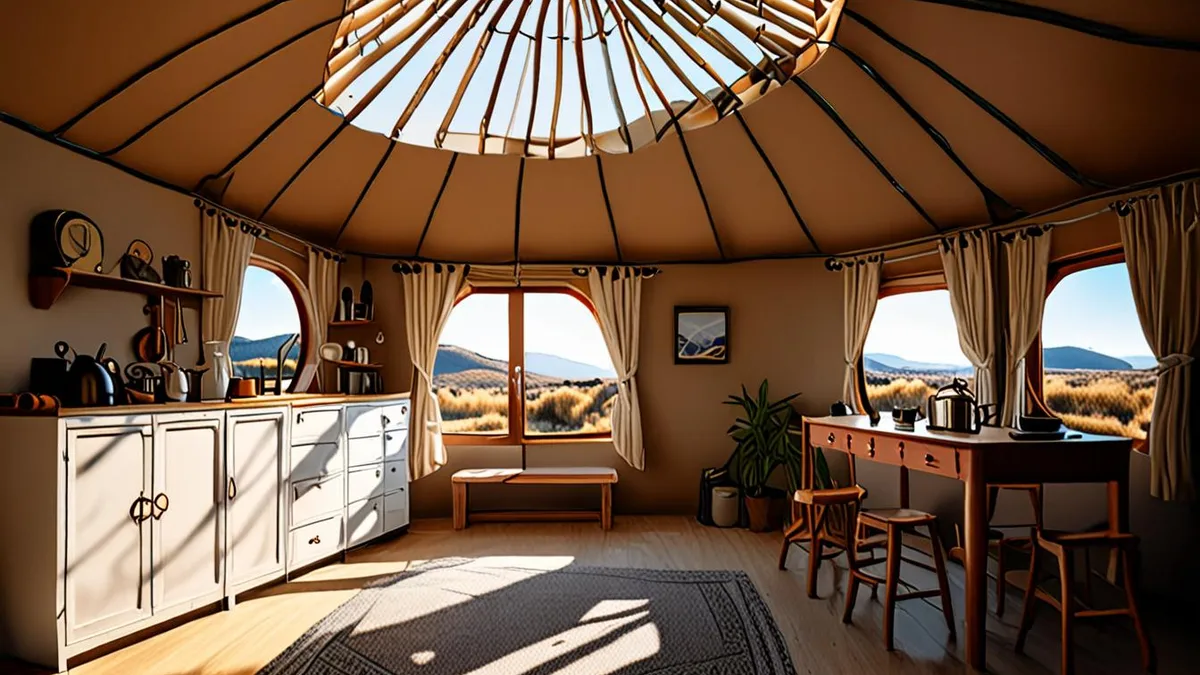
Full kitchens are rare in glamping. Most units offer a kitchenette with a two-burner stove, a kettle and a mini fridge, which is enough for simple meals like pasta, eggs or a barbecue-style dinner, but not for elaborate cooking. Set your menu expectations before you arrive rather than planning a three-course feast for six.
The bigger variable is what comes with the kitchenette. Some sites supply everything down to dish soap and a corkscrew, while others leave the counter bare. Before booking, check whether cookware, utensils and basic supplies like oil, salt and coffee are provided, or whether you need to bring your own. A quick message to the host can save you from dragging a suitcase of kitchen gear to a unit that already has it all.
If a unit has no in-unit cooking at all, that doesn’t mean you’ll go hungry. Most sites without kitchens provide alternatives, and in high season many add food options on-site. Common setups include:
- Shared camp kitchens with full-size fridges and prep counters, where you can cook a bigger meal than any kitchenette allows
- Communal BBQ areas with grills and picnic tables, ideal for groups that want to cook and eat together outdoors
- Breakfast baskets delivered to your unit, often with local bread, eggs and jam, so you skip morning cooking entirely
- On-site food trucks in high season, which handle dinner on nights when you’d rather not cook at all
Bathrooms, Water and Power: The Comfort Basics
Bathrooms are the single biggest dividing line between budget and mid-range glamping. In the most basic units, shared bathroom blocks are the norm — think clean, well-maintained shower buildings a short walk from your tent, often shared with a handful of other units. Step up a tier and en-suite bathrooms become standard, and that private toilet and hot shower is usually the upgrade travelers appreciate most after a long day outside.
Hot water deserves a closer look than most listings give it. Some eco-focused sites use solar water heating or timed showers to conserve resources, which works fine in summer but can feel limiting in cooler months when the sun is weak and a long hot shower matters more. Read the listing details or ask the host directly: is the shower unlimited, timed, or coin-operated, and is the water heated by gas, electric, or solar?
Power: from full outlets to a single USB
Power setups range widely. Some units have full electricity with wall outlets, lights, and even a small heater. Others run on solar only, offering LED lighting and a USB port for charging phones but no outlets for laptops or camera batteries. If you plan to work remotely, edit photos, or charge multiple devices, confirm outlet availability before booking — a listing that says “solar lighting and USB charging” is telling you there is no standard plug. Travelers with medical devices or CPAP machines should treat this as a dealbreaker question, not a nice-to-have.
Heating, Cooling and Four-Season Comfort
Most glamping sites in temperate climates operate roughly April to October, and the comfort of your stay depends heavily on where in that window you book. July and August nights are usually mild enough that heating never crosses your mind. Shoulder-season stays in April–May or September–October are a different story: temperatures can drop near freezing overnight, and you’ll want real heating in the unit, not just an extra blanket.
Wood stove or electric heater?
Wood stoves add serious atmosphere — there’s nothing like a crackling fire in a yurt while rain hits the canvas. But they require effort: fetching wood from the shed, lighting the fire, and feeding it through the night to keep the unit warm. If you’re a cold-sensitive traveler or booking with kids, electric or propane heating is more reliable because it maintains a steady temperature without your involvement. Many hosts provide both, with the stove as a bonus rather than the primary heat source.
Structure type matters just as much as the heating source. Insulated domes and yurts hold warmth far better than canvas safari tents, which lose heat quickly once the fire dies down. A well-insulated dome with a small heater can outperform a drafty canvas tent with a bigger stove. If you’re weighing which structure suits your trip, this guide to how yurts, domes and safari tents differ breaks down how each one handles weather and insulation. Either way, read reviews from guests who stayed in the same season you’re planning — they’ll tell you whether the heating setup actually kept them warm.
How to Match Amenities to Your Budget and Trip
Glamping rates range from around $80 to well over $300 per night, and the difference usually comes down to amenities rather than location. The trick is matching the amenity list to your actual trip — the season you’re traveling, the people you’re with, and what you’ll realistically use. If this is your first glamping trip, a step-by-step approach keeps you from overpaying for extras you won’t touch. For a deeper walkthrough, see how to choose the perfect glamping site for your first trip.
- Prioritize the basics over luxury extras. For a first trip, a private bathroom and reliable heating will shape your experience far more than a sauna or full kitchen. These two amenities are what separate a comfortable night from a rough one, especially outside peak summer. Canvas tents cool down fast after sunset, so think about nighttime comfort before you think about add-ons.
- Book early if you want a hot tub unit. Peak-season weekends in June–August sell out 2–4 months ahead, and units with private hot tubs are the first to go. If a nightly soak is the main reason you picked a site, reserve well in advance rather than hoping for a late cancellation. Ask the host about the tub type when you book, since heat-up times vary a lot between wood-fired and electric models.
- Compare listings on a per-amenity basis. Do the math on what you’re actually getting. A unit that bundles a private bath and kitchenette into the nightly rate can beat a cheaper base rate padded out with paid add-ons — and the bundled option usually means less scheduling and fewer rules during your stay. Write down which amenities matter to you, then check each listing against that list line by line.
Work through these steps before you compare prices, and the amenity list becomes a shopping checklist instead of marketing copy. You’ll end up paying only for the things that genuinely improve your stay, and you’ll spot the listings that pad their rates with extras you’d never use.
Choosing Amenities With Confidence
Decoding a glamping amenity list comes down to one simple idea: amenities fall into three tiers. Essentials cover the real bed, heating or cooling, lighting and toilet access. Comfort upgrades add things like a private bathroom or kitchenette, and luxury extras such as hot tubs and saunas sit at the top. Rates from $80 to $300+ per night reflect which tier you book, so a higher price usually signals a higher tier rather than a better location.
A few patterns help you compare quickly. Hot tubs typically add $50–150 per night and need heat-up time, so only pay the premium if you’ll use one daily. Kitchens are usually kitchenettes rather than full kitchens, and once you cross the roughly $150 per night mark, an en-suite bathroom is generally part of the deal rather than an upgrade. Match the amenity list to your season, group and budget, and you’ll know exactly what you’re paying for. If this helped you plan your trip, leave a comment or share the article.